

Quick Summary: True black eyes don’t exist in humans—what appears black is actually very dark brown caused by extremely high melanin concentration in the iris. While these deep brown eyes are common in Asian, African, and Middle Eastern populations, genuine black irises are medically impossible as the iris structure always contains some pigmentation that appears brown under close examination or bright light.
Look closely at someone with supposedly “black” eyes in direct sunlight. Notice anything? Those pitch-dark irises suddenly reveal rich chocolate and amber tones.
The question of whether humans can have truly black eyes has fascinated people for generations. Romance novels feature characters with “ebony eyes,” and social media debates rage about this mysterious eye color. But what does science actually say?
According to MedlinePlus, a person’s eye color results from pigmentation of the iris—the structure that surrounds the pupil and controls light entry. The iris color ranges on a continuum from very light blue to dark brown. In medical and genetic terms, pure black iris pigment simply doesn’t occur in human eyes.
Are True Black Eyes Scientifically Possible?
The short answer? No.
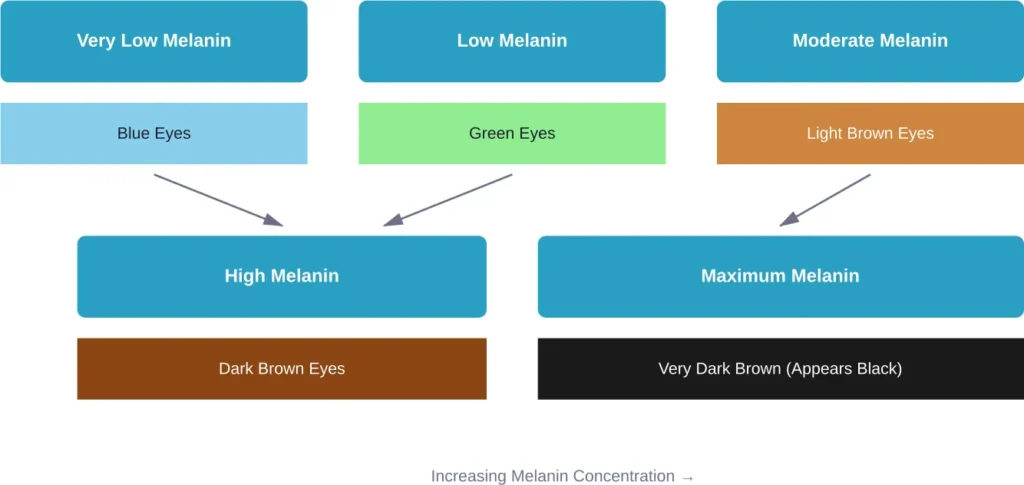
What appears as black eyes is almost always an extremely dark shade of brown. This happens when someone has exceptionally high concentrations of melanin—the pigment responsible for eye, skin, and hair color—packed into their iris stroma.
Here’s the thing though—even with maximum melanin density, the iris structure retains a brown hue. Under proper lighting conditions or ophthalmological examination, these “black” eyes reveal their true dark-brown nature.
The University of Delaware’s research on human genetics myths confirms that eye color involves multiple genes, not single-gene inheritance. This complex genetic network controls melanin production and distribution, but none of these genetic combinations produce genuinely black irises.
The Role of Melanin in Dark Eyes
Melanin exists in two forms within the iris: eumelanin (brown-black pigment) and pheomelanin (red-yellow pigment). Dark eyes contain predominantly eumelanin, with concentrations far exceeding those found in blue or green eyes.
When eumelanin saturates the iris stroma at maximum density, light absorption reaches its peak. This creates the visual impression of black eyes, especially in dim lighting or from a distance.
But the iris isn’t a solid structure. It contains layers, crypts, and furrows that scatter light differently. Even with intense pigmentation, some light reflection occurs—revealing brown undertones that distinguish these eyes from true black.
Why Do Some Eyes Appear Completely Black?
Several factors combine to create the illusion of black eyes:
Lighting Conditions Matter
Ambient light dramatically affects how dark eyes appear. In low-light environments, restaurants, or indoor settings, heavily pigmented brown eyes absorb nearly all visible light. Without sufficient illumination to reveal brown tones, these eyes look pitch black.
Step outside into bright sunlight, though, and the story changes. Natural light penetrates the iris layers, revealing warm brown, amber, or even slight honey undertones.
Pupil Size Creates Visual Illusions
The pupil—the actual black opening in the eye’s center—dilates in dim conditions and constricts in brightness. When pupils expand significantly, they occupy more of the visible eye area. This makes the surrounding dark iris blend visually with the pupil, strengthening the black appearance.
Contrast With the Sclera
The white sclera surrounding the iris creates stark contrast. Against this bright background, very dark brown irises appear even darker than they truly are—a visual phenomenon that tricks observers into perceiving black rather than brown.
How Common Are Very Dark Brown Eyes?
While true black eyes don’t exist, extremely dark brown eyes are remarkably common globally. Geographic and ethnic factors play significant roles in their prevalence.
Based on population studies, very dark brown eyes predominate in specific regions:
| Region/Population | Prevalence of Very Dark Brown Eyes | Genetic Factors |
|---|---|---|
| East Asia | 90%+ of population | High HERC2 and OCA2 gene expression |
| Southeast Asia | 90%+ of population | Multiple pigmentation genes |
| Africa | 90%+ of population | Maximum melanin production |
| Middle East | 70-85% of population | Regional genetic variations |
| Latin America | 60-75% of population | Mixed ancestry patterns |
| Europe | 5-15% of population | Lower melanin gene frequency |
These percentages reflect general trends. Individual genetic variation means exceptions occur within every population.
The Genetics Behind Dark Eyes
Eye color inheritance is far more complex than the simplified models taught in basic biology classes. The notion of dominant brown eyes and recessive blue eyes oversimplifies a multi-gene system.
According to research published in medical genetics journals, several key genes influence eye color:
Primary Genetic Players
OCA2 Gene: This gene provides instructions for producing the P protein, which regulates melanin production in melanocytes. Mutations in OCA2 can cause oculocutaneous albinism, an autosomal recessive disorder characterized by reduced or absent melanin in skin, hair, and eyes.
HERC2 Gene: Located adjacent to OCA2, HERC2 contains regulatory elements that control OCA2 expression. Specific variations in HERC2 strongly predict blue versus brown eye color. The IrisPlex forensic system uses six genetic markers, with HERC2 and OCA2 variations being most predictive.
Other contributing genes include SLC24A4, TYR, TYRP1, and SLC45A2. These genes interact in complex networks, creating the full spectrum of human eye colors.
Why Babies’ Eyes Change
Many infants are born with blue or gray eyes that darken over the first year of life. This happens because melanin production in the iris increases after birth.
Babies who develop very dark brown eyes show progressive melanin accumulation throughout infancy. By age three, most children have reached their permanent eye color, though subtle changes can continue into adolescence.

Medical Conditions That Can Darken the Iris
While genetics determine baseline eye color, certain medical conditions can alter iris pigmentation:
Alkaptonuria
According to MedlinePlus, alkaptonuria is an inherited condition causing ochronosis—a buildup of blue-black pigment in certain tissues. This rare metabolic disorder can deposit dark pigment in various body structures, though significant iris involvement is uncommon.
Iris Melanoma and Pigmented Lesions
The American Academy of Ophthalmology notes that iris pigmented lesions range from benign freckles to serious melanomas. Melanocytoma—a heavily pigmented, usually benign tumor—can appear as a very dark spot on the iris. While it carries small risk for transformation into melanoma, it’s frequently mistaken for malignant growth.
Any new darkening of the iris, especially if asymmetric or accompanied by vision changes, warrants immediate ophthalmological evaluation.
Medication-Induced Changes
Certain glaucoma medications, particularly prostaglandin analogs, can permanently darken iris color over months to years of use. This effect occurs more commonly in people with hazel or light brown eyes.
Health Advantages of Dark Eyes
Very dark brown eyes offer several natural protective benefits:
- Superior UV Protection: High melanin content absorbs more ultraviolet radiation, reducing damage to sensitive intraocular structures
- Reduced Photosensitivity: Dark eyes handle bright sunlight more comfortably than lighter colors, requiring less squinting
- Lower Macular Degeneration Risk: Some research suggests darker pigmentation may correlate with reduced age-related macular degeneration rates
- Better Glare Tolerance: Enhanced light absorption minimizes glare discomfort in high-brightness environments
That said, everyone should protect their eyes from excessive UV exposure through quality sunglasses, regardless of eye color.
Can You Change Very Dark Brown Eyes?
The desire to lighten or change eye color has led to various cosmetic procedures, but these carry significant risks.
Contact Lenses
Colored contact lenses safely and reversibly alter eye appearance. Modern lenses can even make very dark brown eyes appear blue, green, or lighter shades. This remains the safest cosmetic option.
Laser Depigmentation
Laser procedures claim to remove iris pigment, permanently lightening dark eyes. However, the American Academy of Ophthalmology issued warnings about these surgeries, citing serious safety concerns including vision loss, glaucoma, and inflammation.
Iris Implant Surgery
Cosmetic iris implants involve inserting colored silicone devices over the natural iris. The American Academy of Ophthalmology has strongly warned against this procedure due to severe complications including corneal damage, cataracts, glaucoma, and vision loss.
Real talk: no cosmetic benefit justifies risking your vision. Medical professionals universally recommend avoiding elective iris-altering surgeries.
Comparing Eye Colors: Rarity and Distribution
Understanding where very dark brown eyes fit in the global eye color spectrum provides useful context:
| Eye Color | Global Prevalence | Rarity Ranking | Primary Regions |
|---|---|---|---|
| Very Dark Brown | 55-79% worldwide | Most common | Asia, Africa, Middle East |
| Medium Brown | 10-15% worldwide | Common | Global distribution |
| Blue | 8-10% worldwide | Moderately rare | Northern Europe |
| Hazel/Light Brown | 5-8% worldwide | Moderately rare | Europe, Americas |
| Green | 2% worldwide | Rare | Northern/Central Europe |
| Gray | <1% worldwide | Very rare | Eastern Europe, Russia |
| Amber | <1% worldwide | Very rare | South America, Asia |
| Red/Violet | ~0.005% worldwide | Extremely rare | Albinism cases globally |
The Rarest Eye Colors
Green eyes rank as genuinely rare, appearing in only about 2% of the global population. This color results from low melanin combined with specific light scattering patterns in the iris stroma.
Red or violet eyes occur almost exclusively in people with albinism. According to medical sources, only about 1 in 20,000 people worldwide have albinism, and not all albino individuals display red or violet eyes. Sometimes minimal pigment creates a trace amount that can look violet in certain lighting, though this remains exceptionally uncommon.
Cultural Perceptions of Dark Eyes
Very dark brown eyes hold different cultural significance worldwide. In many Asian cultures, dark eyes represent beauty, wisdom, and connection to heritage. Literature and art from these regions celebrate deep, expressive dark eyes.
Western media has historically emphasized lighter eye colors, but global beauty standards have expanded. Fashion photography, cinema, and advertising increasingly showcase the natural beauty of very dark brown eyes.
Community discussions on social platforms reveal fascination with extreme eye colors—both very dark brown and rare shades like green or gray. Many individuals with dark eyes express pride in their distinctive coloring, while others seek cosmetic changes. These personal preferences reflect individual values rather than any objective superiority of one eye color over another.
Protecting Your Eye Health
Regardless of whether eyes appear black or any other shade, proper eye care remains essential:
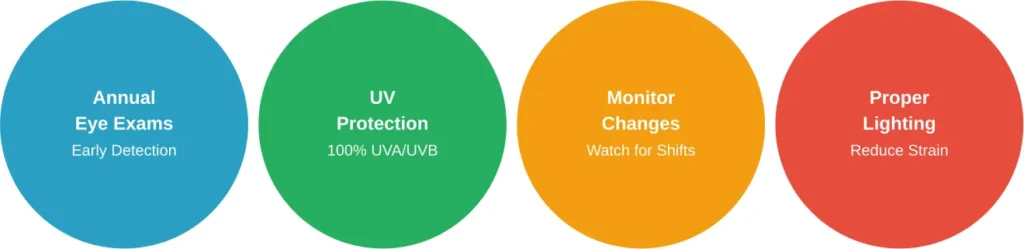
- Annual Eye Exams: Regular ophthalmological checkups detect problems early
- UV Protection: Quality sunglasses blocking 100% of UVA and UVB rays protect all eye colors
- Proper Lighting: Adequate illumination reduces eye strain during reading or screen time
- Monitor Changes: Any sudden iris color changes, vision alterations, or pain requires immediate medical attention
- Contact Lens Safety: Follow proper hygiene and replacement schedules for cosmetic or corrective lenses
Frequently Asked Questions
No, true black eyes don’t exist in humans. What appears black is actually very dark brown caused by extremely high melanin concentration. Under proper lighting or medical examination, these eyes always reveal brown tones. The iris structure doesn’t support genuine black pigmentation in any known human genetic variation.
The difference is semantic rather than biological. “Black eyes” is a colloquial description of irises with maximum melanin density that appear black in normal conditions. Medically and scientifically, these are classified as very dark brown eyes because they contain brown eumelanin pigment, not true black coloring.
No, very dark brown eyes are the most common eye color globally, present in 55-79% of the world’s population. They’re especially prevalent in Asia, Africa, and the Middle East. In contrast, genuinely rare eye colors include green (2% worldwide) and gray (less than 1%).
Eye color typically stabilizes by age three and remains constant throughout life. However, certain conditions can cause subtle changes. Some people notice slight lightening with age due to decreased melanin production. Significant natural lightening is uncommon. Medical conditions or medications can also affect iris pigmentation.
Eye color doesn’t affect visual acuity or how the brain processes images. However, dark eyes handle bright light more comfortably due to higher melanin absorption of excess light. This can reduce glare sensitivity and photosensitivity compared to lighter eye colors, but visual clarity remains the same.
No. The American Academy of Ophthalmology has issued warnings against cosmetic iris-altering procedures including laser depigmentation and iris implant surgery. These procedures carry serious risks including glaucoma, cataracts, corneal damage, inflammation, and permanent vision loss. Colored contact lenses remain the only safe cosmetic option.
Many infants are born with blue or gray eyes because melanin production in the iris hasn’t reached full capacity. After birth, melanocytes continue producing melanin, progressively darkening the iris. This process typically completes by age three, though subtle changes can continue into adolescence based on genetic programming.
Conclusion: Embracing Natural Eye Color
The mystery of “black eyes” reveals a fascinating truth: what we perceive as black is actually nature’s darkest brown, created through maximum melanin concentration in the iris. These beautiful, expressive eyes represent the most common eye color worldwide, yet they continue to captivate and intrigue.
Understanding the science behind eye color helps appreciate the complex genetic networks that create human diversity. From the regulatory control of HERC2 to the melanin production managed by OCA2, multiple genes orchestrate the pigmentation that makes each person’s eyes unique.
Whether your eyes appear black, brown, blue, or any shade in between, they deserve proper care and protection. Schedule regular eye exams, wear UV-protective sunglasses, and monitor any changes in color or vision.
And if you’re considering cosmetic eye color changes, stick with safe, reversible contact lenses. No cosmetic alteration is worth risking your precious vision. Your natural eye color—whatever shade it may be—tells the story of your genetic heritage and remains part of what makes you uniquely you.