
Quick Summary: Losing 10 pounds in a month is technically possible but not recommended for most people. According to the CDC, healthy weight loss occurs at 1-2 pounds per week, making 4-8 pounds per month more realistic and sustainable. While 10-pound monthly losses can happen with aggressive calorie restriction and intense exercise, this pace often leads to muscle loss, nutritional deficiencies, and weight regain.
The question pops up constantly in fitness forums and doctor’s offices: can someone really drop 10 pounds in just 30 days?
The answer is more complicated than a simple yes or no. While technically achievable for some people, this aggressive timeline often conflicts with what health organizations consider safe and sustainable.
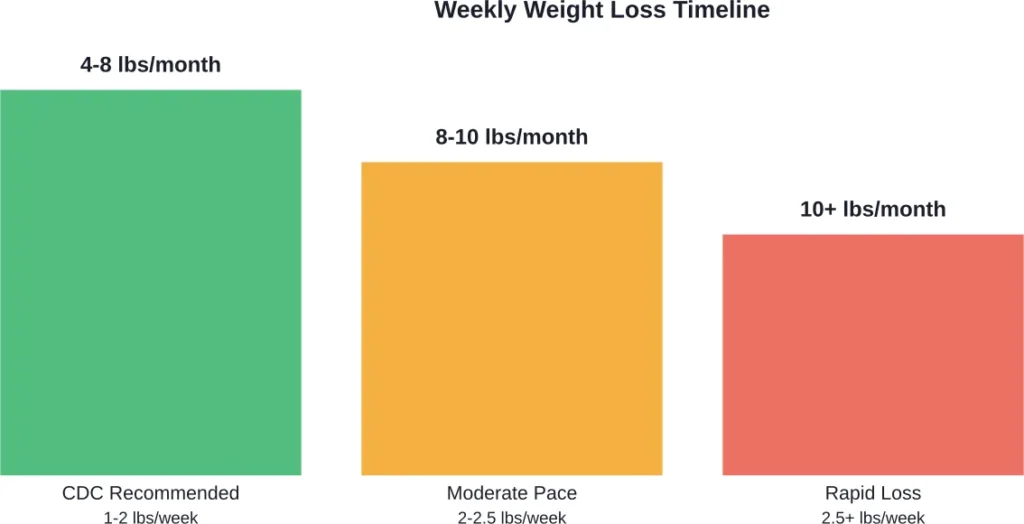
According to the CDC, people who lose weight at a gradual, steady pace—about 1 to 2 pounds a week—are more likely to keep the weight off than people who lose weight quicker. That translates to 4-8 pounds per month for most individuals—not quite the 10-pound goal many people chase.
But here’s the thing: those numbers represent averages. Individual results vary based on starting weight, metabolism, activity level, and adherence to lifestyle changes. Someone carrying significant excess weight might lose 10 pounds more easily than someone already close to their ideal body weight.
This guide examines what science actually says about monthly weight loss targets, when 10 pounds might be realistic, and how to approach weight reduction in a way that sticks.
What Health Organizations Say About Safe Weight Loss
The CDC maintains clear guidelines on healthy weight reduction. Their research consistently points to 1-2 pounds per week as the optimal rate for long-term success.
Why that specific range? Losing weight at a gradual, steady pace helps preserve lean muscle mass while targeting fat stores. Rapid weight loss often means shedding water weight and muscle alongside fat—not exactly the outcome most people want.
According to the National Library of Medicine, rapid weight loss qualifies as losing more than 2 pounds per week over several weeks. These approaches require eating very few calories and come with their own set of complications.
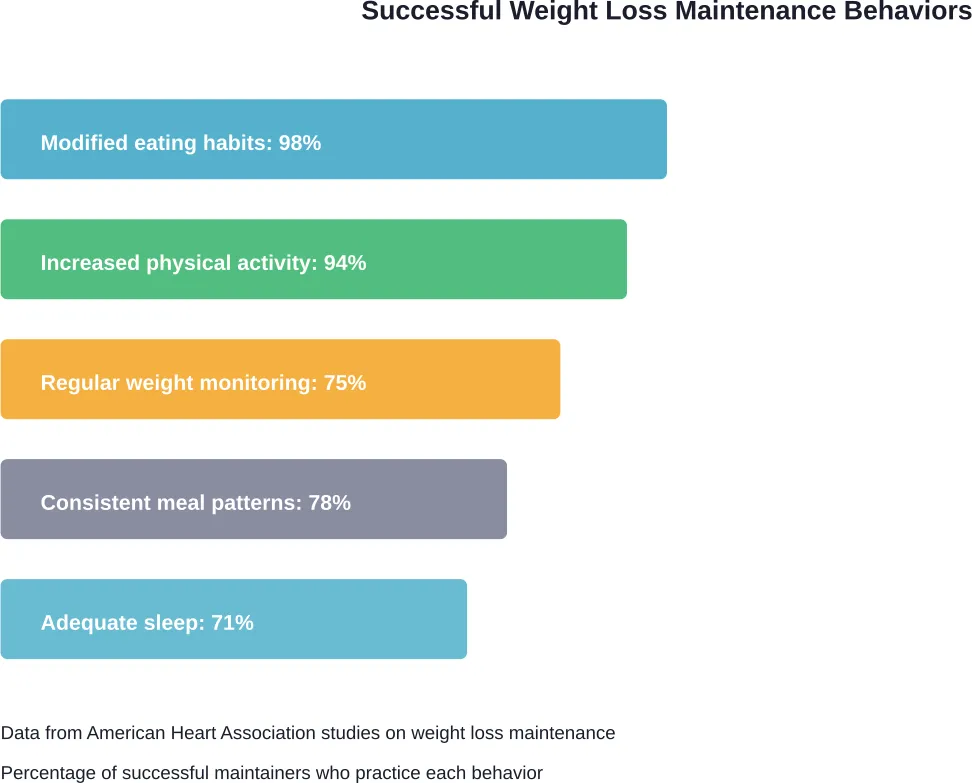
The American Heart Association echoes similar guidance. Their data shows that 98% of people who successfully maintain weight loss have modified their eating habits, while 94% have increased their physical activity.
The Math Behind Monthly Weight Loss
One pound of body fat contains approximately 3,500 calories. To lose that pound, someone needs to create a 3,500-calorie deficit through reduced food intake, increased exercise, or both.
For 10 pounds in a month (roughly 30 days), the math gets aggressive. That’s a total deficit of 35,000 calories—or about 1,167 calories per day.
Most adults burn somewhere between 1,600 and 2,400 calories daily at rest, depending on age, sex, and body composition. Creating an 1,167-calorie daily deficit would require eating very little while exercising intensely—a combination that’s neither pleasant nor sustainable for most people.
When Losing 10 Pounds in a Month Might Be Realistic
Not everyone faces the same weight loss challenges. Starting weight plays a massive role in how quickly pounds come off.
According to the CDC, even modest weight loss helps improve health markers. For someone weighing 200 pounds, a 5% reduction equals 10 pounds—and this amount can lower blood pressure, cholesterol, and blood sugar levels.
People with higher body mass indexes often experience faster initial weight loss. Someone starting at 250 pounds might reasonably lose 10 pounds in their first month through consistent lifestyle changes. That same pace would be much harder for someone weighing 150 pounds.
The Role of Water Weight
Initial weight loss often includes significant water weight reduction. When carbohydrate intake drops, the body depletes glycogen stores. Each gram of glycogen holds about 3 grams of water.
This explains why many diets produce dramatic results in week one. But that 5-pound drop isn’t all fat—much of it is water and glycogen.
Real talk: this water weight comes back when normal eating resumes. It’s not actual fat loss, which makes those early numbers somewhat misleading.
Effective Strategies for Sustainable Weight Loss
Forget extreme deprivation. Research shows that sustainable weight loss comes from manageable lifestyle adjustments, not punishment-based dieting.
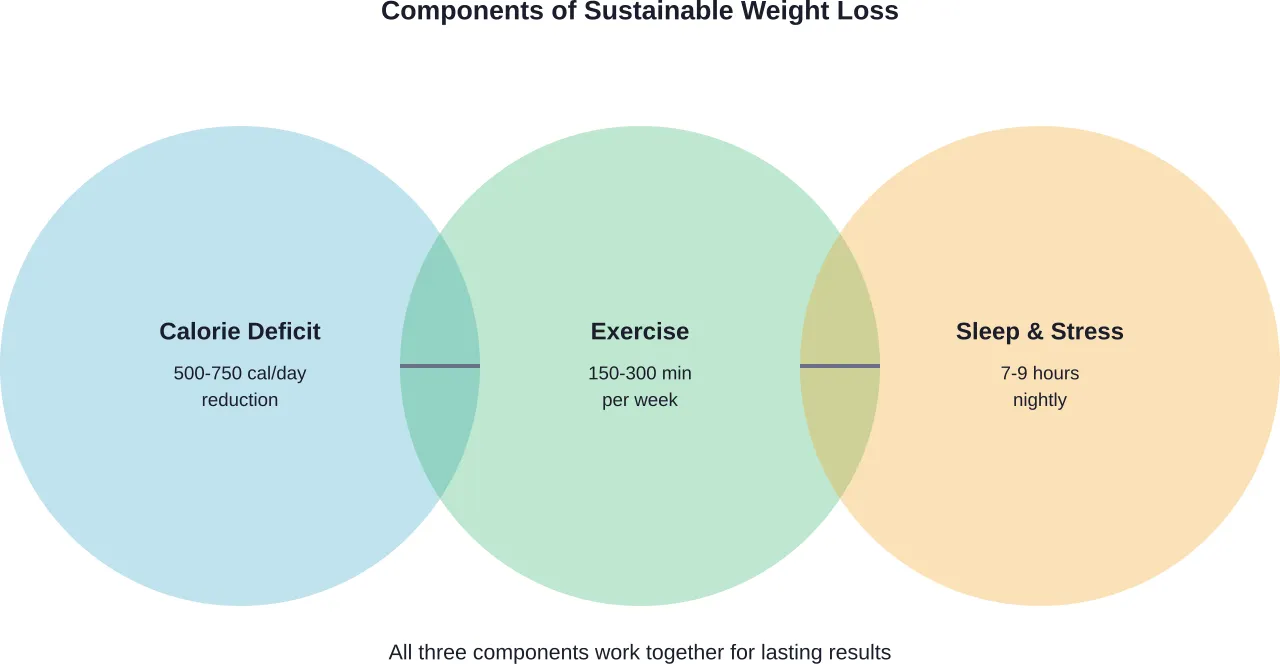
The CDC outlines five core steps for healthy weight reduction: making a specific plan, following healthy eating patterns, engaging in regular physical activity, getting adequate sleep, and managing stress effectively.
Here’s what that actually looks like in practice.
Creating a Calorie Deficit Without Misery
A moderate calorie deficit of 500-750 calories per day supports steady fat loss without triggering excessive hunger or metabolic slowdown.
For most adults, this means consuming 1,500-1,800 calories daily, though individual needs vary. Rather than obsessively counting every calorie, focus on food quality first.
Protein-rich foods, vegetables, fruits, and whole grains provide satiety with fewer calories compared to processed foods. This natural calorie reduction feels less restrictive than arbitrary portion cutting.
Physical Activity That Actually Moves the Needle
According to CDC guidelines, adults need at least 150 minutes of moderate-intensity aerobic activity weekly. That breaks down to 30 minutes daily, five days per week.
Research indicates that overweight adults who burned 400–600 calories through cardio five days weekly achieved significant weight loss. Current guidelines suggest 150-300 minutes of moderate-intensity or 70-150 minutes of vigorous-intensity exercise each week.
Muscle-strengthening activities on two or more days weekly complete the picture. Building lean muscle increases resting metabolic rate, meaning the body burns more calories even at rest.
Walking remains one of the most accessible and effective activities. Brisk walking for 30 minutes burns approximately 140 calories for a 154 lb person, or about 280 calories per hour—and requires no equipment or gym membership.
What Actually Happens With Rapid Weight Loss
Losing weight too quickly comes with consequences. The body doesn’t distinguish between intentional calorie restriction and actual starvation—it responds to both similarly.
Muscle tissue breaks down alongside fat stores during aggressive dieting. Since muscle burns more calories than fat tissue, losing muscle actually slows metabolism, making future weight loss harder.
Research from the National Library of Medicine indicates that a 10-day fast shows protein loss occurs early but decreases as ketogenesis increases. However, this doesn’t make extended fasting a smart strategy for most people.
Nutritional Deficiencies and Health Risks
Very low-calorie diets often fail to provide adequate vitamins, minerals, and essential nutrients. Prolonged restriction can lead to fatigue, hair loss, weakened immune function, and hormonal disruptions.
Gallstone formation increases with rapid weight loss. The liver secretes extra cholesterol into bile when breaking down large amounts of body fat quickly, potentially forming stones.
According to research on long-term weight maintenance, Research indicates that maintaining weight loss long-term is challenging for most individuals.
The pattern is clear: aggressive approaches rarely produce lasting results.
A More Realistic Monthly Weight Loss Target
So what should someone actually aim for? The CDC’s recommendation of 1-2 pounds weekly translates to 4-8 pounds monthly for most individuals.
This pace might not sound as exciting as “10 pounds in 30 days,” but it offers something better: sustainability.
Losing 6 pounds in a month through consistent habits beats losing 10 pounds through miserable restriction, only to regain 15 pounds over the following two months.
| Approach | Monthly Loss | Sustainability | Muscle Preservation |
|---|---|---|---|
| CDC Recommended (1-2 lbs/week) | 4-8 pounds | High | Excellent |
| Moderate Aggressive (2-2.5 lbs/week) | 8-10 pounds | Moderate | Good |
| Rapid Loss (2.5+ lbs/week) | 10+ pounds | Low | Poor |
Adjusting Expectations Based on Starting Point
Someone with 100 pounds to lose faces a different situation than someone hoping to drop the last 10 pounds before vacation.
Higher starting weights typically correlate with faster initial loss. As body weight decreases, the rate naturally slows. This progression is normal and expected.
For individuals already at a relatively healthy weight, losing even 5 pounds monthly represents excellent progress.
Building Habits That Support Long-Term Success
According to CDC research, among people who lost weight and maintained weight loss for a year, most continued to eat a diet with fewer calories than their pre-weight loss diet, stayed physically active, and monitored their weight regularly.
These aren’t temporary diet rules—they’re permanent lifestyle adjustments.
The Sleep Connection
Sleep deprivation disrupts hormones that regulate hunger and satiety. Ghrelin (the hunger hormone) increases while leptin (the fullness hormone) decreases when sleep is inadequate.
The CDC includes adequate sleep as one of its five core steps for healthy weight management. Aim for 7-9 hours nightly.
Stress Management Matters
Chronic stress elevates cortisol, a hormone that promotes fat storage, particularly around the midsection. Stress also triggers emotional eating patterns that sabotage calorie control.
The CDC emphasizes stress management alongside nutrition and exercise. Meditation, yoga, regular breaks, and social connection all help manage stress levels.
Practical Steps to Start Today
Ready to begin? Here’s how to structure an approach that works.
Start by calculating current calorie intake. Track food for three days without changing eating patterns. This baseline reveals where excess calories hide.
Next, identify 300-500 calories to eliminate daily. Look for low-hanging fruit: sugary beverages, large portions, frequent snacking, or high-calorie condiments.
Add 150 minutes of moderate exercise weekly. Break this into manageable chunks: three 50-minute sessions or five 30-minute walks.
Prioritize protein at each meal. Protein increases satiety and helps preserve muscle during weight loss. Aim for 25-30 grams per meal for most adults.
Tracking Progress Beyond the Scale
Body weight fluctuates daily due to water retention, sodium intake, hormonal changes, and digestive contents. Weighing daily and obsessing over small fluctuations creates unnecessary stress.
Instead, track weekly averages. Weigh at the same time under similar conditions (like Monday mornings after using the bathroom), then compare week-to-week trends.
Measurements matter too. Take circumference measurements at the waist, hips, and thighs monthly. Sometimes body composition improves even when scale weight stays constant.
Energy levels, clothing fit, physical performance, and health markers like blood pressure provide additional progress indicators beyond pounds lost.
Common Mistakes That Stall Progress
Even well-intentioned efforts can backfire. Watch for these common pitfalls.
Underestimating portion sizes ranks among the most frequent issues. Eyeballing portions often leads to consuming 30-50% more than intended. Measuring tools or a food scale improve accuracy during the initial learning phase.
Overestimating exercise calories burned presents another problem. Fitness trackers and cardio machines frequently inflate calorie burn estimates. Don’t eat back all estimated exercise calories.
Weekend splurges undo weekday progress. Staying consistent seven days weekly produces better results than strict weekday restriction followed by weekend excess.
The Plateau Problem
Weight loss rarely follows a linear downward trajectory. Plateaus happen to everyone.
As body weight decreases, calorie needs drop too. The deficit that worked initially may need adjustment after 10-20 pounds of loss.
Plateaus lasting 2-3 weeks are normal. Genuine stalls lasting longer might require recalculating calorie needs or increasing activity levels.
When Professional Guidance Helps
Some situations call for expert support rather than solo efforts.
People with significant amounts to lose (50+ pounds), those with obesity-related health conditions, or individuals who’ve repeatedly tried and failed to lose weight often benefit from medical supervision.
Registered dietitians create personalized meal plans that account for medical conditions, food preferences, and lifestyle factors. They provide accountability and troubleshooting when progress stalls.
Behavioral therapists help address emotional eating, stress eating, and psychological barriers to weight loss. Since weight management involves changing deeply ingrained habits, professional support in this area can be transformative.
| Professional | Best For | Services Provided |
|---|---|---|
| Registered Dietitian | Personalized nutrition planning | Meal plans, nutrient timing, condition-specific guidance |
| Personal Trainer | Exercise program design | Workout routines, form correction, progression planning |
| Behavioral Therapist | Emotional eating patterns | Cognitive strategies, habit formation, stress management |
| Physician | Medical weight management | Health screening, medication options, complication management |
The Bottom Line on Losing 10 Pounds Monthly
Can someone lose 10 pounds in a month? Yes, under certain circumstances—particularly with higher starting weights or very aggressive calorie restriction.
Should someone aim for 10 pounds monthly? Probably not.
The CDC’s recommendation of 1-2 pounds weekly exists for good reason. This pace supports fat loss while preserving muscle, provides adequate nutrition, and produces sustainable results.
For most people, a realistic monthly target falls between 4-8 pounds. This might not satisfy the desire for rapid transformation, but it delivers something better: lasting change.
Weight lost gradually through reasonable lifestyle adjustments stays off. Weight lost through extreme measures typically returns—often with extra pounds added.
The choice between short-term results and long-term success determines which approach makes sense.
Frequently Asked Questions
According to CDC guidelines, healthy weight loss occurs at 1-2 pounds per week, translating to 4-8 pounds monthly for most people. Individuals with higher starting weights may lose more initially, while those closer to ideal body weight typically lose less. This pace preserves muscle mass, provides adequate nutrition, and produces sustainable results.
Rapid weight loss often results in muscle tissue breakdown alongside fat loss, slowing metabolism and making future weight loss harder. Other consequences include nutritional deficiencies, fatigue, hormonal disruptions, increased gallstone risk, and a higher likelihood of regaining lost weight. The body doesn’t distinguish between intentional restriction and starvation, responding to both with metabolic adaptations that hinder long-term success.
Losing 10 pounds requires a total calorie deficit of approximately 35,000 calories (10 pounds × 3,500 calories per pound), which equals about 1,167 calories daily. This aggressive deficit is difficult to maintain and often leads to excessive hunger, muscle loss, and metabolic slowdown. A more sustainable approach creates a 500-750 calorie daily deficit, supporting 1-1.5 pounds of weekly weight loss.
Yes, walking 30 minutes daily supports weight loss when combined with appropriate calorie intake. Brisk walking burns approximately 150-200 calories per session for most adults. The CDC recommends at least 150 minutes of moderate-intensity aerobic activity weekly, which 30-minute daily walks easily satisfy. Community discussions and studies show consistent walking helps with both weight loss and maintenance.
Initial weight loss often includes significant water weight from depleted glycogen stores. As this water loss tapers off, the pace naturally slows to reflect actual fat loss. Additionally, as body weight decreases, calorie needs drop, reducing the deficit created by the same eating and exercise patterns. This is normal physiological adaptation, not a sign that efforts aren’t working.
Weight loss is technically possible through calorie restriction alone, but exercise provides important benefits beyond calorie burning. Physical activity preserves lean muscle mass during weight loss, improves metabolic health, enhances mood, and increases the likelihood of maintaining lost weight. According to the American Heart Association, 94% of people who successfully maintain weight loss have increased their physical activity, especially walking.
Sustainable weight loss diets emphasize whole foods including lean proteins, vegetables, fruits, whole grains, and healthy fats while limiting processed foods, added sugars, and excessive portions. The American Heart Association notes that 98% of successful weight loss maintainers have modified their eating habits. Focus on foods that provide satiety with reasonable calorie content rather than following restrictive diet rules that feel unsustainable.
Taking the Next Step
Sustainable weight loss doesn’t require perfection or extreme measures. It requires consistency with reasonable habits over time.
Start with one or two changes this week. Add a 30-minute walk most days. Swap sugary drinks for water. Include protein at breakfast. Build from there.
Track weekly averages, not daily fluctuations. Celebrate non-scale victories like improved energy and better sleep. Adjust strategies when progress stalls.
The goal isn’t just losing 10 pounds—it’s building a lifestyle that supports lasting health improvements. That journey looks different for everyone, progresses at different rates, and requires patience with the process.
But it works. And it lasts.