
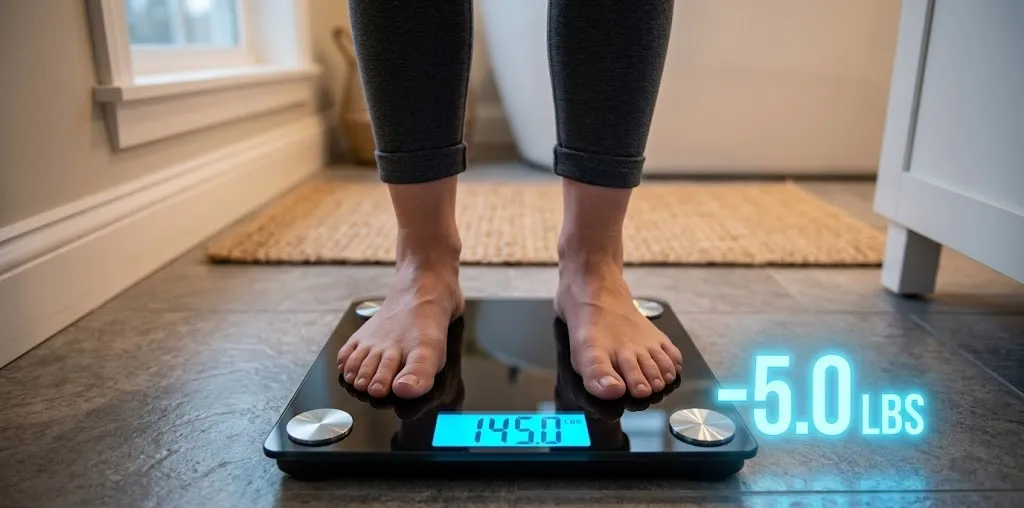
Quick Summary: Gaining 5 pounds in a week is possible, but it’s almost never actual fat. Weight fluctuations this rapid typically result from water retention, increased food volume in the digestive system, higher sodium intake, hormonal changes, or medication effects—not fat gain, which requires consuming thousands of extra calories above maintenance levels.
Step on the scale Monday morning: 145 pounds. Step on again the following Monday: 150 pounds. Panic sets in.
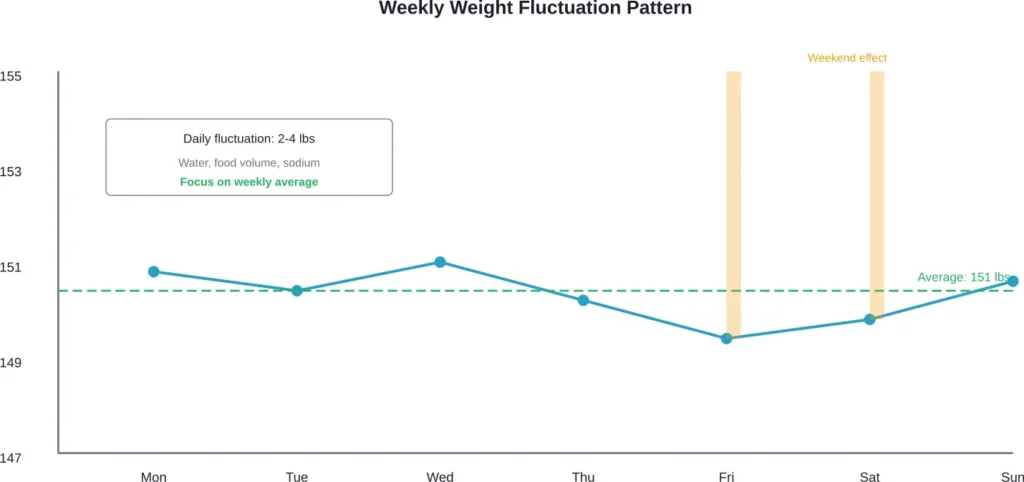
But here’s the thing—weight gain that appears overnight or within a few days rarely represents actual fat accumulation. Body weight fluctuates constantly, and according to health experts, weight can shift by as much as five or six pounds in a single day depending on various factors.
Understanding what’s really happening when the scale jumps can save unnecessary stress and help identify when rapid weight gain signals something that needs medical attention.
The Math Behind Fat Gain: Why 5 Pounds of Fat Is Nearly Impossible
Real fat gain follows specific mathematical rules. One pound of body fat equals approximately 3,500 calories of stored energy.
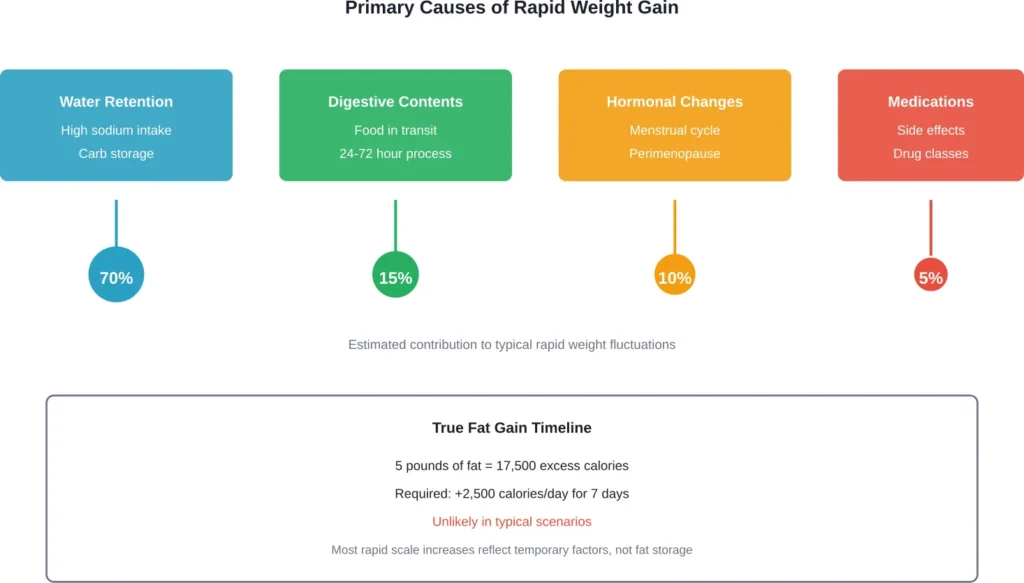
To gain five pounds of actual fat in seven days, someone would need to consume 17,500 calories above their maintenance level—that’s an extra 2,500 calories per day on top of what the body already burns.
For context, if maintenance calories sit around 2,000 daily, gaining five pounds of fat would require eating 4,500 calories every single day for a week. That’s not just overeating at dinner. That’s sustained, extreme caloric surplus that most people couldn’t physically achieve even if they tried.
The numbers simply don’t add up for typical situations where someone notices sudden scale increases.
What Actually Causes Rapid Weight Gain
When weight jumps quickly, several factors are usually at play—none of them fat accumulation.
Water Retention: The Primary Culprit
Water weight accounts for most rapid scale fluctuations. The human body can retain several pounds of water depending on diet, activity, and hormonal factors.
Sodium intake plays a major role. According to the CDC, more than 70% of the sodium Americans consume comes from packaged and prepared foods. High sodium consumption causes the body to hold extra water to maintain proper fluid balance.
High-sodium meals can trigger water retention, though the timeline varies by individual. This explains why a weekend of restaurant meals often correlates with Monday morning scale spikes.
Carbohydrate consumption also affects water storage. Each gram of glycogen (stored carbohydrate) binds with approximately three grams of water. After a carb-heavy period, muscles hold more glycogen plus the accompanying water—resulting in higher scale numbers without any fat gain.
Digestive System Contents
Food doesn’t immediately disappear after swallowing. The digestive process takes 24-72 hours from consumption to elimination.
At any given time, several pounds of food and waste material sit inside the digestive tract. Eating larger meals or foods higher in fiber increases this temporary weight, which shows up on the scale but obviously isn’t body fat.
This explains why morning weigh-ins typically show lower numbers than evening ones—the body has processed and eliminated more material overnight.
Hormonal Fluctuations
Hormones significantly impact water retention and weight fluctuation, particularly for women experiencing menstrual cycles.
Estrogen and progesterone levels shift throughout the month, affecting how much fluid the body retains. Many women notice 3-5 pound weight increases in the week before menstruation, which typically resolves once the period begins.
Perimenopause introduces additional hormonal variability. As one user noted in community discussions, erratic periods and hormonal changes during perimenopause can cause frustrating weight fluctuations even when diet and exercise remain consistent.
Medication Effects
Certain medications cause weight gain as a documented side effect. According to medical research, classes of drugs known to affect body weight include beta-receptor antagonists, antipsychotic medications, corticosteroids, and neurotropic drugs.
Research shows that weight gain in the first month after starting treatment strongly predicts long-term weight gain. A 5% increase above baseline weight after beginning certain medications warrants discussion with a healthcare provider about alternatives.
Common medications linked to weight changes include some antidepressants, mood stabilizers, diabetes medications, and blood pressure drugs.
Medical Conditions That Cause Unexplained Weight Gain
While most rapid weight gain stems from benign causes, certain medical conditions can trigger genuine, unexplained increases that require attention.
Heart Failure and Fluid Retention
Heart failure prevents the heart from pumping blood efficiently, causing fluid to accumulate in tissues. This manifests as rapid weight gain—sometimes dramatic amounts.
Medical case reports document patients retaining 40 kilograms of fluid due to heart conditions, demonstrating how severe fluid retention can become when cardiac function deteriorates.
Warning signs accompanying heart-related weight gain include shortness of breath, swelling in legs and ankles, and persistent coughing.
Kidney Problems
Kidneys regulate fluid balance in the body. When kidney function declines, fluid retention occurs, leading to weight increases.
According to MedlinePlus, kidney disease ranks among the medical conditions that can cause unintentional weight gain through fluid accumulation and metabolic changes.
Thyroid Disorders
Hypothyroidism (underactive thyroid) slows metabolism, making weight management difficult. While thyroid conditions typically cause gradual weight changes rather than sudden jumps, untreated hypothyroidism contributes to unexplained weight gain over time.
Cushing’s Syndrome
This condition results from prolonged exposure to high cortisol levels. Cushing’s syndrome causes characteristic weight gain patterns, particularly around the midsection, face, and upper back.
Polycystic Ovary Syndrome (PCOS)
PCOS affects hormone levels and metabolism, making weight gain more likely. Women with PCOS often struggle with weight management due to insulin resistance and hormonal imbalances.
| Condition | Weight Gain Pattern | Additional Symptoms |
|---|---|---|
| Heart Failure | Rapid, fluid-based | Shortness of breath, leg swelling, fatigue |
| Kidney Disease | Fluid retention | Reduced urination, swelling, fatigue |
| Hypothyroidism | Gradual increase | Fatigue, cold sensitivity, dry skin |
| Cushing’s Syndrome | Central obesity | Round face, purple stretch marks, weakness |
| PCOS | Gradual, resistant | Irregular periods, excess hair growth, acne |
Lifestyle Factors Behind Weight Fluctuations
Beyond medical conditions, everyday lifestyle factors create weight variations that show up on the scale.
Exercise and Muscle Inflammation
Starting a new workout routine or increasing exercise intensity causes temporary weight gain. Muscles retain fluid as part of the repair process after challenging workouts.
This inflammation-related water retention is protective and temporary, typically resolving within a few days as muscles adapt.
Sleep Deprivation
Poor sleep affects hormones that regulate hunger and satiety. Sleep deprivation increases cortisol levels and disrupts leptin and ghrelin—hormones controlling appetite.
Research has examined the relationship between sleep duration and insulin sensitivity, with findings suggesting sleep affects metabolic health and weight regulation.
Stress
According to the CDC, stress reduction represents one component of achieving and maintaining healthy weight alongside nutrition, physical activity, and sleep.
Chronic stress elevates cortisol, which promotes fluid retention and can drive increased food intake, particularly of high-calorie comfort foods.
Alcohol Consumption
Alcohol causes dehydration, prompting the body to retain water. Alcoholic beverages also contain calories that add up quickly without providing satiety.
A night of drinking can easily result in 2-3 pound scale increases the following morning due to the combination of extra calories, dehydration response, and often accompanying high-sodium food choices.
When Rapid Weight Gain Requires Medical Attention
Most short-term weight fluctuations don’t warrant concern. But certain patterns and accompanying symptoms signal the need for medical evaluation.
Seek healthcare provider consultation when experiencing:
- Sustained weight gain of more than 5 pounds weekly for multiple consecutive weeks
- Rapid weight gain accompanied by shortness of breath or difficulty breathing
- Significant swelling in legs, ankles, or abdomen
- Weight gain with persistent fatigue, weakness, or other unexplained symptoms
- Sudden weight increase after starting new medications
According to medical guidance, unintentional weight gain—defined as gaining weight without trying through increased food intake or decreased activity—deserves medical investigation to rule out underlying conditions.
How to Manage Normal Weight Fluctuations
Understanding that scale numbers fluctuate helps prevent unnecessary anxiety about normal variations.
Weigh Strategically
For accurate tracking, weigh at the same time under consistent conditions. Morning weigh-ins after using the bathroom and before eating provide the most consistent baseline.
Daily weighing helps some people recognize normal fluctuation patterns, while others find weekly weigh-ins less stressful.
Track Trends, Not Individual Data Points
A single weigh-in doesn’t tell the full story. Weight trends over weeks and months matter more than day-to-day variations.
Apps and tracking tools that calculate moving averages help visualize actual trends while filtering out daily noise from water retention and other temporary factors.
Consider Other Metrics
Scale weight represents just one measurement. Body composition, how clothes fit, energy levels, and physical performance provide additional valuable feedback about health and fitness progress.
Many people maintaining consistent exercise and nutrition routines notice body composition improvements even when scale weight remains stable or increases slightly due to muscle gain.
Maintain Consistent Habits
According to the CDC, healthy weight maintenance includes mindful eating, adequate nutrition, physical activity, sufficient sleep, and stress management.
The agency recommends adults engage in regular physical activity, with guidelines suggesting both aerobic exercise and strength training as part of comprehensive fitness programs.
The Role of Muscle Versus Fat
Not all weight changes reflect fat gain or loss. Body composition shifts matter more than scale numbers alone.
According to Harvard Health, starting in middle age, people lose about 1% of muscle mass per year. This muscle loss affects both strength and metabolism, since smaller muscles burn fewer calories at rest.
Conversely, strength training can increase muscle mass while reducing body fat. Someone gaining muscle while losing fat might see minimal scale changes despite significant body composition improvements.
Mayo Clinic identifies strength training as a key component of overall health and fitness. Benefits include increased lean muscle mass, improved bone density, and more efficient calorie burning.
Creating Healthy Weight Management Habits
Rather than fixating on short-term scale fluctuations, long-term sustainable habits support healthy weight management.
Nutrition Foundations
The CDC recommends eating plans that include variety and nutrient-dense foods. Healthy eating patterns emphasize vegetables, fruits, whole grains, lean proteins, and healthy fats while limiting added sugars, saturated fats, and excess sodium.
According to recent CDC guidance on healthy eating, focusing on whole, nutrient-dense foods rather than processed options supports both health and weight management goals.
Physical Activity Requirements
The CDC provides specific physical activity recommendations. Adults benefit from regular movement, with guidelines suggesting both cardiovascular exercise and muscle-strengthening activities.
According to CDC guidelines, children and adolescents aged 6 to 17 need 60 minutes or more of moderate-to-vigorous intensity physical activity daily, including aerobic, muscle-strengthening, and bone-strengthening activities.
Sleep and Stress Management
Optimal sleep and stress reduction represent important factors in weight management according to CDC guidance on maintaining healthy weight.
Sleep deprivation and chronic stress both affect hormones that regulate appetite and metabolism, making weight management more challenging when these factors aren’t addressed.
Frequently Asked Questions
No, gaining five pounds of actual fat in one week is extremely unlikely. It would require consuming 17,500 calories above maintenance level—an extra 2,500 calories daily for seven days. Most rapid weight increases reflect water retention, increased digestive contents, or other temporary factors rather than fat accumulation.
Overnight weight gain stems from water retention, not fat. Common causes include high sodium intake from restaurant or processed foods, increased carbohydrate consumption (which causes muscles to store extra water with glycogen), hormonal fluctuations, alcohol consumption, or simply the weight of food and fluid consumed that hasn’t yet been eliminated.
Water weight typically resolves within 2-5 days once the trigger (excess sodium, carbohydrates, alcohol, or hormonal factors) normalizes. Drinking adequate water, reducing sodium intake, and maintaining regular physical activity help eliminate excess water retention more quickly.
Seek medical evaluation if experiencing sustained weight gain over multiple weeks without dietary changes, rapid weight gain with shortness of breath or significant swelling in legs and ankles, unexplained weight increase with persistent fatigue or other symptoms, or sudden weight changes after starting new medications. These patterns may indicate underlying medical conditions requiring treatment.
Muscle tissue is denser than fat tissue, meaning muscle occupies less space than the same weight of fat. Someone gaining muscle while losing fat might see minimal scale changes despite significant body composition improvements and visible physical changes. This explains why scale weight alone doesn’t tell the complete story about health or fitness progress.
Optimal weighing frequency varies individually. Daily morning weigh-ins help some people understand normal fluctuation patterns and track trends, while others find weekly weigh-ins less stressful and more motivating. Regardless of frequency, weighing at the same time under consistent conditions provides the most accurate data for tracking actual trends rather than temporary variations.
Yes, certain medication classes cause weight gain as a documented side effect, including some antipsychotic drugs, antidepressants, corticosteroids, beta-blockers, and diabetes medications. Research shows that weight gain during the first month of treatment predicts long-term weight changes. A 5% increase above baseline weight after starting medication warrants discussion with a healthcare provider about alternatives or management strategies.
Understanding Your Weight: Final Thoughts
That five-pound jump on the scale almost certainly doesn’t represent actual fat gain. Weight fluctuates constantly due to water retention, food volume in the digestive system, hormonal changes, and numerous other temporary factors.
Understanding these fluctuations prevents unnecessary stress and helps distinguish between normal variations and patterns that warrant medical attention. Real fat gain follows specific mathematical requirements that make rapid accumulation unlikely in typical scenarios.
Focus on sustainable habits rather than daily scale numbers. According to the CDC, achieving and maintaining healthy weight includes balanced nutrition, regular physical activity, adequate sleep, and stress management—not perfect scale readings every morning.
Track long-term trends rather than individual data points, consider multiple health metrics beyond weight alone, and consult healthcare providers when weight changes accompany other concerning symptoms or persist despite consistent healthy habits.