
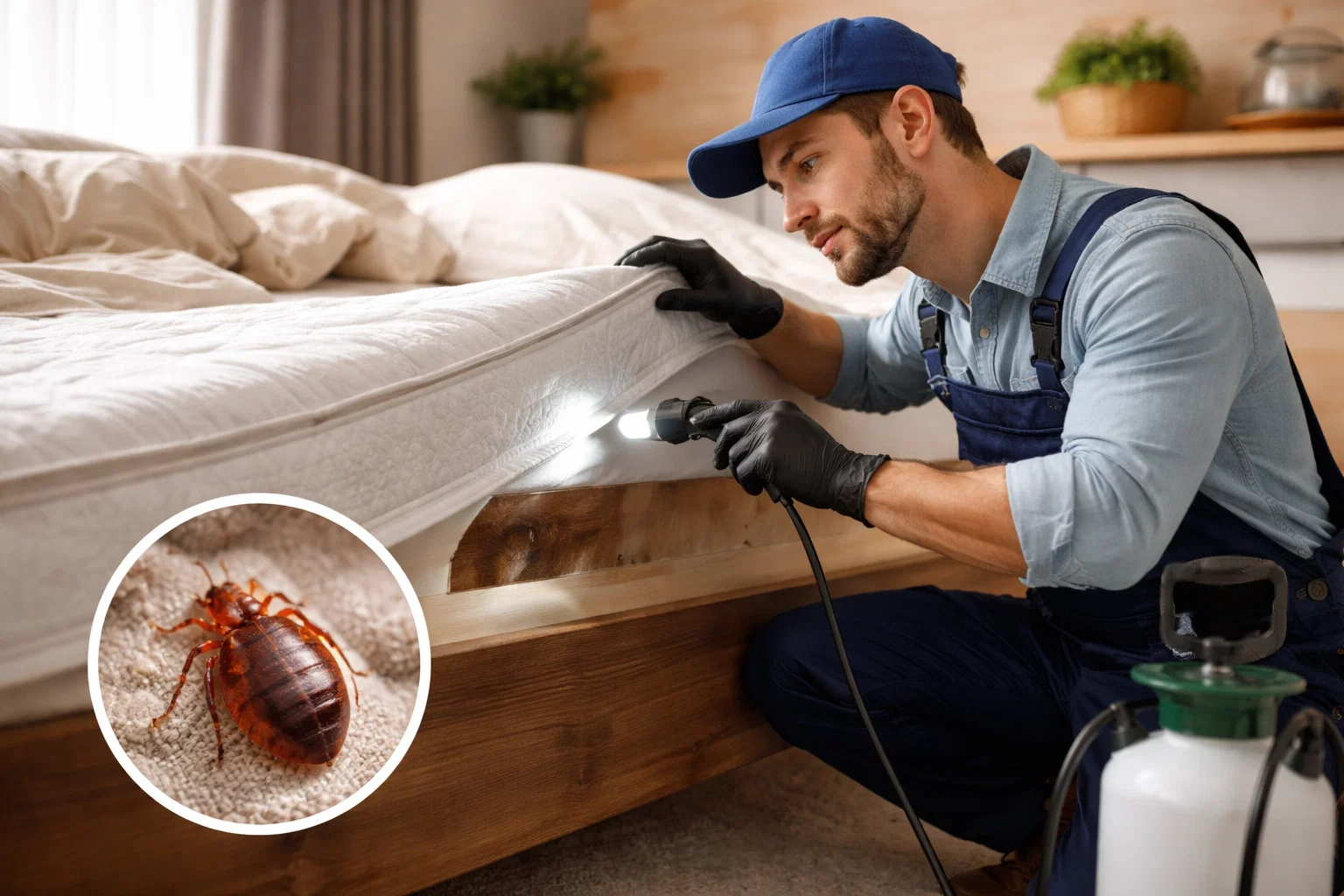
Quick Summary: Yes, it’s possible to eliminate bed bugs, but it requires a comprehensive, multi-step approach combining non-chemical methods like heat treatment and vacuuming with EPA-registered pesticides. Success depends on the severity of infestation, diligence in treatment, and preventing re-infestation through ongoing monitoring.
The short answer? Absolutely. But here’s the thing—getting rid of bed bugs isn’t a one-and-done deal. According to the EPA, treating bed bugs is complex and can take weeks to months, depending on the extent of the infestation.
Bed bugs have made a stunning comeback since the late 1990s. A 2015 survey from the National Pest Management Association revealed that 99.6 percent of pest controllers reported treating bed bugs in the past year, compared to just 25 percent fifteen years earlier. That’s a staggering increase that caught even industry professionals off guard.
The CDC confirms that bed bugs don’t spread diseases to people, but their bites can cause itching, loss of sleep, and rarely, allergic reactions. The real damage? Psychological stress and significant financial burden from treatment costs.
Understanding the Challenge
Bed bugs are remarkably resilient pests. These reddish-brown, wingless insects range from 1mm to 7mm in size (roughly the size of Lincoln’s head on a penny). They feed by piercing skin with an elongated beak, withdrawing blood over three to ten minutes. The bite is painless, so most people don’t realize they’re being attacked until later.
What makes elimination difficult? Several factors come into play.
First, bed bugs hide in countless spots—mattress seams, box springs, bed frames, behind baseboards, in electrical outlets, and even behind picture frames. They’re masters of concealment. Second, they can survive for months without feeding. Third, they’ve developed resistance to many common pesticides, particularly pyrethroids that dominated the market for years.
Research indicates that numbers of infestations rose by over 4,500 percent in the early years of the resurgence in Australia. Similar patterns emerged across the United States and Europe.
What Actually Works: Proven Methods
Success requires an integrated pest management approach that combines multiple tactics. Relying on a single method rarely achieves complete elimination.
Heat Treatment
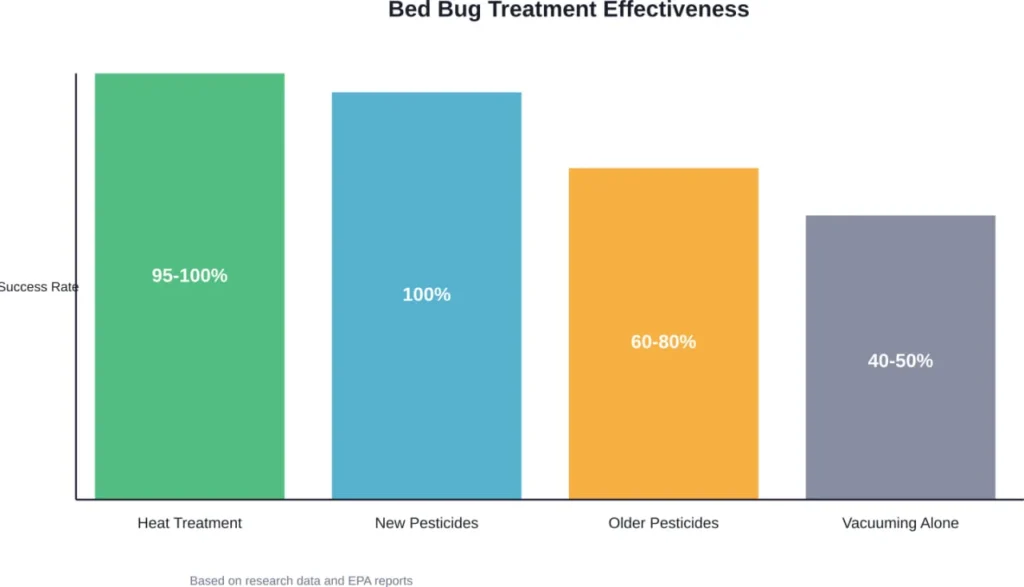
Heat is one of the most effective non-chemical options. Bed bugs die when exposed to temperatures above 113°F for extended periods. Professional heat treatments can eliminate entire infestations in a single day by raising room temperatures to lethal levels.
For smaller items, washing bedding, clothing, and fabrics in hot water followed by at least 30 minutes in a hot dryer at high temperatures kills bed bugs at all life stages. This method is both cost-effective and chemical-free.
Vacuuming and Steam
Thorough vacuuming removes bed bugs from accessible surfaces. Using a crevice tool helps dislodge eggs from tight spaces. A HEPA-filtered vacuum removes more than 99 percent of particles, ensuring captured bugs don’t escape.
Steam cleaning at temperatures above 160°F penetrates fabrics and crevices where bed bugs hide. This method works particularly well on mattresses, upholstered furniture, and carpets.
Mattress Encasements
Quality mattress and box spring encasements trap existing bed bugs inside, preventing them from feeding. They eventually starve to death. Encasements also eliminate hiding places and make future inspections easier.
According to Rutgers research, installing encasements reduces bed bug populations immediately. Budget-conscious consumers can find vinyl encasements for $5-10 per piece, though these tear more easily than higher-quality options.
EPA-Registered Pesticides
More than 300 pesticide products across seven chemical classes are registered with the EPA for bed bug control. These include pyrethrins, pyrethroids, desiccants, biochemicals, pyrroles, neonicotinoids, and insect growth regulators.
Recent research from Rutgers University, published by the USDA in August 2025, identified a breakthrough: isocycloseram, a new pesticide that killed every bed bug it touched—including resistant strains. All bugs were dead within five days following a four-hour crawl across fresh residue at one-quarter strength, or within three to four days when sprayed directly. Thirty-day-old residue still eliminated 100 percent of bugs, while competing products topped out at 80 percent.
When using pesticides, following label directions carefully is critical. The CDC has documented cases of illness and even fatalities from pesticide misuse during bed bug treatments.
What Doesn’t Work: Save Your Money
Not all methods deliver results. Some popular approaches waste money and delay effective treatment.
Mothballs: Despite widespread use, mothballs don’t repel or kill bed bugs effectively. They’re designed for fabric pests, not bed bugs.
Foggers and Bug Bombs: These products can’t penetrate the cracks and crevices where bed bugs hide. They often scatter bugs to new locations, making the problem worse.
Ultrasonic Devices: No scientific evidence supports ultrasonic repellents for bed bugs. These devices are ineffective marketing gimmicks.
Essential Oils Alone: While some natural products show limited repellent properties, a double-blind study testing various natural insecticides found they showed lower long-term efficacy compared to conventional treatments like Temprid, Transport, and Invader.
The Step-by-Step Elimination Process
Here’s how to approach bed bug elimination systematically:
| Step | Action | Timeline |
|---|---|---|
| 1. Identify | Confirm bed bug presence through visual inspection or monitoring devices | Day 1-2 |
| 2. Contain | Reduce clutter, isolate infested items, install encasements | Day 3-5 |
| 3. Treat | Apply heat, vacuum, steam, and EPA-registered pesticides | Week 1-2 |
| 4. Monitor | Use interceptor traps to detect surviving bugs | Week 2-8 |
| 5. Retreat | Apply follow-up treatments as needed | Week 3-4 |
| 6. Prevent | Maintain monitoring, reduce clutter, inspect regularly | Ongoing |
Reducing Clutter
Clutter provides countless hiding spots. Removing unnecessary items from bedrooms makes treatment more effective and inspection easier. Store essential items in sealed plastic containers.
Preventing Spread
In multi-family housing, bed bugs easily migrate between units. Coordinated building-wide treatment is often necessary for complete elimination. Without cooperation from all residents and management, reinfestation becomes almost inevitable.
Professional vs. DIY Treatment
Can DIY methods work? Sometimes. But success depends on several factors.
According to the EPA, likelihood of success depends on how many bed bugs are present, available hiding places, whether neighbors have infestations, and whether all building residents participate in treatment efforts.
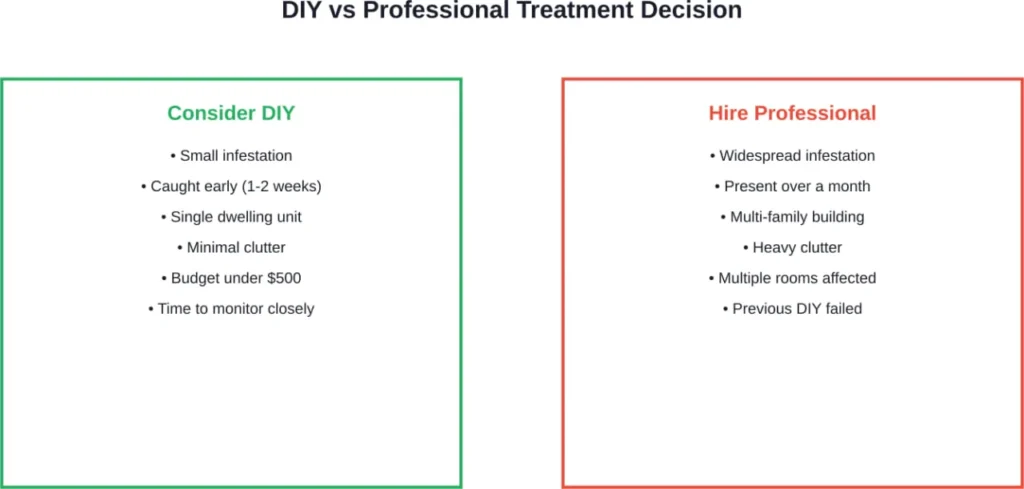
Professional pest control offers significant advantages: specialized equipment, access to commercial-grade pesticides, expertise in identifying hiding spots, and guaranteed follow-up treatments. Professional treatment costs vary widely based on infestation severity and property size, typically ranging from several hundred to several thousand dollars.
DIY approaches work best for small, early-stage infestations caught quickly. Larger infestations almost always require professional intervention.
Recent Research Breakthroughs
The fight against bed bugs continues to evolve. Researchers at Penn State developed a fungal-based biopesticide with remarkable results. By exposing just a small percentage of a population to the fungus, they achieved nearly 100 percent infection rates as bugs transmitted it among themselves.
Recent research from University of California, Riverside revealed something unexpected: bed bugs strongly avoid water and wet surfaces. Water can stick to their bodies and block tiny breathing openings, potentially trapping them. This aversion to moisture might open new control strategies.
Prevention: Keeping Them Out
Prevention beats treatment every time. According to the CDC, regular inspection for signs of infestation is key to preventing establishment.
When traveling, inspect hotel rooms before unpacking. Check mattress seams, headboards, and furniture. Keep luggage on stands away from walls. Upon returning home, immediately wash all clothing in hot water.
Avoid bringing used furniture indoors without thorough inspection. Secondhand mattresses pose particularly high risks.
In apartments, seal cracks and crevices around baseboards, electrical outlets, and pipes. This limits bed bug movement between units.
The Reality of Timeline and Expectations
Setting realistic expectations matters. Community discussions reveal frustration from people who’ve battled bed bugs for months or even years. The key? Persistence and comprehensive treatment.
Most successful elimination takes at least several weeks, often months. Treatment isn’t a single event—it’s an ongoing process requiring multiple interventions and consistent monitoring.
Interceptor traps placed under bed legs help monitor progress. These devices catch bugs attempting to climb up from the floor or down from the bed, providing early warning of remaining populations.
Health and Safety Considerations
While bed bugs don’t transmit diseases, the CDC documented 111 illnesses associated with bed bug insecticide misuse across seven states (California, Florida, Michigan, North Carolina, New York, Texas, and Washington). Although 81 percent were low severity, one fatality occurred.
In one case documented in the CDC Health Alert Network, a pest control applicator hired by a building owner sprayed the interior of two occupied apartments with pesticides intended only for outdoor use, with applications made five times over 72 hours, including spraying of ceilings, floors, beds, and a crib mattress. Such illegal applications create serious health risks.
For most people, bed bug bites require only minimal treatment. The CDC recommends avoiding scratching and maintaining good hygiene to prevent secondary infections. Topical steroid creams help severe cases. Secondary infections may require antibiotics.
The psychological impact shouldn’t be underestimated. Research shows bed bug exposure correlates with increased psychological symptoms. Four percent of tenants in a Montreal, Canada study reported being exposed to bed bugs in the year preceding the survey, with significantly elevated odds of anxiety (OR: 1.72) and depression (OR: 1.83).
FAQs
Complete elimination typically takes weeks to months depending on infestation severity. According to the EPA, treatment complexity and duration depend on how many bugs are present, available hiding places, and treatment consistency. Early detection and comprehensive treatment produce faster results.
Yes, reinfestation can occur if bugs are reintroduced from neighboring units, used furniture, or travel. Professional treatment eliminates existing populations but doesn’t prevent new bugs from entering. Ongoing monitoring and preventive measures are essential for long-term success.
No single method guarantees success. Heat treatment shows 95-100 percent effectiveness but works best when combined with other approaches. The newest pesticide research shows 100 percent kill rates, but integrated pest management combining multiple tactics produces the most reliable long-term results.
Research on natural insecticides shows limited effectiveness compared to conventional treatments. While some products demonstrate short-term repellent properties, long-term efficacy studies against resistant bed bug strains reveal disappointing results. Natural methods work best as supplements to proven treatments, not replacements.
Professional treatment costs vary widely based on infestation severity and property size, typically ranging from several hundred to several thousand dollars. Heat treatments generally cost more than chemical applications but may require fewer visits. Check with local pest control companies for current pricing in your area.
According to the CDC, bed bugs are not known to spread diseases to people. While they’ve been tested for over 40 infectious agents in laboratory settings, no confirmed disease transmission to humans has been documented. The primary health concerns are allergic reactions, secondary infections from scratching, and psychological stress.
Yes, freezing can kill bed bugs when items are exposed to temperatures of 0°F or below for at least four days. However, home freezers may not maintain consistent temperatures throughout, and larger items like mattresses can’t be frozen. Freezing works best for small items like books, electronics, or shoes.
Moving Forward: Your Action Plan
Getting rid of bed bugs is absolutely possible. It’s not easy, and it’s not quick, but with the right approach, complete elimination is achievable.
Start with thorough inspection to confirm the problem and assess severity. Develop a comprehensive plan combining heat treatment, vacuuming, encasements, and EPA-registered pesticides. For widespread infestations or multi-family housing, professional help isn’t optional—it’s necessary.
Track progress with monitoring devices. Be prepared for follow-up treatments. Most importantly, maintain preventive measures after elimination to avoid reinfestation.
The war against bed bugs has new weapons. Recent research breakthroughs like isocycloseram offer hope for more effective control, even against resistant populations. Combined with proper implementation of integrated pest management strategies, today’s tools make success more attainable than ever before.
Don’t let bed bugs win. Take action now, stay persistent, and reclaim your peace of mind.