

Quick Summary: Taking too many probiotics is possible and can cause temporary digestive issues like gas, bloating, and diarrhea. While generally safe for healthy individuals, excessive intake rarely provides additional benefits and may disrupt gut balance. Most experts recommend following dosage guidelines and choosing food sources over supplements when possible.
Probiotics have become a staple in wellness routines worldwide. Walk into any pharmacy or browse online health stores, and the shelves practically overflow with supplements promising better digestion, stronger immunity, and a balanced gut microbiome.
But here’s the thing—more isn’t always better when it comes to these beneficial bacteria. The question “can you take too many probiotics?” comes up frequently, and for good reason.
The global food supplement market was valued at approximately USD 192.65 billion in 2024 and is projected to reach an estimated USD 414.52 billion by 2033. Probiotics represent a significant chunk of that growth. With so many people doubling up on supplements or combining multiple products, understanding safe intake levels matters more than ever.
Understanding Probiotics and How They Work
Probiotics are live microorganisms—primarily bacteria and some yeasts—that provide health benefits when consumed in adequate amounts. These beneficial bugs support digestive function, help maintain the delicate balance of gut flora, and may strengthen immune responses.
The human gut microbiome contains trillions of microorganisms working in a complex ecosystem. When functioning properly, this bacterial community aids digestion, produces vitamins, and protects against harmful pathogens.
Probiotic supplements typically contain specific strains like Lactobacillus and Bifidobacterium species. Recent research has explored their potential beyond digestion—studies have examined probiotics in contexts ranging from poultry health to cancer treatment side effects.
But the gut microbiome thrives on balance, not bombardment. Think of it as a well-functioning city. Adding more residents doesn’t automatically improve infrastructure or quality of life. Sometimes it creates crowding and competition for resources.
The Reality of Taking Too Many Probiotics
So can you actually take too many probiotics? The short answer: yes, though the consequences are typically mild and temporary for healthy individuals.
Excessive probiotic intake can overwhelm the digestive system. The body needs time to integrate new bacterial strains into existing gut communities. Flooding the system with billions of colony-forming units (CFUs) beyond what’s needed can trigger unwanted responses.
Common Signs of Probiotic Overload
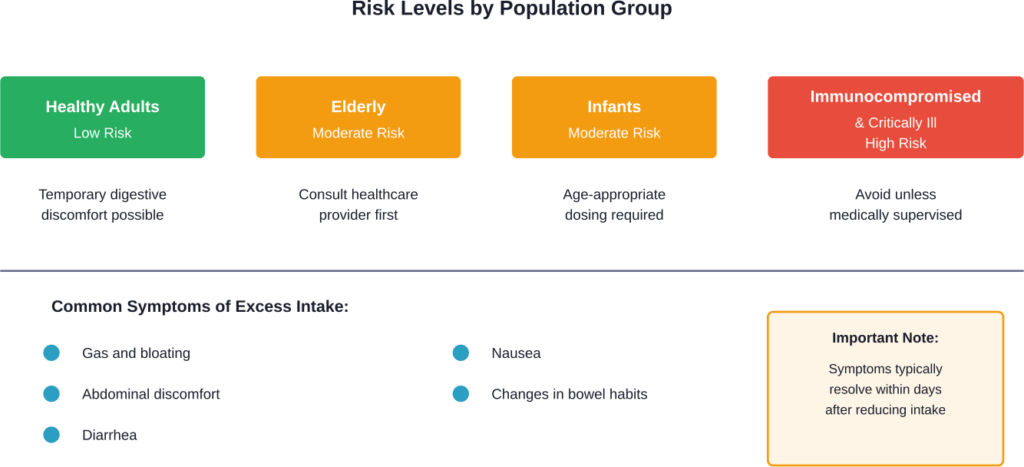
When probiotic intake exceeds what the gut can comfortably process, several digestive symptoms may emerge:
- Gas and bloating
- Abdominal discomfort or cramping
- Diarrhea or loose stools
- Nausea
- Temporary changes in bowel habits
These symptoms typically resolve within a few days after reducing intake. They’re not dangerous for most people—just uncomfortable reminders that balance matters.
Real talk: these side effects often occur when someone starts taking probiotics, not necessarily from taking too much. The gut needs adjustment time. But taking multiple high-dose supplements simultaneously increases the likelihood of digestive distress.
Who Faces Higher Risks
While healthy adults generally tolerate probiotics well, certain groups face elevated risks from excessive intake:
Immunocompromised individuals: People with weakened immune systems may develop infections from probiotic strains. Researchers at NC State University recently modified a probiotic yeast to make it safer for immunocompromised patients, older adults, and infants—highlighting real concerns in these populations. Before modifications, mice infected by the most virulent yeast isolate had a survival rate of 30-40%. After genetic modifications, the survival rate increased to 100% during six-day testing.
Critically ill patients: Those with severe illnesses or in intensive care settings should avoid probiotic supplements unless specifically recommended by healthcare providers.
People with central lines or catheters: There’s a theoretical risk of bacteria from supplements entering the bloodstream through medical devices.
Infants and young children: Dosing for pediatric populations requires careful consideration. What’s appropriate for adults may be excessive for smaller bodies with developing immune systems.
Taking Two Probiotics a Day: Is It Safe?
Many people wonder whether taking multiple probiotic supplements daily poses risks. The answer depends on several factors.
Taking two different probiotic products can be safe if the combined CFU count remains within reasonable ranges and the strains complement rather than compete with each other. Some situations where multiple products might make sense:
- One product targets general gut health while another addresses specific concerns
- Different strains serve different purposes (some colonize the small intestine, others the colon)
- A healthcare provider recommends a specific combination protocol
That said, more products don’t necessarily mean better results. The gut can only accommodate so many new bacterial residents at once. Taking multiple high-dose supplements simultaneously increases the likelihood of digestive side effects without proven additional benefits.
Dosage Guidelines and CFU Counts
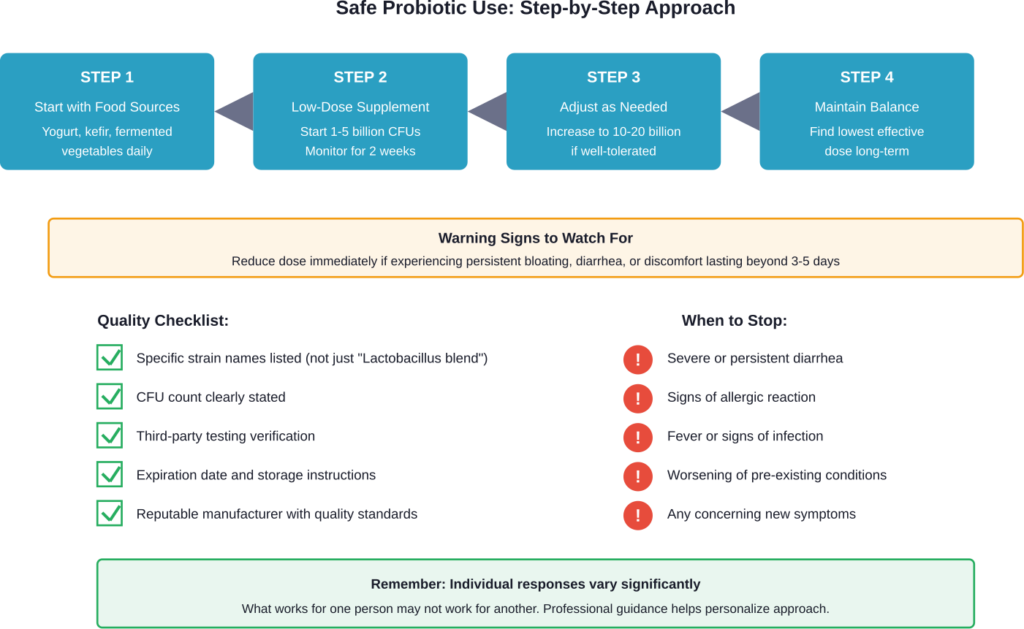
Most probiotic supplements contain between 1 billion and 100 billion CFUs per serving. Generally speaking, therapeutic doses range from 10 billion to 20 billion CFUs daily for most adults.
Higher isn’t automatically better. Research hasn’t established that mega-doses (100+ billion CFUs) provide superior benefits compared to moderate doses. The specific strains matter more than sheer numbers.
| Dosage Range | Typical Use | Considerations |
|---|---|---|
| 1-10 billion CFUs | General maintenance | Suitable for beginners, minimal side effects |
| 10-20 billion CFUs | Therapeutic support | Common therapeutic range for most conditions |
| 20-50 billion CFUs | Intensive support | May cause digestive adjustment, use under guidance |
| 50+ billion CFUs | Specific protocols | Should be medically supervised, higher side effect risk |
Food Sources vs. Supplements: Which Is Better?
According to experts from MD Anderson Cancer Center, getting probiotics from food rather than supplements offers distinct advantages. Probiotic-rich foods provide beneficial bacteria alongside other nutrients, fiber, and compounds that support overall health.
Common probiotic foods include:
- Yogurt with live active cultures
- Kefir
- Sauerkraut (unpasteurized)
- Kimchi
- Miso
- Tempeh
- Kombucha
Food sources naturally limit intake—eating multiple servings of fermented foods is self-regulating in ways that popping pills isn’t. The digestive system processes foods more gradually, giving gut bacteria time to integrate.
Supplements have their place, particularly for specific health conditions or when dietary sources are insufficient. But they shouldn’t replace a healthy diet. Think of supplements as exactly that—supplemental to, not a substitute for, whole foods.
When Probiotic Supplements Actually Help
Despite concerns about excessive intake, probiotic supplements do serve legitimate purposes in certain situations.
Research supports probiotic use for:
Antibiotic-associated diarrhea: Antibiotics kill beneficial gut bacteria along with harmful ones. Probiotics may help restore balance and reduce diarrhea risk.
Irritable bowel syndrome: Certain probiotic strains show promise for managing IBS symptoms. Clinical trials are exploring complex gut bacterial consortiums specifically for IBS treatment.
Inflammatory conditions: Some research suggests probiotics may help reduce inflammation in various contexts, though evidence varies by condition and strain.
Supporting gut health during medical treatment: A University of Cincinnati Cancer Center trial is testing whether probiotic supplements can reduce gastrointestinal symptoms for patients undergoing whole pelvis radiotherapy.
The key phrase here: “certain strains.” Not all probiotics are created equal. The Lactobacillus strain that helps with one condition may not affect another. This specificity makes blanket recommendations difficult and reinforces why professional guidance matters.
Potential Risks Beyond Digestive Discomfort
While temporary gas and bloating represent the most common issues from excessive probiotic intake, other potential risks exist.
Small Intestinal Bacterial Overgrowth
In rare cases, excessive probiotic supplementation may contribute to small intestinal bacterial overgrowth (SIBO). This occurs when bacteria colonize the small intestine in abnormally high numbers, causing bloating, gas, diarrhea, and nutrient malabsorption.
The relationship between probiotics and SIBO remains complex and not fully understood. Some people with SIBO may actually benefit from specific probiotic strains, while others find their symptoms worsen.
Histamine Production
Certain bacterial strains produce histamine during fermentation. For people with histamine intolerance, excessive probiotic intake—particularly from fermented foods or histamine-producing strains—may trigger symptoms like headaches, skin flushing, or digestive issues.
Antibiotic Resistance Concerns
Some probiotic strains carry antibiotic resistance genes. While the risk of these genes transferring to harmful bacteria appears low, it remains a theoretical concern that researchers continue monitoring.
Safety Guidelines for Probiotic Intake
Following these guidelines helps maximize benefits while minimizing risks:
Start low and go slow: Begin with lower doses and gradually increase if needed. This gives the gut time to adjust.
Choose quality products: Look for supplements that clearly list strain names, CFU counts, and have third-party testing verification.
Consider refrigeration requirements: Some probiotics need refrigeration to maintain potency. Check storage instructions.
Take with or without food as directed: Some strains survive stomach acid better with food, others on an empty stomach. Follow product guidelines.
Monitor your response: Pay attention to how probiotics affect digestion and overall wellbeing. Persistent negative symptoms suggest the product isn’t right for that individual.
Avoid during acute illness: If seriously ill or hospitalized, don’t start new probiotics without medical approval.
When to Consult a Healthcare Provider
Professional guidance becomes essential in several situations:
- Before starting probiotics with compromised immunity
- When taking probiotics alongside medications that affect the immune system
- If experiencing persistent digestive symptoms despite probiotic use
- When considering probiotics for children or during pregnancy
- If managing chronic health conditions
Despite approximately 75% of the German population reporting dietary supplement use in 2022, with vitamins accounting for 58% of consumption, and over one-third of American and European adults consuming daily multivitamin and mineral supplements, many people don’t discuss these products with healthcare providers.
Community pharmacists are increasingly recognized as accessible healthcare professionals who can provide evidence-based guidance on supplement use. But medical consultation remains important, particularly for vulnerable populations or when using supplements therapeutically.
Supporting Gut Health Beyond Probiotics
While probiotics receive considerable attention, overall gut health depends on multiple factors.
MD Anderson experts emphasize that instead of immediately turning to supplements, try these fundamental approaches:
Move regularly: Aim for 150 minutes of moderate physical activity or 75 minutes of vigorous exercise each week. Physical activity supports digestive function and may positively influence gut microbiome composition.
Eat diverse whole foods: A varied diet rich in fiber feeds beneficial gut bacteria. Different plant foods contain different types of fiber, supporting various bacterial species.
Stay hydrated: Adequate water intake supports digestion and helps maintain healthy intestinal function.
Manage stress: The gut-brain connection is real. Chronic stress can disrupt gut bacterial balance and digestive function.
Prioritize sleep: Poor sleep patterns may negatively affect gut microbiome composition.
These lifestyle factors work synergistically. Taking high-dose probiotics while maintaining poor dietary habits, chronic stress, and sedentary behavior won’t produce optimal results.
The Bottom Line on Probiotic Dosing
Yes, taking too many probiotics is possible. While serious harm is rare for healthy individuals, excessive intake can cause uncomfortable digestive symptoms and rarely provides additional benefits beyond moderate doses.
The “right” amount varies by individual, health status, and specific goals. Generally speaking, 10-20 billion CFUs daily represents a reasonable therapeutic range for most adults. Higher doses should be used under professional guidance.
Food sources offer distinct advantages over supplements and naturally limit intake. When supplements are appropriate, starting low and increasing gradually helps identify the minimal effective dose.
Quality matters more than quantity. Choosing products with well-researched strains, clear labeling, and third-party verification provides better assurance than simply selecting the highest CFU count.
And here’s what often gets missed: gut health extends far beyond probiotics. Exercise, diet quality, stress management, and sleep all contribute to a thriving microbiome. Probiotics can support these efforts but shouldn’t replace fundamental health practices.
Frequently Asked Questions
For most healthy adults, daily probiotic use at appropriate doses is generally safe. However, some people may experience ongoing digestive discomfort like gas or bloating. If symptoms persist beyond the initial adjustment period (typically 1-2 weeks), the dose may be too high or the specific strains may not suit that individual. Taking breaks or cycling different products may help.
A single double dose typically won’t cause serious problems in healthy individuals. Some temporary digestive discomfort—increased gas, bloating, or loose stools—may occur. These symptoms usually resolve within 24-48 hours. Drink plenty of water and return to the normal dose the next day. If concerning symptoms develop, contact a healthcare provider.
Duration depends on why probiotics are being used. For short-term issues like antibiotic-associated diarrhea, a few weeks may suffice. For chronic conditions or general maintenance, longer-term use may be appropriate. Many people use probiotics continuously, while others cycle on and off. The gut microbiome changes when probiotic supplementation stops, so benefits may diminish once discontinued.
No. Children require age-appropriate dosing based on body weight and developmental stage. Infants, toddlers, and older children all have different needs. Many manufacturers produce pediatric formulations with appropriate CFU counts and strains for younger age groups. Always consult a pediatrician before giving probiotics to children, particularly infants or immunocompromised kids.
Probiotics can potentially interact with immunosuppressant drugs and antibiotics. Taking probiotics during antibiotic treatment may reduce effectiveness of both products if taken simultaneously—spacing them several hours apart is typically recommended. People on immunosuppressants should consult their healthcare provider before starting probiotics, as there’s an increased infection risk. Always inform healthcare providers about all supplements being used.
This depends on the specific product and bacterial strains. Some probiotics survive stomach acid better when taken with food, while others are most effective on an empty stomach. Many manufacturers coat capsules to protect bacteria during stomach transit. Check product labeling for specific recommendations, as optimal timing varies by formulation.
Positive signs include improved digestive regularity, reduced bloating or gas (after the initial adjustment period), better stool consistency, and potentially enhanced immune function. However, benefits can be subtle and develop gradually over weeks or months. The absence of digestive problems doesn’t necessarily mean probiotics aren’t working—they may be providing maintenance benefits that aren’t immediately noticeable. If specific symptoms persist despite consistent use, the product may not contain the right strains for that individual’s needs.
Take a Balanced Approach to Gut Health
The probiotic supplement market continues expanding rapidly, promising solutions for everything from digestive issues to immune support. While these products can play a valuable role in health management, they’re not magic pills that compensate for poor overall lifestyle habits.
Taking too many probiotics can cause problems—mostly temporary digestive discomfort, but potentially more serious issues for vulnerable populations. More importantly, excessive intake rarely provides superior benefits compared to moderate, well-chosen supplementation.
The most effective approach combines quality probiotic sources (preferably from food when possible) with fundamental health practices: regular movement, diverse whole food nutrition, adequate sleep, stress management, and proper hydration. These elements work together to create an environment where beneficial bacteria can thrive.
Before starting any probiotic regimen, particularly high-dose protocols or multiple products, consulting with a healthcare professional helps ensure safety and appropriateness for individual circumstances. This becomes especially important for immunocompromised individuals, those with serious health conditions, children, and pregnant women.
The gut microbiome is remarkably complex—science continues uncovering new insights about how these trillions of microorganisms influence overall health. But supporting this ecosystem doesn’t require extreme measures. Moderation, quality over quantity, and attention to overall lifestyle create the foundation for long-term gut health.