
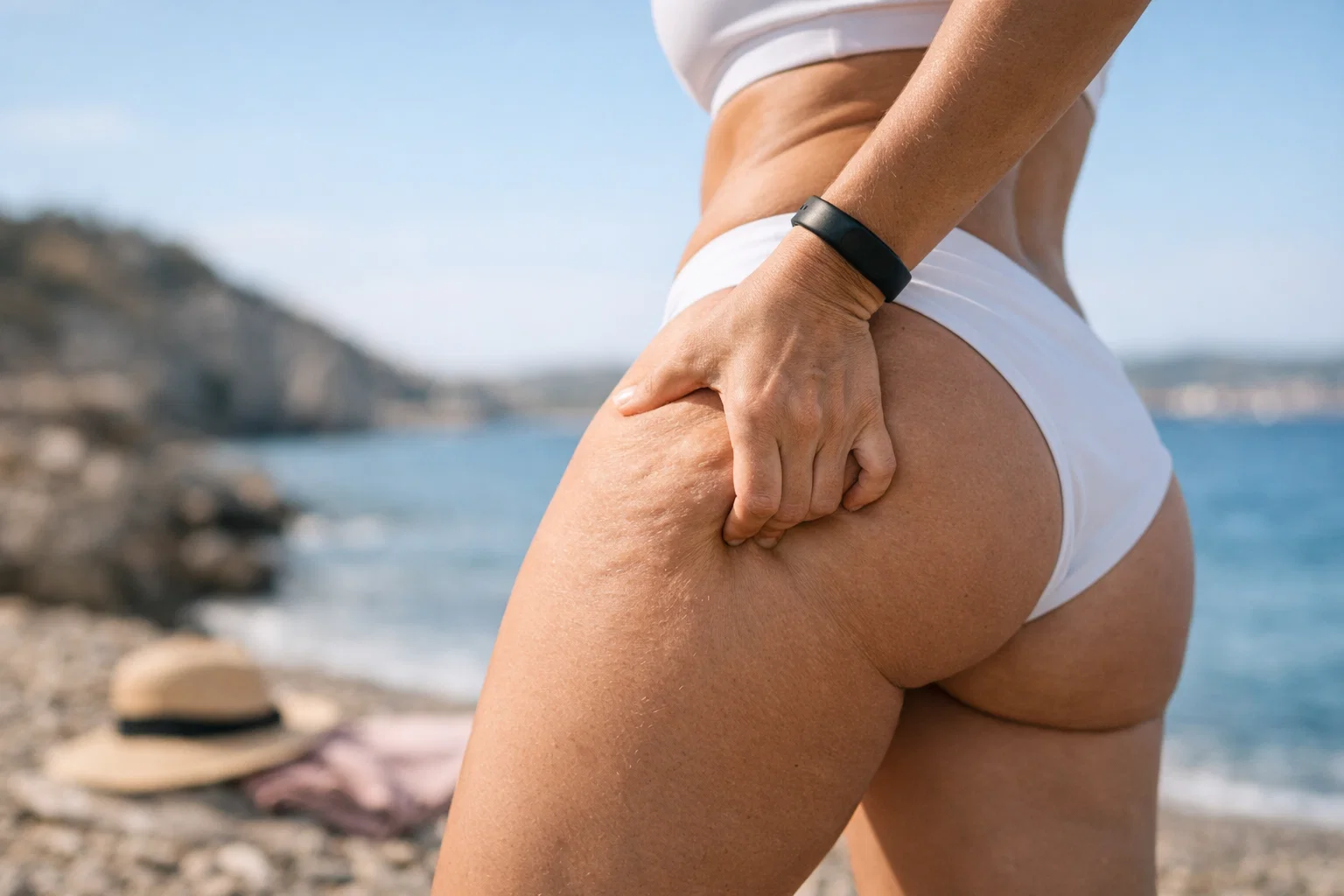
Quick Summary: Complete elimination of cellulite is not currently possible according to medical research, but several FDA-cleared treatments can significantly reduce its appearance for 6 months or longer. Between 80-90% of women develop cellulite due to how fat deposits push through connective tissue bands under the skin. The most effective approaches combine professional treatments like Cellfina or laser therapy with lifestyle modifications including exercise and weight management.
The straight answer? You can’t completely get rid of cellulite.
But here’s the thing—you can make it significantly less noticeable. And for most people dealing with those dimpled areas on their thighs, buttocks, and hips, that’s what really matters.
Cellulite affects between 80% and 90% of women who’ve gone through puberty, according to medical research. Less than 10% of men develop cellulite, making this predominantly a female concern. Even extremely fit women often have cellulite because it’s not simply about body fat.
The cosmetic industry has capitalized on our collective desire to smooth out dimpled skin, creating countless products and treatments. Some work. Many don’t. Research from the American Academy of Dermatology shows that certain medical procedures can deliver results lasting six months or longer, while other popular remedies lack any scientific backing whatsoever.
So what actually works? Let’s break down what medical research tells us about cellulite reduction.
What Exactly Is Cellulite and Why Does It Happen?
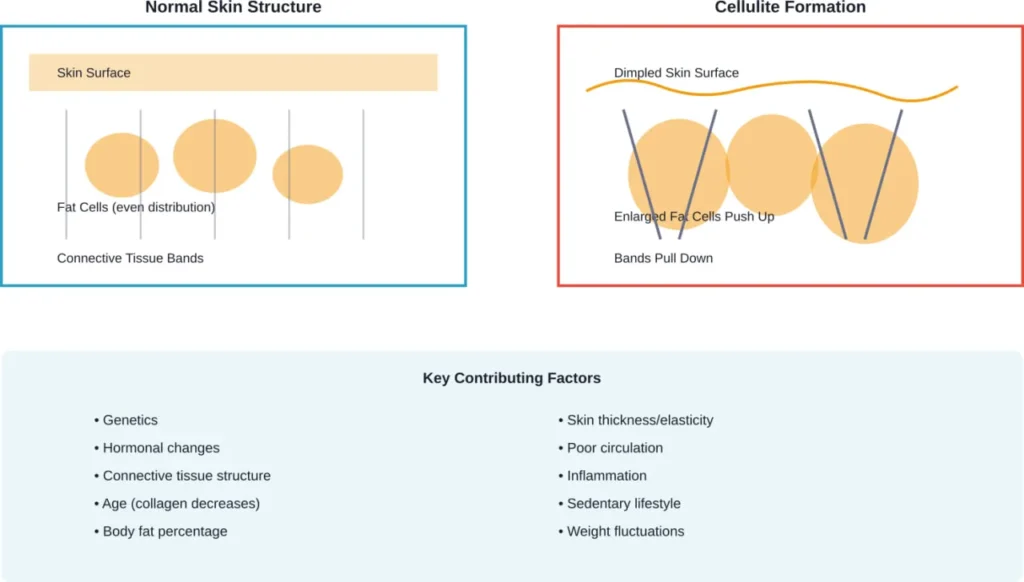
Cellulite is fat that pushes through bands of connective tissue beneath the skin, creating that characteristic dimpled or lumpy appearance. Think of it like a quilted mattress—the fabric represents your skin, the filling is subcutaneous fat, and the stitching patterns are fibrous connective tissue bands.
When fat cells accumulate and push upward while these fibrous bands pull downward, you get that uneven surface texture.
The condition appears most commonly on the thighs, buttocks, and hips. Some people also develop it on the abdomen, upper arms, and breasts.
The Science Behind the Dimples
According to research from the National Center for Biotechnology Information, cellulite develops due to several interconnected factors. The structure of connective tissue in women differs from men—women have vertical or parallel bands, while men have a crisscross pattern that’s more resistant to fat pushing through.
Hormones play a significant role too. Estrogen, insulin, noradrenaline, thyroid hormones, and prolactone all participate in the cellulite formation process. This explains why cellulite typically appears after puberty and can worsen during pregnancy or hormonal changes.
Genetics matter considerably. If your mother and grandmother had cellulite, you’re more likely to develop it regardless of your weight or fitness level.
Does Weight Loss Eliminate Cellulite?
Not necessarily. While losing excess body fat can reduce the appearance of cellulite, it won’t make it disappear completely. According to the American Board of Cosmetic Surgery, weight loss doesn’t necessarily help reduce cellulite.
In fact, rapid weight loss can sometimes make cellulite more visible by reducing skin elasticity without addressing the fibrous bands pulling down on the skin.
Medical Treatments That Actually Work
Research published by the American Academy of Dermatology identifies several FDA-cleared treatments that can genuinely reduce cellulite appearance. Here’s what the evidence supports.
Cellfina: The Subcision Approach
Cellfina is a minimally invasive procedure where a dermatologist inserts a small needle beneath the skin to break up the tough fibrous bands causing dimpling. Think of it like cutting the stitching on that quilted mattress.
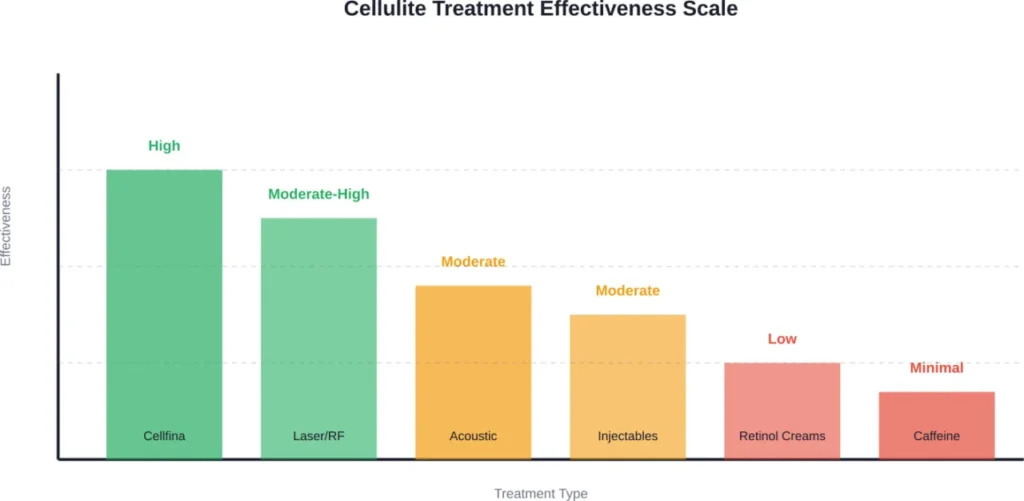
Research shows that Cellfina delivers results lasting 6 months or longer; however, a bit of dimpling usually returns. This treatment specifically targets the structural cause of cellulite rather than just the fat.
The procedure typically takes 45 minutes to an hour and requires only local anesthesia.
Laser and Energy-Based Treatments
Several laser and radiofrequency devices have received FDA clearance for cellulite reduction. These treatments work by heating the tissue beneath the skin, which can thicken the skin, stimulate collagen production, and sometimes melt fat cells.
Professional laser and radiofrequency treatments may require multiple sessions. Treatment time ranges from 30–90 minutes, with prices between $1,000–$6,000 depending on the technology and treatment area.
Different systems use various approaches—some combine laser energy with massage, others use radiofrequency with vacuum manipulation.
What About Injectable Treatments?
QWO (collagenase clostridium histolyticum-aaes) is an FDA-approved injectable treatment that uses enzymes to break down collagen in the fibrous bands. The treatment involves a series of injections over several sessions.
While promising, research on long-term effectiveness continues. Results vary considerably between individuals.
| Treatment | How It Works | Duration of Results | Invasiveness |
|---|---|---|---|
| Cellfina | Breaks fibrous bands via subcision | 6+ months | Minimally invasive |
| Laser/RF therapy | Heat stimulates collagen, melts fat | 6-12 months | Non-invasive |
| Injectable enzymes | Dissolves collagen in bands | Variable | Minimally invasive |
| Acoustic wave therapy | Sound waves break up tissue | 3-6 months | Non-invasive |
Topical Treatments: What the Research Shows
Walk down any cosmetics aisle and you’ll find dozens of creams promising to banish cellulite. The reality? Most don’t work.
However, some topical treatments show modest effectiveness according to research from the National Center for Biotechnology Information.
Retinol Creams
Products containing 0.3% retinol can improve skin texture and thickness over time. According to Cleveland Clinic research, retinol creams need at least six months of consistent use to show effects.
The improvement comes from retinol’s ability to stimulate collagen production and thicken the skin, which can make cellulite less visible. But retinol won’t address the underlying fat deposits or fibrous bands.
Caffeine-Based Products
Caffeine creams might provide temporary improvement by dehydrating fat cells and improving circulation. Research shows moderate efficacy for thigh circumference reduction, but the effects are temporary and modest.
The American Academy of Dermatology includes caffeine creams in their list of treatments that might help, but emphasizes the limited and short-term nature of any benefits.
The Herbal Treatment Evidence
A randomized clinical trial published in Pharmaceuticals examined an anti-cellulite herbal emgel. The double-blind, placebo-controlled study showed some efficacy, but results were modest and required consistent application.
Real talk: topical treatments alone won’t dramatically transform severe cellulite. At best, they provide subtle improvement when used consistently over months.
Lifestyle Modifications That Help
While you can’t exercise cellulite away completely, certain lifestyle changes can reduce its appearance.
Exercise and Muscle Toning
Building muscle beneath cellulite-prone areas can make the skin appear smoother. Strength training that targets the thighs, buttocks, and hips may help by replacing some fat with muscle tissue and improving skin tone.
Cardiovascular exercise supports overall fat reduction, which can minimize cellulite visibility even though it won’t eliminate it entirely.
Weight Management
Maintaining a stable, healthy weight helps prevent cellulite from worsening. Rapid weight gain stretches the skin and adds fat deposits, while rapid weight loss can reduce skin elasticity.
Gradual, sustainable weight management provides better outcomes than yo-yo dieting.
Hydration and Nutrition
Adequate hydration keeps skin supple and may reduce the appearance of cellulite. Some research suggests that inflammation contributes to cellulite formation, so anti-inflammatory diets rich in fruits, vegetables, and omega-3 fatty acids might help.
But don’t expect dietary changes alone to eliminate cellulite. The structural issues run deeper than what nutrition can address.
What Doesn’t Work: Debunking Common Myths
Before spending money on unproven treatments, here’s what research shows doesn’t work.
Dry Brushing
Despite its popularity on social media, dry brushing has no scientific evidence supporting its effectiveness for cellulite reduction. Mayo Clinic experts note that while dry brushing might temporarily improve circulation, it won’t address the structural causes of cellulite.
Any temporary smoothing effect comes from minor skin swelling, not actual cellulite reduction.
Massage and Foam Rolling
Massage might temporarily redistribute fluid and create a smoother appearance, but the effect is short-lived.
Liposuction
Here’s a surprising fact: liposuction can actually worsen cellulite appearance. Liposuction removes deep fat deposits but may not address the structural causes of cellulite dimpling.
Removing fat from beneath cellulite can make the skin irregularities more pronounced.
Detox Wraps and Scrubs
Body wraps, coffee scrubs, and detox treatments might feel luxurious, but they don’t reduce cellulite. Any temporary smoothing comes from skin swelling or dehydration, not actual structural changes.
Save your money.
Combining Approaches for Best Results
Medical research suggests that combination therapy often delivers superior results compared to single treatments. Research suggests that cellulite treatment should be individualized based on patient characteristics and severity.
A comprehensive approach might include:
- Professional treatment like Cellfina or laser therapy for structural improvement
- Consistent strength training to build muscle and improve tone
- Weight management to maintain stable body composition
- Topical retinol products for skin thickening over time
This multi-modal strategy addresses cellulite from multiple angles—structural, muscular, and dermal.
Managing Expectations: The Reality Check
Given that 80% to 90% of post-pubescent women have cellulite, it’s clearly a normal skin variation rather than a medical problem. The cosmetic concern is valid, but understanding realistic outcomes prevents disappointment.
No treatment eliminates cellulite permanently. Even the most effective procedures require maintenance. Cellulite is an aesthetically distressing skin condition but is not a health risk.
Professional treatments can significantly reduce cellulite appearance in treated areas, but perfection isn’t achievable with current technology.
Cost Considerations
Effective cellulite treatments represent a significant investment. Professional procedures range from $1,000 to $6,000 per treatment area, and multiple sessions are often necessary. Results are temporary, requiring periodic retreatment.
Weigh the cost against the importance of cellulite reduction in your life. For some people, the improvement justifies the expense. For others, accepting cellulite as a normal body feature makes more sense.
Choosing a Provider
If you decide to pursue professional treatment, selecting a qualified provider is critical. Board-certified dermatologists have the medical training and expertise to perform these procedures safely.
Cosmetic treatments may look easy to perform, but having them done safely requires in-depth medical knowledge and technical skill. Avoid spas or salons offering medical-grade treatments without qualified medical oversight.
Ask potential providers about:
- Their certification and training in the specific procedure
- How many similar procedures they’ve performed
- Before-and-after photos of actual patients
- Realistic expectations for results and duration
- Complete cost breakdown including all sessions
The Future of Cellulite Treatment
Research continues into new approaches for cellulite reduction. Scientists are exploring treatments that target the biological mechanisms behind cellulite formation, including inflammation, circulation, and connective tissue structure.
Emerging therapies under investigation include:
- Advanced injectable enzymes with longer-lasting effects
- Combination devices that simultaneously address multiple cellulite causes
- Topical treatments with better penetration and efficacy
- Minimally invasive procedures that permanently alter fibrous bands
While current treatments provide meaningful improvement for many people, future innovations may offer more dramatic and longer-lasting results.
Frequently Asked Questions
No. According to medical research, complete permanent elimination of cellulite isn’t currently possible. The most effective treatments can significantly reduce appearance for six months to a year, but cellulite gradually returns. Even professional procedures require maintenance treatments to sustain results. The structural causes of cellulite—fibrous bands pulling down while fat pushes up—remain present even after treatment.
Not necessarily. While weight loss can reduce cellulite visibility by decreasing overall body fat, it won’t eliminate cellulite completely. According to the American Board of Cosmetic Surgery, weight loss doesn’t necessarily help reduce cellulite. In some cases, rapid weight loss can make cellulite more noticeable by reducing skin elasticity.
Cellfina appears to be the most effective single treatment based on current research. Research shows that Cellfina delivers results lasting 6 months or longer by breaking up the fibrous bands that cause dimpling. Laser and radiofrequency treatments also show good effectiveness, with results lasting six to twelve months. Most dermatologists recommend combination approaches for optimal results.
Most don’t, but products with 0.3% retinol show modest effectiveness when used consistently for at least six months. Retinol can thicken skin and improve texture, making cellulite less visible. Caffeine creams might provide temporary improvement through fat cell dehydration, but effects are short-lived. The majority of over-the-counter cellulite creams lack scientific evidence supporting their effectiveness.
Women develop cellulite at much higher rates—80% to 90% of women versus less than 10% of men—due to structural and hormonal differences. Women have vertical or parallel connective tissue bands beneath the skin, while men have a crisscross pattern that resists fat pushing through. Estrogen and other female hormones also play a role in cellulite formation. Women naturally store more subcutaneous fat in the thighs, hips, and buttocks where cellulite commonly appears.
Exercise can improve cellulite appearance but won’t eliminate it. Strength training that builds muscle in cellulite-prone areas can make skin appear smoother by replacing some fat with muscle tissue. Cardiovascular exercise supports overall fat reduction. However, even extremely fit women often have cellulite because exercise doesn’t address the fibrous bands or connective tissue structure causing the dimpling.
Professional cellulite treatments typically range from $1,000 to $6,000 per treatment area, according to the American Board of Cosmetic Surgery. Costs vary based on the technology used, treatment area size, number of sessions required, and geographic location. Most treatments require multiple sessions for optimal results, and maintenance treatments are needed to sustain improvement. Check with providers for current pricing specific to treatment type and location.
Final Thoughts on Cellulite Reduction
The honest answer to whether you can get rid of cellulite is nuanced. Complete permanent elimination? No. Significant improvement that makes cellulite much less noticeable? Absolutely possible with the right treatments.
Medical research has identified several FDA-cleared procedures that genuinely reduce cellulite appearance for six months or longer. Cellfina, laser therapy, and radiofrequency treatments all show documented effectiveness in clinical studies. These aren’t miracle cures, but they represent legitimate options for people who want to reduce cellulite visibility.
Topical treatments provide modest benefits at best. Retinol creams can improve skin texture over months of consistent use, but won’t dramatically transform severe cellulite. Most other creams, scrubs, and lotions lack scientific backing despite marketing claims.
Lifestyle modifications—strength training, weight management, proper hydration—support skin health and may minimize cellulite appearance. While exercise won’t eliminate cellulite, it certainly doesn’t hurt and provides numerous other health benefits.
The key is managing expectations. Cellulite affects the vast majority of women and represents a normal variation in skin appearance rather than a medical problem. Treatment decisions should be based on personal priorities, realistic expectations, and financial considerations.
If cellulite genuinely bothers someone and professional treatments fit within their budget, pursuing them makes sense. If acceptance feels more comfortable than ongoing treatments, that’s equally valid. There’s no right or wrong choice—only what works for each individual’s circumstances and values.
Ready to explore cellulite reduction options? Consult a board-certified dermatologist to discuss which treatments might work best for your specific situation. A dermatologist can assess your cellulite severity, skin characteristics, and medical history to recommend an individualized treatment plan based on current medical evidence.