
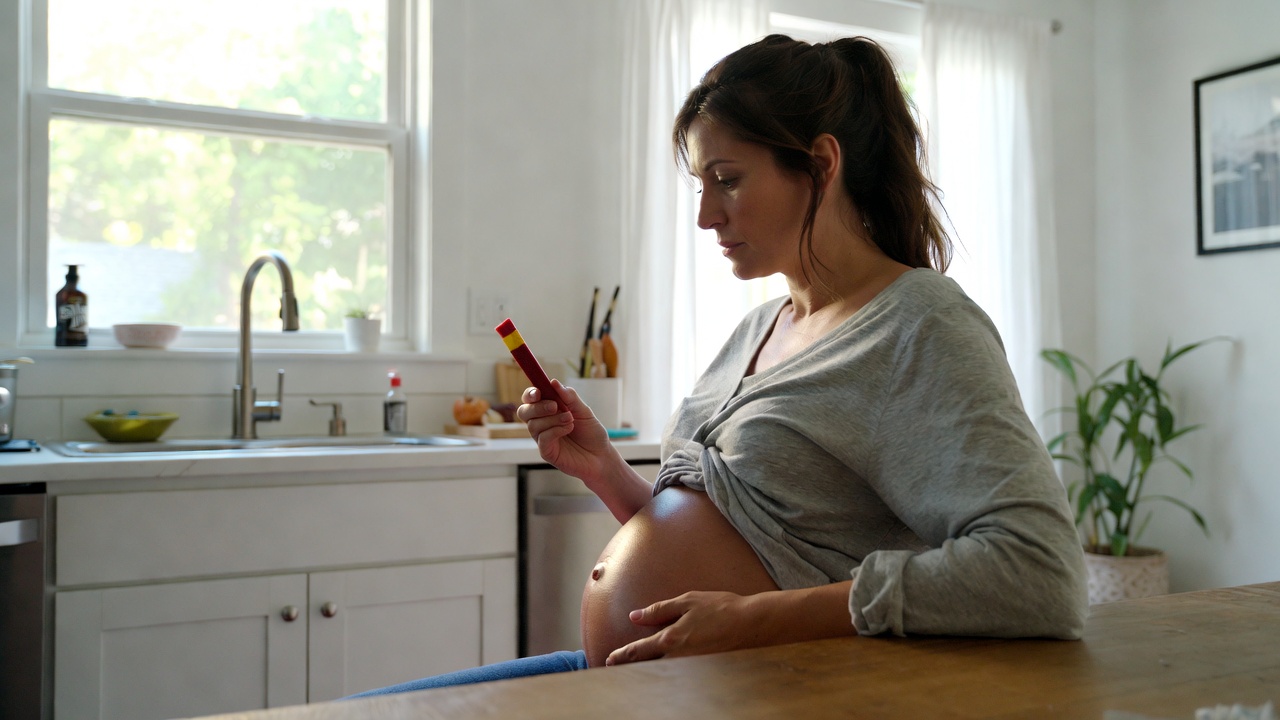
Quick Summary: Eating Slim Jims during pregnancy is not recommended due to high sodium content, preservatives like nitrates, and Listeria risk from ready-to-eat processed meats. According to the CDC, pregnant women should avoid deli meats or reheat them to 165°F to eliminate potential bacteria. Healthier protein alternatives include cooked lean meats, pasteurized cheese, nuts, and homemade jerky prepared safely.
Pregnancy cravings can hit hard and at the strangest times. One moment everything seems normal, and the next, that Slim Jim at the gas station checkout looks incredibly appealing. But before reaching for that convenient meat stick, expectant mothers should understand what happens when consuming these processed snacks during pregnancy.
The short answer? Health authorities recommend caution with Slim Jims and similar processed meat products during pregnancy. These convenient snacks pose several concerns that can affect both maternal and fetal health.
Why Slim Jims Raise Concerns During Pregnancy
Slim Jims fall into the category of ultra-processed, ready-to-eat meat products. According to research on ultra-processed foods during pregnancy, maternal consumption of these foods is associated with adverse health outcomes. The concerns aren’t just theoretical—they’re based on documented risks that affect pregnant women differently than the general population.
Processed meat sticks like Slim Jims contain preservatives, particularly nitrates and nitrites, which extend shelf life but carry potential health implications. While fermented and dried to reduce moisture, these products remain classified as ready-to-eat meats requiring special attention during pregnancy.
The Listeria Risk: What the CDC Says
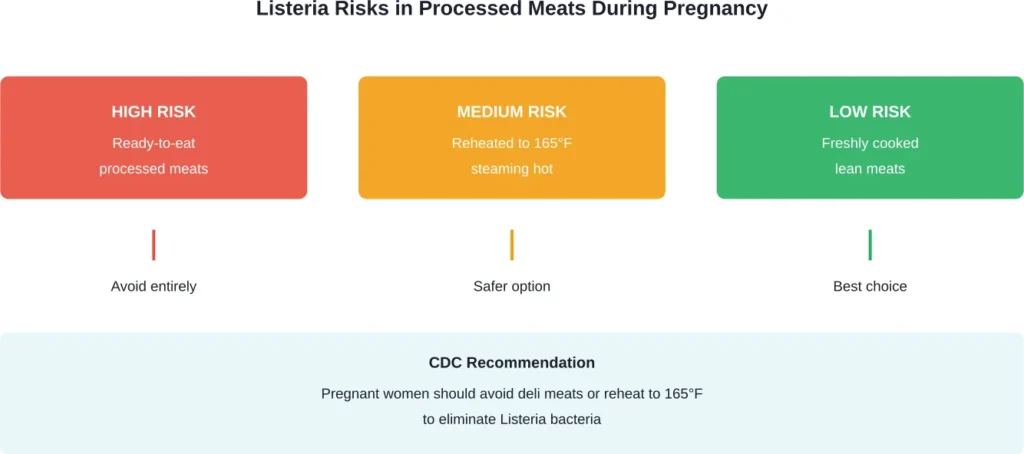
According to the CDC, even when there are no ongoing Listeria outbreaks, women who are pregnant should avoid deli meat or reheat it to an internal temperature of 165°F or until steaming hot to kill any germs. This recommendation stems from serious outbreak data.
A recent Listeria outbreak linked to meats sliced at delis resulted in 61 cases, 60 hospitalizations, and 10 deaths across 19 states. The investigation, which closed in early 2025, highlighted the heightened vulnerability of pregnant women to foodborne illness.
Here’s the thing though—pregnant women face weakened immune systems, making it easier to contract foodborne illnesses. Any illness contracted can affect the unborn child, whose immune system is too immature to fight back.
Sodium Content: A Hidden Concern
According to the CDC, Americans consume more than 3,300 milligrams (mg) of sodium per day, on average, and most Americans consume too much sodium. This becomes particularly problematic during pregnancy. Eating too much sodium can increase blood pressure and risk for heart disease and stroke.
Slim Jims pack substantial sodium into a small package. A single meat stick can contain significant sodium content, representing a substantial portion of the recommended daily sodium intake. For pregnant women already managing increased blood volume and cardiovascular changes, excessive sodium compounds existing strain on the body.
The American College of Obstetricians and Gynecologists emphasizes healthy eating during pregnancy as one of the best things expectant mothers can do. High-sodium processed foods don’t align with these nutritional guidelines.
Ultra-Processed Foods and Pregnancy Outcomes
Research published in medical journals shows concerning connections between ultra-processed food consumption during pregnancy and health outcomes. A systematic review and meta-analysis found that maternal consumption of ultra-processed food-rich diets was associated with increased risk of gestational diabetes mellitus.
The study, which included 698,803 women from all gestational trimesters, demonstrated that high consumption of ultra-processed foods during pregnancy adversely affected health outcomes for both mothers and children, impacting nutrition indicators and diet quality.
Slim Jims fit squarely into the ultra-processed category. These products contain additives, preservatives, and reconstituted meat—all characteristics of foods that research suggests limiting during pregnancy.
What Actually Happens If You Eat Them
Real talk: eating a single Slim Jim during pregnancy likely won’t cause immediate catastrophic consequences. But here’s what can happen with regular consumption:
| Potential Effect | Why It Happens | Risk Level |
|---|---|---|
| Listeria infection | Ready-to-eat processed meats harbor bacteria | Serious |
| Elevated blood pressure | High sodium content strains cardiovascular system | Moderate to High |
| Gestational diabetes risk | Ultra-processed food consumption linked to metabolic issues | Moderate |
| Poor nutrition quality | Displaces nutrient-dense foods from diet | Moderate |
| Nitrate exposure | Preservatives in processed meats | Low to Moderate |
According to medical research, approximately one in five pregnancies complicated by listeriosis resulted in spontaneous abortion or stillbirth. About two-thirds of surviving infants developed clinical neonatal listeriosis. These aren’t minor concerns.
Safer Protein Snack Alternatives
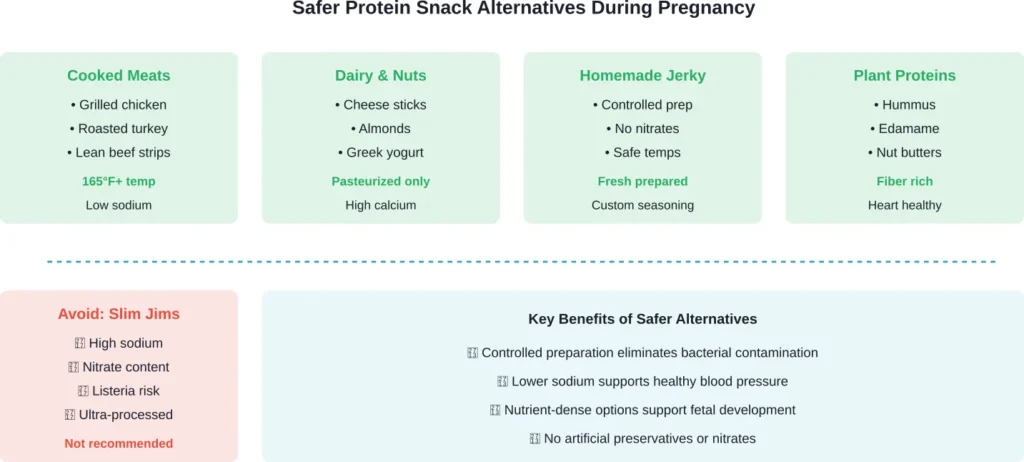
Pregnancy cravings for salty, savory protein don’t have to go unsatisfied. Several safer alternatives provide similar satisfaction without the risks:
Cooked Lean Meats
Freshly cooked chicken, turkey, or beef eliminates Listeria concerns. Preparation at home ensures proper temperature and handling. These can be seasoned, sliced, and portioned for convenient snacking.
Pasteurized Cheese and Nuts
According to ACOG guidelines, pasteurized dairy products are safe during pregnancy. Cheese provides protein and calcium, while nuts offer healthy fats and satisfying crunch. Pairing these creates a balanced snack.
Homemade Jerky
Beef jerky prepared at home with controlled ingredients and proper cooking temperatures offers a safer alternative. Using a food dehydrator or oven ensures meat reaches safe internal temperatures while avoiding commercial preservatives.
When to Talk to Your Healthcare Provider
Sound familiar? Already consumed Slim Jims during pregnancy? Don’t panic. Contact a healthcare provider if experiencing symptoms like fever, muscle aches, headache, stiff neck, confusion, loss of balance, or convulsions after consuming processed meats.
According to ACOG guidelines on managing pregnant women with presumptive exposure to Listeria monocytogenes, early detection and treatment matter. Healthcare providers can assess individual risk and recommend appropriate monitoring or intervention.
Generally speaking, one isolated incident of consuming a Slim Jim doesn’t guarantee complications. But establishing safer eating patterns protects both maternal and fetal health throughout pregnancy.
Frequently Asked Questions
While one Slim Jim likely won’t cause immediate harm, health authorities recommend avoiding ready-to-eat processed meats during pregnancy entirely due to Listeria risk, high sodium content, and nitrate preservatives. Safer protein alternatives exist that don’t carry these risks.
Reheating to 165°F would eliminate Listeria bacteria, addressing the primary infection risk. However, this doesn’t resolve concerns about excessive sodium or nitrate content, which remain problematic regardless of temperature. Fresh cooked meats offer better nutritional value.
Both are dried meat products, but Slim Jims are more heavily processed with additional preservatives and higher sodium content. Commercial beef jerky carries similar Listeria concerns as ready-to-eat meat. Homemade jerky prepared at safe temperatures provides a safer alternative.
Symptoms include fever, muscle aches, headache, stiff neck, confusion, loss of balance, or convulsions. Pregnant women may experience only mild flu-like symptoms, but the infection can severely affect the fetus. Contact healthcare providers immediately if these symptoms appear after consuming processed meats.
According to CDC guidelines, pregnant women should avoid all deli meats and ready-to-eat processed meats or reheat them to 165°F until steaming hot. This applies to hot dogs, lunch meats, and similar products. Fresh cooked meats don’t carry the same risks.
Pregnancy naturally weakens the immune system, making expectant mothers approximately 13 times more susceptible to Listeria infection than the general population. The bacteria can cross the placenta and affect the fetus, whose immune system cannot fight the infection.
The safest approach involves avoiding ready-to-eat processed meats entirely. If consuming processed meats, reheat to 165°F until steaming hot immediately before eating. Better alternatives include freshly cooked lean meats, pasteurized cheese, nuts, or homemade jerky prepared with proper food safety measures.
The Bottom Line on Slim Jims During Pregnancy
Based on current CDC guidelines and medical research, Slim Jims don’t make the safe snack list during pregnancy. The combination of Listeria risk, excessive sodium, nitrate preservatives, and ultra-processed nature creates multiple concerns for maternal and fetal health.
That said, pregnancy doesn’t mean eliminating all convenient protein snacks. Numerous safer alternatives satisfy similar cravings without the documented risks. Cooked lean meats, pasteurized dairy products, nuts, and properly prepared homemade options provide protein and satisfaction.
When pregnancy cravings strike, choose options that support rather than compromise health. The nine months of dietary adjustments create a foundation for healthy pregnancy outcomes and fetal development.
Consult healthcare providers about specific dietary concerns and individual risk factors. Professional guidance tailored to personal health history ensures the safest approach to nutrition during pregnancy.