

Quick Summary: Taking too much ibuprofen can lead to serious health complications including stomach bleeding, kidney damage, cardiovascular problems, and in severe cases, life-threatening overdose. The maximum safe dose for adults is 1200 mg per day over-the-counter (or up to 3200 mg daily in divided doses with medical supervision), and exceeding these limits—especially over prolonged periods—significantly increases the risk of adverse effects.
Ibuprofen sits in nearly every medicine cabinet across the country. It’s effective, accessible, and generally safe when used correctly. But here’s the thing—its widespread availability can create a false sense of security.
15% of the US population regularly takes an NSAID like ibuprofen, whether over-the-counter or prescription strength. When you factor in sporadic users, that adds up to more than 30 billion doses annually. With numbers that high, misuse becomes a real concern.
So what actually happens when someone takes too much? The consequences range from uncomfortable to life-threatening, depending on the dose and duration of overuse.
Understanding Ibuprofen and How It Works
Ibuprofen belongs to a class of medications called nonsteroidal anti-inflammatory drugs (NSAIDs). These medications work by inhibiting prostaglandin synthesis—the compounds responsible for pain, inflammation, and fever responses in the body.
Through this mechanism, ibuprofen delivers its pain-reducing, fever-reducing, and anti-inflammatory properties. But prostaglandins don’t just cause discomfort. They also protect the stomach lining, regulate kidney function, and help blood clot properly.
When ibuprofen blocks prostaglandin production throughout the body, it doesn’t discriminate between the ones causing pain and the ones protecting vital organs. That’s where problems start.
What Counts as “Too Much” Ibuprofen?
The answer depends on whether someone’s using over-the-counter or prescription-strength formulations.
For over-the-counter ibuprofen (typically 200 mg tablets), the general guidelines are clear:
- Maximum single dose: 400 mg
- Maximum daily dose: 1200 mg (six 200 mg tablets)
- Minimum time between doses: 4-6 hours
- Maximum duration without medical supervision: 10 days for pain, 3 days for fever
Prescription-strength ibuprofen can go higher—up to 3200 mg daily in divided doses—but only under medical supervision. Taking 1600 mg at once, for example, significantly exceeds recommended single-dose limits and increases the risk of adverse effects.
NHS guidance emphasizes not exceeding 6 tablets in 24 hours for standard 200 mg doses, and limiting application frequency to 4 times daily for topical forms.
Immediate Effects of Ibuprofen Overdose
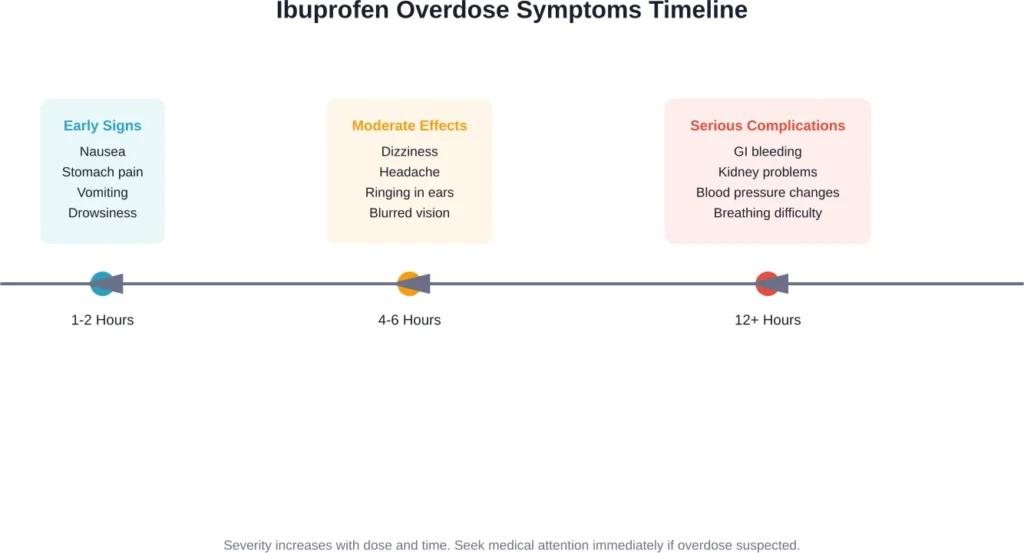
When someone takes significantly more than the recommended dose, symptoms can appear within hours. The severity depends on the amount consumed and individual factors like age, weight, and existing health conditions.
Gastrointestinal Symptoms
The digestive system typically shows the first signs of trouble. Nausea ranks among the most common immediate reactions, often accompanied by vomiting. Stomach pain and abdominal discomfort follow closely behind.
These aren’t just minor annoyances. They signal that the stomach lining is under attack. Without adequate prostaglandin protection, stomach acid can damage the mucous barrier that normally shields delicate tissues.
Neurological Effects
The nervous system can also react to ibuprofen overdose. Headache, dizziness, and drowsiness appear frequently in overdose cases. Some individuals experience confusion or disorientation.
In severe overdoses, more serious neurological symptoms can develop, though these are less common with ibuprofen compared to other pain medications.
Other Acute Symptoms
Ringing in the ears (tinnitus) occurs in some cases. Blurred vision has been reported. Rapid breathing or difficulty breathing can indicate a more serious situation requiring immediate medical attention.
According to the NIH’s LiverTox database, side effects are not common, but may include headache, dizziness, somnolence, dyspepsia, nausea, abdominal discomfort, heartburn, diarrhea, peripheral edema, infertility, fetal toxicity, and hypersensitivity reactions.
Long-Term Consequences of Chronic Ibuprofen Overuse
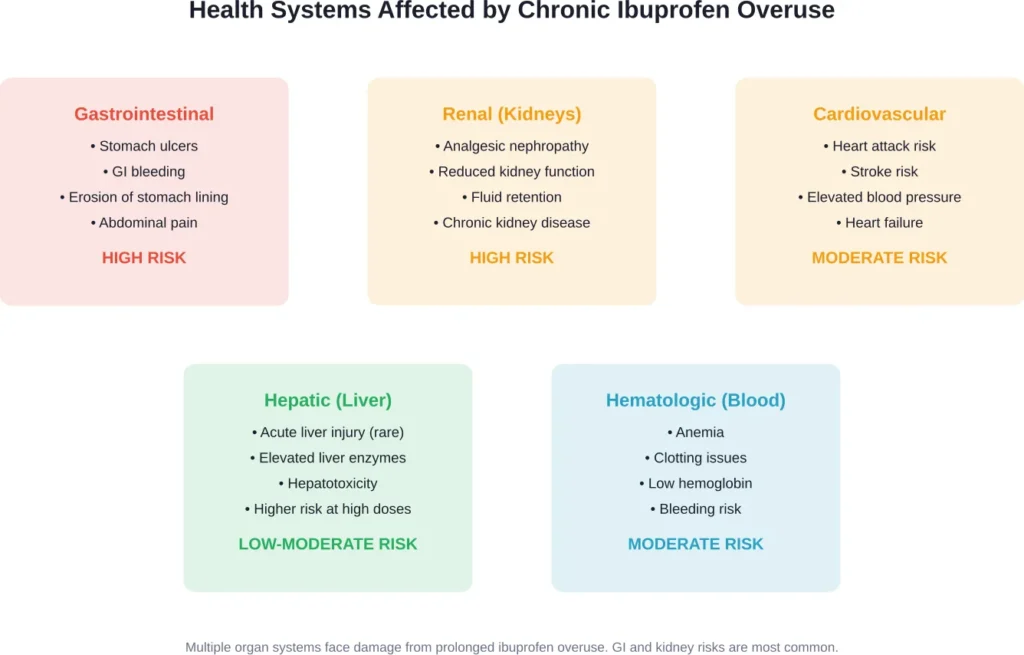
A single overdose can cause problems, but chronic overuse—taking too much ibuprofen regularly over weeks or months—creates different, often more insidious dangers.
Gastrointestinal Damage and Bleeding
Prolonged NSAID use significantly increases the risk of stomach ulcers and gastrointestinal bleeding. The protective mucous layer of the stomach gradually erodes without adequate prostaglandin production.
These ulcers can bleed slowly over time, leading to anemia, or rupture suddenly, creating a medical emergency. Dark or tarry stools, bloody vomit, and persistent stomach pain signal potential GI bleeding. NSAIDs cause an increased risk of serious gastrointestinal adverse events including bleeding, ulceration, and perforation of the stomach or intestines, which can be fatal. These events can occur at any time during use and without warning symptoms.
According to the NIH’s LiverTox database, while ibuprofen is considered among the safest NSAIDs and is generally well tolerated, it can nevertheless rarely cause clinically apparent and serious acute liver injury, particularly when given in high therapeutic doses.
Kidney Damage
The kidneys rely on prostaglandins to maintain proper blood flow and filtration. Long-term ibuprofen overuse can lead to analgesic nephropathy—damage to the internal structures of the kidney caused by prolonged exposure to pain medications.
Early kidney damage often produces no symptoms. By the time signs appear—such as decreased urine output, swelling in the legs and ankles, or fatigue—significant damage may have already occurred.
MedlinePlus describes analgesic nephropathy as damage to one or both kidneys caused by overexposure to mixtures of medicines, especially over-the-counter pain medicines.
Cardiovascular Risks
The FDA includes a boxed warning—the strongest type—on ibuprofen labeling about cardiovascular thrombotic events. Nonsteroidal anti-inflammatory drugs cause an increased risk of serious cardiovascular thrombotic events, including myocardial infarction and stroke, which can be fatal.
This risk may occur early in treatment and may increase with duration of use. The danger exists even for people without existing heart disease, though those with cardiovascular conditions face elevated risk.
Blood pressure can also increase with regular NSAID use, potentially complicating management for those with hypertension.
Other Long-Term Effects
Hematologic toxicity represents another concern. NSAIDs can affect blood clotting and hemoglobin levels. Monitoring becomes important for those on long-term therapy.
Peripheral edema—swelling in the extremities—can develop. Fertility issues have been documented in some cases. FDA labeling also warns about fetal toxicity, advising against NSAID use in women at about 30 weeks gestation and later due to risks of oligohydramnios, fetal renal dysfunction, and premature closure of the fetal ductus arteriosus.
Factors That Increase Overdose Risk
Not everyone faces the same level of risk when taking ibuprofen. Several factors amplify the potential for adverse effects.
Age Considerations
Older adults metabolize medications differently. Kidney function naturally declines with age, making it harder to eliminate ibuprofen from the system. This can lead to higher drug concentrations in the blood even at standard doses.
Children also require special attention. Dosing for pediatric patients is typically based on weight, and adult formulations can easily lead to accidental overdose in younger populations.
Pre-Existing Health Conditions
Certain medical conditions dramatically increase risk. People with liver disease should consult healthcare professionals before using ibuprofen, as compromised liver function can impair drug metabolism.
Those with existing kidney disease face compounded risk. Heart disease, high blood pressure, and a history of stomach ulcers all warrant caution. The FDA warns that severe liver damage may occur if someone has three or more alcoholic drinks per day while using acetaminophen. Similar caution applies to NSAIDs when combined with alcohol due to increased gastrointestinal bleeding risk.
Drug Interactions
Ibuprofen interacts with numerous medications. Blood thinners like warfarin combined with ibuprofen increase bleeding risk significantly. Other NSAIDs, corticosteroids, and certain antidepressants can create dangerous combinations.
Aspirin deserves special mention. In a healthy volunteer study, ibuprofen 400 mg given once daily, administered 2 hours prior to immediate-release aspirin (81 mg) for 6 days, showed an interaction with the antiplatelet activity of aspirin.
What to Do If You’ve Taken Too Much Ibuprofen
Realizing an overdose has occurred can be scary. But quick, appropriate action makes a significant difference in outcomes.
Immediate Steps
First, stop taking any additional ibuprofen immediately. Don’t wait to see if symptoms develop—prevention beats treatment.
Call poison control at 1-800-222-1222. This service operates 24 hours a day, 7 days a week. It does NOT need to be an emergency to call. Poison control experts can assess the situation and provide specific guidance based on the amount taken, time elapsed, and individual factors.
Online help is also available at Poisonhelp.org, where users can enter the product and amount for expert guidance.
When to Seek Emergency Care
Call 911 or go to the emergency room immediately if any of these symptoms appear:
- Difficulty breathing or rapid breathing
- Severe drowsiness or loss of consciousness
- Seizures
- Severe abdominal pain
- Vomiting blood or material that looks like coffee grounds
- Black, tarry stools or bloody stools
- Extreme confusion or agitation
The FDA’s MedWatch program encourages reporting serious reactions to medical products, including drugs. If a serious reaction occurs, taking the reporting form to a doctor helps document the incident and contributes to drug safety monitoring.
What Happens at the Emergency Room
Healthcare providers will measure and monitor vital signs, including temperature, pulse, breathing rate, and blood pressure. Blood tests may check kidney and liver function, electrolyte levels, and other indicators.
Treatment depends on the severity and timing of the overdose. Activated charcoal may be given if ingestion occurred recently. Intravenous fluids can help support kidney function and maintain hydration. Medications to protect the stomach lining might be administered.
In severe cases, hospitalization for monitoring and supportive care becomes necessary. There’s no specific antidote for ibuprofen overdose—treatment focuses on managing symptoms and preventing complications.
Safe Ibuprofen Use Guidelines
Prevention remains the best strategy. Following evidence-based guidelines minimizes risk while maintaining effectiveness.
| Factor | Guideline | Additional Notes |
|---|---|---|
| Maximum Single Dose (OTC) | 400 mg | Never exceed without medical advice |
| Maximum Daily Dose (OTC) | 1200 mg | Six 200 mg tablets maximum |
| Time Between Doses | 4-6 hours | Allow full interval before next dose |
| Maximum Duration (Pain) | 10 days | Without medical supervision |
| Maximum Duration (Fever) | 3 days | Seek medical care if fever persists |
| Take With | Food or milk | Reduces stomach irritation |
| Alcohol | Avoid or limit | Increases GI bleeding risk |
Reading Labels Carefully
The most important step in preventing overdose happens before taking any medication: reading and understanding the label. This simple act is the easiest way to prevent errors and overdoses.
All over-the-counter medication labels contain Drug Facts—important information about active ingredients, uses, warnings, doses, and directions. Pay special attention to the active ingredient section, as many combination products contain ibuprofen alongside other medications.
Avoiding Accidental Double-Dosing
Many cold, flu, and pain relief products contain multiple active ingredients. Taking ibuprofen plus a combination cold medicine that also contains ibuprofen leads to unintentional overdose.
Keep a written record of all medications taken, including over-the-counter products. This helps prevent accidental duplication and provides valuable information for healthcare providers.
Special Populations
Pregnant women should avoid NSAIDs, especially in the third trimester. The FDA warns against use at about 30 weeks gestation and later due to serious risks to the developing fetus.
Older adults should start with lower doses and consult healthcare providers before regular use. Those with chronic conditions—particularly kidney, liver, or heart disease—need medical guidance before taking NSAIDs.
Alternatives to High-Dose Ibuprofen
When pain or inflammation persists despite appropriate ibuprofen use, several alternatives exist rather than exceeding safe limits.
Other Pain Relief Options
Acetaminophen (Tylenol) works through different mechanisms and can be used alongside ibuprofen in some cases. But it carries its own risks—the FDA warns that taking too much acetaminophen can cause liver failure and death.
Topical NSAIDs deliver medication directly to affected areas with less systemic absorption. These gels, creams, and patches can be effective for localized pain like arthritis or muscle strains.
Prescription medications offer stronger pain relief when over-the-counter options prove insufficient. Healthcare providers can recommend appropriate alternatives based on individual circumstances.
Non-Pharmaceutical Approaches
Physical therapy addresses underlying causes of pain rather than just masking symptoms. Heat or cold therapy can reduce inflammation and discomfort. Gentle exercise and stretching maintain mobility and reduce stiffness.
Lifestyle modifications—weight management, ergonomic adjustments, stress reduction—can significantly impact chronic pain conditions. These approaches take longer to show results but offer sustainable benefits without medication risks.
Can You Develop Dependence on Ibuprofen?
Unlike opioid pain medications, ibuprofen doesn’t create physical dependence or addiction in the traditional sense. It doesn’t produce euphoria or withdrawal symptoms when stopped.
However, psychological patterns can develop. Someone might habitually reach for ibuprofen at the first sign of discomfort, gradually increasing frequency and dosage. This represents misuse rather than addiction, but it still creates health risks.
Rebound headaches can occur with frequent pain medication use, creating a cycle where the medication itself perpetuates the problem it’s meant to solve. Breaking this pattern often requires medical guidance and alternative pain management strategies.
Understanding Neuropsychiatric Effects
Recent pharmacovigilance data reveals neuropsychiatric side effects deserve more attention than previously recognized. From total cases reported for ibuprofen (n = 58,911) in the EudraVigilance database, 13.9% contained nervous system disorders (n = 8214) and 10.7% entailed psychiatric disorders (n = 6295).
While these effects remain relatively uncommon, mental health awareness is rising, and neurological and psychiatric side effects benefit from increased scrutiny from medical and scientific communities.
Frequently Asked Questions
For adults, taking more than 1200 mg per day of over-the-counter ibuprofen without medical supervision is considered excessive and increases health risks. A single dose exceeding 400 mg also poses greater risk. Prescription-strength ibuprofen can go up to 3200 mg daily, but only under direct medical supervision. The danger threshold varies based on individual factors like age, weight, and existing health conditions.
Early symptoms typically include nausea, vomiting, stomach pain, and drowsiness. These can appear within 1-2 hours of taking an excessive dose. Headache, dizziness, and ringing in the ears may also occur. If any of these symptoms develop after taking ibuprofen, especially in amounts exceeding recommended doses, contact poison control or seek medical attention immediately.
Prolonged overuse of ibuprofen can cause permanent kidney damage through a condition called analgesic nephropathy. The kidneys rely on prostaglandins for proper blood flow and filtration, and chronic NSAID use interferes with this function. Early kidney damage often produces no symptoms, making regular overuse particularly dangerous. Those with pre-existing kidney disease face significantly elevated risk.
Daily ibuprofen use should not exceed 10 days for pain or 3 days for fever without medical supervision. While some conditions may warrant longer-term use under a doctor’s care, daily self-medication with ibuprofen increases the risk of gastrointestinal bleeding, kidney damage, and cardiovascular problems. If pain or inflammation requires daily medication, consult a healthcare provider to explore safer long-term solutions.
Contact poison control immediately at 1-800-222-1222 or use Poisonhelp.org for guidance. Taking 1600 mg at once significantly exceeds the maximum recommended single dose of 400 mg. Stop taking any additional ibuprofen. Monitor for symptoms like severe stomach pain, vomiting, drowsiness, or difficulty breathing. If serious symptoms develop, call 911 or go to the emergency room. Don’t induce vomiting unless instructed by medical professionals.
While the risk is lower at recommended doses, stomach bleeding can occur even with appropriate ibuprofen use, particularly with prolonged use or in high-risk individuals. Those over 60, people with a history of stomach ulcers, those taking blood thinners, and individuals consuming three or more alcoholic drinks daily face increased risk. Taking ibuprofen with food or milk and limiting duration of use can reduce this risk.
Ibuprofen has a relatively short half-life of about 2 hours in most adults, meaning half the dose is eliminated from the bloodstream in that time. Complete elimination typically takes 10-12 hours. However, people with reduced kidney function may take longer to clear the drug, which increases the risk of accumulation with repeated doses. This is why waiting 4-6 hours between doses is important.
Conclusion
Ibuprofen’s effectiveness and accessibility make it one of the most widely used medications worldwide. But this familiarity shouldn’t breed complacency.
Taking too much ibuprofen—whether in a single large dose or through chronic overuse—can damage multiple organ systems. The gastrointestinal tract, kidneys, and cardiovascular system face the greatest risks. While serious complications remain relatively rare at recommended doses, exceeding safe limits significantly increases the probability of adverse effects.
The good news? Most ibuprofen-related problems are preventable. Reading labels carefully, respecting maximum dosages, limiting duration of use, and seeking medical guidance for persistent pain create a safety buffer that protects health while still providing effective symptom relief.
If an overdose occurs—accidental or otherwise—quick action matters. Poison control and emergency services exist precisely for these situations. Don’t hesitate to use them.
And if pain or inflammation requires medication beyond the safe limits of over-the-counter ibuprofen, that’s a clear signal to consult a healthcare provider. Numerous alternatives exist, from other medications to non-pharmaceutical approaches that address underlying causes rather than just masking symptoms.
The bottom line: ibuprofen is safe when used as directed, but “as directed” means something specific. Respect those limits, pay attention to warning signs, and seek professional guidance when needed. That simple approach keeps this useful medication in the category where it belongs—helpful rather than harmful.