
Quick Summary: Putting diesel in a gas car prevents proper combustion because diesel has a lower octane rating than gasoline and won’t ignite correctly in a spark-ignition engine. The vehicle likely won’t start or will run very poorly with engine knocking, stalling, and potential damage to fuel system components. Immediate tank drainage is necessary—don’t attempt to drive the vehicle.
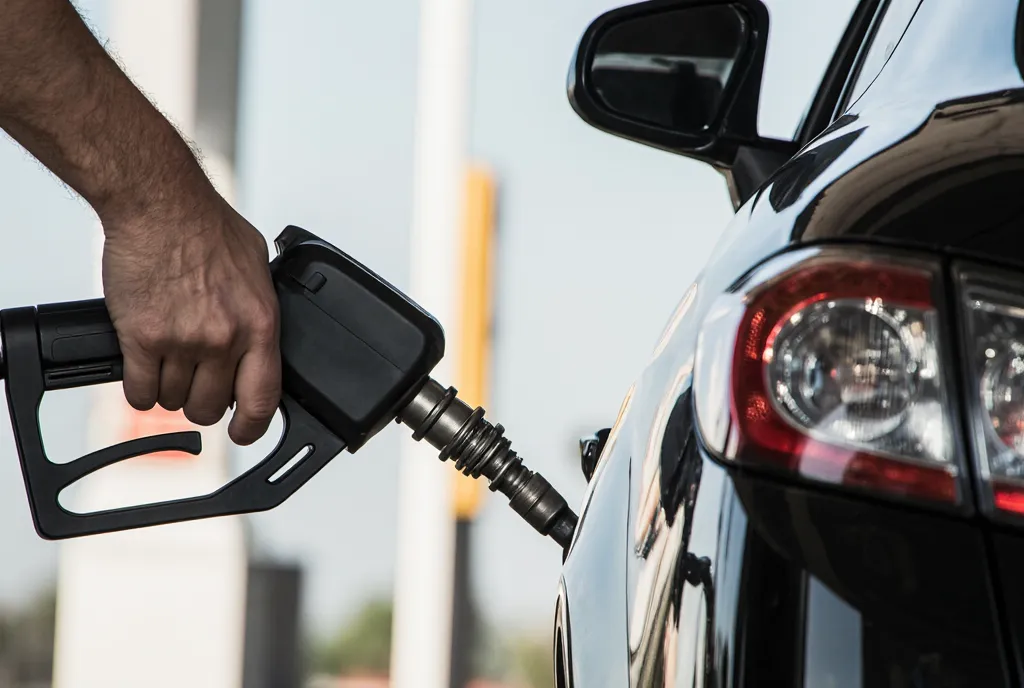
Pulling up to the pump and grabbing the wrong nozzle happens more often than most drivers want to admit. But what exactly happens when diesel fuel ends up in a gasoline engine?
The answer depends on how much diesel was pumped and whether the engine was started. Understanding the difference between these fuels and their combustion properties explains why this mistake can cause significant damage.
Why Diesel and Gasoline Don’t Mix
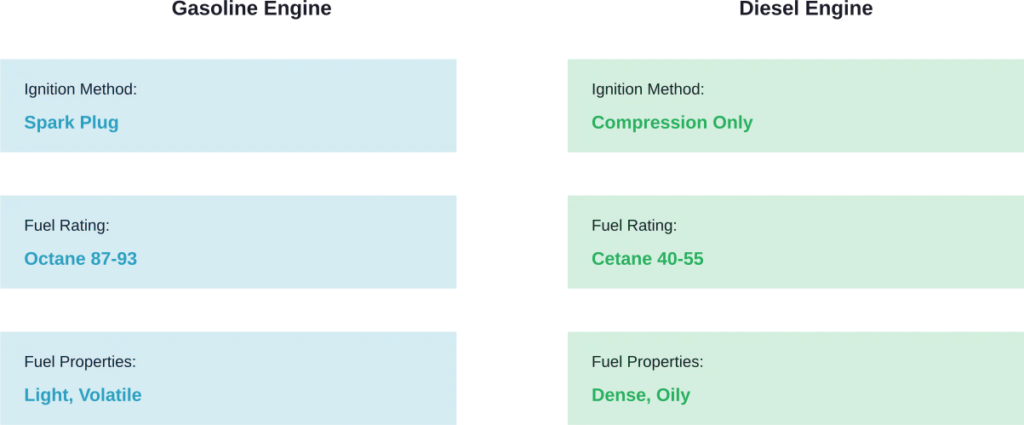
Diesel fuel and gasoline are fundamentally different products designed for engines with completely different operating principles. Gasoline engines rely on spark plugs to ignite a compressed air-fuel mixture, while diesel engines use compression alone to ignite the fuel.
Here’s the thing though—diesel has a much lower octane rating than gasoline. While regular gasoline typically has an octane rating of 87-91, diesel fuel operates on a completely different scale called cetane rating. This matters because gasoline engines are calibrated for fuel that ignites at specific temperatures and pressures.
Diesel fuel is heavier than gasoline (larger molecules) and maintains different density and viscosity than gasoline. It doesn’t vaporize as easily, which means it won’t form the proper air-fuel mixture that spark plugs need to ignite. When diesel enters a gasoline fuel system, it starts causing problems immediately.
Immediate Effects on the Engine
The moment diesel enters a gasoline fuel system, the vehicle faces combustion problems. Since diesel won’t vaporize properly, the spark plugs can’t ignite it effectively.
If only a small amount of diesel was added, the vehicle will experience serious performance issues. According to available information, if the tank is 50% full with diesel, the car probably won’t start.
Engine Won’t Start
The most common scenario: the car simply refuses to start. Diesel fuel can’t create the combustible mixture that gasoline engines need. The starter will crank, but the engine won’t fire because the spark plugs are trying to ignite a fuel that requires compression ignition instead.
Severe Engine Knocking
If the engine does manage to start (usually when there’s still some gasoline in the system), expect aggressive knocking sounds. This knocking occurs because the fuel mixture isn’t burning at the right time or temperature. The lower octane characteristics of diesel cause pre-ignition and detonation issues.
Stalling and Power Loss
Even if the vehicle runs initially, it won’t continue for long. Drivers report immediate stalling, rough idling, and complete power loss. The fuel pump struggles to move the thicker diesel through components designed for gasoline’s lighter viscosity.
Potential Damage to Fuel System Components
Beyond combustion problems, diesel can damage various fuel system parts. The oily nature of diesel affects components differently than they’re designed to handle.
| Component | Type of Damage | Severity |
|---|---|---|
| Fuel Pump | Clogs from improper lubrication | Moderate to High |
| Fuel Injectors | Clogging, improper spray pattern | High |
| Spark Plugs | Fouling from unburned diesel | Moderate |
| Catalytic Converter | Contamination from incomplete combustion | High |
| Oxygen Sensors | Fouling from excess hydrocarbons | Moderate |
The fuel injectors are particularly vulnerable. Diesel’s different viscosity and combustion properties mean the injectors can’t atomize it properly, though clogging and fouling are primary concerns.
Real talk: running the engine compounds these problems exponentially. Every second the engine operates on diesel causes more contamination throughout the entire fuel system.
What to Do If You Put Diesel in a Gas Car
Catching the mistake early makes all the difference. Here’s exactly what to do based on how much diesel was pumped.
If You Haven’t Started the Engine
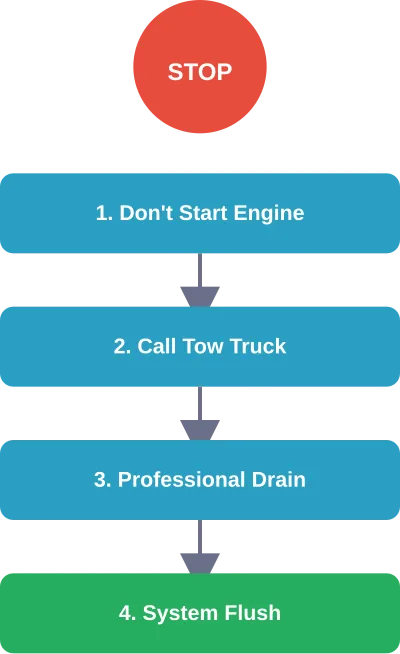
This is the best-case scenario. Don’t turn the key. Don’t even put it in the ignition.
Call for a tow truck immediately. The vehicle needs to be transported to a repair shop where mechanics can drain the tank and flush the fuel lines. This prevents diesel from reaching the engine and causing further damage.
If You’ve Already Started Driving
Stop driving as soon as it’s safe to do so. Continuing to operate the vehicle pushes diesel through the entire fuel system, contaminating components and increasing repair costs.
Approximate how much diesel was pumped into the gas tank. According to available information, if the tank is 50% full with diesel, the car probably won’t start at all. Smaller amounts—just a few dollars worth—still require immediate attention but may cause less severe damage.
Have the vehicle towed. Don’t attempt to dilute the diesel by adding more gasoline and driving it out. This doesn’t work and risks permanent engine damage.
The Repair Process
Professional mechanics will drain the fuel tank completely, then flush the fuel lines, fuel rail, and injectors. They’ll replace the fuel filter and check all components for contamination.
If the engine was run on diesel, additional inspection of spark plugs, oxygen sensors, and the catalytic converter may be necessary. These components can sustain damage from the incomplete combustion of diesel fuel.
Prevention Tips
While diesel nozzles are typically larger than gasoline nozzles (designed to prevent this exact mistake), it’s still possible to force the wrong fuel into a gas car at some pumps.
Pay attention at the pump. Diesel pumps are usually clearly marked and often separated from gasoline pumps. The handles are frequently colored differently—green or black for diesel versus red for regular gasoline.
Slow down when refueling. Rushing leads to mistakes. Take an extra second to verify the fuel grade before pumping.
Frequently Asked Questions
Yes, even small amounts can cause problems. While a few drops might dilute enough not to prevent starting, according to available information, if the tank is 50% full with diesel, the car probably won’t start. Any noticeable amount requires professional tank drainage to avoid engine damage and fuel system contamination.
The engine will run very poorly with severe knocking, power loss, and eventually stall. Diesel can’t vaporize properly for spark ignition, causing incomplete combustion. Continuing to drive pushes diesel through the entire fuel system, damaging injectors, fouling spark plugs, and potentially contaminating the catalytic converter.
Repair costs vary based on how much diesel was added and whether the engine was started. A simple tank drain and fuel system flush typically ranges from several hundred dollars. If the engine was run extensively on diesel, costs increase significantly due to potential spark plug replacement, injector cleaning, and oxygen sensor or catalytic converter damage.
Generally speaking, gasoline in a diesel engine is considered more immediately dangerous because gasoline can cause catastrophic damage to diesel fuel injection systems. However, diesel in a gas car still causes serious problems and requires immediate professional intervention. Neither mistake should be taken lightly.
No, don’t attempt this. While dilution might seem logical, diesel remains in the system and will still cause combustion problems, engine knocking, and component damage. Professional tank drainage and system flushing is the only safe solution. Attempting to drive it out risks permanent engine damage that costs far more than proper repair.
Most standard auto insurance policies don’t cover misfueling because it’s considered driver error rather than an accident. However, some comprehensive policies or mechanical breakdown insurance might offer coverage. Check policy details with the insurance provider before assuming coverage.
Professional tank draining and fuel system flushing typically takes 2-4 hours, depending on vehicle design and how much fuel needs removal. If components require replacement or additional cleaning, repair time increases. Schedule the service immediately rather than waiting, as diesel sitting in the system can cause additional corrosion and damage.
The Bottom Line
Putting diesel in a gas car creates immediate combustion problems due to incompatible fuel properties. The lower octane rating and different physical characteristics of diesel prevent proper ignition in spark-based gasoline engines.
Catching the mistake before starting the engine minimizes damage and repair costs. But once diesel enters the fuel system, professional drainage and flushing become necessary to prevent serious engine damage.
If this happens to your vehicle, don’t panic—but don’t drive it either. Call for a tow and have the fuel system properly cleaned. Taking quick action prevents a simple mistake from becoming an expensive engine repair.