
Quick Summary: Swallowing small amounts of Orajel (benzocaine gel) typically causes minor side effects like stomach upset, nausea, or a numbing sensation in the throat. However, larger amounts or frequent ingestion can lead to serious complications including methemoglobinemia, a dangerous blood condition that reduces oxygen-carrying capacity. If you’ve swallowed Orajel, contact poison control immediately at 1-800-222-1222 for guidance.
Orajel is one of the most recognized brands for oral pain relief, commonly used for toothaches, canker sores, and minor mouth irritations. The active ingredient in most medicated Orajel formulations is benzocaine, a topical anesthetic that numbs pain on contact.
But here’s the thing—Orajel is designed for external application to gums and mouth tissues, not for swallowing. Accidental ingestion happens more often than you’d think, especially with children or during rushed application. Understanding what happens when Orajel enters the digestive system is crucial for safety.
Understanding Orajel and Benzocaine
Orajel comes in multiple formulations including gels, creams, swabs, and liquids. According to the official Orajel website, the brand specializes in providing oral pain relief for adults and temporarily relieving symptoms associated with cutting teeth in infants.
Medicated Orajel products contain benzocaine concentrations ranging from 10% to 20%, depending on the specific formulation. For example, Orajel 4X Medicated for Toothache & Gum Cream contains benzocaine 20%, menthol 0.26%, and benzalkonium chloride 0.13%.
Benzocaine works by blocking nerve signals in the body, creating a numbing effect. When applied topically to mouth tissues, it provides temporary pain relief. The problem? This local anesthetic can cause serious complications when ingested.
Immediate Effects of Swallowing Orajel
When someone swallows Orajel, the benzocaine doesn’t just disappear. The body absorbs it, and that’s where complications begin.
Normal side effects from swallowing small amounts include stomach upset and indigestion. A numbing sensation may spread down the throat and esophagus, which can feel unsettling but typically resolves within hours.
The throat might feel constricted or numb, though actual closure is rare with small amounts. However, this numbness can interfere with normal swallowing reflexes temporarily.
Symptoms to Watch For
After swallowing Orajel, monitor for these symptoms:
- Nausea and vomiting
- Stomach pain or cramping
- Throat numbness lasting more than 30 minutes
- Difficulty swallowing or breathing
- Dizziness or lightheadedness
- Unusual skin color changes (pale, gray, or bluish)
Most concerning are symptoms related to methemoglobinemia, a rare but serious blood disorder caused by benzocaine.
The Methemoglobinemia Risk
According to the FDA, benzocaine can cause methemoglobinemia, a condition where the bloodstream cannot carry oxygen effectively throughout the body. This is the most dangerous complication of benzocaine ingestion.
The Northern New England Poison Center explains that even small amounts of benzocaine are dangerous for infants, as their bodies are particularly vulnerable to this blood oxygen disruption.
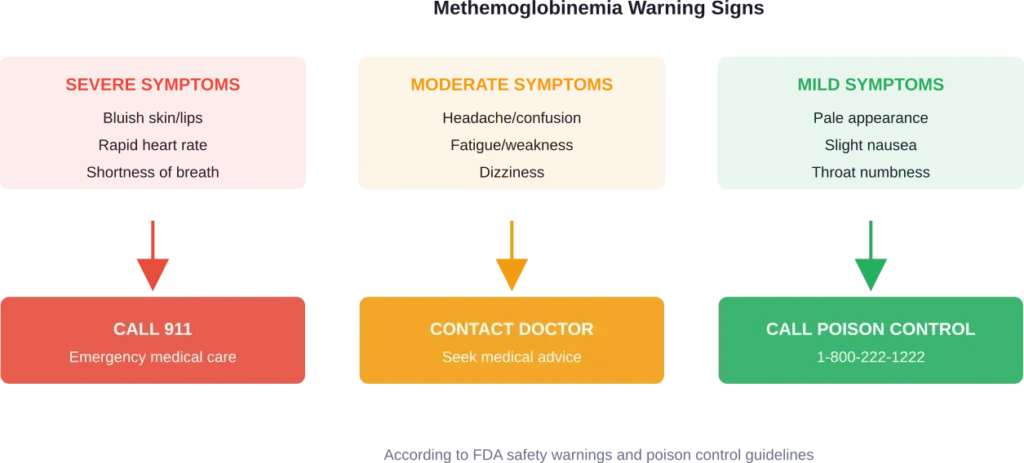
The condition can develop rapidly, sometimes within minutes to hours after exposure. Delays in treatment can result in more severe symptoms or even death, according to Poison Control resources.
Special Risks for Infants and Children
The FDA has issued strong warnings about benzocaine use in children under two years old. According to Poison Control, benzocaine teething gels are particularly dangerous for infants because the substance prevents proper oxygen circulation.
In a documented case from poison control resources, an 18-month-old girl played with a tube of Baby Orajel containing benzocaine. She had the product all over her hands, and her mother smelled it on her breath—illustrating how easily accidental ingestion occurs.
According to the official Orajel website, Orajel Baby products are now benzocaine-free and drug-free, using naturally sourced ingredients instead. All Orajel Baby products are safe for babies when used as directed.
What to Do If Orajel Is Swallowed
Here’s the critical action plan:
Step 1: Don’t panic. Small amounts typically cause only minor discomfort.
Step 2: Contact poison control immediately. Call 1-800-222-1222 or visit Poisonhelp.org for expert guidance. This service is free, confidential, and available 24/7.
Step 3: Have information ready. Know the product name, active ingredients, amount swallowed (estimate if unsure), and the person’s age and weight.
Step 4: Do NOT induce vomiting unless specifically instructed by medical professionals.
Step 5: Monitor symptoms closely. Watch for breathing difficulties, skin color changes, or signs of distress.
| Amount Swallowed | Typical Response | Action Required |
|---|---|---|
| Trace amount (rice grain size) | Mild throat numbness, possible nausea | Contact poison control for guidance |
| Pea-sized amount | Stomach upset, throat numbness, nausea | Contact poison control; monitor closely |
| Large amount (multiple applications) | Significant numbness, vomiting, potential methemoglobinemia | Contact poison control immediately; seek emergency care if severe symptoms |
| Entire tube or repeated ingestion | High risk of methemoglobinemia, serious toxicity | Call 911 and poison control |
Medical Treatment Options
If someone develops methemoglobinemia from benzocaine ingestion, hospitals have specific treatments available. The primary antidote is methylene blue, administered intravenously to restore the blood’s oxygen-carrying capacity.
According to Poison Control, antidotes and medical treatments are available in hospitals, but delays in seeking care can result in severe outcomes. Time matters significantly with benzocaine toxicity.
Medical professionals may also provide supportive care including oxygen therapy, IV fluids, and monitoring of vital signs until the benzocaine clears the system.
Prevention Strategies
Preventing accidental ingestion is far better than treating it. Store Orajel and similar products out of children’s reach, preferably in locked cabinets.
Apply only the recommended amount. More isn’t better with topical anesthetics—excess product increases swallowing risk and doesn’t improve pain relief.
For children under two, avoid benzocaine products entirely. The FDA recommends against using benzocaine teething preparations for this age group. The official Orajel website offers benzocaine-free alternatives specifically formulated for infant safety.
Read labels carefully. Benzocaine appears in various oral care products under different brand names including Anbesol, Hurricane, and others.
Frequently Asked Questions
In rare cases, yes. Large amounts of benzocaine can cause methemoglobinemia, a potentially fatal blood disorder. However, small accidental amounts typically cause only minor symptoms. The risk increases significantly with large ingestions or in young children.
Benzocaine is metabolized relatively quickly, typically within 2-4 hours for minor exposures. However, symptoms—especially numbness—may persist for several hours. Methemoglobinemia symptoms can develop within minutes to hours after ingestion.
True throat closure from Orajel ingestion is extremely rare. The numbing sensation can make swallowing feel difficult or create a sensation of throat tightness, but actual airway closure is not a typical reaction. If breathing difficulties occur, seek emergency care immediately.
Orajel is designed for topical application only. While tiny amounts inadvertently swallowed during normal use typically don’t cause serious harm in adults, the product should never be intentionally swallowed. Apply sparingly and avoid excessive use to minimize ingestion risk.
According to the official Orajel website, Baby Orajel products are now benzocaine-free, using naturally sourced ingredients like chamomile instead. Adult formulations contain benzocaine concentrations from 7.5% to 20%. This distinction is critical for safety.
Contact poison control first at 1-800-222-1222. They’ll assess the situation and advise whether hospital care is needed. Go to the emergency room immediately if you experience bluish skin, difficulty breathing, rapid heart rate, confusion, or other severe symptoms.
Yes, benzocaine is toxic to pets, particularly cats and dogs. If a pet ingests Orajel, contact a veterinarian or pet poison control immediately. Keep all oral pain relief products secured away from animals.
When Professional Help Is Non-Negotiable
Some situations require immediate emergency care without delay. Call 911 if the person who swallowed Orajel experiences bluish or grayish skin color, severe difficulty breathing, loss of consciousness, seizures, or rapid deterioration of condition.
For infants and children under two years old, any ingestion of benzocaine-containing products warrants immediate medical consultation. Their smaller body size and developing systems make them particularly vulnerable to toxicity.
Real talk: benzocaine toxicity isn’t something to manage at home if symptoms are moderate to severe. The risk of methemoglobinemia is legitimate and potentially life-threatening.
The Bottom Line on Orajel Ingestion
Orajel serves a valuable purpose for oral pain relief when used as directed. But swallowing it—accidentally or otherwise—introduces real risks that shouldn’t be dismissed.
Small amounts typically cause manageable symptoms like stomach upset and throat numbness. Larger amounts or ingestion by young children can trigger methemoglobinemia, a serious blood disorder requiring emergency treatment.
If you or someone else swallows Orajel, contact poison control immediately at 1-800-222-1222. Don’t wait to see if symptoms develop—early intervention prevents complications.
Store benzocaine products safely, use them sparingly, and never give benzocaine formulations to children under two. For infant teething relief, stick with benzocaine-free alternatives now available from Orajel and other manufacturers.
Your safety matters more than temporary pain relief. When in doubt, reach out to medical professionals for guidance.