

Quick Summary: Low blood pressure (hypotension) occurs when blood flows through blood vessels at pressures below 90/60 mm Hg. While some people experience no symptoms, others may develop dizziness, fainting, blurred vision, and fatigue. Treatment depends on the underlying cause and severity of symptoms.
Most people worry about high blood pressure. But what happens when the opposite occurs?
Low blood pressure might sound harmless. For many people, it is. For others, though, it signals something more serious happening beneath the surface.
According to the National Heart, Lung, and Blood Institute, low blood pressure occurs when blood flows through blood vessels at lower than normal pressures. The medical term is hypotension, and it’s defined as a reading below 90/60 mm Hg.
Here’s the thing though—not everyone with low blood pressure experiences problems. Some people live their entire lives with readings in this range without any symptoms. The difference comes down to whether the body can adapt.
Understanding What Blood Pressure Numbers Mean
Blood pressure measures the force of blood pushing against artery walls as the heart pumps. It’s recorded as two numbers: systolic and diastolic.
Systolic pressure (the top number) measures the force when the heart beats. Diastolic pressure (the bottom number) measures the force when the heart rests between beats.
A reading below 90/60 mm Hg is considered low. But context matters.

Common Symptoms When Blood Pressure Drops Too Low
When blood pressure falls below the level the body can compensate for, symptoms emerge quickly. These warning signs shouldn’t be ignored.
The most common symptoms include:
- Dizziness or lightheadedness
- Fainting (syncope)
- Blurred or narrowing vision
- Nausea
- Fatigue and weakness
- Difficulty concentrating
- Cold, clammy skin
According to the National Heart, Lung, and Blood Institute and other health authorities, these symptoms typically occur because insufficient blood reaches the brain and other vital organs.
Orthostatic hypotension represents a specific type of low blood pressure. It happens when blood pressure drops suddenly upon standing from a sitting or lying position.
An estimated 5% of people have orthostatic hypotension at age 50, while that figure climbs to more than 30% in people over 70.
What Causes Blood Pressure to Drop
Multiple factors can trigger low blood pressure. Some are temporary and harmless. Others require medical attention.
Dehydration and Blood Volume Loss
When the body loses more water than it takes in, blood volume decreases. This reduction directly lowers blood pressure.
Severe dehydration from vomiting, diarrhea, or excessive sweating can cause dramatic drops. Even mild dehydration affects some people.
Medication Side Effects
According to CDC guidance, numerous medications can lower blood pressure as a side effect. These include diuretics, beta blockers, certain antidepressants, and drugs used to treat Parkinson’s disease.
The interaction between heat and medications can intensify these effects, potentially leading to serious complications.
Heart Conditions
The National Heart, Lung, and Blood Institute notes that heart problems sometimes manifest as low blood pressure. Extremely low heart rate, heart valve issues, and heart failure can all reduce blood pressure.
Research published in 2018 in JAMA Cardiology found that among hospitalized patients with heart failure with preserved ejection fraction, a systolic blood pressure level less than 120 mm Hg is associated with poor outcomes, including a higher risk of death.
Endocrine Problems
Thyroid conditions, adrenal insufficiency, and low blood sugar can all trigger hypotension. These hormonal imbalances disrupt the body’s ability to regulate blood pressure.
Severe Infection
When bacteria enter the bloodstream, it can lead to septic shock. According to the CDC, conditions like streptococcal toxic shock syndrome require immediate hospital care and focus on managing low blood pressure and organ failure.
| Cause Category | Common Examples | Onset Speed |
|---|---|---|
| Dehydration | Vomiting, diarrhea, fever | Hours to days |
| Medications | Blood pressure drugs, diuretics | Minutes to hours |
| Heart conditions | Bradycardia, valve disease | Gradual or sudden |
| Endocrine disorders | Hypothyroidism, adrenal issues | Weeks to months |
| Severe infection | Sepsis, toxic shock | Hours |
When Low Blood Pressure Becomes Dangerous
Not all low blood pressure requires treatment. Athletes and young adults often have naturally low readings without any health problems.
The concern arises when hypotension causes symptoms or indicates an underlying condition.
Sudden, severe drops can reduce oxygen delivery to the brain and other organs. This can lead to shock—a life-threatening emergency requiring immediate medical intervention.
Warning signs of shock include:
- Confusion or altered mental state
- Rapid, shallow breathing
- Weak, rapid pulse
- Cold, pale, clammy skin
Research into orthostatic hypotension shows it increases the risk of falls, cardiovascular disease, dementia, and depression. The connection between low blood pressure and adverse outcomes depends heavily on individual health status.
Treatment Options and Management
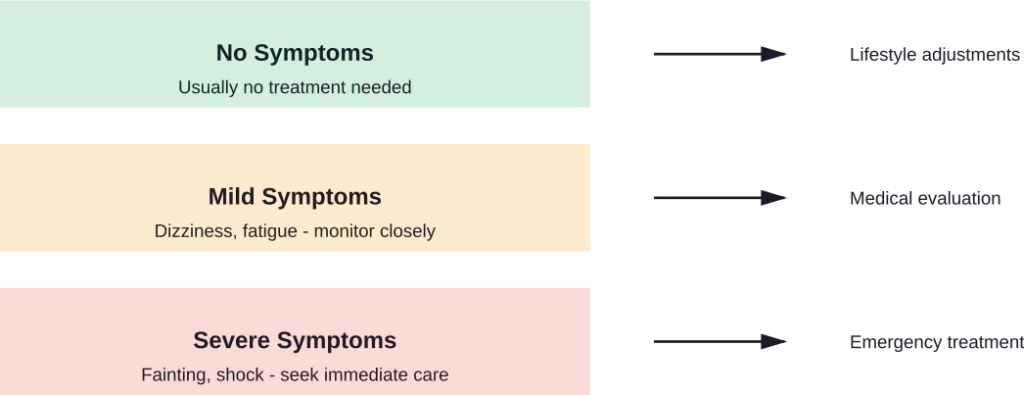
Treatment for low blood pressure focuses on addressing the underlying cause and managing symptoms.
For cases without symptoms, no treatment may be necessary. When symptoms occur, several approaches can help.
Dietary Changes
Increasing salt intake can raise blood pressure in some people. This should only be done under medical supervision, as excess sodium creates other health risks.
Drinking more fluids—particularly water—increases blood volume. Small, frequent meals help prevent post-meal blood pressure drops.
Lifestyle Modifications
Standing up slowly gives the body time to adjust. Wearing compression stockings helps prevent blood from pooling in the legs.
Avoiding prolonged standing and crossing legs while sitting can also help maintain blood pressure.
Medication Adjustments
If medications are causing low blood pressure, healthcare providers may adjust dosages or switch to alternatives. Never stop taking prescribed medications without medical guidance.
Medications to Raise Blood Pressure
In some cases, medications that increase blood volume or constrict blood vessels may be prescribed. These are typically reserved for severe cases that don’t respond to other interventions.
Frequently Asked Questions
Generally speaking, blood pressure below 90/60 mm Hg is considered low. But what’s too low varies by individual. Some people function normally with readings in this range, while others develop symptoms. The presence of symptoms matters more than the specific number.
While high blood pressure is a well-known risk factor for heart attacks, extremely low blood pressure can also be dangerous. When blood pressure drops too low, the heart and other organs don’t receive adequate blood flow and oxygen. This can lead to organ damage, including heart damage in severe cases.
Fatigue is a common symptom of low blood pressure. When insufficient blood reaches the brain and muscles, feelings of weakness and exhaustion often result. If persistent fatigue accompanies other symptoms like dizziness or blurred vision, medical evaluation is warranted.
Foods higher in salt can help raise blood pressure, though this approach requires medical oversight. Drinking plenty of water and eating smaller, more frequent meals prevents post-meal blood pressure drops. Foods rich in vitamin B12 and folate support healthy blood production.
Dehydration is one of the most common causes of low blood pressure. When the body loses more fluid than it takes in, blood volume decreases, leading to lower pressure. Even mild dehydration can trigger symptoms in susceptible individuals. Severe dehydration requires immediate medical attention.
Genetic factors can influence blood pressure regulation. Some people inherit a tendency toward lower blood pressure readings. Family history of certain conditions affecting blood pressure—like endocrine disorders—can also increase risk. But environmental and lifestyle factors play significant roles as well.
Seek emergency care if low blood pressure is accompanied by confusion, rapid breathing, weak pulse, cold or clammy skin, or loss of consciousness. These symptoms may indicate shock or another serious condition requiring immediate treatment. Sudden, severe drops in blood pressure always warrant urgent evaluation.
Living with Low Blood Pressure
For many people, low blood pressure is simply part of their baseline health. No intervention is needed if symptoms don’t occur.
When symptoms do appear, identifying and addressing the underlying cause makes the biggest difference. Working with healthcare providers to adjust medications, treat underlying conditions, and implement lifestyle modifications usually provides effective management.
Monitoring blood pressure at home helps track patterns and identify triggers. Keep a log of readings along with notes about symptoms, activities, and meals.
The key is recognizing when low blood pressure signals a problem versus when it’s simply individual variation. Persistent symptoms or sudden changes deserve medical evaluation to rule out serious underlying conditions.
Understanding what happens when blood pressure drops too low empowers better health decisions and timely intervention when needed.