

Quick Summary: If you miss a dose of Zepbound (tirzepatide), take it as soon as possible within 4 days of the scheduled injection. If more than 4 days have passed, skip the missed dose and resume your regular schedule with the next planned injection. Avoid doubling up on doses to make up for a missed one.
Missing prescription medication happens to most patients at some point. But when it comes to Zepbound—the brand name for tirzepatide used for weight management—the protocol for getting back on track differs significantly from other medications.
Zepbound is a dual GLP-1/GIP receptor agonist approved by the FDA for chronic weight management. According to MedlinePlus, tirzepatide works by activating both glucose-dependent insulinotropic polypeptide (GIP) and glucagon-like peptide-1 (GLP-1) receptors, leading to improved glycemic control and substantial weight reduction.
Understanding what happens when treatment is interrupted matters. Research published in Hospital Pharmacy found that interruptions in GLP-1 receptor agonist therapy can lead to preventable adverse events and even hospital readmissions when patients restart medication incorrectly.
The 4-Day Rule for Missed Zepbound Doses
Here’s the thing though—Zepbound follows a specific timeframe for missed doses that differs from daily medications.
According to official prescribing guidelines, the critical window is four days. If the missed dose is remembered within 4 days (96 hours) of the scheduled injection, patients should administer the dose as soon as possible. The next dose should then follow the regular weekly schedule.
But if more than 4 days have elapsed since the missed dose, skip it entirely. Resume treatment with the next regularly scheduled weekly injection. Never take two doses within 3 days of each other to compensate for a missed injection.
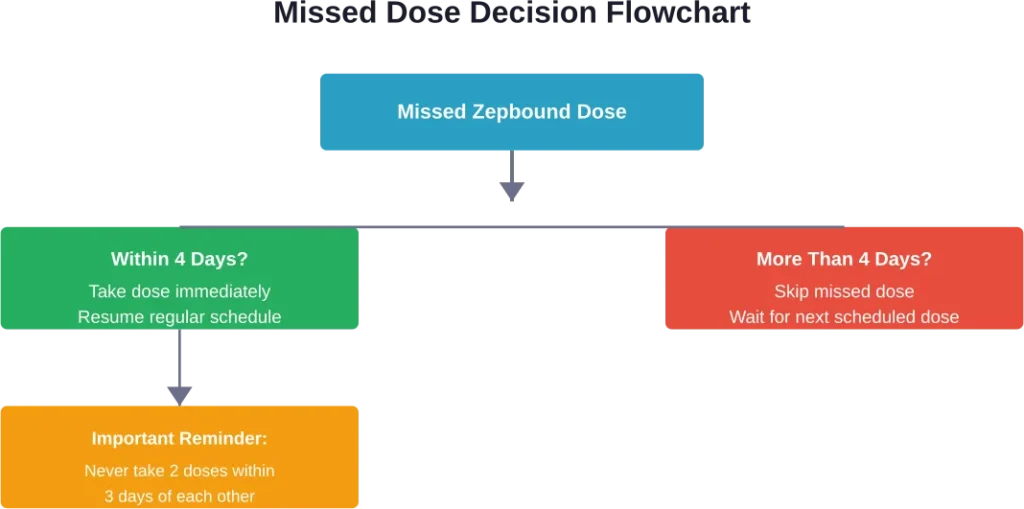
So why does this 4-day window matter? Tirzepatide has a half-life of approximately 5 days, according to population pharmacokinetic studies. This extended half-life means the medication remains active in the system for several days after injection, providing some cushion for minor scheduling disruptions.
What Happens When You Miss Multiple Doses
Missing multiple consecutive doses creates different challenges than a single missed injection.
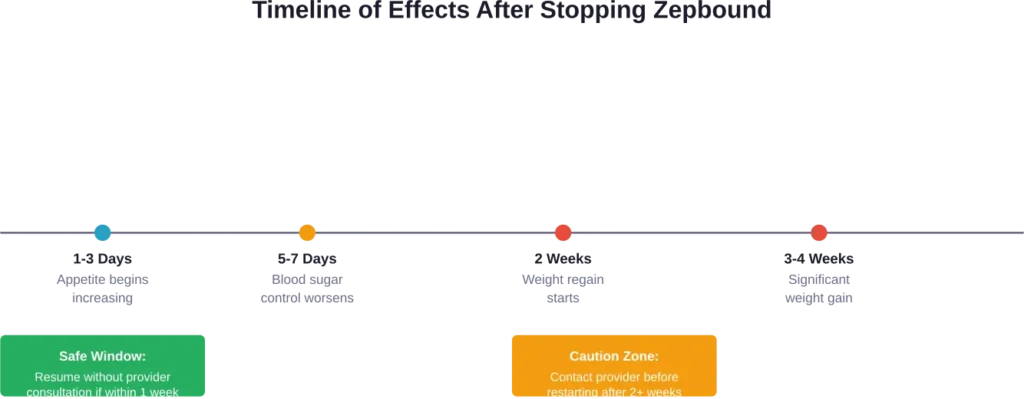
Research on GLP-1 receptor agonists shows that treatment interruption leads to several predictable effects. Without the medication in the system, appetite suppression diminishes significantly. Patients typically experience increased hunger that may result in consuming more calories and potential weight regain.
The gastrointestinal side effects become a concern when restarting after extended gaps. Common side effects of tirzepatide are related to delayed gastric emptying and include nausea, vomiting, dyspepsia, and diarrhea. When treatment is interrupted for two weeks or more, restarting at the same dosage often triggers these gastrointestinal symptoms more intensely.
Restarting After Extended Gaps
Medical literature suggests that patients who miss two or more weeks of GLP-1 medication should consult their healthcare provider before resuming treatment. The provider may recommend restarting at a lower dose and gradually titrating back up to the therapeutic level.
This stepped approach reduces the risk of severe gastrointestinal discomfort and helps the body readjust to the medication’s effects on gastric emptying.
| Duration Missed | Recommended Action | Expected Effects |
|---|---|---|
| 1-4 days | Take dose immediately, resume schedule | Minimal impact on weight loss, minimal side effects |
| 5-7 days | Skip missed dose, take next scheduled dose | Slight appetite increase, minor weight fluctuation |
| 2 weeks | Contact provider before resuming | Increased appetite, possible weight gain, GI symptoms upon restart |
| 3+ weeks | Consult provider, likely restart at lower dose | Significant appetite return, weight regain likely, dose titration needed |
Side Effects and Risks of Treatment Interruption
Real-world safety data from the FDA Adverse Event Reporting System (FAERS) analyzed from 2022 to 2025 reveals important patterns. Among 65,974 reports for tirzepatide, incorrect dose administration was the top adverse event, with strong risk signals documented.
But what about intentional gaps in treatment?
When tirzepatide is discontinued, metabolic changes occur relatively quickly. Blood glucose control in patients with type 2 diabetes may deteriorate within days to weeks. For those using Zepbound specifically for weight management, the absence of GIP and GLP-1 receptor activation means reduced insulin secretion, decreased satiety signaling, and increased food intake.
Studies have found an increased risk for severe side effects including biliary disease, pancreatitis, and bowel obstruction with GLP-1 medications. While these risks exist during treatment, restarting medication after prolonged interruption without proper medical guidance potentially compounds these concerns.
Practical Tips to Avoid Missing Doses
Prevention remains easier than correction when it comes to maintaining consistent Zepbound treatment.
Set consistent injection days. Most patients choose the same day each week—Saturday mornings, Sunday evenings, or Wednesday afternoons. Consistency creates routine, and routine reduces forgetfulness.
Smartphone reminders work effectively. Set recurring weekly alarms for 30 minutes before the planned injection time. Some patients set backup reminders for the evening before to ensure medication is ready and accessible.
Keep medication visible. Store Zepbound in the refrigerator where it’s seen regularly. Out of sight often means out of mind for weekly medications that don’t require daily attention.
Track doses in a calendar or health app. Visual confirmation of completed injections helps identify missed doses quickly, while still within the 4-day window for correction.
Planning for Travel and Schedule Disruptions
Travel creates predictable challenges for maintaining weekly injection schedules. Patients may have some flexibility in adjusting injection timing for schedule conflicts, though specific guidelines should be confirmed with their healthcare provider.
For longer travel, pack medication in carry-on luggage with proper temperature management. Storage requirements should be confirmed with the prescribing provider or medication package insert.
Supply Shortages and Medication Availability
Real talk: medication shortages have affected GLP-1 medications periodically since 2022. When pharmacy supply runs out, patients face unintended treatment gaps.
Contact the prescribing provider immediately if medication won’t be available on schedule. Providers may authorize prescription transfers to pharmacies with available stock, connect patients with manufacturer support programs, or develop temporary dosing strategies during shortage periods.
Some healthcare systems maintain priority lists for continuing patients versus new starts during shortage periods. Establishing care with providers experienced in managing GLP-1 medications helps ensure continuity of treatment access.
When to Contact Your Healthcare Provider
Certain situations require professional medical guidance rather than self-management.
Contact the provider if doses are missed for more than one week. The appropriate restart protocol depends on individual factors including current dose level, treatment duration, underlying health conditions, and reason for prescription (diabetes management versus weight loss).
Reach out before resuming if severe gastrointestinal side effects occurred during initial titration. Patients who experienced significant nausea, vomiting, or other adverse reactions when first starting Zepbound face higher risk of these symptoms recurring after treatment gaps.
Discuss any changes in health status that occurred during the gap. New medications, changes in kidney or liver function, pregnancy, or development of pancreatitis symptoms all warrant provider evaluation before restarting tirzepatide.
Frequently Asked Questions
No. Never take two doses within 3 days of each other. Taking doses too close together increases the risk of severe gastrointestinal side effects and other adverse reactions without providing additional therapeutic benefit.
Missing a single dose typically won’t cause significant weight regain. Tirzepatide remains active in the body for several days due to its long half-life. However, appetite may increase slightly, and consistently missed doses will result in weight regain over time.
Generally speaking, gaps of two weeks or longer often require restarting at a reduced dose and titrating back up. The exact protocol depends on individual tolerance, current dose level, and provider recommendation. Always consult the prescribing provider for gaps exceeding one week.
If exactly 4 days (96 hours) have passed, take the dose immediately. The guideline specifies “within 4 days,” meaning up to and including the fourth day. After that point, skip the missed dose and resume with the next scheduled injection.
Occasional missed doses within the 4-day window typically don’t impact long-term effectiveness. However, frequent interruptions or extended gaps reduce the medication’s ability to maintain steady blood levels, which can diminish weight loss results and metabolic benefits over time.
Yes. After taking a missed dose within the 4-day window, patients can establish a new regular schedule starting from that injection. For example, if the regular day is Saturday but a dose is taken on Tuesday, the new weekly schedule can continue on Tuesdays going forward.
If uncertain whether a dose was administered, do not take another injection. Taking a double dose poses significant health risks. Instead, inspect the pen to check remaining doses, review any tracking methods in use, and contact the healthcare provider or pharmacist for guidance. When in doubt, wait until the next scheduled dose.
Staying on Track With Zepbound Treatment
Consistency makes the difference between achieving weight loss goals and experiencing frustrating setbacks. The 4-day rule provides a clear, evidence-based guideline for handling the inevitable missed injection.
Remember the basics: take missed doses within 4 days, skip doses beyond that window, never double up, and contact providers for gaps exceeding one week. These simple protocols protect against adverse effects while maintaining treatment effectiveness.
Tirzepatide represents a significant advancement in weight management therapy, with research demonstrating substantial and sustained weight reduction. According to clinical trials, clinical trials have demonstrated substantial weight reduction when medication adherence is maintained.
Building systems to prevent missed doses—consistent scheduling, reminders, visible storage, and dose tracking—reduces the likelihood of treatment interruptions. When gaps do occur, following established protocols ensures safe, effective resumption of therapy.
Talk to the healthcare provider about any concerns regarding dose timing, schedule flexibility, or treatment interruptions. Personalized guidance based on individual health status and treatment response optimizes outcomes and minimizes risks.