
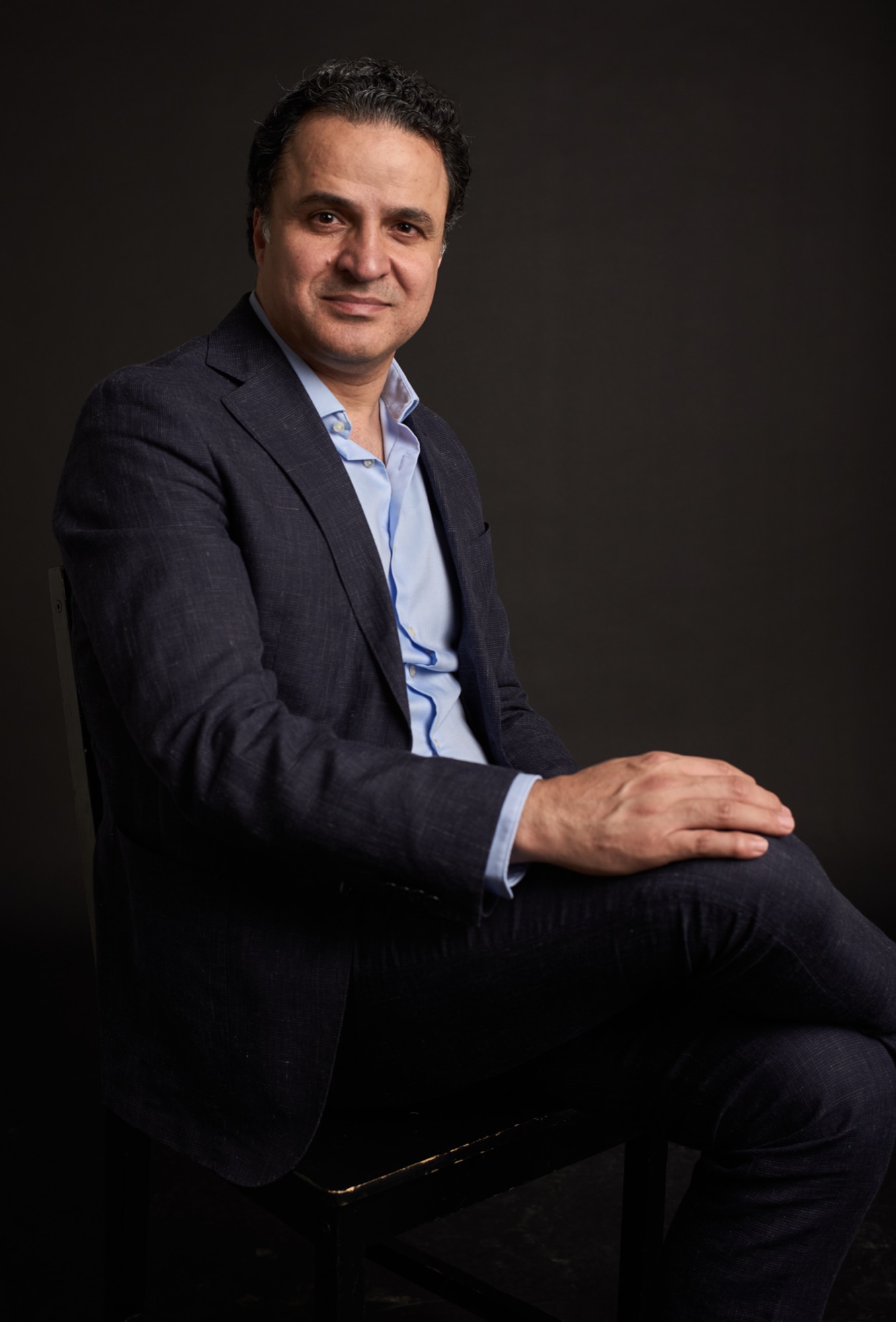
Dr Daye Muhammad Mazen is a Reproductive Endocrinologist at Best Life Fertility Center in Sharjah and one of the leading fertility specialists in the UAE. In fifteen years of practice, he has overseen approximately 600 IVF cycles per year — around 10,000 protocols in total. More than 3,500 children have been born through his work.
He spoke with World Arabia about what the statistics actually mean, and what has changed in how people understand and approach fertility. The real figures for infertility are significantly higher than older literature suggested. One couple in six experiences delayed pregnancy — not one in ten, as was previously reported.
The difference is partly that more people now seek medical advice, and partly that the causes were historically under-investigated. The male and female factors are equal at 50/50. Environmental factors — ecology, food quality, industrial pollution — affect fertility measurably.
Countries with stronger healthy lifestyle cultures show better outcomes. His first step with any couple is straightforward: a spermogram for the man. This immediately addresses 50 percent of potential causes.
Then comes assessment of the woman’s cycle regularity, ovarian reserve, and fallopian tube function. In 15 to 20 percent of remaining cases, the cause is identified during the IVF process itself when embryo quality becomes visible under the microscope. A success rate of approximately 70 percent — meaning pregnancy confirmed — is what his clinic achieves when genetic testing identifies a healthy embryo for transfer.
On the question of Islamic perspectives and fertility treatment: in over twenty years of working with Muslim families across Europe and the Middle East, Dr Mazen has encountered only two or three patients in ten thousand for whom religious considerations presented an obstacle. Ovum and sperm donation are prohibited under Islamic law. IVF using a married couple’s own genetic material is not only permitted but actively supported, because it strengthens the family institution.