

Quick Summary: White label web design companies enable agencies and freelancers to outsource client projects while maintaining their own branding. The top providers in 2026 include OneLittleWeb, WPWeb Infotech, Lounge Lizard, and Design Pickle, each offering specialized services from WordPress development to unlimited design requests. Choosing the right partner depends on project complexity, turnaround needs, and whether you require full-service development or niche expertise.
The agency landscape has shifted dramatically. Delivering high-quality websites consistently has become the baseline expectation, not a competitive advantage. But most boutique agencies and freelancers don’t have the bandwidth or specialized talent to handle every project that lands in their inbox.
That’s where white label web design companies come in. These behind-the-scenes partners handle the actual design and development work while agencies maintain client relationships and their own branding. It’s a model that’s been growing steadily as digital demands increase and margins tighten.
The challenge? Choosing the right partner from dozens of options. Some white label providers specialize in rapid WordPress builds, others focus on custom development, and a few offer full-service digital solutions. Quality varies wildly, and making the wrong choice can damage client relationships you’ve spent years building.
This guide examines 15 standout white label web design companies based on service focus, client feedback, and delivery capabilities. No fluff, no invented rankings — just a practical breakdown of what each agency does best and who they’re right for.
What White Label Web Design Actually Means
White label web design refers to outsourced design and development services delivered under your agency’s brand. The white label partner stays invisible to your clients. All communication, deliverables, and invoicing appear to come directly from your business.
Here’s the thing though — white label isn’t just about hiding the real developer. It’s a strategic partnership model that lets agencies scale without hiring full-time staff. When a client needs a complex e-commerce site and your team only handles WordPress blogs, a white label partner fills that gap seamlessly.
The arrangement typically works like this: your agency sells the project, gathers requirements, and manages client expectations. The white label company handles design mockups, development, testing, and revisions. Once complete, they hand everything over to you for client delivery.
Think of it as having an entire development team on standby without payroll commitments, office space, or benefits packages. The flexibility matters especially for agencies experiencing seasonal fluctuations or exploring new service offerings.
Why Agencies Partner With White Label Web Design Companies
Most agencies don’t start with outsourcing in mind. They stumble into it when client demand exceeds internal capacity or when a project requires expertise they don’t have in-house.
The primary driver is scalability. Landing three website projects in one week feels great until deadlines converge. Rather than turning away business or hiring quickly (and often poorly), agencies tap white label partners to handle overflow work.
Cost efficiency plays a significant role too. A full-time senior developer costs agencies between payroll, benefits, and overhead. White label partners work project-by-project, converting fixed costs into variable ones. When business slows, expenses drop proportionally.
Access to specialized skills matters more than most agency owners admit. Building a custom Shopify integration or a headless WordPress setup requires niche knowledge. Rather than spending months learning or hiring specialists, agencies leverage white label expertise on demand.
Real talk: it also reduces risk. A bad hire takes months to identify and replace, damaging projects along the way. A white label partner that underdelivers can be replaced for the next project without severance negotiations or HR headaches.
How to Evaluate White Label Web Design Partners
Not all white label providers operate the same way. Some function as pure development shops, expecting agencies to provide detailed specifications and design files. Others offer full-service solutions including strategy, UX design, copywriting, and ongoing maintenance.
Communication structure deserves serious attention. Will there be a dedicated project manager? Do they use your preferred tools (Slack, Asana, Monday)? How quickly do they respond to urgent revision requests? These operational details matter more than portfolio screenshots.
Look at their actual client work, not just case studies. Many white label companies showcase projects their clients delivered, which provides insight into capabilities. But also ask about revision rounds, typical timelines, and how they handle scope changes mid-project.
Technical expertise varies significantly across providers. Some specialize exclusively in WordPress and would struggle with a custom Laravel application. Others focus on e-commerce platforms like Shopify and WooCommerce. A few handle everything from static sites to complex web applications.
According to Forbes Advisor’s methodology for evaluating web hosting and website builders, consumer sentiment is weighted at 40%, general features at 30%, with value and service/support comprising the remaining 30%. These proportions reflect what actually predicts partnership success over time.
Top 15 White Label Web Design Companies for 2026
The following companies represent diverse approaches to white label web design. Some focus exclusively on WordPress, others specialize in custom development, and a few offer comprehensive digital agency services. Each has been selected based on service focus, verifiable client feedback, and operational transparency.
1. Lengreo
Lengreo serves as a complete white label marketing and tech partner with strong capabilities in website development. They build eCommerce, business, portfolio websites, and high-converting landing pages that align with broader growth objectives. The company integrates discovery, business analysis, prototyping, design development, implementation, and ongoing support into every project. Their approach ensures websites drive measurable results rather than serving as standalone deliverables. Lengreo stands out through deep integration of SEO fundamentals, conversion optimization, and lead-generation mechanics directly into the build process. This creates sites optimized for performance from day one. Lengreo fits agencies needing reliable white label website development combined with full-funnel digital support. When client projects require strategic websites that work seamlessly with paid ads, SEO campaigns, or lead-generation systems, their end-to-end model delivers cohesive results without multiple vendors.
Contact Information:
- Website: Lengreo.com
- Phone: +31 686 147 566
- Email: [email protected]
- Address: Vrijstraat 9 C/D, 5611 AT Eindhoven, Netherlands
- LinkedIn: Lengreo
- Twitter: @Lengreo
- Instagram: @lengreo
2. Gilzor

Gilzor positions itself as a white label custom software development partner specializing in full-cycle web and mobile solutions. They deliver functional, attractive digital products built from scratch with strong emphasis on user experience and business outcomes. Their process covers UI/UX design, web development, quality assurance, and post-launch support. Every project benefits from business analysis and user-centric design that improves conversion rates and connects products with target audiences. What sets them apart is the seamless integration of idea validation, prototyping, and go-to-market thinking into the development workflow. This ensures delivered websites and applications are not only technically sound but also commercially viable. Gilzor works well for agencies handling complex web projects for startups, SMBs, or product companies. When clients need custom web solutions beyond templates — including e-commerce platforms, web applications, or audience-connected digital experiences — their full-cycle white label approach provides complete delivery.
Contact Information:
- Website: www.gilzor.com
- Email: [email protected]
- Address: Poland, Warsaw, Office 58, street Adama Mickiewicza 37, 01-625
- LinkedIn: www.linkedin.com/company/gilzor-softwaredevelopment
3. Oski
Oski delivers smart, well-engineered web solutions as a white label development partner for enterprises and ambitious startups. They specialize in designing, developing, deploying, and maintaining robust websites and digital platforms. The company excels in frontend development, CMS solutions (including WordPress and Umbraco), cloud integration, and AI-enhanced web experiences. Their focus on innovative design, seamless user interfaces, and scalable architecture produces intuitive, high-performance websites. Project delivery emphasizes quality engineering, modern web standards, and industry-specific customization across sectors like e-commerce, travel, logistics, and fintech. This creates tailored web solutions that drive business operations forward. Oski fits agencies requiring dependable white label web development with advanced capabilities. When projects demand scalable, secure, and conversion-focused websites supported by cloud infrastructure or intelligent features, their expert team serves as a reliable extension.
Contact Information:
- Website: oski.site
- Phone: +48571282759
- Email: [email protected]
- Address: Kaupmehe tn 7, 10114 Tallinn, Estonia
- LinkedIn: www.linkedin.com/company/oski-solutions
4. A-listware

A-listware operates as a white label software development and design partner with deep expertise in web solutions, UX/UI design, and full application services. They provide dedicated teams that deliver high-quality, responsive digital experiences. Their strength lies in custom web development, responsive design, SaaS interfaces, and enterprise web applications. The team combines technical excellence with user-centered design to create engaging websites and platforms that support business growth. A-listware handles everything from UI/UX design and frontend development to complete web application builds, cloud solutions, and ongoing maintenance. This comprehensive approach ensures seamless integration and long-term performance. A-listware suits agencies managing web and digital product projects across enterprise, SMB, and startup clients. When engagements require professional web development, modern interfaces, or dedicated technical capacity as an extension of the agency team, their managed white label model delivers consistent quality.
Contact Information:
- Website: a-listware.com
- Phone: +1 (888) 337 93 73
- Email: [email protected]
- Address: North Bergen, NJ 07047, USA
- LinkedIn: www.linkedin.com/company/a-listware
- Facebook: www.facebook.com/alistware
5. Mobian
Mobian builds dedicated engineering teams as a white label software development partner specializing in mobile-first and full-stack web solutions with strong AI integration. They deliver production-ready digital products with clean architecture and scalable design. The company covers end-to-end product development including web applications, mobile-responsive systems, backend infrastructure, and user-centric interfaces. Projects benefit from documented code, thorough QA, and post-launch support for sustained performance. What distinguishes them is the focus on senior-level execution, scalable architecture, and domain-specific web solutions for industries like fintech, healthcare, and logistics. This produces robust, future-proof digital experiences. Mobian works exceptionally well for agencies needing reliable white label capacity for complex web and digital product builds. When clients require dedicated teams for custom web applications, AI-enhanced websites, or full-stack delivery without hiring overhead, their outsourcing and outstaffing models provide flexible, high-standard support.
Contact Information:
- Website: mobian.studio
- Phone: [email protected]
- Address: Harju maakond, Tallinn, Kesklinnalinnaosa, Masina tn 22, 10113
- LinkedIn: www.linkedin.com/company/mobian-studio
6. Webdew

Webdew offers white label web development services alongside video production and animation capabilities. This combination addresses the growing need for video content integrated into modern websites.
Their team handles custom web development across platforms, not limited to WordPress. This flexibility matters for agencies serving diverse clients with varying technical requirements and platform preferences.
The video production integration creates opportunities for agencies to expand service offerings. Websites increasingly require explainer videos, product demos, and animated elements that standard web developers don’t produce.
Webdew works well for agencies positioning themselves as full-service digital partners. If client conversations frequently include “we also need a video for the homepage,” having one vendor handle both web development and video production simplifies project management.
7. Blue Fountain Media

Blue Fountain Media operates as a large-scale digital agency with white label partnership options. The company provides extensive resources for complex enterprise-level projects.
Their size enables handling projects that overwhelm smaller white label providers. Multi-site deployments, enterprise CMS implementations, and projects requiring dedicated teams fall within their operational comfort zone.
The scale comes with higher project minimums and more formal processes. This isn’t the partner for quick two-week WordPress sites. Blue Fountain Media targets substantial engagements where their resources and processes justify involvement.
They fit agencies landing enterprise clients but lacking internal capacity for large-scale execution. When a Fortune 500 company approaches your boutique agency, partners like Blue Fountain Media provide the backend muscle while agencies maintain client relationships.
8. Clique Studios
Clique Studios focuses on custom web development and digital strategy, emphasizing user experience and modern web technologies. They’re not a WordPress factory churning out template sites.
The company specializes in custom CMS implementations, headless architecture, and progressive web applications. This technical depth supports agencies with clients needing sophisticated solutions beyond standard website builds.
Clique Studios brings strategy capabilities alongside development. They participate in discovery phases, contribute to user experience planning, and provide architectural recommendations rather than just executing specifications handed to them.
This partner suits agencies working with clients who have complex requirements and budgets supporting custom solutions. If projects involve unique functionality, integration with enterprise systems, or innovative user experiences, Clique’s expertise becomes valuable.
9. OuterBox
OuterBox specializes in e-commerce website design and development combined with digital marketing services. Their niche focus makes them particularly strong for Shopify, WooCommerce, BigCommerce, and Magento projects.
E-commerce sites require different expertise than standard websites. Product catalogs, payment processing, inventory integration, shipping calculators, and conversion optimization all demand specialized knowledge that general web developers often lack.
OuterBox understands these nuances and builds e-commerce sites that actually convert rather than just displaying products. Their marketing background influences design decisions toward measurable business results.
They’re the right choice for agencies with e-commerce clients but limited internal e-commerce expertise. Rather than learning platform intricacies or hiring specialized staff, agencies leverage OuterBox’s focused experience.
10. Ruckus Marketing

Ruckus Marketing offers integrated branding, web design, and digital marketing services through white label partnerships. Their strength lies in cohesive campaigns where web design aligns with broader brand strategy.
The company handles projects requiring brand development or refresh alongside web design. When clients need more than just technical implementation — when they need strategic direction and creative firepower — Ruckus brings that combination.
Project approach emphasizes research and strategy before design and development. They invest time understanding target audiences, competitive landscapes, and business objectives rather than jumping straight into wireframes.
Ruckus fits agencies working with clients in growth phases or rebranding situations. If projects involve more than updating an existing site — maybe launching a new product line, entering new markets, or repositioning the brand — their strategic approach adds value beyond execution.
11. OneLittleWeb

OneLittleWeb positions itself as an affordable, SEO-focused white label web design partner specializing in WordPress development. The company emphasizes search optimization as a core component of every project rather than an afterthought or add-on service.
Their approach centers on delivering functional, search-friendly websites quickly without sacrificing quality. This matters particularly for agencies serving small business clients who need results fast and can’t afford extended development cycles.
What sets them apart is the integration of technical SEO fundamentals into the build process. Clean code structure, optimized loading speeds, mobile responsiveness, and proper schema markup come standard rather than requiring separate optimization phases.
OneLittleWeb works well for agencies handling multiple small-to-medium WordPress projects simultaneously. The service structure supports volume rather than one-off custom builds, making them ideal for agencies with consistent pipeline flow.
12. WPWeb Infotech

WPWeb Infotech operates as a white label web development company with substantial team capacity. They handle projects across various scales and complexities.
The company’s strength lies in WordPress expertise combined with broader web development capabilities. They’re not locked into a single platform or approach, which gives partner agencies flexibility when client requirements vary.
Project minimums tend toward more substantial engagements, making them better suited for agencies with established client bases rather than freelancers testing white label waters. The team structure supports concurrent projects without quality degradation.
Communication processes are relatively formal compared to smaller white label shops. Agencies preferring structured workflows with documented processes rather than casual Slack conversations tend to mesh well with WPWeb’s operational style.
13. Lounge Lizard
Lounge Lizard functions as a full-service digital agency offering white label partnerships. They go beyond basic website development to include branding, digital marketing, mobile app development, and UX strategy.
The comprehensive service range makes them valuable for agencies needing occasional support across multiple disciplines rather than just web design. A single partnership can cover various client needs as they arise.
Their substantial team provides bandwidth for larger projects while maintaining flexibility for smaller engagements. This scale supports complex, multi-phase projects that smaller white label shops struggle with.
Lounge Lizard fits agencies working with mid-market clients who need integrated digital solutions. If your typical project involves more than just a website build — maybe including brand refresh or ongoing marketing support — their full-service model eliminates coordination across multiple vendors.
14. Design Pickle
Design Pickle operates differently than traditional white label web design companies. They offer unlimited graphic and web design requests through a subscription model rather than per-project billing.
The service focuses on design work — think landing pages, website mockups, email templates, and graphics — rather than full development. Agencies handle or outsource the actual coding separately.
This model works exceptionally well for agencies needing consistent design support without unpredictable invoicing. The subscription structure converts variable design costs into predictable monthly expenses, simplifying budget management.
Design Pickle suits agencies with high design volume but less complex development needs. If projects primarily require visual work on existing platforms (WordPress page builders, Shopify themes, Webflow) rather than custom development, their unlimited model provides significant value.
15. Codeable

Codeable specializes exclusively in WordPress development, matching agencies with vetted WordPress experts for specific projects. Rather than working with a single development team, agencies access a network of pre-screened specialists.
The matching process considers project requirements and connects agencies with developers possessing relevant expertise. Need WooCommerce customization? They connect with e-commerce specialists. Require custom plugin development? They match with plugin experts.
Quality control happens through their vetting process. All developers complete evaluation before joining the network, and ongoing performance monitoring ensures consistency. This reduces the risk of partnering with individual freelancers found through generic marketplaces.
Codeable fits agencies with intermittent WordPress needs rather than constant project flow. The per-project model works when outsourcing occasionally makes more sense than maintaining permanent partnerships or handling work internally.
Comparing Service Models and Approaches
White label web design companies operate under different business models that fundamentally affect how agencies work with them. Understanding these structures helps match partnerships to operational needs.
The project-based model works like traditional agency relationships. Agencies submit project specifications, receive quotes, approve estimates, and partners deliver completed work. This structure suits agencies with irregular project flow or highly varied client requirements.
Subscription models charge fixed monthly fees for ongoing access to services. Design Pickle pioneered this approach in the design space with unlimited requests. The predictability helps with financial planning but requires sufficient volume to justify fixed costs.
Retainer arrangements establish ongoing relationships with guaranteed monthly capacity. Agencies essentially reserve development hours or team availability in exchange for consistent monthly payments. This model works when project flow is steady and predictable.
Marketplace models like Codeable connect agencies with individual specialists rather than working with a single team. This provides flexibility and specialization but requires more coordination and introduces variability in working relationships.
| Service Model | Best For | Advantages | Considerations |
|---|---|---|---|
| Project-Based | Variable workload | No ongoing commitment, pay per project, scalable | Less priority during busy periods, potential rate variability |
| Subscription | High volume needs | Predictable costs, unlimited requests, priority service | Requires sufficient volume to justify fixed cost |
| Retainer | Consistent pipeline | Guaranteed capacity, dedicated resources, relationship depth | Unused capacity represents wasted cost |
| Marketplace | Specialized needs | Access to specialists, flexibility, varied expertise | Coordination overhead, relationship inconsistency |
Technical Capabilities and Platform Expertise
Platform specialization matters significantly when evaluating white label partners. A company excellent at WordPress might struggle with custom Laravel applications or Shopify development.
WordPress remains the most common platform for white label partnerships. The ecosystem’s maturity, plugin availability, and client familiarity make it the default choice for many projects. Companies like OneLittleWeb, WPWeb Infotech, and Codeable built their businesses specifically around WordPress expertise.
E-commerce platforms require different skill sets. Shopify, WooCommerce, BigCommerce, and Magento each have unique development approaches, customization limitations, and best practices. OuterBox’s specialization in this space reflects the distinct expertise e-commerce requires.
Custom development capabilities separate full-service providers from platform specialists. Companies like Clique Studios and Webdew handle custom CMS implementations, headless architectures, and bespoke web applications that template-based platforms can’t support.
Mobile responsiveness is now table stakes, but mobile app development remains specialized. Some white label partners extend into native iOS and Android apps, while others strictly focus on web properties. Lounge Lizard’s mobile app capabilities illustrate this expanded service range.
Communication and Project Management Considerations
Technical skills matter, but operational compatibility often determines partnership success or failure. How partners communicate, manage projects, and handle inevitable challenges affects day-to-day working relationships more than portfolio quality.
Response time expectations need alignment upfront. Some agencies expect Slack responses within hours, while white label companies might operate on 24-48 hour email cycles. Neither approach is inherently better, but mismatched expectations create friction.
Project management tool preferences vary widely. Some white label companies maintain projects in their own systems (Basecamp, Asana, proprietary tools) while others adapt to client preferences. Agencies with established workflows benefit from partners who integrate into existing systems.
Revision processes deserve explicit discussion before projects start. How many revision rounds are included? What constitutes a revision versus scope change? How are additional requests handled? Clear policies prevent mid-project disputes.
Client confidentiality requires careful handling. White label partners must maintain complete invisibility to end clients. This means removing metadata from files, avoiding branded emails, and never mentioning their involvement publicly without explicit permission.
Quality Assurance and Testing Standards
Quality control processes separate professional white label providers from mediocre ones. The best companies maintain rigorous internal standards that catch issues before agencies see deliverables.
Browser and device testing should be comprehensive. Sites need to work across Chrome, Firefox, Safari, and Edge on both Mac and Windows. Mobile testing must cover iOS and Android across various screen sizes. Professional providers test systematically rather than hoping things work.
Performance optimization affects user experience and search rankings. Page load times, image optimization, code minification, and caching strategies should be standard practice, not optional add-ons requiring separate discussion.
Accessibility compliance grows increasingly important both legally and ethically. WCAG 2.1 guidelines provide standards for ensuring websites work for users with disabilities. Forward-thinking white label partners incorporate accessibility into standard delivery rather than treating it as a specialty service.
Security best practices protect both agencies and end clients. This includes keeping CMSs and plugins updated, implementing proper user authentication, using HTTPS, and following secure coding practices. Security lapses create legal liability and reputation damage.
Scaling Partnerships Over Time
The best white label relationships evolve as agency needs change. Initial engagements might involve single projects to test compatibility, expanding into retainer arrangements as trust builds and volume increases.
Starting small makes sense. Test a white label partner with a straightforward project that has flexible deadlines before committing a critical client project with tight turnaround requirements. This trial period reveals working style compatibility and quality standards.
Building process efficiency takes multiple projects. The first collaboration involves learning how each party works, what information needs to be provided, and how to communicate effectively. By the third or fourth project, these processes become smooth and efficient.
Expanding service scope often happens naturally. An agency might initially outsource only WordPress development, later adding design, then perhaps SEO services as the partnership proves reliable. This organic growth builds on established trust.
Some agencies eventually bring work in-house as they grow. White label partnerships can serve as temporary scaling solutions while building internal capacity. Good white label partners understand this dynamic and don’t take eventual insourcing personally.
Common Mistakes When Choosing White Label Partners
Agencies frequently make predictable errors when selecting white label web design partners. Learning from common mistakes saves time, money, and client relationships.
Choosing based solely on cost creates problems. The cheapest option often delivers subpar quality requiring expensive fixes later. Moderate pricing usually indicates sustainable business practices and fair compensation for skilled professionals.
Skipping reference checks invites disappointment. Most white label companies provide testimonials, but speaking directly with current agency partners reveals operational realities that marketing materials don’t mention.
Unclear scope definition causes most project disputes. When requirements remain vague, white label partners make assumptions that might not align with agency expectations. Detailed project briefs prevent misunderstandings.
Neglecting contractual details leads to awkward situations. Who owns final code? What happens if deadlines slip? How are disputes resolved? Written agreements clarify these issues before problems arise.
Failing to test communication workflows upfront reveals issues too late. How quickly do they respond? Do they ask clarifying questions or make assumptions? Communication style becomes apparent during initial discussions.
Industry Trends Affecting White Label Web Design
The white label web design landscape continues evolving as technology changes and client expectations shift. Staying aware of these trends helps agencies choose partners positioned for future relevance.
AI integration is rapidly changing web design and development workflows. Tools for automated code generation, design suggestions, and content creation are becoming standard. White label partners incorporating these technologies deliver faster without sacrificing quality.
Headless CMS architectures are gaining adoption for content-rich sites requiring multi-channel delivery. This approach separates content management from presentation, enabling content reuse across websites, mobile apps, and other platforms. Not all white label providers have adapted to this architecture yet.
Performance optimization grows more critical as Core Web Vitals affect search rankings. Google’s emphasis on loading speed, interactivity, and visual stability means white label partners must prioritize performance throughout development, not just during final optimization phases.
Privacy regulations continue expanding globally. GDPR in Europe, CCPA in California, and similar laws elsewhere require careful handling of user data, cookie consent, and tracking implementations. White label partners need current knowledge of these evolving requirements.
Subscription-based business models are becoming more common among white label providers. The predictable revenue benefits providers while giving agencies cost certainty. This shift from pure project-based work to hybrid models reflects broader SaaS trends.
Making the Final Partnership Decision
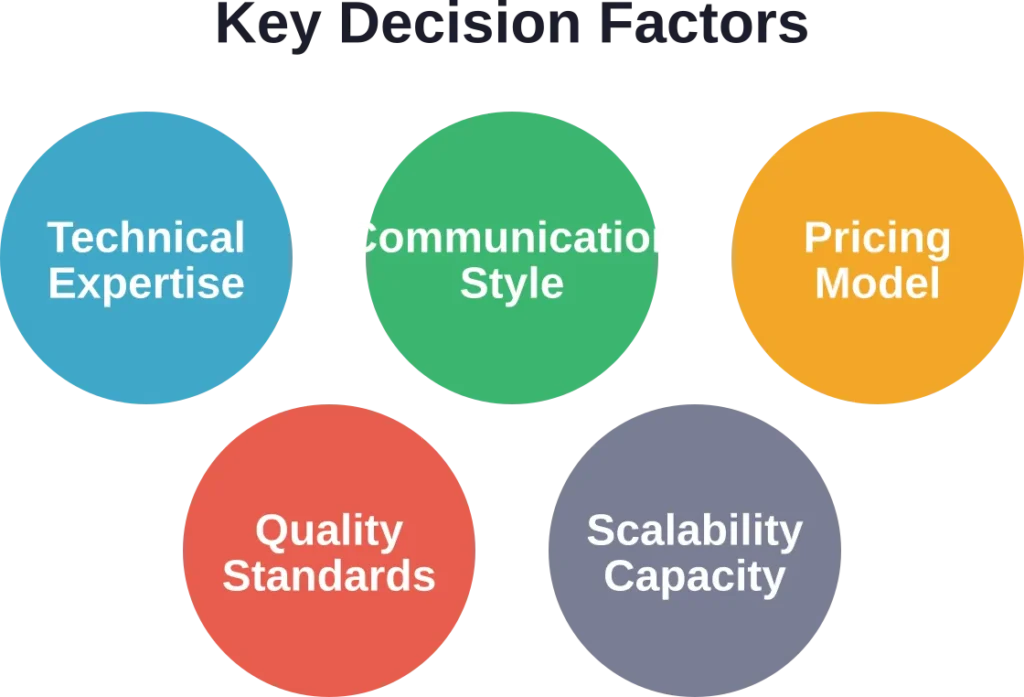
Choosing a white label web design partner ultimately comes down to matching capabilities with needs, operational styles with preferences, and values with business philosophy.
Start by defining what success looks like. Are fast turnarounds most important? Technical sophistication? Design creativity? Cost efficiency? Different priorities point toward different partners.
Create a short list of three to five candidates based on specialization alignment. If most projects involve WordPress, prioritize WordPress specialists. For e-commerce work, focus on e-commerce experts. Generalists work when needs vary significantly project to project.
Request detailed proposals for a real project rather than hypothetical scenarios. Actual project responses reveal how thoroughly they analyze requirements, whether they ask clarifying questions, and how they structure delivery timelines.
Schedule calls with account managers or project leads to assess communication compatibility. Do they listen carefully? Ask thoughtful questions? Explain technical concepts clearly? These soft skills affect daily working relationships.
Start with a pilot project that’s important but not mission-critical. This trial run reveals whether quality, communication, and processes align with expectations before committing major client work.
Frequently Asked Questions
White label web design means outsourcing website development to a third-party company that delivers work under the agency’s brand. The white label partner remains completely invisible to end clients. All deliverables, communication, and project documentation appear to come directly from the agency. This arrangement lets agencies offer web design services without maintaining in-house development teams.
Professional white label providers implement strict confidentiality protocols. They remove their branding from all files, code comments, and metadata. Communication happens through agency-branded channels rather than direct client contact. Non-disclosure agreements formalize these arrangements legally. The best providers treat confidentiality as fundamental to their business model, understanding that breaking it destroys their reputation in the white label market.
Turnaround times vary significantly based on project complexity and provider capacity. Simple WordPress sites using existing themes might complete in one to two weeks. Custom designs typically require three to six weeks. Complex e-commerce sites or custom web applications often need eight to twelve weeks or longer. Rush services exist but usually cost significantly more. Most white label providers communicate realistic timelines during project scoping.
Yes, agencies typically maintain full creative direction. Most white label arrangements involve agencies providing design specifications, brand guidelines, and approval at key milestones. The white label partner executes based on these directions rather than making independent creative decisions. Some providers offer design services while others strictly handle development based on agency-provided designs. Clarifying this division of responsibilities during initial discussions prevents misunderstandings.
Revision policies vary by provider but generally include a specific number of revision rounds within project quotes. Typical arrangements allow two to three revision cycles for feedback and adjustments. Changes within agreed scope are included, while substantial scope changes trigger additional costs. Professional providers document scope clearly upfront and communicate when requested changes exceed original agreements. Clear revision policies in initial contracts prevent disputes during project execution.
Contract terms should address these scenarios explicitly. Most professional white label providers offer revision guarantees if work doesn’t meet specifications. Deadline penalties or project credits sometimes apply when providers miss committed timelines. That said, prevention works better than remediation. Choosing established providers with verified track records, starting with pilot projects, and maintaining clear communication reduces these risks significantly.
This depends on the provider and arrangement. Some white label companies offer ongoing maintenance retainers covering updates, security patches, and minor changes after launch. Others focus exclusively on development, expecting agencies to handle post-launch support internally or through separate arrangements. Clarifying maintenance expectations during initial discussions ensures alignment. Many agencies handle basic maintenance internally while outsourcing major updates or redesigns to white label partners.
Conclusion: Selecting Your White Label Web Design Partner
The right white label web design partner functions as an extension of internal teams, delivering quality work that maintains agency reputation while providing the capacity to scale beyond internal resources.
Each company profiled here brings distinct strengths. OneLittleWeb and Codeable excel for WordPress-focused agencies. OuterBox specializes in e-commerce. Lounge Lizard and Ruckus Marketing offer full-service capabilities. Blue Fountain Media handles enterprise-scale projects. The best choice depends entirely on specific agency needs, client types, and operational preferences.
Success in white label partnerships comes from clear communication, realistic expectations, and choosing partners whose operational style meshes with how agencies work. Technical capabilities matter, but process compatibility and communication responsiveness often determine whether partnerships thrive or create frustration.
Start small, test compatibility with pilot projects, and expand relationships as trust builds. The agencies thriving with white label partnerships didn’t achieve that overnight — they invested time finding the right matches and developing efficient collaborative processes.
Take time researching options thoroughly rather than rushing into partnerships based solely on pricing or portfolio aesthetics. The investment in careful partner selection pays dividends through years of successful collaboration, satisfied clients, and scalable growth.