
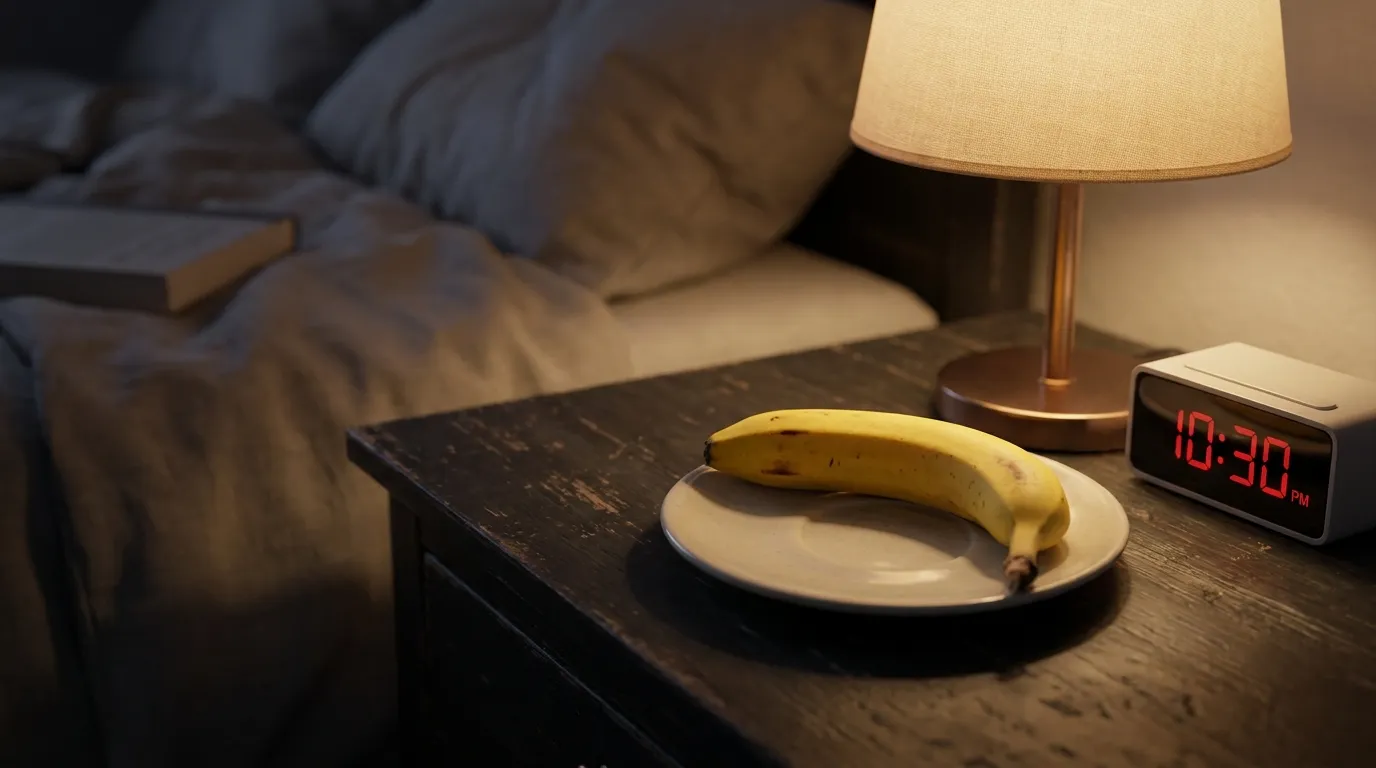
Quick Summary: Eating a banana before bed can be beneficial for sleep quality due to its tryptophan, magnesium, and potassium content, which help promote relaxation and regulate sleep hormones. Research shows that bedtime banana intake may improve sleep parameters in individuals with insomnia. The best timing is 30-60 minutes before bed, though portion size matters to avoid digestive discomfort.
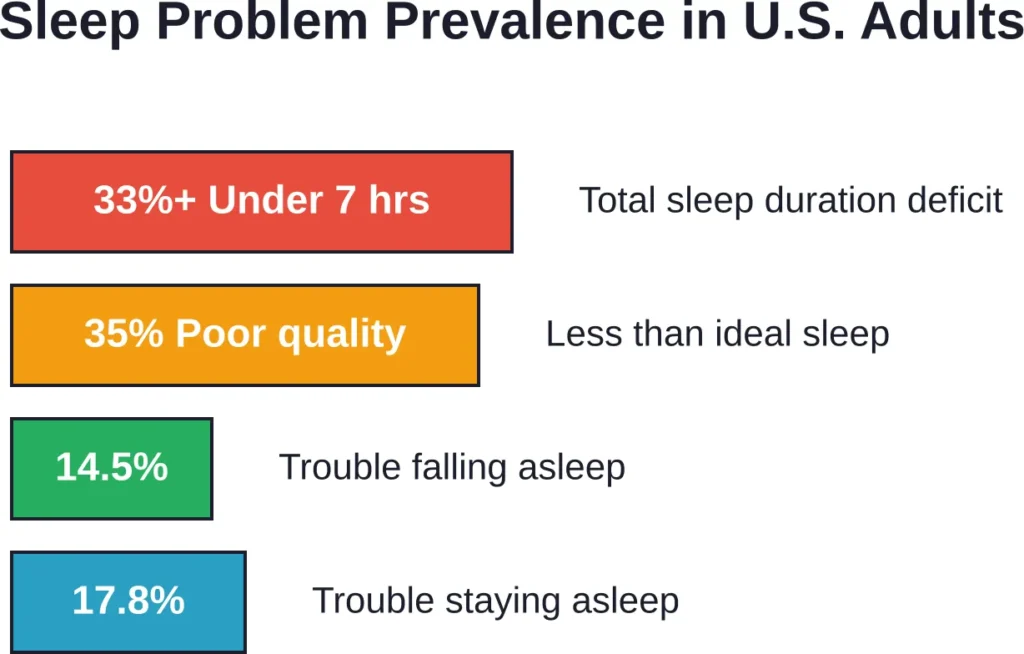
Sleep problems have become a widespread concern across modern societies. More than one-third of U.S. adults don’t get enough sleep—7 hours or more per night, with 14.5% having trouble falling asleep and 17.8% having trouble staying asleep. That’s where simple dietary interventions come into play.
The humble banana has earned a reputation as “nature’s sedative” in community discussions and health circles. But does the science actually back this up?
Recent research suggests it might. A 2024 study published in the Asia Pacific Journal of Clinical Nutrition found that foods rich in tryptophan, such as banana and milk, given at bedtime, may improve sleep parameters and appetite hormones. The findings showed bedtime banana intake was effective in dealing with insomnia.
The Science Behind Bananas and Sleep
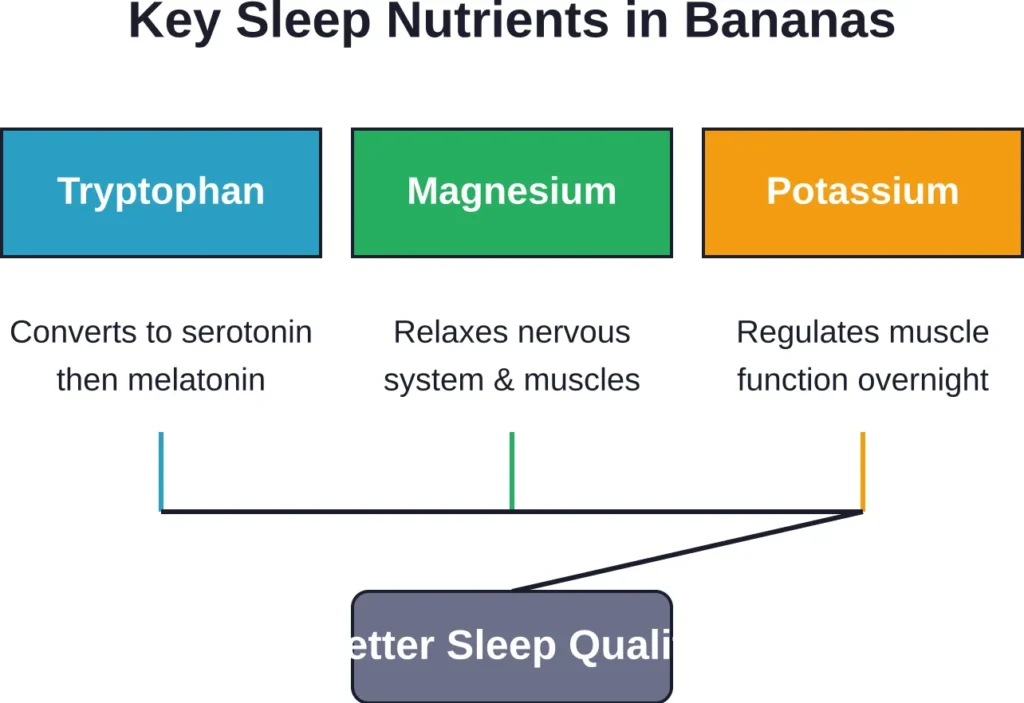
What makes bananas potentially effective for sleep isn’t just folklore. The fruit contains several nutrients that play documented roles in sleep regulation and relaxation.
Here’s the thing though—the pathway from eating a banana to better sleep involves multiple biological mechanisms. Approximately 90% of the body’s serotonin is produced in the gut, emphasizing the microbiome’s influence on circadian and sleep-wake cycles. And serotonin acts as a precursor to melatonin, the hormone that regulates sleep timing.
Tryptophan’s Role in Sleep Regulation
Bananas contain tryptophan, an essential amino acid that the body converts into serotonin and subsequently melatonin. Research shows that tryptophan is converted to serotonin, which serves as a precursor to melatonin. While the conversion process may seem indirect, the cumulative effect matters when combined with other sleep-promoting nutrients.
Mounting evidence reveals a cyclical relationship between diet and sleep. Nutritional interventions focusing on tryptophan-rich foods have shown promise in enhancing sleep quality by regulating sleep patterns and addressing disorders.
Magnesium and Muscle Relaxation
Magnesium plays a crucial role in activating mechanisms that promote relaxation. This mineral helps regulate neurotransmitters that calm the nervous system and prepare the body for rest.
A medium-sized banana contains magnesium. While one fruit alone doesn’t meet all daily needs, it contributes meaningfully to evening nutrient intake.
Potassium’s Impact on Sleep Quality
Potassium works alongside magnesium to relax muscles and nerves. Bananas provide potassium, supporting better sleep quality.
Low potassium levels have been associated with disrupted sleep and increased nighttime awakenings. Adequate intake helps maintain proper muscle function throughout the night, potentially reducing sleep disturbances from cramping or restlessness.
What the Research Actually Shows
Community discussions and anecdotal reports about bananas improving sleep have circulated for years. But what does peer-reviewed research reveal?
The 2024 study from researchers at KTO Karatay University in Konya, Turkey, directly examined bedtime banana intake on sleep and biochemical parameters. Twenty-one patients with primary insomnia participated in the research, which measured objective sleep markers alongside biochemical changes.
Results showed that bedtime milk or banana intake was effective in dealing with insomnia. The study specifically measured brain-derived neurotrophic factor (BDNF), leptin, and ghrelin—hormones that influence both sleep quality and appetite regulation.
The Broader Context: Diet and Sleep Connection
This research fits into a larger body of evidence examining nutritional interventions for sleep. Studies on various fruits have demonstrated sleep benefits. Research on kiwifruit consumption, for instance, revealed that certain fruits contain compounds—including antioxidants and serotonin—that may benefit sleep disorder treatment.
The relationship between diet and sleep operates bidirectionally. Poor sleep adversely impacts dietary choices, while strategic food timing and selection can positively influence sleep quality. Research indicates that substantial proportions of adults are not achieving adequate sleep duration, making dietary interventions increasingly relevant.
| Sleep Problem Type | U.S. Adult Prevalence | Potential Dietary Intervention |
|---|---|---|
| Difficulty falling asleep | 14.5% | Tryptophan-rich foods before bed |
| Trouble staying asleep | 17.8% | Magnesium and potassium sources |
| Less than 7 hours total | Over 33% | Overall sleep hygiene improvements |
| Non-ideal sleep quality | 35% | Strategic bedtime snacks |
Best Timing for Eating a Banana Before Bed
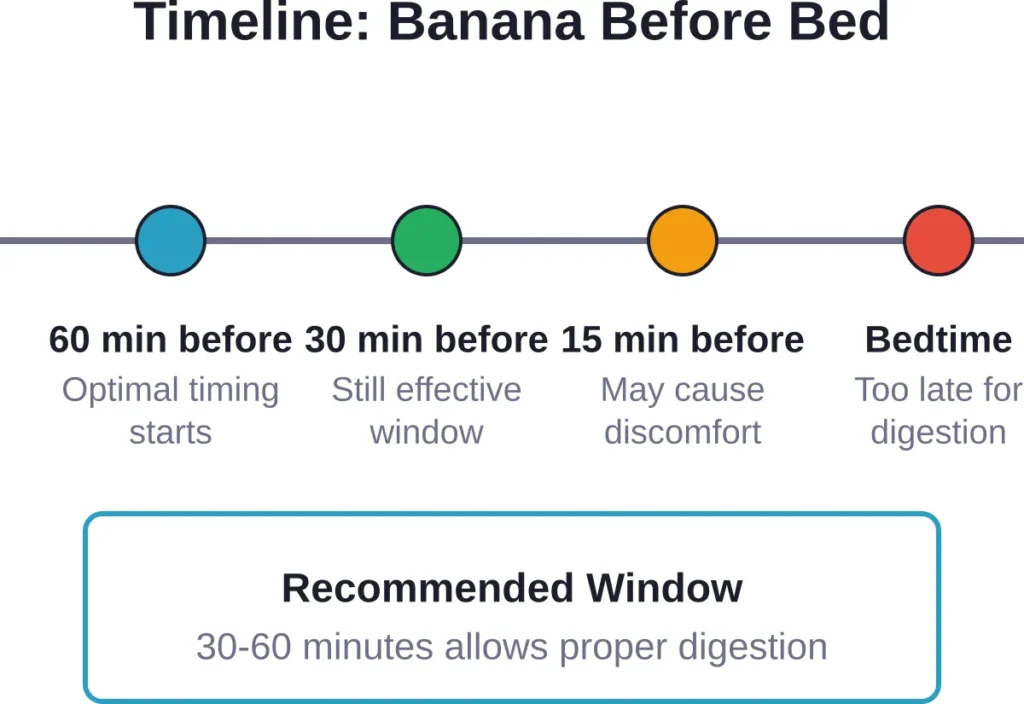
Timing matters when it comes to bedtime snacking. Eat too close to sleep, and you risk digestive discomfort. Eat too early, and the sleep-promoting effects may wear off before you’re ready for bed.
The sweet spot appears to be 30-60 minutes before bedtime. This window allows enough time for initial digestion while ensuring the nutrients reach your system when you’re winding down.
Chrononutrition—the emerging field that explores aligning meal times with circadian rhythms—emphasizes that when you eat may be as important as what you eat. The body’s metabolic processes follow predictable daily patterns, and food consumption affects these rhythms.
Portion Size Considerations
One medium banana typically suffices for a bedtime snack, providing beneficial nutrients without overloading your digestive system.
Going beyond one banana could introduce too much fiber or natural sugar close to bedtime, potentially causing bloating or blood sugar fluctuations that interfere with sleep. Moderation remains key.
Additional Benefits of Bedtime Banana Consumption
Sleep improvement isn’t the only potential benefit. Bananas offer several other advantages when consumed in the evening.
Blood Sugar Stabilization
The fiber in bananas helps slow sugar absorption, preventing dramatic blood glucose spikes and crashes during the night. Stable blood sugar supports uninterrupted sleep by reducing the likelihood of waking from hypoglycemic episodes.
Muscle Recovery Support
For individuals who exercise in the evening, a banana provides carbohydrates for glycogen replenishment alongside potassium to prevent overnight muscle cramps. The combination supports recovery processes that occur during sleep.
Appetite Hormone Regulation
Research has shown that bedtime banana intake influences leptin and ghrelin—hormones that regulate hunger and satiety. Proper regulation of these hormones may prevent late-night hunger pangs and support healthier eating patterns the following day.
Foods to Avoid Before Bed
While bananas may help sleep, not all bedtime snacks work equally well. Some foods actively interfere with sleep quality.
Caffeine can interfere with sleep when consumed close to bedtime.
High-fat foods require extended digestion time, potentially causing discomfort when lying down. Fatty meals consumed close to bedtime have been associated with fragmented sleep and reduced sleep quality.
Spicy foods may trigger heartburn or acid reflux, especially in a reclined position. The resulting discomfort can prevent sleep onset or cause nighttime awakenings.
Alcohol deserves special mention. While it may initially induce drowsiness, alcohol disrupts sleep architecture, reducing REM sleep and causing frequent awakenings in the second half of the night.
Combining Bananas with Other Sleep-Promoting Foods
The 2024 research that examined banana intake also studied milk consumption at bedtime. Both interventions showed effectiveness for dealing with insomnia, and the combination of banana with milk emerged as particularly promising.
Milk contains tryptophan alongside calcium, which helps the brain use tryptophan to manufacture melatonin. The pairing creates a synergistic effect—each food enhances the other’s sleep-promoting properties.
Other Complementary Options
Beyond milk, several foods pair well with bananas for evening consumption:
- Almonds provide additional magnesium and healthy fats that slow carbohydrate absorption
- Greek yogurt adds protein and probiotics that support gut health and serotonin production
- Honey offers glucose that slightly raises insulin levels, helping tryptophan cross the blood-brain barrier
- Oatmeal supplies melatonin along with complex carbohydrates for sustained blood sugar
The key is keeping portions reasonable. A small banana with a handful of almonds or a cup of yogurt provides benefits without overloading your digestive system.
Who Might Benefit Most from Bedtime Bananas
Not everyone experiences the same sleep challenges. Certain groups may find bedtime banana consumption particularly helpful.
Individuals with primary insomnia—difficulty sleeping not attributed to other medical conditions—comprised the study population that showed improvements with banana intake. The research specifically targeted this group and demonstrated measurable effects.
People experiencing occasional sleep disruptions due to stress, travel, or schedule changes might benefit from the calming nutrients bananas provide. The magnesium content especially supports nervous system regulation during periods of heightened stress.
Athletes and active individuals who exercise in the evening can use bananas to support both recovery and sleep. The carbohydrates replenish depleted glycogen while the potassium prevents cramping that could disrupt rest.
When Bananas Might Not Be Ideal
Some situations call for caution with bedtime banana consumption. Individuals with irritable bowel syndrome (IBS) or other digestive sensitivities may find that the fiber content causes bloating or discomfort.
People managing diabetes should consider how the natural sugars affect their blood glucose. Monitoring individual reactions remains important.
Those following specific dietary protocols—such as very low-carbohydrate or ketogenic approaches—may need to account for the carbohydrates in a medium banana within their daily totals.
The Role of Overall Sleep Hygiene
Real talk: no single food magically solves sleep problems. Bananas can contribute to better sleep, but they work best as part of comprehensive sleep hygiene practices.
Sleep hygiene encompasses the behaviors and environmental factors that promote consistent, high-quality rest. Key components include:
- Maintaining a consistent sleep schedule, even on weekends
- Creating a dark, cool, quiet sleeping environment
- Limiting screen time for 1-2 hours before bed
- Engaging in relaxing pre-sleep routines
- Managing stress through appropriate coping strategies
- Getting regular physical activity, preferably earlier in the day
Diet represents just one piece of the sleep quality puzzle. Strategic banana consumption fits into a broader framework of sleep-supportive habits.
Plant-Based Diets and Sleep Quality
The connection between plant-based nutrition and sleep extends beyond individual foods. Research examining plant-based diets (PBDs) has explored how these eating patterns impact sleep-related parameters.
Plant foods provide several compounds that support sleep: phytochemicals with antioxidant properties, fiber that supports beneficial gut bacteria, and nutrients that serve as precursors for sleep-regulating hormones.
Higher daytime intake of fruits and vegetables has been associated with sleep quality in various studies. The prevalence of vegan diets among Americans experienced a remarkable 600% surge between 2014 and 2018, making the relationship between plant-based eating and sleep increasingly relevant to larger populations.
That said, plant-based eaters need to ensure adequate intake of certain nutrients that can affect sleep—including vitamin B12, iron, and omega-3 fatty acids—that are less abundant in plant foods.
Practical Implementation Tips
Knowing the science is one thing. Putting it into practice requires some practical considerations.
Start by purchasing bananas at varying ripeness levels. Yellow bananas with green tips work well for immediate consumption. Slightly greener ones will ripen over several days, ensuring a steady supply.
Store bananas at room temperature until they reach your preferred ripeness. Refrigeration stops the ripening process (though it turns the peel brown). For bedtime consumption, a ripe but not overripe banana typically offers the best balance of digestibility and nutrient availability.
Experiment with timing to find what works for your body. Some people do well with a banana 60 minutes before bed; others prefer 30-45 minutes. Individual digestive rates vary.
Consider tracking your sleep quality for two weeks without bananas, then two weeks with nightly banana consumption. Objective comparison helps determine if the intervention benefits you personally.
Simple Banana-Based Bedtime Snack Ideas
Straight banana consumption works fine, but variety helps with adherence:
- Sliced banana with a tablespoon of almond butter
- Banana blended with milk and a dash of cinnamon
- Banana pieces stirred into Greek yogurt with a drizzle of honey
- Mashed banana on whole-grain toast with a sprinkle of cinnamon
Keep preparations simple. Elaborate recipes defeat the purpose of a quick, easy bedtime snack.
Frequently Asked Questions
A medium banana contains moderate calories. Weight gain occurs when total daily caloric intake exceeds expenditure. If a bedtime banana fits within your daily calorie needs and replaces less nutritious late-night snacks, it won’t cause weight gain. The key is accounting for it in your overall daily intake rather than treating it as an “extra” on top of adequate daily calories.
The nutrients in bananas—tryptophan, magnesium, and potassium—typically begin entering your bloodstream within 30-60 minutes of consumption. However, the conversion of tryptophan to serotonin and then melatonin takes additional time. This is why eating a banana 30-60 minutes before bed creates optimal timing for the sleep-promoting effects to align with your desired sleep onset.
Bananas offer a specific combination of tryptophan, magnesium, and potassium that supports sleep. Other fruits like kiwifruit have also shown sleep benefits in research, demonstrating effectiveness for improving sleep patterns including onset, duration, and quality. The “best” fruit depends on individual preferences, tolerances, and specific nutrient needs. Bananas rank highly due to their convenience, affordability, and well-rounded nutrient profile.
One medium banana typically provides sufficient sleep-supporting nutrients without overloading your digestive system. Consuming multiple bananas close to bedtime could introduce excessive fiber and natural sugars, potentially causing bloating, blood sugar fluctuations, or digestive discomfort that interferes with sleep. More doesn’t equal better in this case—stick with a single banana as part of a balanced evening routine.
The research on bedtime banana consumption focused on primary insomnia—difficulty sleeping not caused by other medical conditions. Sleep apnea, restless leg syndrome, and other diagnosed sleep disorders require medical treatment. While the nutrients in bananas support general sleep quality, they don’t address the underlying mechanisms of these conditions. Use bananas as part of overall sleep hygiene, but consult healthcare providers for diagnosed sleep disorders.
Individuals managing diabetes should monitor how any carbohydrate-containing food affects their blood glucose levels. A medium banana contains carbohydrates with fiber content that helps moderate the glycemic response. Some diabetics successfully incorporate bedtime bananas by pairing them with protein or fat sources (like almond butter) to further slow glucose absorption. Personal monitoring and consultation with healthcare providers help determine individual suitability.
Bananas offer different benefits depending on timing. Morning consumption provides quick energy and helps kickstart metabolism and digestion. Evening consumption leverages the sleep-promoting properties of tryptophan, magnesium, and potassium. Neither timing is universally “better”—the optimal choice depends on individual goals. Some people eat bananas at both times, receiving energy benefits in the morning and sleep benefits at night. Total daily intake matters more than rigid timing rules for most people.
Conclusion
So, is it okay to eat a banana before bed? The scientific evidence suggests it’s not only okay—it may actually be beneficial for many people.
Research demonstrates that bedtime banana consumption can improve sleep parameters in individuals with insomnia. The tryptophan, magnesium, and potassium in bananas work through documented biological pathways to promote relaxation and support sleep hormone regulation.
The best approach involves eating one medium banana 30-60 minutes before bed as part of comprehensive sleep hygiene practices. This timing allows for proper digestion while ensuring nutrients reach your system during the sleep onset period.
But remember—no single food solves complex sleep problems. Bananas work best alongside consistent sleep schedules, proper sleep environments, stress management, and overall healthy dietary patterns.
If you’re among those struggling with inadequate sleep, adding a bedtime banana represents a low-risk, evidence-supported intervention worth trying. Track your results, adjust timing based on personal response, and consider it one tool in your sleep optimization toolkit.
Ready to test whether bedtime bananas improve your sleep? Start tonight with a single banana 30-60 minutes before your target bedtime, and maintain the practice consistently for at least two weeks to properly evaluate the effects on your sleep quality.