
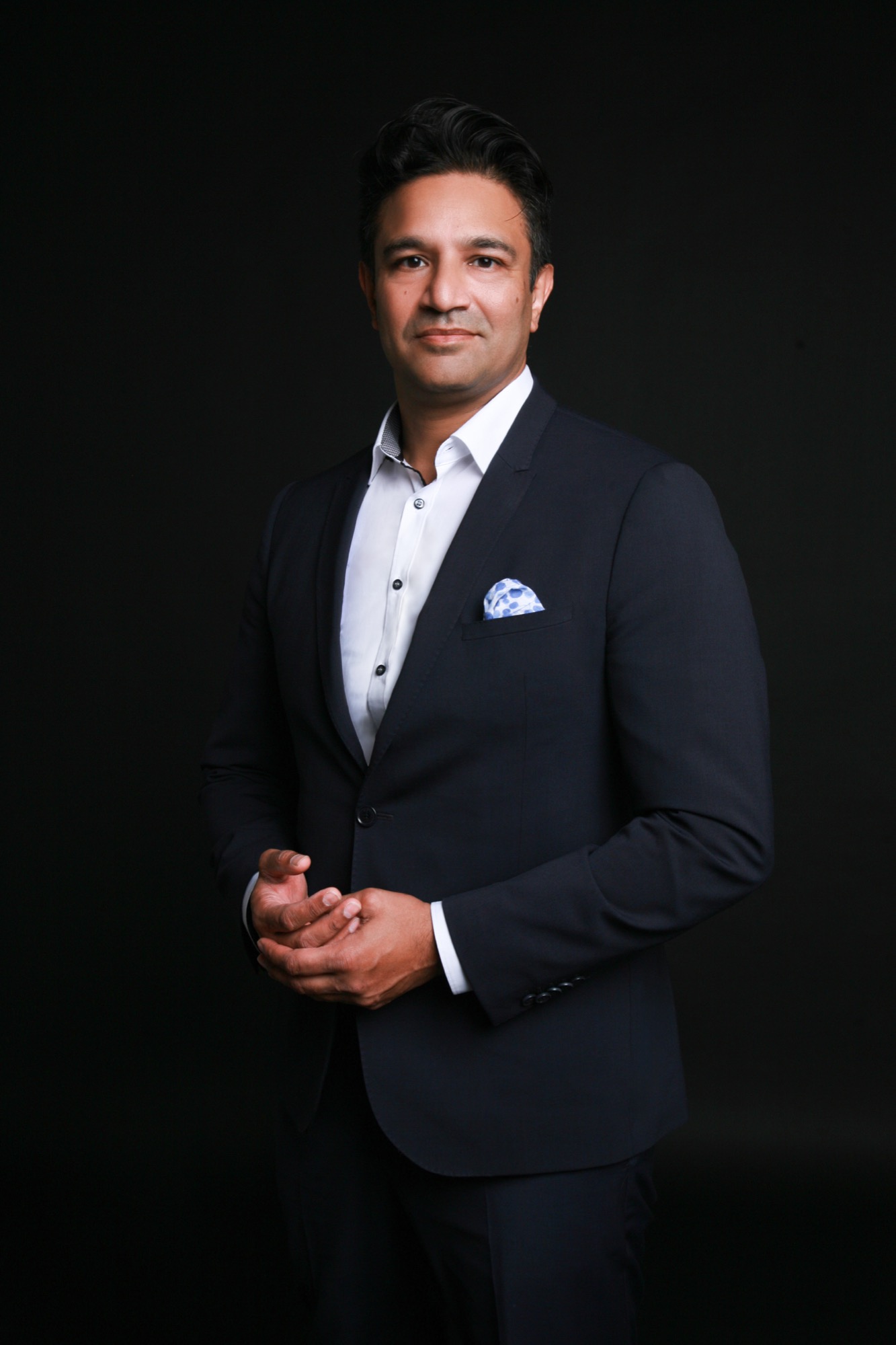
Dubai has been called the city of the future, and the technology sector is the clearest evidence of why. Mario Silveira, Corporate Vice President of Global OEM Sales at AMD, spoke with Lara Palmer about the AI revolution, the Gulf’s role in it, and what happens to human beings when machines start anticipating their needs.
Lara Palmer: Dubai is often described as the city of the future. What is your perception of digital transformation in the Gulf?
Mario Silveira: Looking at the whole Middle East, especially Abu Dhabi and Dubai, I do believe there is an obvious transformative spirit and openness toward the future. It reflects the mentality and the vision of high growth in leading edge technology sectors — AI, automation, virtualisation, digital transformation. That spirit of innovation permeates through multiple layers and verticals of the market.
L.P.: What are the key opportunities for AI in this region?
M.S.: The data centre market is a massive opportunity. There will be a revolution in the way we interact with technology. Thinking of navigation systems — twenty years ago you had a separate device and typed in addresses. Now everything is integrated. In the same way, AI is currently something that happens at the desk, in the cloud. The interesting evolution is when it becomes seamlessly integrated into every ecosystem. Education will reach a new level because an AI tutor will constantly support a child wherever that child is, not where the classroom or teacher wants to be.
L.P.: Do you think AI could replace people professionally?
M.S.: There is always that fear of the unknown. But human beings are continuously improving and moving forward. I imagine there will be people who embrace AI fully and others who will have a different view. Some will use their mobile phones to help but turn them off at night. Others will never turn them off. Regulation of AI is important. A good analogy is traffic — we have cars, but without rules it would be chaotic. Rules set the boundaries of interaction. It will still be left for human beings to govern, manage, and decide how to interact with AI.
L.P.: How would you describe the current AI innovation moment?
M.S.: It feels like the late 1980s to early 1990s when the internet was a scary idea. Companies asked whether they needed a web page. Now we cannot imagine life without the internet. The fear of uncertainty has evaporated. That is where we are heading with AI.