
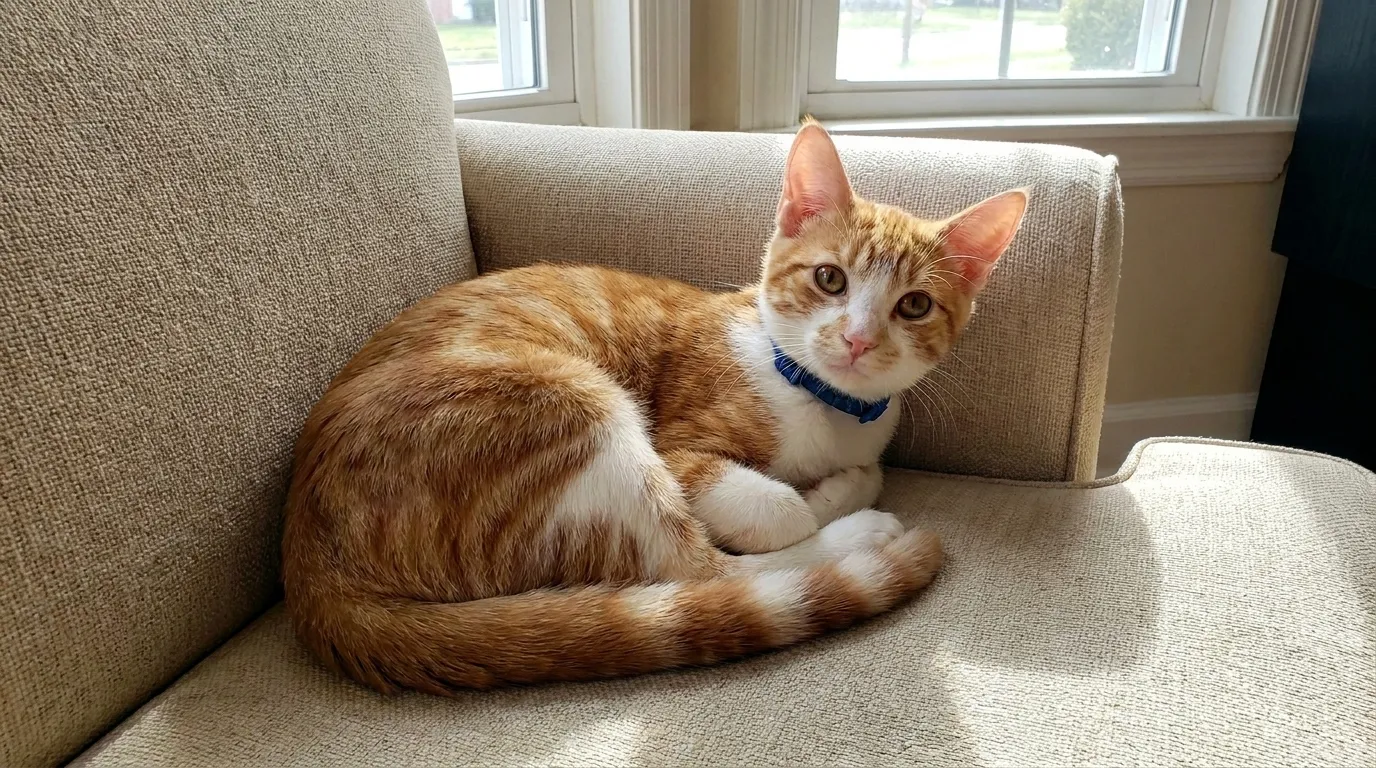
Quick Summary: Choosing the perfect name for your male cat involves considering his personality, appearance, and unique traits. Popular categories include classic names like Oliver and Leo, food-inspired choices like Oreo and Mochi, and character-based names from movies and literature. Research from the Cat Fanciers’ Association shows that cats can learn to respond to their names, making short, two-syllable names with distinct sounds the most effective choice.
Bringing home a new male kitten marks the start of an exciting journey. One of the first—and most fun—tasks is choosing the right name. But with endless possibilities, where do you start?
The name chosen for a male cat matters more than many realize. According to the Cat Fanciers’ Association, intelligent breeds like the Maine Coon and Chartreux can learn to respond to their names and even demonstrate dog-like behavior. The Norwegian Forest Cat, another intelligent breed, will actively seek out companionship and respond when called.
This guide covers 350+ boy cat names across multiple categories across multiple categories, plus expert tips for selecting a name that suits both the cat’s personality and the owner’s preferences.
How to Choose the Perfect Boy Cat Name
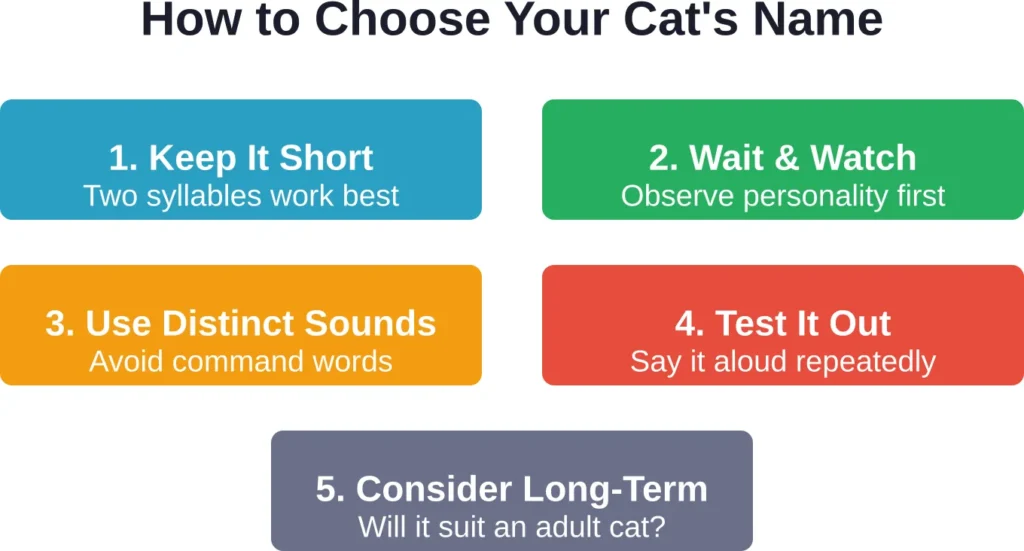
Not all names work equally well for cats. Some practical considerations can make the difference between a name the cat learns quickly and one that never quite sticks.
Keep It Short and Simple
Two-syllable names work best. Cats respond more readily to shorter names with distinct sounds. Names like “Milo,” “Leo,” and “Charlie” consistently rank among the most popular for good reason—they’re easy for cats to distinguish from other household sounds.
Avoid names that sound like common commands. A cat named “Kit” might confuse it with “sit,” while “Bo” could sound like “no.”
Match Personality and Appearance
Wait a few days before committing to a name. A kitten’s personality often reveals itself within the first week. Is he playful and mischievous? Names like “Bandit” or “Loki” might fit. More reserved and dignified? Consider “Duke” or “Winston.”
Physical appearance offers another rich source of inspiration. The Cat Fanciers’ Association documents various coat patterns—solid, tabby, parti-color, bi-color, and pointed—each offering naming opportunities based on color and markings.
Test Before Committing
Say the name out loud multiple times. Will it feel natural calling it across the house? How does it sound when combined with commands or affectionate phrases?
Some names that look great written down don’t flow well in everyday use. Testing prevents buyer’s remorse after the cat has already started responding to the name.
25 Most Popular Boy Cat Names
These classic names consistently top popularity lists. They’re popular for good reason—easy to say, easy for cats to recognize, and suitable for cats of any breed or personality.
| Name | Origin/Meaning | Why It Works |
|---|---|---|
| Oliver | Latin (olive tree) | Two syllables, soft sounds |
| Leo | Latin (lion) | Short, strong, regal |
| Milo | Germanic (soldier) | Friendly, approachable |
| Charlie | English (free man) | Classic, timeless |
| Max | Latin (greatest) | One syllable, punchy |
| Simba | Swahili (lion) | Pop culture recognition |
| Oscar | Irish (deer lover) | Sophisticated yet playful |
| Felix | Latin (happy, lucky) | Cat-associated, classic |
Other top choices include Jasper, Tiger, Shadow, Smokey, Gizmo, Boots, Finn, Cooper, Jack, Tucker, Sam, Buddy, Rocky, Bear, Teddy, Zeus, Apollo, Oreo, and Loki.
Boy Cat Names by Category
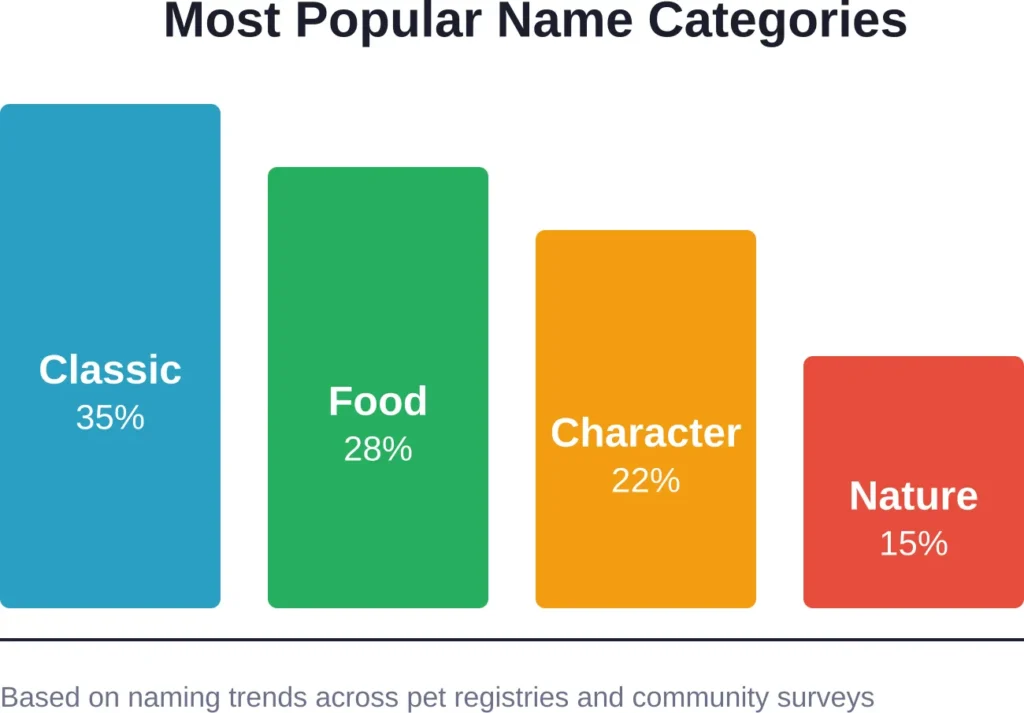
Different categories suit different cats. Here’s a comprehensive breakdown of the most popular naming themes.
Food-Inspired Names
Food names work particularly well for cats with specific colorings. They’re playful, memorable, and often match physical appearance perfectly.
Sweet treats: Oreo, Mochi, Cookie, Brownie, Muffin, Cupcake, Snickers, Butterscotch, Toffee, Caramel
Savory options: Pepper, Basil, Sage, Ginger, Nutmeg, Cinnamon, Wasabi, Nacho, Taco, Beans
Beverages: Espresso, Latte, Mocha, Whiskey, Brandy, Cognac, Porter, Guinness
Character and Celebrity Names
Pop culture provides endless inspiration. Characters from movies, TV shows, books, and history offer recognizable names with built-in personality.
Movie and TV characters: Simba, Mufasa, Garfield, Hobbes, Tigger, Lucifer (from Cinderella), Crookshanks, Puss, Binx, Salem, Sylvester, Tom, Azrael, Meowth
Literary characters: Atticus, Gatsby, Sherlock, Watson, Darcy, Heathcliff, Beowulf, Gandalf, Frodo, Bilbo
Historical figures: Napoleon, Caesar, Einstein, Tesla, Darwin, Aristotle, Galileo, Mozart, Beethoven
Nature and Animal Names
Nature-inspired names work beautifully for cats, especially those with wild or exotic appearances. According to the Cat Fanciers’ Association, many domestic breeds retain traits from their wild ancestors, making these names particularly fitting.
Weather and elements: Storm, Thunder, Blizzard, Cloud, Rain, Frost, Ash, Ember, Flint, Stone
Animals: Bear, Wolf, Fox, Hawk, Falcon, Raven, Tiger, Panther, Lynx, Moose
Plants and landscapes: Cedar, Aspen, Oakley, River, Canyon, Everest, Summit, Forest, Cliff
Mythological and Historical Names
Mythology offers powerful, meaningful names perfect for cats with commanding personalities or striking appearances.
Greek mythology: Zeus, Apollo, Ares, Hades, Hermes, Poseidon, Atlas, Titan, Orion, Perseus
Norse mythology: Thor, Loki, Odin, Baldur, Freyr, Heimdall, Fenrir
Egyptian mythology: Anubis, Ra, Osiris, Set, Horus, Bastet (though traditionally female, used for males too)
Color-Based Boy Cat Names
Coat color remains one of the most common naming inspirations. The Cat Fanciers’ Association recognizes numerous coat colors and patterns, each offering unique naming opportunities.
Black Cat Names
Black cats face unique adoption challenges. Research indicates that black cats have a high euthanasia rate in shelters at 74.6% and a low adoption rate at 10%. These striking cats deserve names that celebrate their beautiful dark coats.
Classic black names: Shadow, Midnight, Coal, Onyx, Panther, Raven, Noir, Jet, Eclipse, Obsidian
Playful options: Spooky, Phantom, Batman, Vader, Zorro, Dracula, Morticia (for males too), Wednesday
Orange and Ginger Cat Names
Orange tabbies have distinctive personalities often described as friendly and outgoing. Their warm coloring inspires equally warm names.
Food-inspired: Pumpkin, Butterscotch, Cheddar, Nacho, Cheeto, Mango, Peaches, Apricot, Marmalade, Tango
Other options: Rusty, Copper, Blaze, Flame, Sunny, Simba, Tiger, Garfield, Tigger, Phoenix
Gray and Silver Cat Names
Gray cats, including the prized Chartreux breed documented by the Cat Fanciers’ Association, deserve names reflecting their sophisticated coloring.
Metallic and stone: Silver, Sterling, Steel, Chrome, Slate, Ash, Smoke, Smokey, Graphite, Pewter
Nature-inspired: Storm, Thunder, Cloud, Fog, Mist, Rain, Slate, Flint, Granite
White Cat Names
White cats have an elegant, pristine appearance that calls for equally refined names.
Classic options: Snow, Snowball, Frost, Ice, Glacier, Ivory, Pearl, Casper, Ghost, Marshmallow
Sophisticated choices: Blanco, Alpine, Arctic, Winter, Aspen, Cotton, Tofu, Coconut
Tabby and Multi-Colored Names
Tabby patterns—the most common cat coat pattern—offer rich naming possibilities based on stripes, swirls, and spots.
Pattern-inspired: Tiger, Tigger, Stripes, Patches, Spot, Marble, Swirl, Mosaic, Puzzle
Creative options: Picasso, Jackson (after Jackson Pollock), Monet, Rembrandt
Unique and Creative Boy Cat Names
Looking for something different? These names stand out from the crowd while remaining practical for everyday use.
Sophisticated and Distinguished
Winston, Sherlock, Benedict, Montgomery, Remington, Chester, Archibald, Reginald, Theodore, Sebastian, Atticus, Cornelius, Bartholomew, Maximilian, Wellington
Short and Snappy
Ace, Rex, Jax, Finn, Duke, King, Cash, Dash, Fox, Knox, Zeke, Beau, Cole, Dean, Gage
International Flair
Japanese: Akira (bright), Hiro (generous), Kenji (intelligent), Yoshi (good luck), Haru (spring), Sora (sky)
Italian: Bruno, Marco, Giovanni, Romeo, Enzo, Luigi, Dante
French: Pierre, Jacques, Henri, Louis, Marcel, Remy
Spanish: Diego, Carlos, Miguel, Pablo, Rico, Cisco
Funny and Playful Boy Cat Names
Humor has its place in cat naming. These names bring a smile while remaining functional.
Punny names: Purrcy, Meowrio, Chairman Meow, Cat Damon, Clawed Monet, Paw McCartney, Fuzz Aldrin, William Shakespaw, Catrick Swayze
Ironic names: Tiny (for large cats), Fluffy (for hairless cats), Dog, Mouse, Cujo, Bruiser, Tank, Hulk
Food puns: Sir Loin, Biscuit, Waffles, Pickles, Dumpling, Noodles, Tater Tot
Names Based on Personality Traits
Wait a few days and the cat’s true nature emerges. The Cat Fanciers’ Association notes that different breeds exhibit distinct personality traits—Maine Coons demonstrate intelligence and sociability, while Norwegian Forest Cats show independence balanced with affection.
| Personality Type | Suggested Names |
|---|---|
| Playful & Energetic | Zoom, Rocket, Dash, Flash, Turbo, Bolt, Sparky, Zippy |
| Calm & Relaxed | Buddha, Zen, Mellow, Easy, Chill, Snooze, Dreamer |
| Mischievous | Bandit, Rascal, Rebel, Chaos, Trouble, Loki, Maverick |
| Affectionate | Cuddles, Lovey, Sweetie, Honey, Sugar, Hugsy |
| Independent | Solo, Ranger, Scout, Hunter, Lone, Maverick |
| Vocal | Chatty, Yapper, Singer, Elvis, Pavarotti, Opera |
Tips for Teaching Your Cat His Name
Research from Purdue University shows that cats can learn behaviors previously thought exclusive to dogs. A study led by Dr. Mikel Delgado found that about 41% of cats engage in fetch behavior, demonstrating their capacity for interactive learning.
Teaching a cat to respond to his name follows similar principles.
Consistency Is Key
Use the chosen name consistently from day one. Everyone in the household should use the same name—no variations or nicknames during the training period.
Positive Association
Say the cat’s name immediately before something positive: feeding time, treats, play sessions, or affection. The cat learns to associate his name with good experiences.
Never use the name when disciplining or in negative contexts. That creates negative associations that undermine training.
Repetition and Patience
Cats learn through repetition. Say the name frequently during positive interactions. Most cats begin responding within a few weeks of consistent use.
The Chartreux breed, according to the Cat Fanciers’ Association, particularly excels at learning names and responding when called, often displaying dog-like behavior in this regard.
Names to Avoid
Some names create practical problems despite sounding appealing initially.
Too similar to commands: Kit (sit), Bo (no), Ray (stay), Mo (no)
Too long or complex: Names longer than three syllables prove difficult for cats to distinguish. “Alexander the Great” might sound impressive, but “Alex” works better in practice.
Embarrassing at the vet: Consider how the name sounds when announced in a waiting room. Funny at home might be awkward in public.
Names that don’t age well: “Kitten” or “Baby” works poorly when the cat reaches adulthood. Think long-term.
Changing an Adopted Cat’s Name
Adopting an adult cat often means inheriting a name. Is changing it okay? Generally, yes—especially if the cat came from a shelter where the name was assigned arbitrarily.
Most adult cats adapt to new names within a few weeks when proper training techniques are applied. When introducing a new name, use positive reinforcement consistently.
For cats with established names from previous homes, consider keeping the name if it works well. Cats experiencing the stress of rehoming benefit from some continuity.
Frequently Asked Questions
Oliver, Leo, Milo, Charlie, and Max consistently rank as the top five most popular boy cat names. These names work well because they’re short, easy to pronounce, and have distinct sounds that cats recognize easily. Classic names like Simba, Felix, and Oscar also remain popular choices.
Short names work best—ideally two syllables or less. Cats respond more readily to names like “Leo” or “Milo” than longer names like “Alexander” or “Christopher.” According to the Cat Fanciers’ Association, intelligent breeds like the Chartreux and Maine Coon learn to respond to their names, but shorter names facilitate faster learning.
Yes, adult cats can learn new names, though it requires consistency and patience. Use positive reinforcement by saying the new name before feeding, treats, or play. Most cats adapt to a new name within 2-4 weeks of consistent use. If the shelter-assigned name doesn’t suit the cat’s personality, changing it is perfectly acceptable.
Create positive associations by saying the cat’s name immediately before something enjoyable—meals, treats, playtime, or affection. Use the name consistently and avoid using it during negative interactions like discipline. Research from Purdue University shows cats can learn complex behaviors, including name recognition, when training uses positive reinforcement consistently.
Match names to observed behavior: playful cats suit names like Dash, Rocket, or Zoom; calm cats match Buddha, Zen, or Mellow; mischievous personalities fit Bandit, Loki, or Chaos. Wait a few days to observe the cat’s true personality before committing to a name. The Cat Fanciers’ Association notes that different breeds have distinct personality traits worth considering.
Food names work excellently, especially when they match the cat’s coloring. Oreo suits black-and-white cats, Ginger fits orange tabbies, and Pepper matches gray cats. Food names are memorable, playful, and easy to say—making them practical choices that cats learn to recognize quickly.
Not at all. Human names like Charlie, Sam, Oscar, and Winston rank among the most popular boy cat names. These names are timeless, easy to say, and work well in everyday use. The key is choosing a name that feels natural when calling the cat and suits his personality and appearance.
Final Thoughts on Choosing Boy Cat Names
The perfect name balances practicality with personality. It should be easy to say, easy for the cat to recognize, and meaningful to the household.
Remember that cats are intelligent creatures capable of learning their names when training applies positive reinforcement consistently. The Cat Fanciers’ Association documents this intelligence across numerous breeds, from the sociable Maine Coon to the independent Norwegian Forest Cat.
Take time to observe the new cat’s personality, appearance, and quirks. The right name often reveals itself within the first few days. Whether choosing a classic like Oliver, a food name like Oreo, a character name like Simba, or a unique choice like Galileo, the most important factor is selecting a name that creates joy every time it’s spoken.
The bond between cat and owner grows stronger when the cat responds to his name, coming when called and engaging in interactive play. Research from Purdue University confirms that cats are far more social and trainable than historically believed, with proper technique allowing them to learn names, commands, and even fetch.
Choose wisely, train consistently, and enjoy the years of companionship ahead with a perfectly named feline friend.