

Quick Summary: Losing 40 pounds in 3 months is technically possible but exceeds the CDC-recommended safe rate of 1-2 pounds per week. This aggressive timeline would require losing about 3.3 pounds weekly, which may increase health risks and make long-term weight maintenance difficult. A safer, more sustainable approach targets 12-24 pounds over three months.
The question pops up constantly in weight loss communities: Is dropping 40 pounds in just three months realistic? The short answer is complicated. While physically possible for some people, this aggressive timeline pushes well beyond what most health experts consider safe.
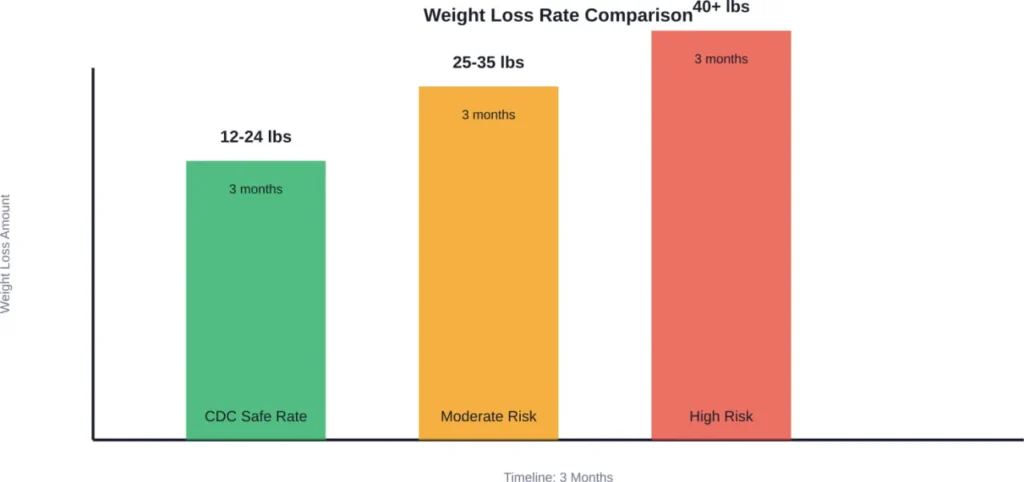
According to the CDC, people who lose weight at a gradual, steady pace—about 1 to 2 pounds a week—are more likely to keep the weight off. That means over three months (roughly 12-13 weeks), a safe target would be 12-24 pounds—not 40.
But here’s the thing. Different bodies respond differently to dietary changes and exercise. Some factors matter more than others when determining what’s realistic for any individual.
Understanding Safe Weight Loss Rates
The CDC emphasizes that sustainable weight loss comes from lifestyle changes, not crash diets. These changes include healthy eating patterns, regular physical activity, adequate sleep, and stress management.
Losing 40 pounds in three months breaks down to approximately 3.3 pounds per week. That’s significantly higher than the recommended 1-2 pounds weekly threshold.
According to research published in StatPearls (National Library of Medicine), weight loss >10% of body weight has been defined as “large” weight loss. For someone weighing 200 pounds, that’s 20 pounds. Loss of approximately 5% to 10% of body weight over 6 months has improved glycemic control and clinically reduced blood pressure and cholesterol. Losing more than this, or weight loss at faster rates, may improve overall health but may increase the possibility of health risks.
The CDC notes that even modest weight loss helps. A 5% weight reduction for a 200-pound person equals just 10 pounds, yet this change can lower the risk for chronic diseases and improve blood pressure, cholesterol, and blood sugar levels.
Why Rapid Weight Loss Can Be Risky
Aggressive weight loss timelines come with documented risks. Research from the National Library of Medicine highlights several concerns associated with excessive or rapid weight reduction.
When weight drops too quickly, the body doesn’t just lose fat. Muscle mass, water weight, and essential nutrients go along with it. This can lead to:
- Nutrient deficiencies and weakness
- Loss of muscle mass and decreased metabolism
- Dehydration and electrolyte imbalances
- Gallstones and digestive issues
- Fatigue and dizziness
Medical research published in BMJ Open Sport & Exercise Medicine found that rapid weight loss can increase the risk of acute kidney injury in wrestlers.
Another concern? Weight cycling. Studies examining the impact of weight cycling show that repeatedly losing and regaining weight—often called the “yo-yo effect”—may pose its own health risks and make future weight loss attempts more difficult.
Who Might Lose 40 Pounds in Three Months
Real talk: some people do lose this much weight in three months. But it’s not the norm, and certain factors make it more likely.
Community discussions on weight loss forums reveal patterns. People who start at higher weights often experience faster initial weight loss. Someone starting at 265 pounds might see more dramatic results than someone at 180 pounds.
Here’s why: larger bodies burn more calories at rest. A heavier person naturally has a higher baseline calorie expenditure, creating a larger potential calorie deficit without dipping into dangerous restriction territory.
That said, this doesn’t make aggressive timelines safe across the board. Medical supervision becomes essential when targeting weight loss that exceeds standard recommendations.
Factors That Influence Weight Loss Speed
| Factor | Impact on Weight Loss |
|---|---|
| Starting Weight | Higher starting weights typically see faster initial loss |
| Age | Metabolism naturally slows with age, affecting loss rate |
| Gender | Men often lose weight faster due to higher muscle mass |
| Activity Level | More physical activity increases calorie burn |
| Diet Quality | Nutrient-dense foods support sustainable loss |
| Sleep | Inadequate sleep disrupts hormones that regulate hunger |
| Medical Conditions | Certain conditions and medications affect metabolism |
What Actually Works for Weight Loss
Instead of chasing extreme timelines, focus on strategies backed by health authorities. The CDC outlines clear steps for sustainable weight loss.
First, create a specific plan. Vague goals like “lose weight” don’t work as well as concrete targets with actionable steps.
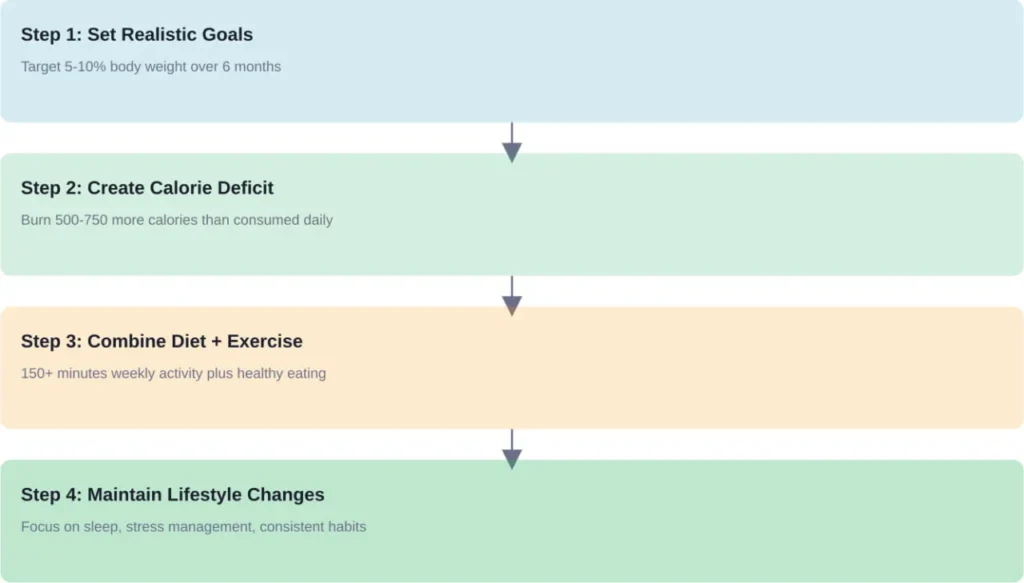
According to the CDC, losing 5% to 10% of current body weight over six months has proven effective for improving health markers. For a 200-pound person, that’s 10-20 pounds—half of what aggressive three-month plans promise, but achieved at a pace the body can sustain.
Calorie Deficit Basics
Weight loss requires burning more calories than consumed. To lose 1-2 pounds weekly, a calorie deficit of approximately 500-750 calories per day is needed.
But here’s where it gets tricky with a 40-pound goal. Losing 40 pounds in three months (approximately 3.3 pounds per week) would require a daily calorie deficit of approximately 1,650 calories (3.3 lbs × 500 cal/lb). For most people, that’s an unsustainably large gap that would mean either extreme calorie restriction, excessive exercise, or both.
For overall health, adults need at least 150 minutes a week of moderate-intensity aerobic activity. This could be brisk walking 22 minutes a day; 30 minutes a day, 5 days a week; or what works for your schedule. Physical activity supports weight management, but combining it with dietary changes produces better results than exercise alone.
Building a Sustainable Approach
Sound familiar? The gap between aggressive goals and sustainable methods creates frustration. Many people start with extreme timelines, struggle to maintain them, then abandon their efforts entirely.
A better approach focuses on lifestyle changes that can last beyond three months. According to the CDC, sustainable weight management includes:
- Eating patterns centered on nutrient-dense foods
- Regular physical activity integrated into daily life
- Adequate sleep (7-9 hours for most adults)
- Stress management techniques
- Consistent habits rather than temporary restrictions
The Mayo Clinic emphasizes making lasting lifestyle changes rather than following fad diets. Long-term weight loss requires readiness for permanent changes, not quick fixes.
Realistic Three-Month Timeline
So what’s actually achievable? At the recommended 1-2 pounds per week, expect 12-24 pounds of weight loss over three months. For some people starting at higher weights with significant lifestyle changes, 25-30 pounds might be possible—but that’s pushing the upper limits.
Forty pounds in three months means averaging over three pounds weekly for 12-13 consecutive weeks. That requires maintaining an extreme calorie deficit without breaks, which becomes increasingly difficult as weight drops and metabolism adapts.
Medical Supervision and Safety
Anyone considering rapid weight loss should consult healthcare providers first. According to medical research, weight loss programs that exceed standard recommendations should only be attempted under medical supervision.
Certain medical conditions, medications, and individual health factors can affect both weight loss safety and effectiveness. A healthcare provider can assess whether aggressive timelines pose specific risks and monitor for potential complications.
The CDC notes that people with chronic diseases need special consideration when losing weight. While healthy weight loss can help manage conditions like diabetes and high blood pressure, the approach must be tailored to individual health status.
Frequently Asked Questions
According to the CDC, safe weight loss occurs at 1-2 pounds per week. Over three months (12-13 weeks), this translates to 12-24 pounds. Losing more than this may increase health risks and make long-term maintenance difficult.
Rapid weight loss can lead to muscle loss, nutrient deficiencies, dehydration, fatigue, gallstones, and metabolic slowdown. Research published by the National Institutes of Health indicates that excessive or rapid weight reduction carries documented health risks that should be evaluated by medical professionals.
Generally speaking, people starting at higher weights often experience faster initial weight loss because larger bodies burn more calories at rest. This creates a naturally larger calorie deficit. However, this doesn’t eliminate the health risks associated with extremely rapid weight loss.
While physically possible for some individuals, this aggressive timeline should only be attempted under medical supervision. The rate significantly exceeds CDC recommendations and may increase risks of complications, nutrient deficiencies, and long-term metabolic effects.
The CDC emphasizes gradual weight loss through sustainable lifestyle changes: healthy eating patterns with nutrient-dense foods, regular physical activity (at least 150 minutes weekly), adequate sleep, and stress management. These approaches support both initial weight loss and long-term maintenance.
Losing 40 pounds in three months (approximately 3.3 pounds per week) would require a daily calorie deficit of approximately 1,650 calories (3.3 lbs × 500 cal/lb). For most people, creating this deficit through diet and exercise alone is unsustainable and potentially dangerous. The recommended 500-750 calorie daily deficit is more realistic and safer.
Exercise alone rarely produces weight loss of this magnitude in this timeframe. According to the CDC, combining dietary changes with physical activity produces better results than either approach alone. Exercise supports weight loss but works best when paired with healthy eating patterns.
The Bottom Line on Rapid Weight Loss
Can someone lose 40 pounds in three months? Technically, yes—but it doesn’t mean they should. This timeline pushes well beyond safe, sustainable weight loss recommendations from health authorities like the CDC.
The focus shouldn’t be on hitting arbitrary numbers in minimal time. Instead, building habits that support long-term health makes more sense. Even modest weight loss of 5-10% provides meaningful health benefits without the risks associated with extreme calorie restriction.
For anyone serious about losing significant weight, working with healthcare providers ensures safety and increases the chances of keeping weight off long-term. Check with a doctor before starting any weight loss program, especially one that targets rapid results.
Remember: weight lost slowly through sustainable methods tends to stay off. Weight lost through extreme measures often returns—and brings complications along for the ride.