
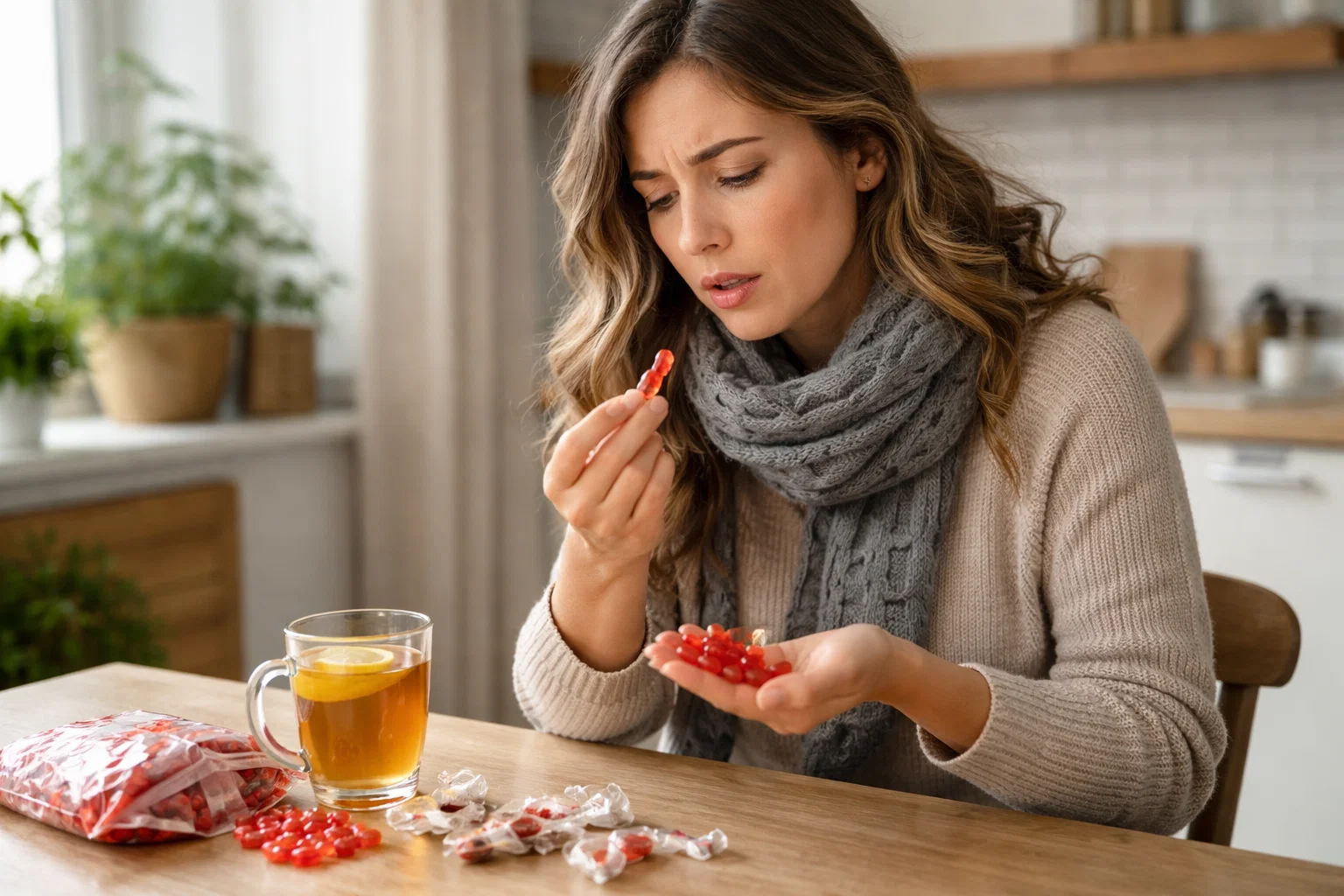
Quick Summary: Yes, it is possible to overdose on cough drops, though serious harm is rare. Most cough drops contain menthol or other active ingredients that can cause adverse effects when consumed in excessive amounts. Symptoms range from mild digestive upset to more serious effects like rapid heart rate, confusion, or breathing difficulties. Following dosage instructions and staying within recommended limits is essential for safe use.
When your throat feels raw and scratchy, cough drops seem like the perfect solution. Pop one in your mouth, feel the soothing relief, and maybe reach for another an hour later. But that raises an important question: can something as seemingly harmless as a cough drop actually cause harm if taken in excess?
The short answer is yes. While cough drop overdoses are uncommon, they’re definitely possible. These small throat lozenges contain active ingredients that can cause adverse reactions when consumed beyond recommended doses.
Understanding the risks doesn’t mean living in fear of your medicine cabinet. It means knowing what’s in those drops, recognizing the signs of overconsumption, and using them responsibly.
What’s Actually Inside Cough Drops
Cough drops aren’t just flavored candy. They contain active medicinal ingredients designed to suppress coughs and soothe throat irritation. The specific compounds vary by brand, but several common ingredients appear frequently.
Menthol is the most prevalent active ingredient found in cough drops. This organic compound creates that cooling sensation and helps calm cough reflexes.
Some medicated cough drops contain dextromethorphan (DXM), a cough suppressant found in more than 120 cough and cold products according to Poison Control. Dextromethorphan works differently than menthol—it acts on the brain’s cough center to reduce the urge to cough.
Other drops include ingredients like benzocaine (a numbing agent), pectin, honey, or herbal extracts. Each active ingredient carries its own potential for side effects when overused.
Reading the Label Matters
Most cough drop packages include clear dosage instructions with recommended limits and timing between doses.
These aren’t arbitrary suggestions. They’re calculated limits based on how much of the active ingredient the body can safely process within a given timeframe.
Understanding Menthol Poisoning
Menthol poisoning is the most common concern with cough drop overconsumption. However, it’s important to understand context here—most cases of serious menthol poisoning involve pure menthol ingestion, not typical cough drop consumption.
Pure menthol is significantly more concentrated than what’s found in throat lozenges. A single cough drop contains only a small fraction of what would be considered a toxic dose. But that doesn’t mean overconsumption is harmless.
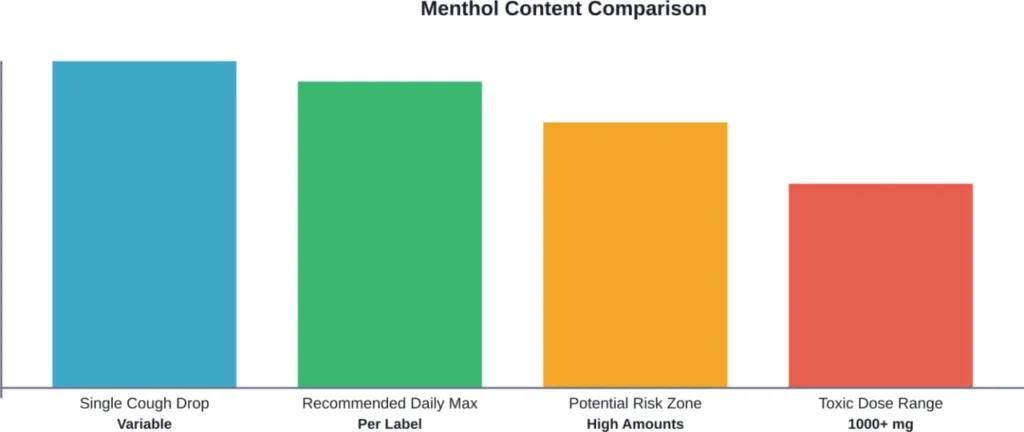
Eating 10 to 20 cough drops in a short period could lead to uncomfortable symptoms. Eating 50 or more could potentially cause more serious reactions, though even this would be difficult for most people to accomplish.
The stomach discomfort alone typically prevents people from consuming truly dangerous amounts. Still, the risk exists, particularly for children who might not recognize the difference between medicine and candy.
Signs and Symptoms of Overconsumption
What happens when someone takes too many cough drops? The symptoms depend on the quantity consumed and the specific ingredients involved.
Mild to Moderate Symptoms
Early warning signs of cough drop overconsumption often include digestive issues. Nausea, stomach pain, and diarrhea are common complaints. These symptoms occur because the body is trying to process more of the active ingredients than it can comfortably handle.
Heartburn or acid reflux may develop. The menthol can relax the lower esophageal sphincter, allowing stomach acid to flow backward into the esophagus.
Some people experience dizziness or lightheadedness. Headaches can also occur, particularly with menthol-heavy products.
Mouth irritation or canker sores might develop from constant exposure to the active ingredients. The tissues inside the mouth can become inflamed with prolonged contact.
More Serious Warning Signs
Higher doses can trigger more concerning symptoms. Rapid heartbeat or heart palpitations indicate the cardiovascular system is being affected. Breathing difficulties or shallow breathing require immediate attention.
Mental changes like confusion, agitation, or unusual drowsiness signal that the central nervous system is being impacted. These symptoms are particularly common with dextromethorphan overdose.
According to Poison Control, dextromethorphan abuse leads to approximately 6,000 emergency room visits annually. Recreational users intentionally exceed recommended doses seeking altered time perception and visual hallucinations, but accidental overconsumption can produce similar dangerous effects.
| Symptom Severity | Common Signs | Action Required |
|---|---|---|
| Mild | Nausea, stomach discomfort, heartburn, mild dizziness | Stop taking cough drops, drink water, rest |
| Moderate | Persistent vomiting, diarrhea, headache, mouth sores | Contact poison control or healthcare provider |
| Severe | Rapid heartbeat, breathing difficulty, confusion, seizures | Call 911 immediately |
The DXM Concern
Dextromethorphan deserves special attention because it poses unique risks. While menthol-only cough drops are relatively difficult to overdose on through normal use, DXM-containing products present a different picture.
DXM is a cough suppressant, but at high doses it acts as a dissociative drug. This has made it a target for recreational abuse, particularly among teenagers. Community discussions frequently mention DXM’s availability and low cost as factors in its misuse.
Recent surveys show concerning usage rates among young people, with reports of DXM misuse across multiple grade levels.
The problem extends beyond deliberate misuse. Someone with a persistent cough might think “if one dose helps a little, three doses will help more.” This logic can quickly lead to dangerous territory with DXM-containing products.
DXM Effects at Different Doses
At therapeutic doses, DXM safely suppresses coughs. But the effects change dramatically as doses increase. Higher doses can cause euphoria, altered sensory perception, and dissociation from physical reality.
Very high doses risk seizures, loss of consciousness, and respiratory depression. When combined with other medications or substances, the risks multiply.
Special Risks for Children
Children face heightened risks from cough drop overconsumption. Their smaller body size means that fewer drops can cause problems. Additionally, they may not understand that cough drops are medicine, not candy.
According to Poison Control, cough and cold medicines should not be given to children under two years old unless specifically recommended by their healthcare provider. For children under four, there’s no evidence that these medicines are safe or effective.
The FDA emphasizes that cough or cold medicine will not change the natural course of a cold or make it go away faster in children. Home remedies like humidity, fluids, and rest often work better than medication for young children.
Parents should store cough drops out of reach and sight of children. Even a seemingly small amount can cause problems for a curious toddler who discovers a forgotten package.
What to Do If Overdose Occurs
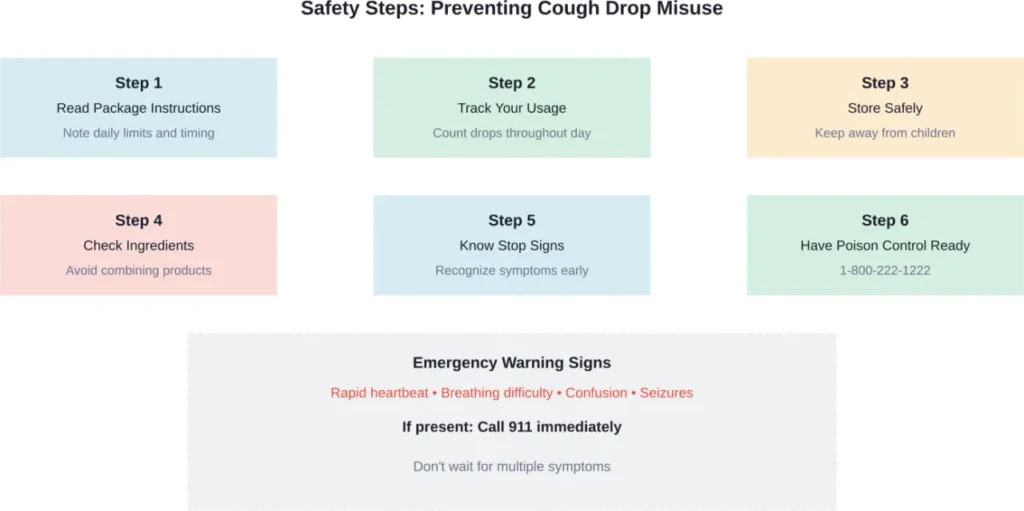
If someone has consumed too many cough drops, quick action matters. The response depends on symptom severity, but help is available through multiple channels.
For mild symptoms, stop taking cough drops immediately. Drink water to help dilute and flush the ingredients. Rest and monitor for worsening symptoms.
For moderate concerns, contact Poison Control at 1-800-222-1222 or use the webPOISONCONTROL online tool. Both options provide free, confidential expert guidance. Poison Control can assess the situation and advise whether medical evaluation is needed.
Call 911 immediately if the person collapses, has a seizure, experiences severe breathing difficulty, or can’t be awakened. These are medical emergencies requiring immediate professional intervention.
Treatment Approaches
Medical treatment for cough drop overdose depends on symptoms and timing. If someone arrives at the emergency room soon after ingestion, activated charcoal might be administered to prevent further absorption.
Supportive care addresses specific symptoms. Intravenous fluids treat dehydration. Medications can control nausea, regulate heart rhythm, or manage other complications. Monitoring ensures symptoms don’t worsen unexpectedly.
Most people who receive appropriate care recover fully. Serious long-term complications from cough drop overdose are rare when treatment begins promptly.
Prevention Strategies That Work
The best approach to cough drop overdose is prevention. Several straightforward strategies dramatically reduce risks.
Always read and follow package directions. Those recommendations aren’t suggestions—they’re safety limits based on how the body processes these ingredients. If directions specify a maximum per 24 hours, that’s a hard ceiling, not a starting point.
Keep track of consumption throughout the day. It’s easy to lose count when reaching for drops repeatedly. Some people find it helpful to remove the day’s maximum from the package each morning and only use those drops.
Store cough drops properly. Keep them in a secure location where children can’t access them. Don’t leave packages on nightstands, in purses, or other easily accessible spots.
Check for ingredient overlap. Many cold and flu products contain similar active ingredients. Taking cough drops along with liquid cough syrup, cold tablets, or other medications can lead to accidental overdose even when each product is used as directed individually.
When Cough Drops Aren’t Working
If cough drops aren’t providing relief, the solution isn’t taking more drops. A persistent cough lasting more than a few weeks warrants medical evaluation. The cough might stem from an underlying condition requiring different treatment.
Alternative approaches like staying hydrated, using a humidifier, or trying honey in warm tea can provide relief without medication risks. For persistent symptoms, healthcare providers can recommend appropriate treatments.
Frequently Asked Questions
Most cough drop packages recommend a maximum of 10 to 12 drops per 24 hours for adults. The exact number depends on the specific product and its active ingredient concentration. Always check your product’s label for its specific dosage instructions and never exceed the stated maximum.
Excessive use of menthol cough drops can irritate throat tissues rather than soothe them. The constant exposure to menthol and other ingredients can cause inflammation, dryness, or even mouth sores. Moderation is key—use cough drops only as often as directed on the package.
No. While sugar-free versions won’t impact blood sugar levels, they still contain the same active medicinal ingredients as regular cough drops. The overdose risk from menthol, dextromethorphan, or other active compounds remains identical. Additionally, sugar alcohols used in sugar-free products can cause digestive upset when consumed in excess.
Contact Poison Control immediately at 1-800-222-1222 or use webPOISONCONTROL online. Don’t wait for symptoms to appear. Poison Control experts will assess the specific product and amount consumed, then provide guidance. Have the package available so specialists can identify exact ingredients and concentrations.
Physical addiction to menthol cough drops is unlikely, but psychological dependence can develop where people feel they constantly need a drop in their mouth. Dextromethorphan-containing products pose a genuine addiction risk, with recreational abuse becoming increasingly common, particularly among teenagers. In 2009, the National Institute on Drug Abuse’s Monitoring the Future Survey found that 6% of high school seniors had abused DXM.
Not necessarily. Natural doesn’t mean unlimited or risk-free. Herbal cough drops still contain active ingredients that can cause side effects when overused. Some herbal compounds interact with medications or medical conditions. Always treat herbal products with the same caution as conventional medicines and follow dosage guidelines.
Mild symptoms typically resolve within several hours to a day once consumption stops and the body processes the excess ingredients. More severe symptoms may require medical treatment and can take longer to fully resolve. Recovery time varies based on the amount consumed, which specific ingredients were involved, and how quickly treatment begins.
The Bottom Line on Cough Drop Safety
Cough drops serve a legitimate purpose in managing throat discomfort and suppressing coughs. Used appropriately, they’re generally safe and effective. But “generally safe” doesn’t mean “impossible to misuse.”
The possibility of overdose is real. Whether through intentional abuse of DXM-containing products, children accessing medicine they think is candy, or adults mindlessly consuming too many throughout the day, the risks exist and shouldn’t be dismissed.
The good news? Prevention is straightforward. Read labels. Follow directions. Keep count. Store safely. Recognize warning signs early.
If concerns arise about potential overconsumption, help is readily available. Poison Control provides free, expert guidance 24 hours a day. For emergencies, call 911 without hesitation.
Cough drops don’t need to be feared—they need to be respected as the medicine they are. With mindful use and proper precautions, they can provide the soothing relief they’re designed to deliver without putting health at risk. If symptoms persist beyond what cough drops can reasonably address, consult a healthcare provider to identify and treat the underlying cause rather than continuing to self-medicate with over-the-counter lozenges.