
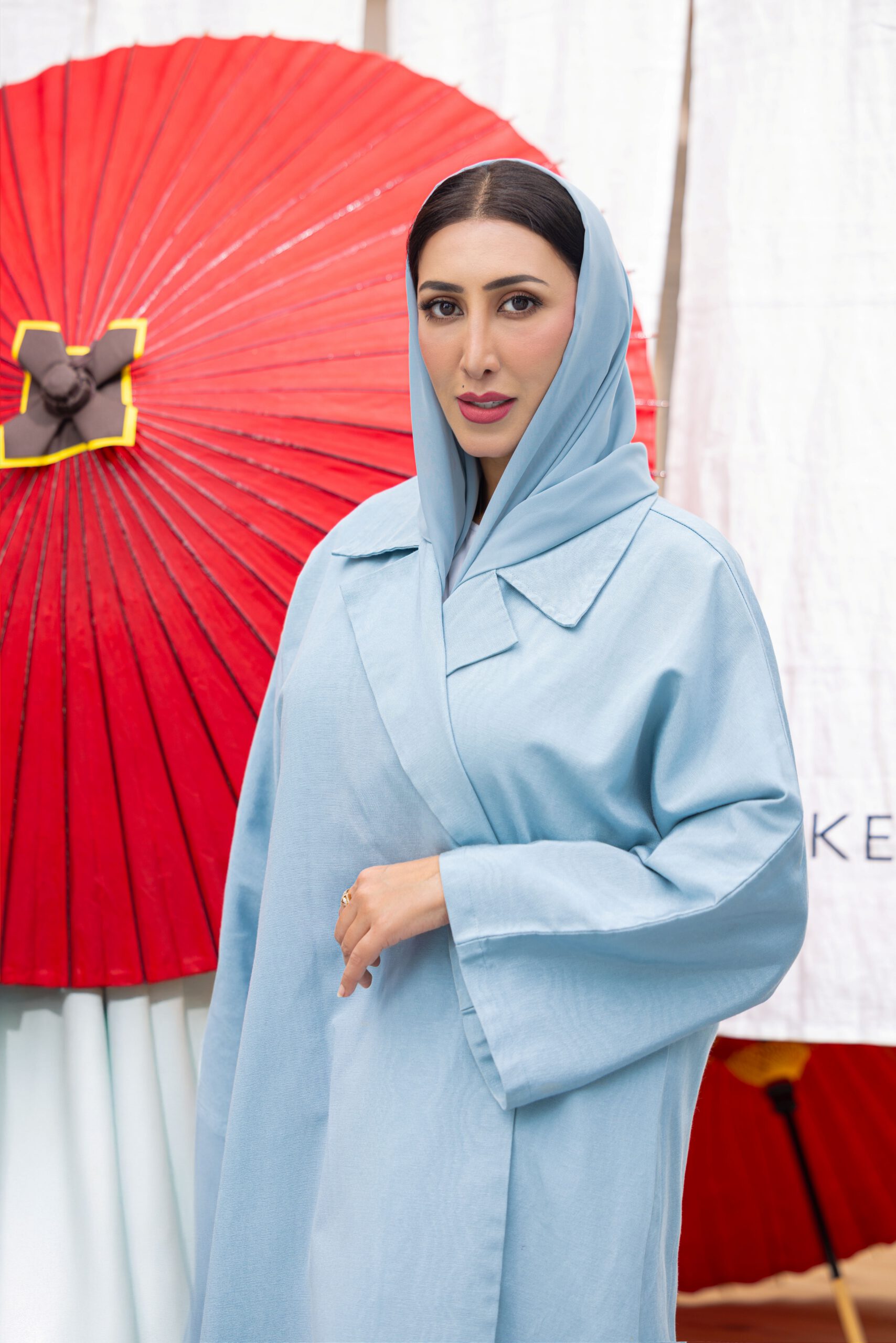
Viewing culture as infrastructure rather than decoration separates those who merely build cities from those who shape them. Under Khadija Al Bastaki’s stewardship, Dubai Design District has matured into a rare achievement: a functioning ecosystem where education, commerce, and creative ambition reinforce rather than constrain one another. In conversation with Lara Palmer, the Senior Vice President of Dubai Design District (d3), part of TECOM Group PJSC, articulates a philosophy rooted in cultural authenticity as a driver of global relevance.
Lara Palmer: You have often spoken about culture as a strategic force, not a decorative one. At what point did you realise that cultural development could become a powerful engine for economic and social transformation?
Khadija Al Bastaki: At Dubai Design District we have seen firsthand how nurturing and building creativity leads to commercial success and stronger social cohesion. From the progress we’ve seen at d3 and its flagship initiatives — whether that’s Dubai Fashion Week or Dubai Design Week, the region’s largest creative festival — it is evident that authentic culture and creativity drive resilience and growth. In Dubai, that relationship is especially apparent because the creative infrastructure, supported by Dubai’s Economic Agenda D33 and the Dubai Design Sector Strategy 2033, directly influences talent attraction and growth, global perception and the ability to diversify the economy in a credible, lasting way.
L.P.: Under your leadership, Dubai Design District evolved into far more than a physical destination. What philosophy guided this transformation?
K.A.B.: The overarching philosophy of d3 has always been that it should be a holistic creative ecosystem. We are a hub for creative businesses and talents — whether that’s architectural studios, fashion houses, art galleries, interior design studios or jewellers. d3 is meaningful because it connects education, creation, talents and production with access to global business — so ideas can become sustainable enterprises. Looking ahead, d3 will undergo a much-anticipated expansion comprising more than 500,000 square feet of new premium spaces, that will further reinforce Dubai’s position as a global destination for design, creativity and innovation.
L.P.: What do you believe emerging creatives need most today?
K.A.B.: Confidence is closely tied to having a solid support system and knowing that frameworks exist to ensure success. Our specialised incubator in5 Design has played an important role in supporting emerging entrepreneurs, forming part of the wider in5 start-ups incubator under TECOM Group, which has supported more than 1,100 start-ups with more than AED 9 billion in funding raised.
L.P.: What excites you most about the future of fashion, jewellery, and design in the Arab world?
K.A.B.: The region’s shift from being consumers of global narratives to being creators of globally relevant work, grounded in a regional context, is the most exciting aspect. The next chapter will be defined by ever more confident talents, more specialised points of view across disciplines and cultures, and a stronger homegrown production pipeline. What we are seeing is that consumers want an experience and an emotional connection from a brand — something unique. It is about the journey and experience of the product, rather than just the final product itself.