
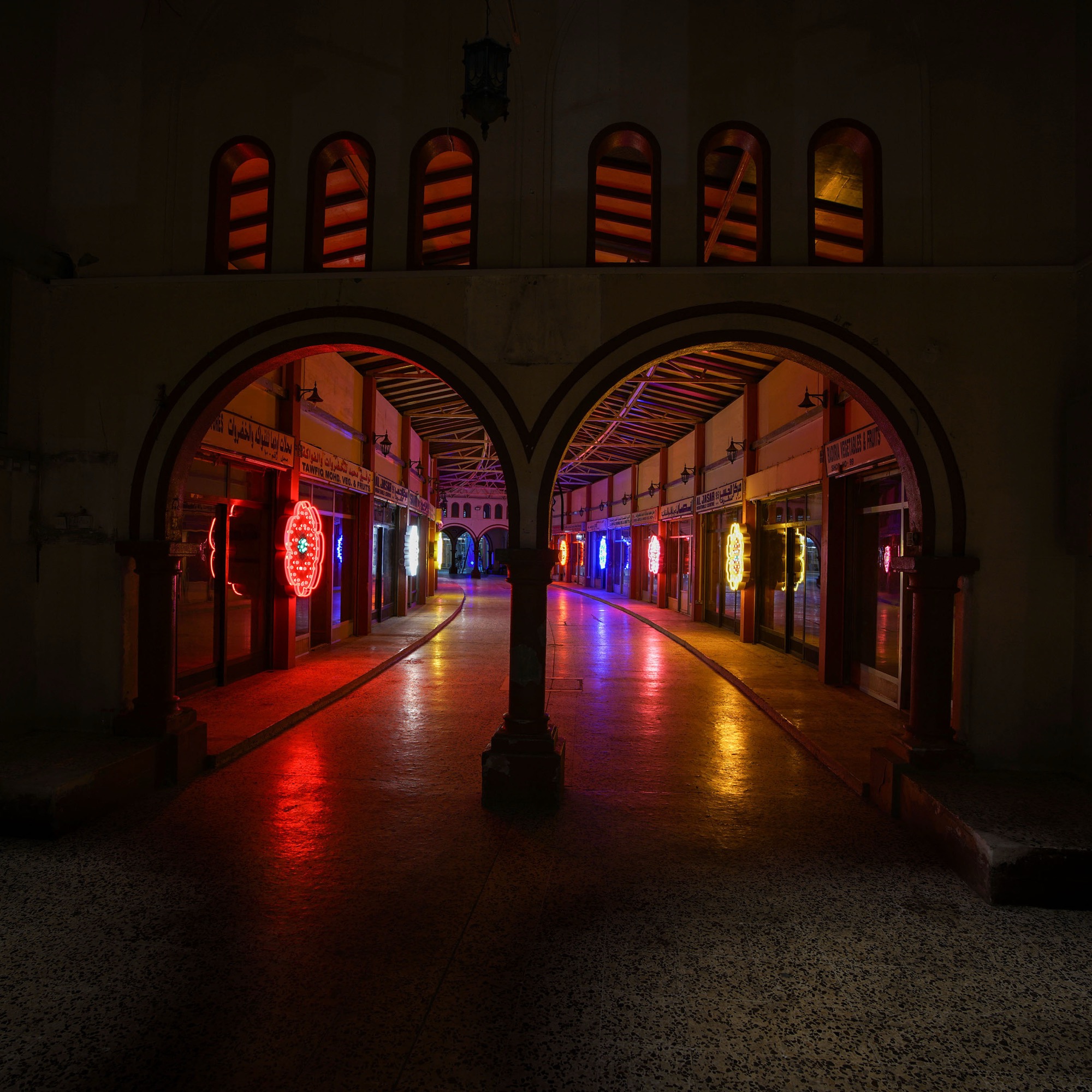
Natalya Andakulova, art critic and owner of the Andakulova Gallery Dubai, writes on the occasion of Sharjah Biennial 15 — the 30th anniversary edition of one of the world’s most significant international art exhibitions. The Sharjah Biennial brings together over 150 artists and collectives from more than 70 countries, presenting 300-plus works — including 70 new commissions — across 19 venues in five cities and towns across the emirate. The theme, Thinking Historically in the Present, was conceived by the late Okwui Enwezor before his death in 2019.
Enwezor, the first African director of The Venice Biennale in its 120-year history, proposed placing the past and the present within the same temporality — not to dwell in history but to understand that any coherent vision of the future requires an honest engagement with what preceded it. The biennial format itself has a particular history worth noting. The Venice Biennale, launched in 1895, gave the world Picasso, Renoir, Pop Art, and Expressionism.
Documenta, launched in Kassel in 1955, rescued avant-garde art from the suppression of the preceding decades, presenting Kandinsky, Picasso, Mondrian, and others to audiences who had been denied access to their work for nearly twenty years. Both events demonstrated that large-scale international art exhibitions are not merely cultural occasions — they are economic and political instruments, attracting specialists, collectors, tourists, and international attention to the cities that host them. Sharjah’s approach to SB-15 is notably spatial.
Rather than concentrating work in a single major venue, the exhibition is distributed across the emirate’s historic quarters, repurposed industrial buildings, an old vegetable market, a power plant, and a kindergarten. The artworks are integrated into these spaces rather than placed within them — the city itself becomes part of the exhibition. Sharjah Biennial 15 ran until 11th June 2023.