
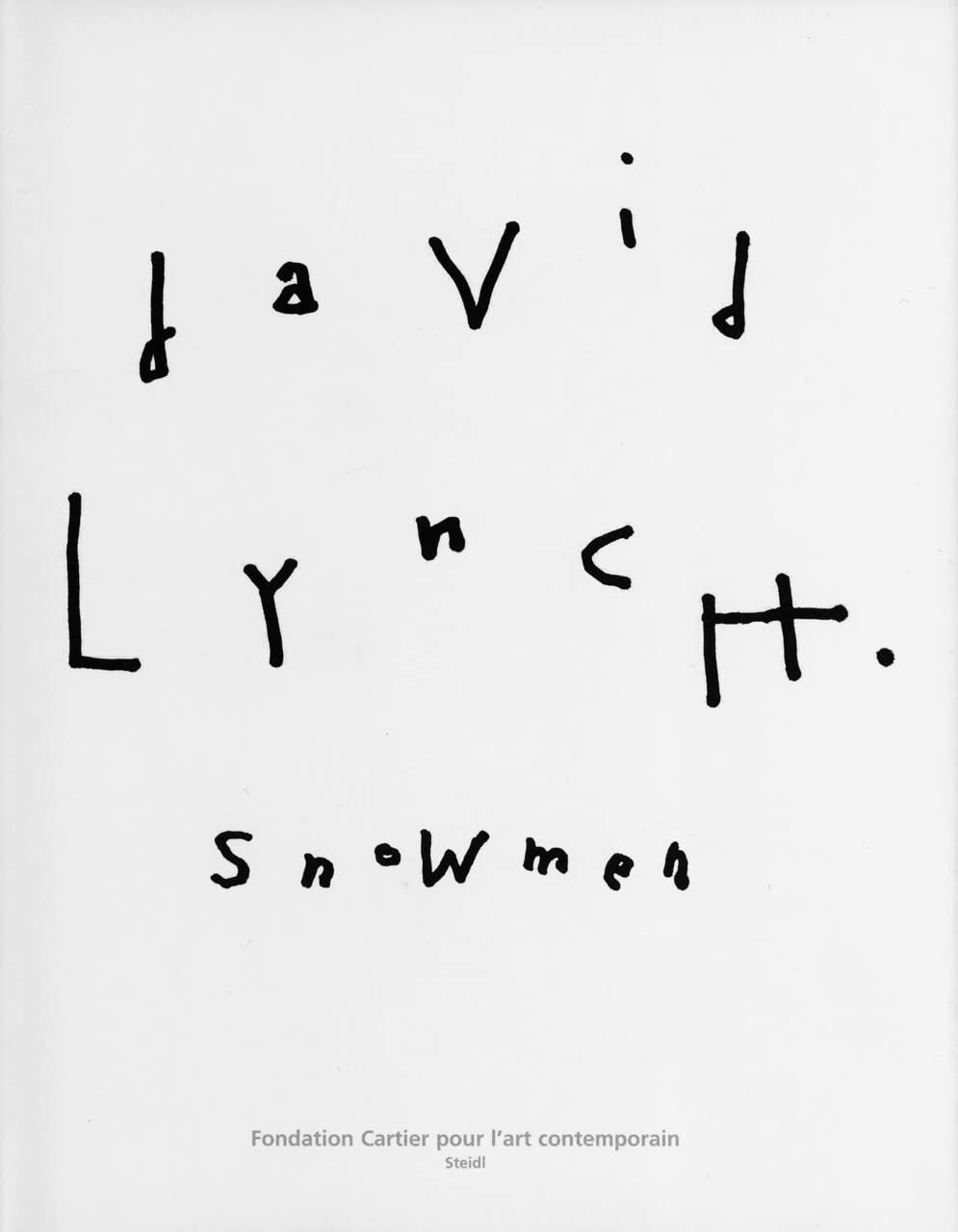
In 2007, the editor-in-chief of World Arabia met with American director David Lynch and conducted an interview with him. A vastly different life, a different agenda — Louboutin was the one who had an exhibition in Moscow at that time. Those times and today’s world: it is hard to imagine something so incomparable.
But there is something of the universe of the great director in this — a patchwork quilt of impossible reality, and it seems you will pinch yourself and wake up where a new masterpiece has been released. In Lynch’s films, reality and fantasy intertwine, reflecting a quite real universe where the boundary between dream and waking life is blurred, and the human psyche is laid bare in all its contradictions. This world is not parallel to the one we know.
It is real and palpable, if viewed through the Lynch-optic. Cinema permeated with a tense atmosphere and vivid aesthetics does not leave indifferent those who dare to make deep contact with the director’s work. It repels and attracts, causing a storm of criticism and approval, forcing the viewer to immerse themselves in a dangerous world where reality and fantasy intertwine and shatter the ordinary into a thousand shards.
In Lynch’s films, says philosopher Slavoj Žižek, the darkness is truly dark. The light is truly unbearable, it blinds. The fire truly burns, so hot.
Žižek places Lynch’s work as a cocktail of the Holocaust and Spielberg, war and Winterberg, media and Dali, Stalin and Benigni — a mix of people, events, and associations that are iconic for humanity, allowing a deeper understanding of the essence of the Lynchian universe, where the boundary between dream and reality is blurred, the human soul is dissected, and the shy unconscious writhes, caught off guard by the merciless spotlight. For 1990s Russia, Lynch’s work became a supernova. Twin Peaks, released in 1993, became a true haven — unusually vibrant, mystical, balancing on the edge of detective, horror, and drama, permeated with anxious music.
We discussed each episode, made bets, and invited guests to the next as if it were a celebration. We sat at the table and watched, not daring to empty the glass, because we were afraid of missing something. The departure of David Lynch is a painful loss for world culture, new generations of filmmakers, philosophers, and viewers stunned by his genius.
His universe, with its mysterious beauty and frightening depth, will forever remain with us — as a reminder of the complexity and contradictoriness of human nature. True art is impossible without self-knowledge, and the path to light lies through darkness. — Olga Topal