

Quick Summary: Sex during early pregnancy is safe for most women with healthy, low-risk pregnancies. The amniotic sac and strong uterine muscles protect the developing baby, and sexual activity does not cause miscarriage in normal pregnancies. However, women with certain complications like placenta previa, history of preterm labor, or unexplained bleeding should consult their healthcare provider before resuming sexual activity.
The first trimester brings a whirlwind of changes. Hormones surge, bodies shift, and questions multiply. Among the most common concerns: is sexual activity safe during early pregnancy?
The short answer? For most healthy pregnancies, yes. But let’s dig deeper into what the research actually shows, when caution is warranted, and what changes to expect.
The Safety of Sex During Early Pregnancy
According to the American College of Obstetricians and Gynecologists (ACOG), most sexual activity is safe for women having healthy pregnancies. This includes sexual intercourse or penetration with fingers or sex toys.
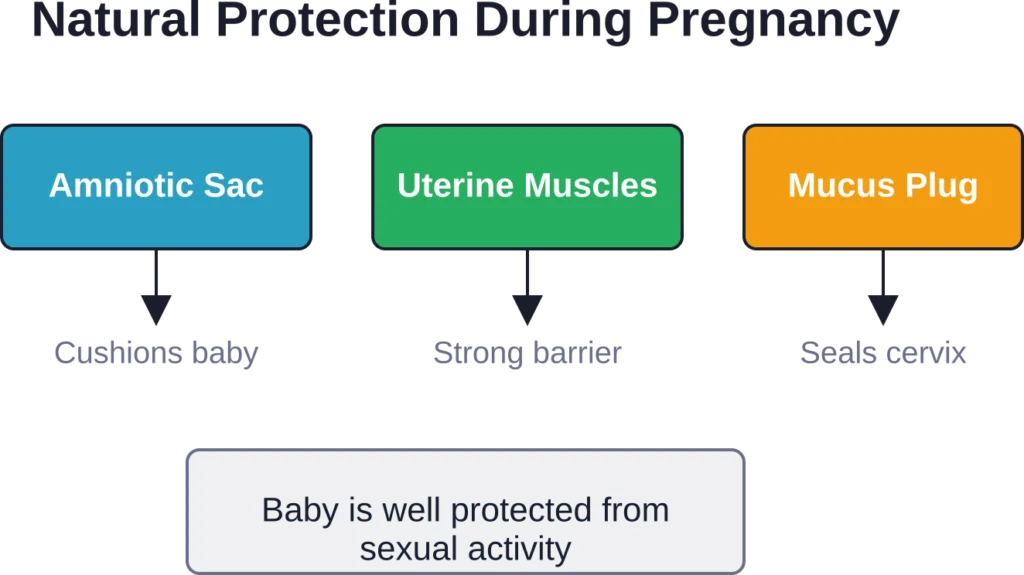
Here’s the thing though—your baby is remarkably well protected. The amniotic sac and the strong muscles of the uterus create a protective barrier. The mucus plug that forms in the cervix provides additional defense against infection.
Your partner’s penis cannot reach or harm the developing baby during intercourse. The baby resides safely in the uterus, separated from the vaginal canal by the cervix.
What About Miscarriage Risk?
This is the concern that keeps many couples from intimacy during the first trimester. Real talk: sexual activity does not cause miscarriage in healthy pregnancies.
Early pregnancy loss occurs in approximately 10% of all clinically recognized pregnancies, according to ACOG. Many early pregnancy losses occur within the first trimester. But here’s what matters: approximately 50% of early pregnancy losses are due to fetal chromosomal abnormalities—factors completely unrelated to sexual activity.
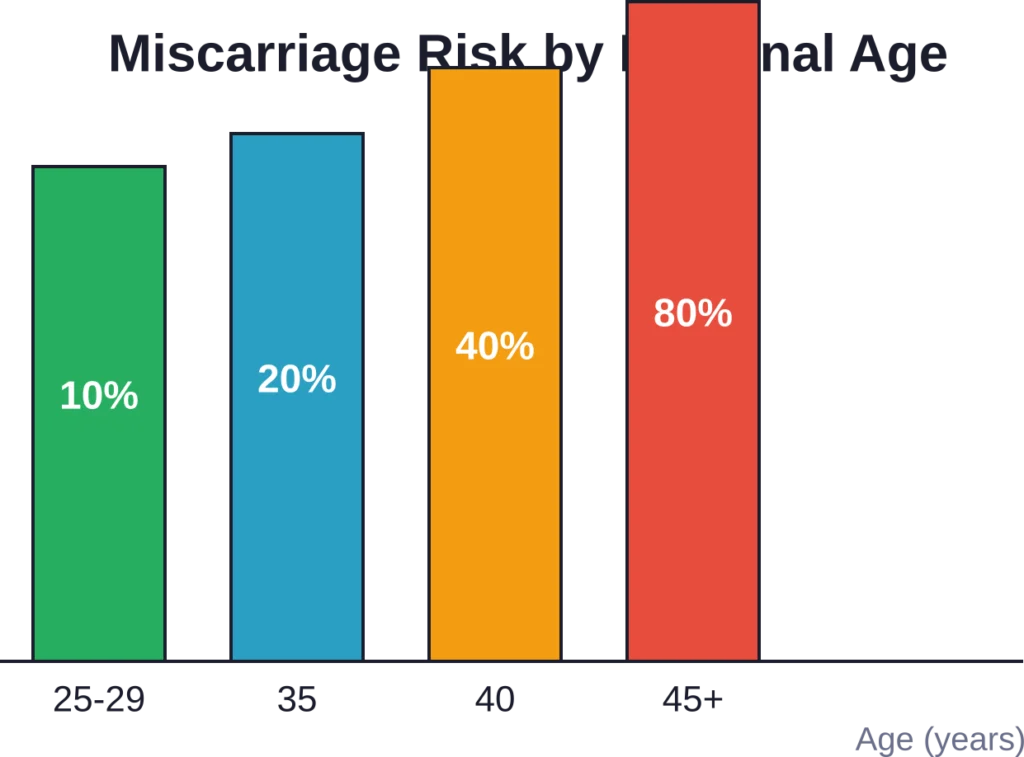
Miscarriage risk increases significantly with maternal age. Research shows that older maternal age is associated with higher rates of early pregnancy loss compared to younger women.
When Sexual Activity May Not Be Safe
While sex is safe for most pregnancies, certain conditions require caution or complete abstinence. According to ACOG, women should discuss sexual activity restrictions with their healthcare provider if they have:
- Placenta previa (when the placenta covers the cervix)
- Incompetent cervix or cervical insufficiency
- History of preterm labor or preterm birth
- Unexplained vaginal bleeding or discharge
- Leaking amniotic fluid
- Multiple pregnancy (twins, triplets, etc.) with risk factors
- Dilated cervix before term
The Centers for Disease Control and Prevention (CDC) emphasizes another concern: sexually transmitted infections (STIs). Pregnant women are not immune to STIs, which can complicate pregnancy and have serious effects on both mother and developing baby. If partners are not in a mutually monogamous relationship, condom use remains important throughout pregnancy.
According to ACOG, urinary tract infection (UTI) is one of the more common perinatal complications, affecting approximately 8% of pregnancies. While not directly caused by sexual activity, proper hygiene before and after intercourse can help reduce infection risk.
Physical Changes and Comfort During the First Trimester
Even when sex is medically safe, first-trimester symptoms can affect desire and comfort. Nausea affects many pregnant women, often peaking between weeks 6 and 12. Fatigue is nearly universal.
Breast tenderness can make certain positions uncomfortable. Increased vaginal discharge is normal and results from hormonal changes. Some women experience heightened sensitivity and increased desire, while others notice decreased libido.
These variations are all normal. Hormonal fluctuations affect every woman differently.
Bleeding After Sex in Early Pregnancy
Light spotting after intercourse during pregnancy can be alarming but is often harmless. The cervix becomes more vascular during pregnancy, meaning it has more blood vessels and bleeds more easily.
That said, any bleeding during pregnancy warrants a call to your healthcare provider. While spotting after sex is often benign, bleeding can also signal complications like threatened miscarriage, ectopic pregnancy, or infection.
According to research published in the British Journal of General Practice, the association between sexual activity and miscarriage has been studied for decades without establishing causation. The concern persists primarily due to temporal correlation—couples who have sex during a pregnancy that later ends in miscarriage may incorrectly associate the two events.
Best Sexual Positions During Early Pregnancy
In the first trimester, most positions remain comfortable since the uterus hasn’t expanded significantly. As pregnancy progresses, certain positions become more practical:
| Position | First Trimester | Why It Works |
|---|---|---|
| Side-lying (spooning) | Comfortable | Reduces pressure on abdomen; allows for shallow penetration |
| Woman on top | Comfortable | Allows control of depth and angle; no abdominal pressure |
| Rear entry | Comfortable | Avoids breast tenderness; accommodates changing body |
| Edge of bed | Comfortable | Woman lies at edge while partner stands; reduces physical exertion |
The key is communication. What feels good one week may be uncomfortable the next as the body changes.
Addressing Common Concerns and Myths
Sound familiar? Many couples worry that orgasm might trigger contractions or harm the baby. Here’s what happens: orgasm does cause uterine contractions. These are normal, harmless, and completely different from labor contractions.
The prostaglandins in semen can also cause mild uterine activity. Again, this is normal and does not induce labor in healthy pregnancies before term.
Another myth suggests that sexual activity can “poke” the baby or damage the amniotic sac. The cervix remains tightly closed during pregnancy (except in cases of cervical insufficiency), and the amniotic sac is far more durable than commonly believed.
When Desire Disappears
Now, this is where it gets interesting. Not every pregnant woman wants to have sex during the first trimester. Between nausea, exhaustion, anxiety about pregnancy complications, and hormonal shifts, low libido is completely normal.
Partners may also experience decreased desire due to anxiety about harming the baby or adjusting to the reality of impending parenthood. Open communication matters more than maintaining pre-pregnancy intimacy levels.
Non-sexual physical affection—cuddling, massage, kissing—can maintain connection without the pressure of intercourse. There’s no “right” amount of sexual activity during pregnancy. What matters is that both partners feel comfortable and communicate openly.
STI Considerations During Pregnancy
The CDC emphasizes that pregnancy does not provide protection against sexually transmitted infections. STIs can complicate pregnancy and may have serious effects on both mother and developing baby.
Pregnant women should ask their doctors about STI testing as part of prenatal care. If partners are not in a mutually monogamous relationship, consistent condom use throughout pregnancy is recommended.
According to CDC guidelines, all pregnant women and their partners should be asked about STIs, counseled about the possibility of perinatal infections, and provided access to recommended screening and treatment if needed.
When to Contact Your Healthcare Provider
Certain symptoms after sexual activity warrant immediate medical attention:
- Heavy bleeding (soaking a pad within an hour)
- Severe abdominal pain or cramping
- Leaking fluid (possible ruptured membranes)
- Fever or chills
- Persistent spotting that continues for more than 24 hours
- Foul-smelling vaginal discharge
Light cramping after orgasm is normal. Brief spotting from cervical irritation is common. But when in doubt, call your healthcare provider. Better to ask and be reassured than to ignore a potential warning sign.
Frequently Asked Questions
No. Sexual activity does not cause miscarriage in healthy pregnancies. Early pregnancy loss occurs in approximately 10% of clinically recognized pregnancies, with many of these losses happening in the first trimester, but they result from chromosomal abnormalities, hormonal issues, or maternal health conditions—not sexual activity.
Light spotting after intercourse can be normal because the cervix becomes more vascular during pregnancy. However, any bleeding during pregnancy should be reported to a healthcare provider to rule out complications like threatened miscarriage, ectopic pregnancy, or infection.
Most positions are safe during the first trimester. Side-lying, woman-on-top, and rear-entry positions often remain comfortable throughout pregnancy. The key is choosing positions that feel comfortable and don’t put pressure on tender breasts or cause discomfort.
According to the CDC, if partners are not in a mutually monogamous relationship, condoms should be used throughout pregnancy. Pregnant women are not immune to STIs, which can complicate pregnancy and affect the developing baby.
Decreased libido during the first trimester is completely normal. Hormonal changes, nausea, fatigue, breast tenderness, and anxiety about pregnancy can all reduce sexual desire. This typically improves in the second trimester, though every woman’s experience differs.
No. Orgasms cause normal uterine contractions that are completely harmless and different from labor contractions. These contractions do not induce labor in healthy pregnancies before term or harm the baby in any way.
Avoid sexual activity if you have placenta previa, cervical insufficiency, history of preterm labor, unexplained bleeding, leaking amniotic fluid, or dilated cervix. Women carrying multiples with risk factors should also discuss restrictions with their healthcare provider.
The Bottom Line on Early Pregnancy Intimacy
For most healthy pregnancies, sexual activity during the first trimester is completely safe. The baby is well protected by the amniotic sac, uterine muscles, and cervical mucus plug. Sex does not cause miscarriage, though certain pregnancy complications require abstinence.
Physical and emotional changes during early pregnancy can affect desire and comfort, and that’s normal. Open communication with both your partner and healthcare provider ensures informed decisions about intimacy throughout pregnancy.
If you experience bleeding, pain, or other concerning symptoms after sexual activity, contact your healthcare provider. When in doubt, ask. Your prenatal care team is there to address concerns and ensure both you and your developing baby stay healthy throughout pregnancy.