

Quick Summary: Sleeping more during your period is perfectly normal and healthy. Hormonal fluctuations—particularly drops in estrogen and progesterone—can disrupt sleep quality and increase fatigue, making your body require additional rest. Most women experience increased tiredness during menstruation, and honoring this need by sleeping 1-2 extra hours can support recovery and symptom management.
If you’ve ever hit snooze five times during your period or felt like you could nap anywhere, you’re not imagining things. The overwhelming fatigue that accompanies menstruation is real, documented, and experienced by millions of women worldwide.
According to the Office on Women’s Health, three in four women experience PMS symptoms at some point in their lifetime, with fatigue ranking among the most common complaints. But is sleeping more actually okay, or should you push through?
The short answer? Your body knows what it’s doing. Let’s explore why.
Why Your Period Makes You Exhausted
Menstrual fatigue isn’t just about feeling a bit tired. It’s a legitimate physiological response to dramatic hormonal shifts happening in your body.
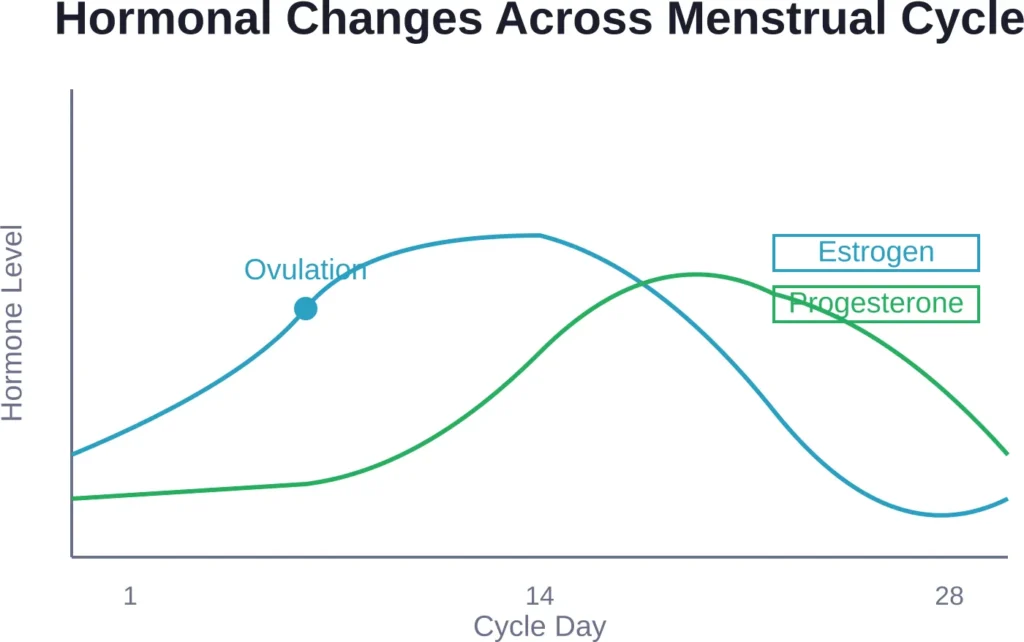
Research published in the NIH’s Sleep Medicine Clinics explains that estrogen levels rise at the end of the follicular phase, triggering a peak in luteinizing hormone (LH). Ovulation occurs 12-16 hours later, around day 14 of the cycle. Following ovulation, the corpus luteum produces both progesterone and estrogen, which peak 5-7 days after ovulation before declining sharply when pregnancy doesn’t occur.
This progesterone crash is significant. Progesterone has sedative properties—it’s essentially nature’s sleep aid. When it drops suddenly before and during menstruation, sleep architecture changes noticeably.
The Progesterone-Sleep Connection
Progesterone promotes sleep by increasing body temperature slightly and producing metabolites that act on the brain’s GABA receptors (the same receptors targeted by many sleep medications). When progesterone plummets, sleep onset latency increases—meaning it takes longer to fall asleep—and sleep quality decreases.
Studies show that women often experience poorer sleep quality during the premenstrual and menstrual phases, particularly those with premenstrual symptoms or painful cramps.
Other Factors Contributing to Period Fatigue
Hormones aren’t working alone. Several interconnected factors compound the exhaustion:
Blood Loss and Iron Deficiency
Menstrual bleeding leads to iron loss. Even moderate periods can deplete iron stores over time, leading to iron deficiency anemia—a condition that causes significant fatigue, weakness, and reduced oxygen transport to tissues.
Research indicates that more than half of women experience menstrual pain, and many lose enough blood monthly to impact iron levels. Iron deficiency doesn’t always show up immediately but accumulates over cycles, making fatigue progressively worse.
Pain and Inflammation
Menstrual cramps result from prostaglandin release—inflammatory compounds that trigger uterine contractions. Pain disrupts sleep architecture, preventing deep restorative sleep stages even when you’re technically asleep for eight hours.
The body also diverts energy toward managing inflammation and pain, leaving less available for daily activities.
Premenstrual Syndrome (PMS) and PMDD
According to NIH research, PMDD affects up to 5% of women of childbearing age, a severe form of PMS. Among those with PMDD, common symptoms include fatigue, sleep problems, and depressed mood.
Even standard PMS affects the majority of women, with the Office on Women’s Health noting that most women, over 90%, say they get some premenstrual symptoms including moodiness, bloating, and exhaustion.
How Much Extra Sleep Is Normal?
Here’s the thing: there’s no magic number that applies to everyone. But generally speaking, needing an additional 1-2 hours of sleep during menstruation falls within normal range.
Some women sleep their usual 7-8 hours but feel less rested due to poor sleep quality. Others genuinely need 9-10 hours to feel functional. Both scenarios are valid responses to the physiological stress of menstruation.
| Sleep Pattern | What It Means | Action Needed |
|---|---|---|
| 1-2 extra hours needed | Normal hormonal response | Allow extra rest; adjust schedule if possible |
| Sleeping 10+ hours, still exhausted | Possible underlying issue | Consider medical evaluation |
| Difficulty falling asleep despite fatigue | Common during luteal/menstrual phase | Try sleep hygiene improvements |
| Frequent night waking | May indicate sleep disruption from cramps/discomfort | Address pain management |
When Extra Sleep Becomes a Concern
While sleeping more is typically fine, certain patterns warrant medical attention.
Extreme fatigue that interferes with work, school, or daily functioning could indicate conditions beyond normal menstrual symptoms. Hypothyroidism, for instance, commonly affects women and causes crushing fatigue, weight changes, and irregular periods.
It is estimated that 9% to 15% of adults in the United States experience insomnia, and women are at higher risk, particularly around menstruation. If you’re exhausted but can’t sleep, or sleep doesn’t feel restorative even after 10+ hours, that’s worth discussing with a healthcare provider.
Similarly, if fatigue is accompanied by heavy bleeding (soaking through a pad or tampon every 1-2 hours), dizziness, or pale skin, iron deficiency anemia is likely and requires treatment.
Red Flags That Need Medical Evaluation
- Extreme fatigue lasting beyond your period into other cycle phases
- Sleep needs exceeding 12 hours regularly
- Fainting, severe dizziness, or heart palpitations
- Depression or anxiety significantly impacting daily life
- Menstrual bleeding heavy enough to require changing protection hourly
Strategies to Improve Sleep Quality During Your Period
Since poor sleep quality often accompanies menstruation, focusing on sleep hygiene can help maximize the rest you do get.
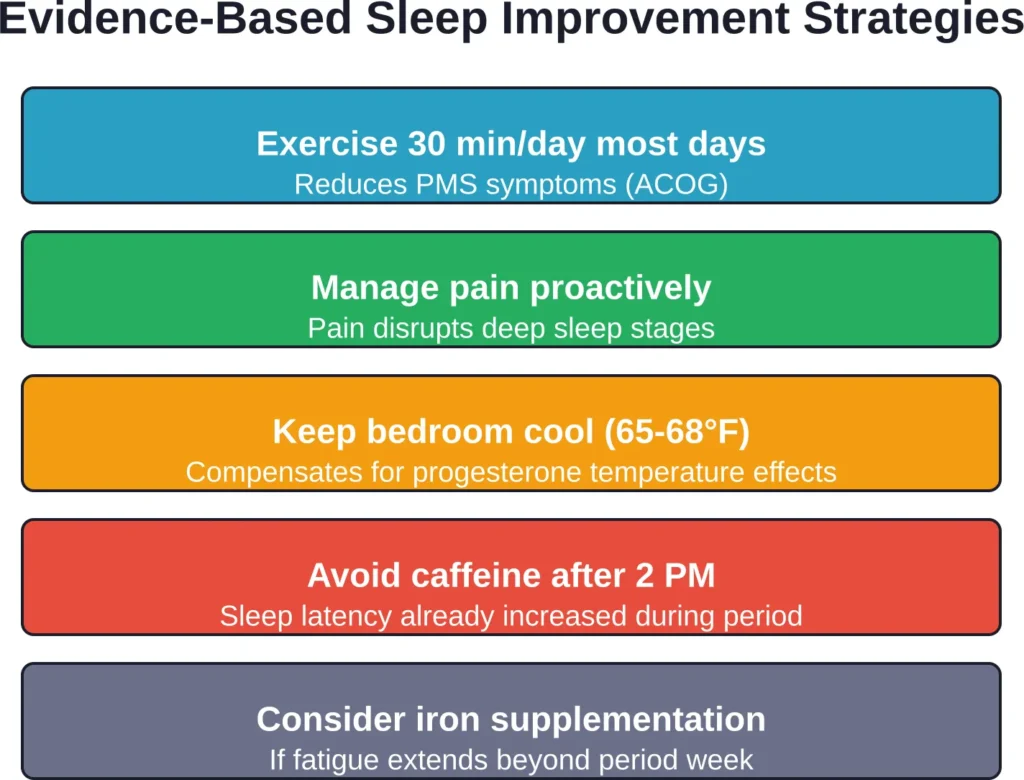
The American College of Obstetricians and Gynecologists (ACOG) recommends at least 30 minutes of exercise most days of the week for PMS management. While this might sound counterintuitive when exhausted, even gentle movement like walking improves sleep quality and reduces menstrual symptoms.
Real talk: pain management matters. Taking anti-inflammatory medication at the first sign of cramps—rather than waiting until pain is severe—prevents sleep disruption later. Heat therapy, such as heating pads, also helps relax uterine muscles without medication.
Should You Just Power Through?
No. Ignoring your body’s signals doesn’t make you tougher—it makes you more exhausted.
Sleep serves critical restorative functions: tissue repair, immune system maintenance, memory consolidation, and hormonal regulation. Skimping on sleep during a time when your body is already stressed from hormonal fluctuations, blood loss, and inflammation compounds the problem.
Many experts suggest that honoring increased sleep needs during menstruation actually supports better overall cycle health. Women who consistently sleep 7-8 hours throughout their cycle report fewer PMS symptoms and better menstrual regularity than those who are chronically sleep-deprived.
Frequently Asked Questions
Extended sleep without feeling refreshed often indicates poor sleep quality rather than insufficient quantity. Menstrual cramps, hormonal fluctuations, and inflammation can disrupt deep sleep stages even when total sleep time is high. If this pattern persists across multiple cycles, consider discussing iron levels and sleep disorders with a healthcare provider, as conditions like sleep apnea or anemia could be contributing factors.
No. Sleep doesn’t directly delay menstruation or change flow volume once a period has started. However, chronic sleep deprivation in the weeks before menstruation can affect hormonal regulation and potentially alter cycle timing. Getting adequate rest during your period supports recovery but doesn’t change the menstrual process itself.
Yes, many women report increased menstrual fatigue as they age. The Office on Women’s Health notes that on average, women in their 30s are most likely to have PMS. Factors include cumulative iron depletion over years of menstruation, hormonal changes as perimenopause approaches, and increased life stress during these decades.
Absolutely. Iron deficiency anemia is a common but often overlooked cause of menstrual fatigue. Monthly blood loss depletes iron stores, reducing hemoglobin production and oxygen transport. Symptoms include exhaustion, weakness, pale skin, cold hands and feet, and difficulty concentrating. A simple blood test can diagnose iron deficiency, and supplementation typically improves energy within weeks.
If fatigue significantly impairs functioning, taking time off is reasonable self-care. Many countries and some U.S. companies now recognize menstrual leave. That said, if you regularly need to miss work due to period symptoms, underlying conditions like PMDD, endometriosis, or anemia should be evaluated and treated rather than simply accommodated indefinitely.
Hormonal birth control can help by stabilizing hormone fluctuations and reducing menstrual flow, thereby addressing some root causes of fatigue. However, responses vary—some women find their energy improves on birth control, while others experience different side effects. Discussion with a healthcare provider about specific symptoms can determine if hormonal contraception might be beneficial.
Magnesium supplementation shows promise for both PMS symptoms and sleep quality. Iron supplementation is critical if deficiency exists. Some women find vitamin B6 helpful for PMS, though evidence is mixed. Always consult a healthcare provider before starting supplements, as excessive doses of some vitamins can cause problems, and supplementation should be based on actual deficiencies identified through testing.
The Bottom Line
Sleeping more during your period isn’t just okay—it’s your body’s reasonable response to significant hormonal and physiological changes. The drop in progesterone, blood loss, pain, and inflammation all contribute to legitimate fatigue that deserves acknowledgment rather than dismissal.
Most adults need 7-8 hours of sleep nightly, and requiring an extra 1-2 hours during menstruation falls well within normal parameters. Honor that need when possible through schedule adjustments, earlier bedtimes, or strategic naps.
That said, extreme exhaustion lasting beyond your period, sleep exceeding 12 hours regularly, or fatigue accompanied by other concerning symptoms warrants medical evaluation. Conditions like iron deficiency anemia, thyroid disorders, and sleep disorders are treatable once identified.
The key takeaway? Listen to your body. Sleep is restorative, not lazy. Giving yourself permission to rest during menstruation supports better energy, mood, and overall health throughout your entire cycle.
If menstrual fatigue is significantly impacting your quality of life, schedule an appointment with a healthcare provider to explore underlying causes and treatment options tailored to your specific needs.