

Quick Summary: Swallowing mucus is completely safe and normal. Your stomach acid neutralizes any trapped bacteria or viruses, and the digestive system processes mucus without harm. Spitting out mucus offers no health advantage over swallowing it.
Look, everyone’s dealt with that thick, uncomfortable sensation of mucus sliding down the back of the throat. But here’s the thing—what actually happens when you swallow it? Does it make you sicker? Should you be spitting it out instead?
It might feel like an odd or even slightly stomach-churning topic, but it’s a remarkably common question. And the answer matters, especially when dealing with a cold or respiratory infection that leaves your body producing what feels like an endless supply of the stuff.
What Mucus Actually Does
Before deciding what to do with mucus, understanding its purpose helps. Mucus is a clear, slippery gel-like substance that lines the mouth, nose, throat, lungs, and even the intestines. It serves as a protective barrier, keeping these tissues hydrated while trapping unwanted invaders.
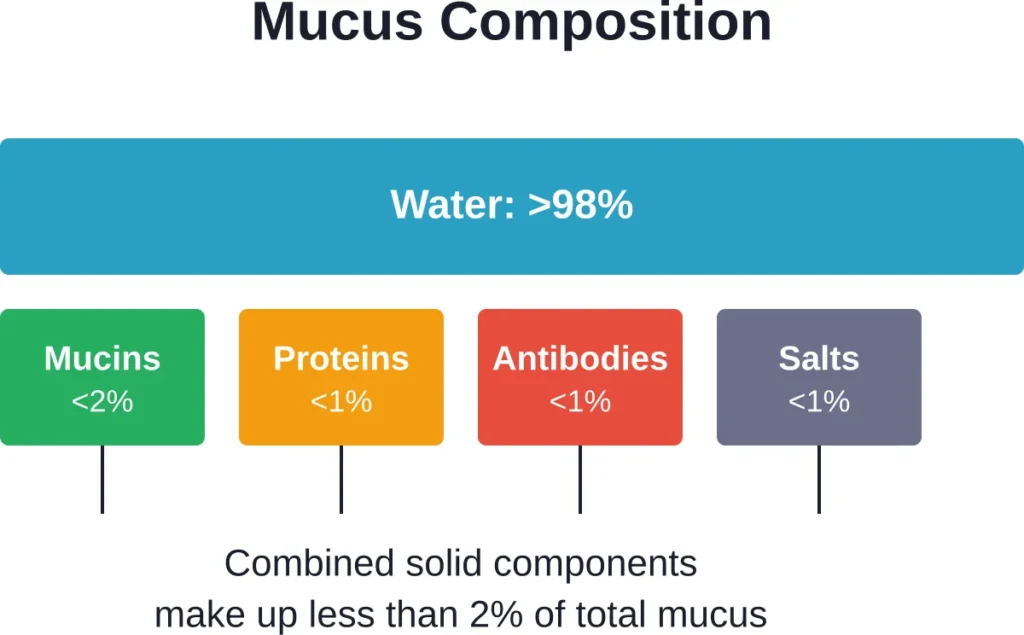
That gel-like texture comes from its composition. Normal mucus is made of more than 98% water, according to medical research. The remaining fraction consists of proteins, antibodies, dissolved salts, and mucins—specialized proteins that give mucus its sticky properties.
The difference between a 98% water mucus and a 92% water mucus can be significant. When mucus loses hydration, it becomes thick, sticky, and difficult to clear. That’s why staying hydrated matters when dealing with congestion.
Mucus doesn’t just sit there. It actively traps bacteria, viruses, dust, allergens, and other particles before they reach deeper into the respiratory system. The body produces mucus daily—most of it gets swallowed without conscious awareness.
What Happens When You Swallow Mucus
So, is it OK to swallow mucus? The short answer: absolutely.
When mucus slides down the throat and enters the stomach, it encounters a hostile environment for pathogens. Stomach acid is highly acidic and can neutralize most bacteria and viruses trapped in mucus.
The digestive system treats mucus like any other substance. Enzymes break down the proteins and glycans that make up mucins. Water gets absorbed. The body processes everything without issue.
Swallowing mucus doesn’t reinfect the body. Pathogens caught in mucus can’t survive the journey through the digestive tract. The gastrointestinal system is designed to handle exactly this scenario—it deals with swallowed mucus constantly, even when healthy.
Community discussions often raise concerns about swallowing mucus when sick. The worry makes sense intuitively: if mucus contains bacteria or viruses, wouldn’t swallowing it expose the body to more infection?
But the immune system has already responded to those pathogens. Swallowing them doesn’t create a new infection. The stomach destroys them. Simple as that.
The Case for Spitting Out Mucus
Now, this is where it gets interesting. Some people strongly prefer spitting out mucus, particularly thick, discolored phlegm that comes up with a cough.
The main argument for spitting centers on comfort rather than safety. Thick mucus from the lungs or sinuses can feel uncomfortable to swallow. When dealing with a heavy chest cold or sinus infection, coughing up thick phlegm and spitting it out provides immediate relief.
For people with chronic respiratory conditions, clearing mucus from airways improves breathing. Spitting out what’s been coughed up keeps airways clear. That has real benefits for conditions like chronic bronchitis or COPD.
But these are practical considerations. Spitting doesn’t offer a health advantage over swallowing when it comes to infection risk or recovery speed. It’s about what feels better in the moment.
When Mucus Color and Texture Matter
The question isn’t really whether to spit or swallow. What matters more: recognizing when mucus signals a problem.
Clear mucus typically indicates normal function or mild irritation. When dealing with allergies or mild colds, mucus stays relatively clear and thin.
White or cloudy mucus suggests congestion. Nasal passages become inflamed, slowing mucus flow and making it appear thicker and less transparent.
Yellow or green mucus means immune cells are actively fighting infection. These colors come from enzymes released by white blood cells. Contrary to common belief, green mucus doesn’t automatically mean bacterial infection requiring antibiotics—viral infections produce colored mucus too.
Red or brown mucus contains blood, usually from irritated tissues. Small amounts of blood from dry nasal passages aren’t concerning, but persistent bleeding warrants medical attention.
Black mucus can indicate fungal infection, heavy smoking, or exposure to pollutants. This deserves professional evaluation.
| Mucus Color | Common Causes | Action Needed |
|---|---|---|
| Clear | Normal, allergies, mild cold | None typically |
| White | Congestion, early infection | Monitor symptoms |
| Yellow/Green | Immune response to infection | See doctor if persistent >10 days |
| Red/Pink | Blood from irritation or injury | See doctor if frequent |
| Brown/Black | Old blood, smoking, pollutants | Seek medical evaluation |
Managing Mucus Production
Whether swallowing or spitting, reducing excessive mucus improves comfort. Several approaches help:
Stay hydrated. Water thins mucus, making it easier to clear. The difference between properly hydrated mucus and dehydrated mucus affects how easily it moves.
Use humidity. Dry air thickens mucus. A humidifier adds moisture to indoor environments, helping respiratory passages stay lubricated.
Try saline irrigation. Nasal rinses flush out mucus and irritants. This works particularly well for sinus congestion.
Address underlying causes. Allergies, reflux, and chronic sinusitis all increase mucus production. Treating these conditions reduces the problem at its source.
Avoid irritants. Smoke, strong chemicals, and air pollution stimulate mucus production. Limiting exposure helps.
When to See a Doctor
Most mucus-related concerns don’t need medical intervention. But certain situations warrant professional evaluation:
- Symptoms lasting more than 10 days without improvement
- Persistent fever lasting more than a few days
- Severe headache or facial pain suggesting sinus infection
- Difficulty breathing or wheezing
- Blood in mucus that’s frequent or increasing
- Chest pain with coughing
Chronic throat clearing also deserves attention. Persistent phlegm sensation can indicate reflux, postnasal drip, or other treatable conditions.
The Bottom Line on Swallowing Mucus
Real talk: swallowing mucus is perfectly safe. The body handles it without issue, and stomach acid takes care of any trapped pathogens. Choosing to spit instead comes down to personal preference and comfort, not health necessity.
The question of whether swallowing mucus is harmful has a clear answer backed by how the digestive system works. There’s no medical reason to avoid swallowing mucus. The body produces it constantly, and swallowing it constantly is the norm.
Focus energy on managing excessive mucus production rather than worrying about disposal method. Hydration, humidity, and addressing underlying causes make more difference than spit-versus-swallow debates.
And if thick mucus from a cough feels better coming out than going down? That’s fine too. Do what provides relief. Both options are safe.
Frequently Asked Questions
Yes, swallowing large amounts of thick mucus can cause mild nausea or upset stomach. This happens because the stomach has to process extra mucus along with its normal contents. The nausea is temporary and not harmful—it’s a discomfort issue rather than a health risk.
Mucus contains negligible calories. While it does contain proteins and glycans that technically have caloric value, the amounts are so small they have no meaningful impact on nutrition or energy intake.
Lying down causes mucus to pool in the throat rather than draining normally. Gravity no longer helps clear secretions. Dry indoor air at night can also thicken mucus. Using a humidifier and elevating the head while sleeping often helps.
No. Dehydration, dry air, allergies, and irritants can all cause thick mucus without infection. Mucus thickness indicates how hydrated it is, not necessarily whether infection is present. Color and accompanying symptoms provide better infection clues than texture alone.
The relationship between diet and mucus remains debated. Some people report dairy products thicken mucus, though research doesn’t consistently support this. Spicy foods temporarily increase nasal secretions. Overall, diet has less impact on mucus production than factors like hydration, allergies, and infections.
Swallowing is easier and safer for young children who may not have the coordination to spit properly. Teach children to blow their nose to clear nasal mucus, but don’t stress about swallowing mucus from the throat. It won’t harm them.
Swallowing mucus doesn’t weaken or strengthen the immune system. The immune response to pathogens happens in the respiratory tract where infection occurs. The stomach destroys swallowed pathogens, but this doesn’t affect the immune system’s ability to fight the original infection.