
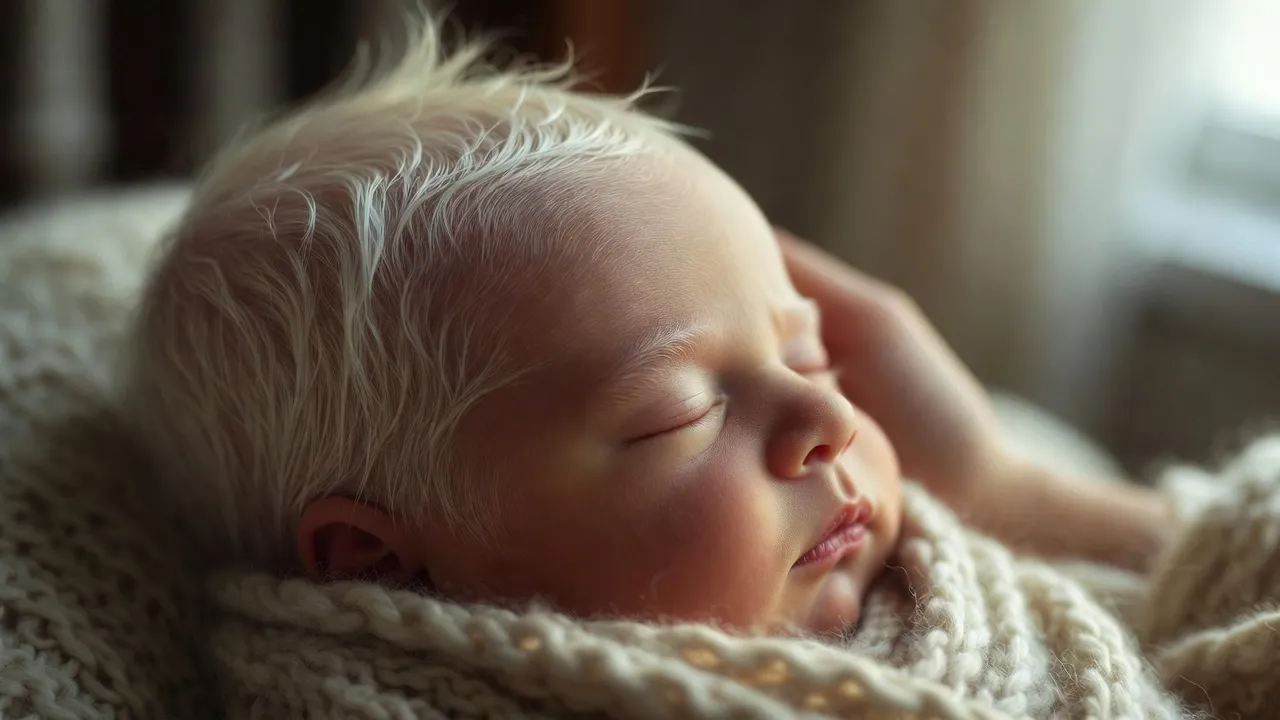
Quick Summary: Yes, people can be born with white hair due to genetic conditions like albinism, piebaldism, and Waardenburg syndrome. These disorders affect melanin production or melanocyte development, resulting in white or very light-colored hair from birth. While rare, these conditions are present from infancy and differ from age-related graying.
Most people associate white hair with aging. But what about those born with snow-white locks right from the start?
It’s not a myth. Several genetic conditions can cause babies to enter the world with white or extremely pale hair. These conditions affect how the body produces melanin—the pigment responsible for coloring skin, hair, and eyes.
Understanding these conditions helps separate fact from fiction and provides insight into fascinating genetic mechanisms that control pigmentation.
The Science Behind Hair Color
Hair color comes from melanin, a pigment produced by specialized cells called melanocytes. These cells sit within hair follicles and release melanin as hair grows.
Two types of melanin determine hair color: eumelanin (producing brown and black tones) and pheomelanin (producing red and yellow tones). The combination and concentration of these pigments create the spectrum of natural hair colors.
When melanocytes don’t function properly or are absent entirely, hair grows without pigment. This results in white or colorless hair strands.
Genetic Conditions That Cause White Hair at Birth
Several genetic disorders can cause people to be born with white hair. Each affects melanin production or melanocyte development differently.
Albinism
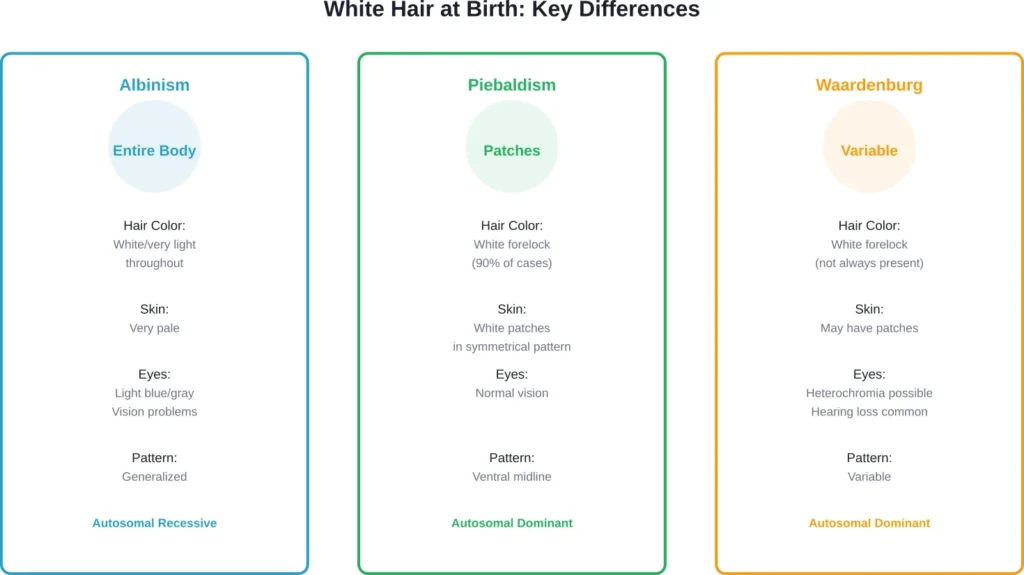
Albinism refers to a group of inherited disorders where the body produces little to no melanin. According to the National Institutes of Health, oculocutaneous albinism (OCA) affects the skin, hair, and eyes.
People with albinism typically have very fair skin and white or light-colored hair. The condition results from mutations in genes responsible for melanin production.
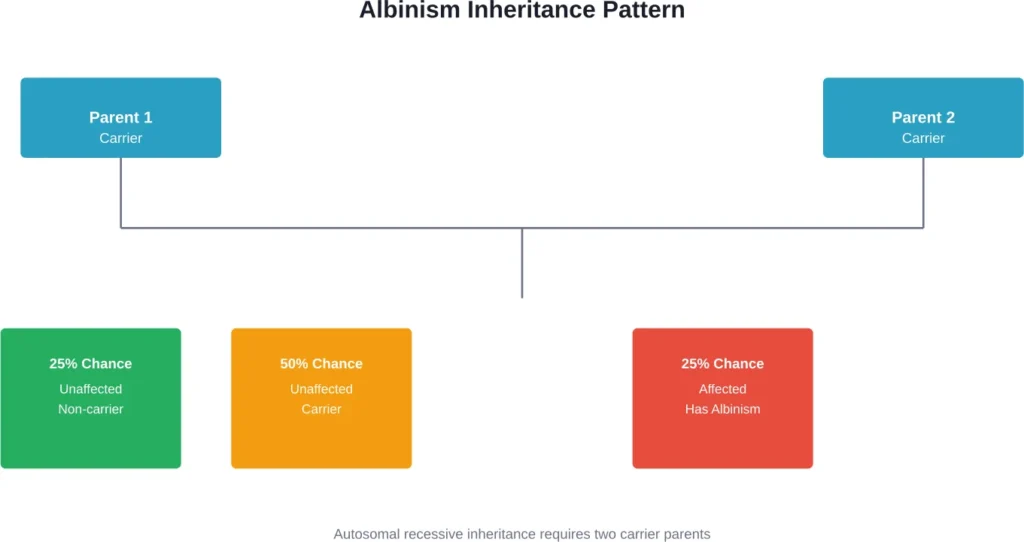
OCA follows an autosomal recessive inheritance pattern. This means both biological parents must carry an albinism gene for a child to develop the condition. If both parents are carriers, there’s a 25% chance their child will have albinism.
The type and severity of albinism vary. Some individuals may have extremely pale, white hair throughout life. Others might develop slight pigmentation as they age, though hair remains very light colored.
Piebaldism
Piebaldism is a rare autosomal dominant disorder affecting melanocyte migration and development. According to the National Institutes of Health, this condition causes isolated congenital leukoderma (white skin) and poliosis (white hair) in a distinct pattern.
The hallmark feature? A white forelock—a triangular patch of white hair on the front of the scalp. Research published in StatPearls indicates this white forelock appears in up to 90% of people with piebaldism.
Unlike albinism, piebaldism creates patches of white skin and hair rather than affecting the entire body. These patches typically appear in a symmetrical pattern on the forehead, scalp, chest, and limbs.
The condition results from mutations in the KIT proto-oncogene. This mutation disrupts normal melanocyte migration during fetal development, causing specific areas to lack pigment-producing cells entirely.
Piebaldism differs from vitiligo because affected areas are present from birth and don’t expand or change over time. The white patches remain stable throughout life.
Waardenburg Syndrome
Waardenburg syndrome combines pigmentation abnormalities with other features, including congenital hearing loss. People with this syndrome often have a distinctive white forelock, though not all cases present this feature.
The syndrome has several types. Type 1 includes distinctive facial features like a broad nasal root and eyes positioned farther apart than typical (dystopia canthorum). Type 2 presents similar pigmentation changes without the facial structure differences.
Beyond the white forelock, Waardenburg syndrome can cause heterochromia (different colored eyes), patches of depigmented skin, and varying degrees of hearing impairment.
The condition follows an autosomal dominant inheritance pattern. A single copy of the mutated gene from one parent is enough to cause the syndrome.
How Common Are These Conditions?
These genetic disorders are rare. Exact prevalence varies by condition and population.
Albinism affects approximately 1 in 17,000 to 20,000 people globally (though exact prevalence varies by population and type). Some forms are more common in specific populations.
Piebaldism is considerably rarer. Precise prevalence data remains limited, but research indicates it affects far fewer people than albinism.
Waardenburg syndrome accounts for a portion of congenital hearing loss cases. Type 1 and Type 2 are most common among the syndrome’s variants.
| Condition | Inheritance Pattern | Hair Appearance | Key Features |
|---|---|---|---|
| Albinism (OCA) | Autosomal recessive | White or very light throughout | Affects entire body, vision problems common |
| Piebaldism | Autosomal dominant | White forelock, normal elsewhere | Stable white patches from birth, no vision issues |
| Waardenburg Syndrome | Autosomal dominant | White forelock (variable) | Hearing loss, distinctive facial features (Type 1) |
Poliosis: The Technical Term
Medical professionals use the term “poliosis” to describe white hair patches. The word comes from Greek, meaning “gray” or “white.”
Poliosis specifically refers to the absence of melanin in hair, creating white or depigmented hair strands. It can occur as part of genetic syndromes like piebaldism and Waardenburg syndrome or develop later due to other causes.
When present from birth as part of genetic conditions, poliosis appears in characteristic patterns. The white forelock represents the most recognizable presentation.
Related Conditions Affecting Hair Pigmentation
Several other genetic conditions can affect hair color, though they may not always result in pure white hair from birth.
Hermansky-Pudlak Syndrome
This rare disorder combines oculocutaneous albinism with bleeding problems and other complications. According to MedlinePlus, affected individuals typically have fair skin and white or light-colored hair similar to other forms of albinism.
The syndrome results from absent or malfunctioning lysosome-related organelles (LROs) within cells. Mutations in some of the genes that cause Hermansky-Pudlak syndrome affect the normal functioning of LROs in lung cells, leading to pulmonary fibrosis. Mutations in the HPS1 gene cause approximately 75 percent of Hermansky-Pudlak syndrome cases (according to MedlinePlus). These structures affect multiple body systems beyond just pigmentation.
Other Pigmentation Disorders
Various genetic mutations affecting melanin synthesis can result in lighter-than-normal hair color. The SLC45A2 and OCA2 genes, according to MedlinePlus, provide instructions for proteins involved in melanin production.
Mutations in these genes can cause different types of oculocutaneous albinism, each with varying degrees of pigmentation loss.
Diagnosis and Detection
Healthcare providers typically identify these conditions through physical examination shortly after birth. The distinctive appearance of white hair—especially in characteristic patterns like a white forelock—provides immediate visual clues.
Genetic testing can confirm specific mutations responsible for the condition. This becomes particularly important for distinguishing between similar-appearing disorders and identifying associated health concerns.
For albinism, eye examinations are crucial. Vision problems commonly accompany the condition, requiring specialized ophthalmologic care.
With Waardenburg syndrome, hearing tests are essential since congenital hearing loss affects many individuals with the condition. Early detection allows for appropriate interventions.
Treatment and Management
These genetic conditions have no cure since they result from fundamental differences in how melanocytes develop or function. Treatment focuses on managing symptoms and cosmetic concerns.
Cosmetic Options
According to StatPearls, treatment for piebaldism targets cosmetic improvement. Options include skin grafting, melanocyte transplantation, and camouflage techniques. Hair dye can address poliosis for those who prefer colored hair.
Many people with these conditions choose not to pursue treatment. The white hair becomes part of their identity rather than something requiring correction.
Sun Protection
People with reduced melanin face increased risk of sun damage and skin cancer. Rigorous sun protection becomes essential, including high-SPF sunscreen, protective clothing, and minimizing direct sun exposure.
This applies especially to individuals with albinism, whose very fair skin offers minimal natural protection against UV radiation.
Vision Support
For those with albinism, vision correction and support services improve quality of life. Low vision aids, appropriate lighting, and educational accommodations help affected individuals function optimally.
Hearing Support
Individuals with Waardenburg syndrome may benefit from hearing aids, cochlear implants, or other auditory support depending on the degree of hearing loss.
Living With Congenital White Hair
While benign from a medical standpoint, these conditions can create social challenges. Appearance differences may attract unwanted attention or questions, particularly during childhood.
Support groups and online communities connect individuals with similar experiences. Sharing strategies for handling questions and building confidence helps many people navigate social situations.
Many embrace their distinctive appearance. Some individuals with white forelocks or patches consider them unique identifying features rather than defects requiring treatment.
White Hair Myths Debunked
Several myths circulate about white hair, particularly stories of hair turning white overnight from shock or stress.
The truth? Hair can’t change color after it grows from the follicle. Once a strand emerges from the scalp, its color is fixed. Hair lacks the biological mechanisms to lose pigment suddenly.
Stories like Marie Antoinette’s hair supposedly turning white the night before her execution are physiologically impossible. Research published in the Journal of the Royal Society of Medicine examined this phenomenon, concluding such rapid whitening represents “historical fiction.”
What might explain these accounts? Selective hair loss. If someone with mixed gray and pigmented hair experiences rapid loss of pigmented strands (as can occur with alopecia areata), the remaining white hairs become more prominent. This creates the illusion of sudden whitening.
Frequently Asked Questions
No. White hair present at birth results from genetic conditions affecting melanin production or melanocyte development. Maternal stress during pregnancy doesn’t cause these genetic mutations or alter fetal melanocyte function.
Generally, no. Genetic conditions like piebaldism and most forms of albinism remain stable throughout life. Areas lacking melanocytes at birth won’t develop them later. Some individuals with certain albinism types may develop slight pigmentation with age, but hair typically remains very light.
No. White hair present from birth indicates congenital absence of melanin due to genetic conditions. Premature graying occurs when previously pigmented hair loses color over time, involving different biological mechanisms and causes.
It depends on the condition. Isolated piebaldism typically affects only appearance without other health impacts. Albinism commonly includes vision problems requiring management. Waardenburg syndrome often involves hearing loss and may include other features. Proper medical evaluation identifies associated concerns.
Yes, if the specific genetic mutations are known. Carrier screening and prenatal genetic testing can identify mutations associated with albinism and other pigmentation disorders. Genetic counselors help families understand inheritance patterns and testing options.
Yes. Multiple types of oculocutaneous albinism exist, each caused by mutations in different genes. The types vary in severity of pigmentation loss, vision problems, and other features. Genetic testing can identify the specific type.
Yes. Hair lacking pigment can be dyed using standard hair coloring products. Many people with white forelocks or white hair from genetic conditions choose to dye their hair, though others embrace their natural appearance.
When to Consult a Healthcare Provider
If a baby is born with white hair or distinctive white patches, consult a pediatrician or dermatologist. Proper evaluation determines the underlying cause and identifies any associated health concerns.
Early diagnosis allows for appropriate management, particularly for conditions affecting vision or hearing. Genetic counseling provides families with information about inheritance patterns and implications for future children.
Even if the white hair is purely cosmetic, confirming the diagnosis brings peace of mind and connects families with appropriate resources and support networks.
Conclusion
Yes, people can absolutely be born with white hair. Genetic conditions like albinism, piebaldism, and Waardenburg syndrome disrupt normal melanin production or melanocyte development, resulting in white or very light hair from birth.
These conditions are rare but well-documented. Each has distinctive features beyond just white hair, including specific patterns of skin depigmentation and potential impacts on vision or hearing.
While these conditions can’t be cured, effective management addresses associated health concerns and cosmetic preferences. Many individuals with congenital white hair embrace their distinctive appearance as part of their identity.
If your child is born with white hair or you’re concerned about unusual pigmentation patterns, consult a healthcare provider. Proper diagnosis ensures appropriate care and support for whatever condition may be present.