

Quick Summary: Yes, it’s possible to be born without a belly button, though it’s rare. This typically occurs due to birth defects like omphalocele or gastroschisis, where the abdominal wall doesn’t form correctly. Some people also lose their belly button due to surgical procedures performed after birth or later in life.
Belly buttons are one of those body features most people take for granted. We all have one, right? Well, not exactly. While the vast majority of people sport either an innie or an outie, there’s a small population living without a navel at all.
This might sound strange, but it’s absolutely true. And the reasons behind it are more fascinating than you’d think.
How Belly Buttons Normally Form
Before we dive into the exceptions, let’s talk about how most people get their belly buttons in the first place.
During pregnancy, the umbilical cord connects the developing baby to the placenta. This cord delivers oxygen and nutrients while removing waste. It’s literally a lifeline.
When a baby is born, medical staff clamp and cut the umbilical cord. What remains is a small stump attached to the baby’s abdomen. Over the next few weeks, this stump dries up, shrivels, and eventually falls off—leaving behind that distinctive belly button we all know.
The shape of your belly button depends on how the scar tissue forms after the cord falls off. It has nothing to do with how the cord was cut or clamped, despite popular myths.
Birth Defects That Prevent Belly Button Formation
Here’s where things get interesting. Some babies are born with conditions affecting the abdominal wall, and these defects can result in no belly button at all.
Omphalocele: When Organs Herniate Through the Umbilical Ring
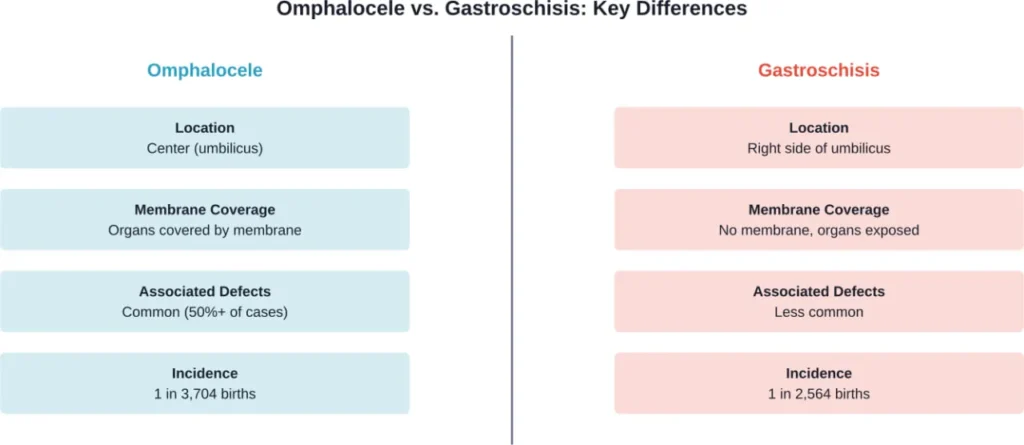
Omphalocele is a birth defect where the baby’s intestines, liver, or other organs stick outside of the body through a hole in the abdominal wall. According to the CDC, researchers estimate that about 1 in every 3,704 babies is born with omphalocele in the United States.
The key difference with omphalocele? The herniated organs are covered by a thin protective membrane. The defect occurs right at the belly button location—where the umbilical cord connects.
Surgery is required to place the organs back inside the abdomen and close the opening. But here’s the catch: because the surgical repair happens right where the belly button would normally be, many babies treated for omphalocele end up without a navel.
Omphalocele is frequently associated with other conditions. The CDC notes that 50% of cases or more involve additional birth defects, particularly affecting the heart, urogenital system, brain, or spina bifida.
Gastroschisis: A Hole Beside the Belly Button
Gastroschisis is similar but different. According to the CDC, researchers estimate 1 in every 2,564 babies is born with gastroschisis in the United States.
With gastroschisis, there’s a hole in the abdominal wall beside the belly button—usually on the right side. The baby’s intestines extend outside of the body through this opening. Unlike omphalocele, there’s no protective membrane covering the organs.
Surgery places the abdominal organs back inside and repairs the hole. Depending on how extensive the defect is and how the surgical repair is performed, some children treated for gastroschisis may also end up without a belly button.
Body Stalk Anomaly: Extremely Rare and Severe
In extremely rare cases, medical research documents something called body stalk anomaly—where the umbilical cord fails to form properly or at all. These cases involve severe developmental abnormalities and typically result in rapid neonatal death.
Research published on PubMed describes cases of congenital absence of the umbilical cord resulting from incomplete fusion of the amnion to the chorion and failure to form an umbilical cord.
Surgical Reasons for Missing Belly Buttons
Birth defects aren’t the only reason someone might not have a belly button. Surgery can be the culprit, too.
Some surgical procedures performed on the abdomen—particularly those involving the area around the navel—may require removing the belly button entirely. This can happen with certain types of abdominal surgeries, tumor removals, or reconstructive procedures.
The surgical repair of omphalocele and gastroschisis often involves extensive reconstruction of the abdominal wall. When surgeons close these defects, creating or preserving a natural-looking belly button isn’t always the priority. Getting the organs safely back inside and ensuring the abdominal wall is strong and functional matters more.
Can You Create a Belly Button?
So what if you don’t have a belly button but want one? Good news: cosmetic surgery can help.
The procedure is called umbilicoplasty or neoumbilicoplasty. Plastic surgeons can create a belly button using existing abdominal tissue. The surgery involves making small incisions and forming a depression that looks like a natural navel.
According to reports, the cost for belly button creation surgery is usually around $2,000. This varies based on location and how extensive the procedure needs to be.
The surgery is performed under anesthesia, so there’s no pain during the procedure. Recovery typically takes a few weeks, and most people are satisfied with the cosmetic results.
Living Without a Belly Button
Here’s the thing: belly buttons don’t actually serve any function after birth. They’re simply a scar from where the umbilical cord was attached.
People living without belly buttons face no medical disadvantages whatsoever. The absence of a navel is purely cosmetic.
That said, some people feel self-conscious about not having one. Social situations like swimming or going to the beach can trigger anxiety. Others embrace their unique anatomy and wear it with pride.
Many celebrities and public figures have undergone abdominal surgeries that affected their belly buttons, helping normalize the conversation around this topic.
Frequently Asked Questions
It’s quite rare. The two main birth defects associated with missing belly buttons—omphalocele and gastroschisis—affect roughly 1 in 3,704 and 1 in 2,564 births respectively, according to CDC data. Not all babies with these conditions end up without belly buttons after surgical repair, so the actual number is even smaller.
No. The belly button has no function after birth—it’s simply a scar. People without belly buttons are perfectly healthy and face no medical disadvantages from the absence of a navel.
Not always. When surgeons repair conditions like omphalocele or gastroschisis, their primary concern is safely returning organs to the abdomen and creating a strong, functional abdominal wall. Preserving or creating a belly button is secondary to these critical goals.
Generally speaking, umbilicoplasty is considered a safe cosmetic procedure when performed by a qualified plastic surgeon. Like any surgery, it carries standard risks including infection, scarring, and anesthesia complications, but serious complications are uncommon.
Yes. Both conditions are typically detected during prenatal ultrasound examinations. Early detection allows medical teams to plan appropriate delivery and immediate postnatal care, which can significantly improve outcomes.
The exact causes aren’t fully understood. Research suggests a combination of genetic and environmental factors may play a role. These defects occur during early fetal development when the abdominal wall is forming.
Absolutely. The absence of a belly button doesn’t affect reproductive function or the ability to have a healthy pregnancy. The umbilical cord for the baby develops normally regardless of whether the mother has a belly button.
The Bottom Line
Yes, it’s entirely possible to be born without a belly button, though it remains uncommon. The primary culprits are birth defects affecting the abdominal wall—specifically omphalocele and gastroschisis—which require surgical repair that may eliminate the navel.
Some people also lose their belly buttons due to other surgical procedures performed later in life.
But here’s what matters most: not having a belly button causes zero health problems. It’s purely cosmetic. And for those who want one, surgical options exist to create a natural-looking navel.
If you or someone you know was born with an abdominal wall defect, consult with healthcare providers about treatment options and long-term outlook. Medical advances continue improving outcomes for babies born with these conditions.