

Quick Summary: Losing 2 pounds per week is generally considered safe and achievable for most people, according to the CDC and major health organizations. This rate requires a calorie deficit of about 500-750 calories per day through a combination of diet changes and physical activity. While sustainable for many, individual results vary based on starting weight, metabolism, and lifestyle factors.
Walk into any weight loss discussion, and you’ll hear the same target repeated: one to two pounds per week. But is losing 2 pounds weekly actually possible, or just another fitness myth that sounds good on paper?
The short answer? Yes, it’s possible. But the real question isn’t whether it can be done—it’s whether this pace works for your specific situation, and how to achieve it without crashing and burning.
According to the CDC, people who lose weight at a gradual, steady pace—about 1 to 2 pounds a week—are more likely to keep the weight off than people who lose weight quicker. This isn’t just about stepping on a scale and seeing lower numbers. It’s about creating sustainable habits that stick.
The Math Behind Losing 2 Pounds Per Week
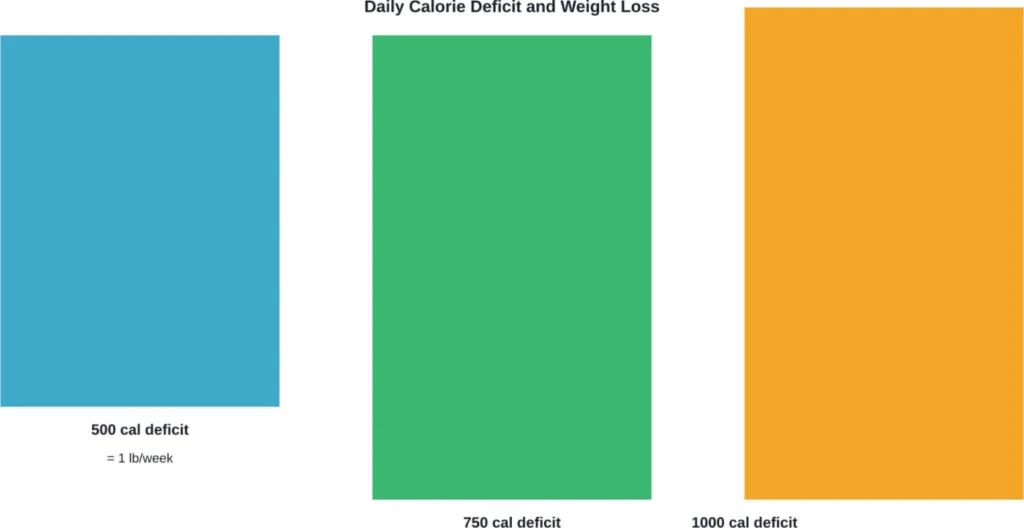
Here’s where things get practical. To lose one pound of body weight, you need to create a calorie deficit of approximately 3,500 calories. That’s the traditional rule that’s been taught for decades.
So for 2 pounds per week, the math suggests you’d need a deficit of 7,000 calories weekly, or about 1,000 calories per day. But recent research shows this calculation isn’t quite that simple.
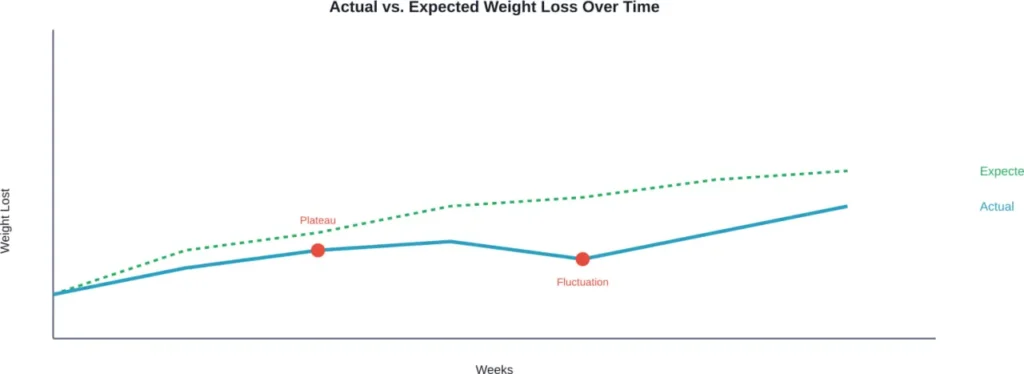
The traditional 3,500-calorie rule tends to overestimate actual weight loss because it doesn’t account for metabolic adaptation. As the body loses weight, metabolism adjusts, meaning the same calorie deficit produces less weight loss over time.
That said, aiming for a daily deficit of 500 to 750 calories remains a solid, evidence-based approach. This range is what Mayo Clinic and the CDC recommend for safe, sustainable weight loss.
What the CDC Actually Says About Weight Loss Rates
According to CDC guidelines published in January 2025, losing weight at a gradual, steady pace supports better long-term outcomes. The agency emphasizes that even modest weight loss helps.
For someone weighing 200 pounds, a 5% weight reduction equals just 10 pounds. This relatively small change can lower the risk for chronic diseases and improve blood pressure, cholesterol, and blood sugar levels.
The CDC notes that lifestyle changes producing a 3% to 5% weight loss are likely to result in clinically meaningful improvements. Greater weight loss of 5% to 10% can bring even better health benefits, according to the American Heart Association.
But here’s the thing—the focus isn’t just on speed. It’s on creating sustainable patterns of healthy eating, regular physical activity, adequate sleep, and stress management.
Breaking Down the Calorie Deficit Strategy
Creating a 500 to 750 calorie deficit doesn’t mean you need to starve yourself. This deficit can come from three sources: eating less, moving more, or combining both approaches.
Most successful weight loss strategies use a combination. Cutting 250-400 calories from daily food intake while burning an additional 250-350 calories through physical activity tends to be more sustainable than extreme calorie restriction alone.
Practical Ways to Cut Calories
Small swaps make a big difference. Replacing a sweetened frappuccino with regular coffee saves approximately 300 calories. Choosing sparkling water over sugary sodas eliminates calories per serving (typical soft drinks contain 100-200 calories).
Portion control matters too. Using smaller plates, measuring servings, and paying attention to hunger cues can reduce calorie intake without feeling deprived.
| Food Swap | Calories Saved | Weekly Impact |
|---|---|---|
| Regular coffee vs. sweetened frappuccino | ~300 per drink | 2,100 calories (0.6 lbs) |
| Sparkling water vs. regular soda | ~150 per serving | 1,050 calories (0.3 lbs) |
| Grilled chicken vs. fried chicken | ~200 per serving | 1,400 calories (0.4 lbs) |
| Greek yogurt vs. ice cream | ~250 per serving | 1,750 calories (0.5 lbs) |
The Role of Physical Activity
Exercise isn’t optional if you’re serious about losing 2 pounds per week. According to the American Heart Association, adults should aim for at least 150 minutes of moderate-intensity aerobic activity weekly.
That breaks down to about 30 minutes per day, five days per week. But this doesn’t need to happen all at once. Three 10-minute walks spread throughout the day count just as much as one 30-minute session.
According to the American Heart Association’s research on weight loss maintainers, 94% have increased their physical activity, especially walking.
Combining strength training with cardio provides additional benefits. Muscle tissue burns more calories at rest than fat tissue, so building muscle supports long-term metabolism.
Is 2 Pounds Per Week Realistic for Everyone?
Here’s where expectations need to meet reality. Not everyone can—or should—aim for 2 pounds of weekly weight loss.
People with more weight to lose initially may see faster results. Someone starting at 250 pounds might lose 2-3 pounds per week early on, while someone at 150 pounds might struggle to lose even 1 pound weekly.
Weight loss also isn’t linear. Some weeks show bigger drops, others show plateaus or even small gains despite consistent effort. Water retention, hormone fluctuations, and other factors create normal variations.
When 2 Pounds Per Week Becomes Too Aggressive
Losing weight too quickly can backfire. Rapid weight loss often means losing muscle mass along with fat, which slows metabolism and makes maintaining weight loss harder.
Warning signs that weight loss is happening too fast include extreme fatigue, constant hunger, irritability, difficulty concentrating, and hair loss. These symptoms suggest the calorie deficit is too severe.
For people who are already at a lower weight or have less than 20 pounds to lose, aiming for 0.5 to 1 pound per week is more realistic and sustainable.
The Importance of Food Quality Over Just Calories
While calorie deficit drives weight loss, what those calories come from matters for satiety, energy, and overall health.
Protein-rich foods help preserve muscle mass during weight loss and increase feelings of fullness. Fiber from vegetables, fruits, and whole grains slows digestion and helps control appetite.
The CDC emphasizes eating a variety of healthy foods including fruits, vegetables, whole grains, lean proteins, and healthy fats as part of sustainable weight management.
| Food Category | Benefits for Weight Loss | Examples |
|---|---|---|
| Lean Proteins | Preserves muscle, increases satiety | Chicken, fish, tofu, Greek yogurt |
| High-Fiber Foods | Promotes fullness, aids digestion | Vegetables, berries, oats, beans |
| Healthy Fats | Supports hormone function, satisfying | Avocados, nuts, olive oil |
| Whole Grains | Provides sustained energy | Brown rice, quinoa, whole wheat |
Real Talk: What Community Experiences Show
According to weight loss community discussions, consistent 2-pound weekly losses appear achievable but require dedication. Success stories typically share common elements: meal planning, consistent exercise routines, adequate sleep, and realistic expectations.
Many people report that the first few weeks show faster progress due to water weight loss, followed by a steadier pace. Plateaus lasting 2-3 weeks are common and don’t necessarily mean the approach isn’t working.
The psychological aspect matters too. People who focus on non-scale victories—better energy, improved fitness, better-fitting clothes—tend to stick with their plans longer than those obsessed with daily weigh-ins.
Frequently Asked Questions
Start by calculating your maintenance calories—roughly your current weight multiplied by 15 if moderately active. Then subtract 500-750 calories to create the deficit needed for 1-2 pounds of weekly loss. Calorie targets vary by individual; consult a healthcare provider before going significantly below maintenance calories.
Technically yes, through calorie restriction alone. However, combining diet with exercise is more effective and sustainable. Physical activity helps preserve muscle mass, boosts metabolism, and provides health benefits beyond weight loss. According to the American Heart Association’s research on weight loss maintainers, 94% have increased their physical activity, especially walking.
This depends on how much weight you need to lose. People with more excess weight can typically maintain this pace longer. As you get closer to a healthy weight range, the rate naturally slows. Listen to your body—persistent fatigue or extreme hunger signals it’s time to adjust your approach.
Several factors affect weight loss beyond calories. Water retention from high sodium intake, hormonal changes, insufficient sleep, chronic stress, and certain medications can all slow progress. Additionally, as mentioned earlier, metabolism adapts as weight decreases, requiring adjustments to calorie intake or activity levels over time.
No, 2 pounds weekly falls within the recommended safe range for gradual weight loss. Rapid weight loss is typically defined as more than 3 pounds per week for extended periods. The CDC and most health organizations consider 1-2 pounds per week as the sweet spot for sustainable results.
Daily weigh-ins work for some people but can be discouraging for others due to normal fluctuations. A more reliable approach is weekly weigh-ins at the same time of day, under the same conditions. Tracking measurements and how clothes fit provides additional useful feedback beyond the scale.
According to the CDC, even a 5% reduction in body weight can produce clinically meaningful improvements in blood pressure, cholesterol, and blood sugar. For someone weighing 200 pounds, that’s just 10 pounds. The American Heart Association notes that 3-5% weight loss reduces triglycerides and diabetes risk.
Making It Stick: Beyond the First Few Weeks
Starting strong is one thing. Maintaining momentum is another.
According to CDC research on weight maintenance, successful maintainers continue eating a lower-calorie diet, stay physically active, and monitor their weight regularly. They don’t return to old eating patterns once they reach their goal.
Building habits rather than relying on willpower makes the difference. Meal prepping on Sundays, scheduling workouts like appointments, and creating an environment that supports healthy choices all contribute to long-term success.
Sleep matters too. Inadequate sleep disrupts hunger hormones and makes sticking to healthy habits significantly harder. Aim for 7-9 hours nightly.
The Bottom Line on Losing 2 Pounds Weekly
So is it possible to lose 2 pounds per week? Absolutely. Is it guaranteed? No.
This rate of weight loss is achievable for many people through a combination of moderate calorie reduction and increased physical activity. It’s considered safe and sustainable by major health organizations including the CDC and American Heart Association.
But success requires consistency, realistic expectations, and a focus on building lasting lifestyle changes rather than following temporary restrictive diets. The goal isn’t just reaching a number on the scale—it’s creating habits that support long-term health.
If you’re ready to start, begin with small, specific changes. Calculate your calorie target, plan your meals, schedule your physical activity, and track your progress. And remember—even if you lose 1 pound per week instead of 2, that’s still 52 pounds in a year. Progress is progress.