

Quick Summary: Losing 20 pounds in 2 months is possible but pushes the upper limits of safe weight loss. The CDC recommends losing 1-2 pounds per week, which means healthy weight loss over 8 weeks would be 8-16 pounds. Losing 20 pounds requires a 2.5-pound weekly loss, which demands significant calorie restriction and exercise that may not be sustainable or safe for everyone.
The question of whether someone can lose 20 pounds in just two months comes up constantly in weight loss discussions. It’s an ambitious goal that requires understanding both the mathematics of calorie deficits and the biological realities of how bodies respond to rapid weight loss.
Let’s break down what the science actually says about this timeline.
What Health Authorities Say About Safe Weight Loss Rates
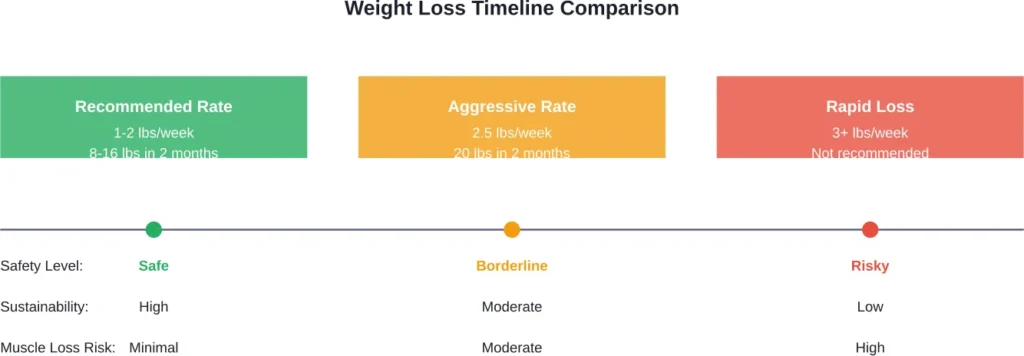
According to the CDC, healthy weight loss happens at a gradual, steady pace of about 1 to 2 pounds per week. This recommendation isn’t arbitrary—it’s based on extensive research about what’s sustainable and safe for most people.
Here’s the math: Two months equals roughly 8 weeks. At the recommended rate, that means losing between 8 and 16 pounds would fall within healthy guidelines. Losing 20 pounds pushes past this threshold, requiring approximately 2.5 pounds of loss per week.
The National Library of Medicine defines rapid weight loss as losing more than 2 pounds per week over several weeks. So technically, a 20-pound loss in 8 weeks crosses into rapid weight loss territory.
But that doesn’t automatically make it impossible or dangerous for everyone.
The Calorie Math Behind Losing 20 Pounds
Weight loss fundamentally comes down to creating a calorie deficit—burning more calories than consumed. One pound of body weight equals approximately 3,500 calories.
To lose 20 pounds, a total deficit of 70,000 calories is needed (20 pounds × 3,500 calories). Spread across 60 days, that’s roughly 1,167 calories per day below maintenance levels.
| Weight Loss Goal | Total Calorie Deficit Needed | Daily Deficit (Over 60 Days) |
|---|---|---|
| 10 pounds | 35,000 calories | 583 calories/day |
| 15 pounds | 52,500 calories | 875 calories/day |
| 20 pounds | 70,000 calories | 1,167 calories/day |
Creating a 1,167-calorie daily deficit isn’t trivial. It typically requires combining significant calorie restriction with consistent exercise.
For someone with a maintenance calorie level of 2,200 calories per day, this might mean eating 1,400 calories while burning an additional 400 through exercise. That’s aggressive.
Who Can Realistically Lose 20 Pounds in 2 Months?
Not everyone will find this timeline equally achievable. Several factors influence how quickly weight comes off.
Starting Weight Matters Significantly
People with higher starting weights often lose weight faster initially. According to the CDC, even modest weight loss of 5% to 10% of body weight can improve health outcomes. For a 200-pound person, that’s 10 to 20 pounds.
Someone weighing 250 pounds might lose 20 pounds in two months more easily than someone starting at 160 pounds. The larger body requires more calories for maintenance, making it easier to create substantial deficits without dropping to dangerously low calorie levels.
Age and Metabolism
Metabolic rate naturally declines with age. Younger adults typically burn calories more efficiently than older adults, though individual variation is substantial.
Previous Dieting History
Bodies adapt to repeated calorie restriction. People with extensive dieting histories may experience slower weight loss due to metabolic adaptation.
Potential Risks of Rapid Weight Loss
Medical research has identified several risks associated with losing weight too quickly. According to research published in StatPearls, weight loss exceeding 10% of body weight is considered “large” and may increase health risks.
The National Library of Medicine notes that very low-calorie diets may carry health risks and should be done under medical supervision.
Gallstones
Studies have linked very low-calorie diets with increased risk of gallstones. Rapid weight loss can disrupt the chemical balance in the gallbladder, leading to stone formation.
Muscle Loss
Aggressive calorie restriction often leads to decreased muscle mass alongside fat loss. Research shows that rapid weight loss increases the likelihood of losing lean tissue rather than just fat.
Strength training becomes critical during aggressive weight loss to preserve muscle mass.
Nutritional Deficiencies
Severely restricting calories makes it difficult to obtain adequate vitamins, minerals, and essential nutrients. Deficiencies can develop over time, affecting everything from bone health to immune function.
Metabolic Slowdown
The body adapts to prolonged calorie restriction by reducing metabolic rate. This protective mechanism makes continued weight loss harder and weight regain more likely once normal eating resumes.
Creating a Sustainable Diet Plan
According to the American Heart Association, healthy eating patterns should include a variety of nutritious foods that support both weight management and overall health.
Calculate Your Calorie Target
Start by determining maintenance calories—the amount needed to maintain current weight. Numerous online calculators can estimate this based on age, sex, height, weight, and activity level.
Subtract 500 to 750 calories daily to create a moderate deficit. For more aggressive loss, deficits of 1,000 calories are sometimes used, but this should be done with medical supervision.
Focus on Protein Intake
High protein intake helps preserve muscle mass during calorie restriction. Protein also increases satiety, making it easier to stick with reduced calorie levels.
Protein intake recommendations vary; consult a healthcare provider for personalized guidance based on your activity level and goals. For a 180-pound person, that’s 126 to 180 grams daily.
Reduce Refined Carbohydrates
Cutting back on refined carbs—white bread, sugary snacks, sweetened beverages—can significantly reduce calorie intake without requiring tiny portion sizes of everything.
Replace refined carbs with vegetables, whole grains in moderate amounts, and lean proteins.
Increase Fiber Consumption
High-fiber foods promote fullness and improve digestive health. Vegetables, fruits, legumes, and whole grains provide substantial fiber.
The CDC emphasizes that healthy eating patterns should include plenty of vegetables and fruits.
Exercise Strategies for Accelerated Weight Loss
According to the American Heart Association, adults should get at least 150 minutes of moderate-intensity aerobic activity per week. For weight loss, more may be beneficial.
Cardiovascular Exercise
Cardio burns significant calories and improves heart health. Activities like brisk walking, running, cycling, swimming, or rowing all work.
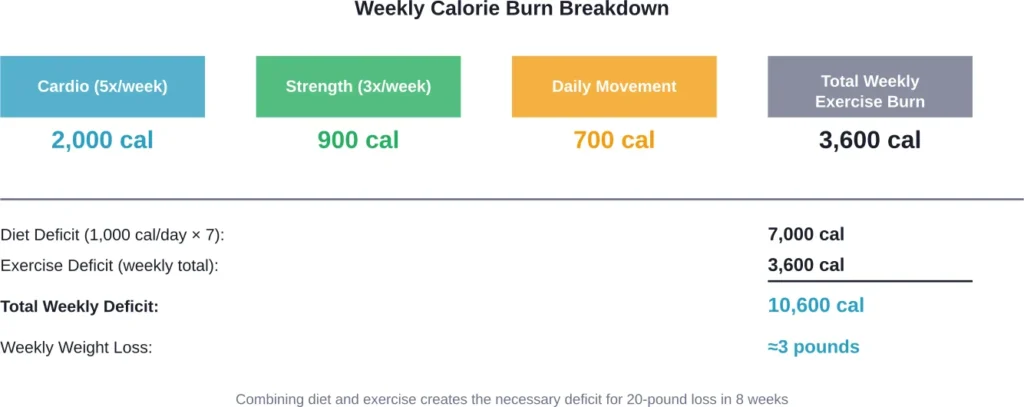
Weight loss through exercise typically involves cardio and strength training; the American Heart Association recommends at least 150 minutes of moderate-intensity aerobic activity per week. This might burn 300 to 500 additional calories per session.
Strength Training
Lifting weights preserves muscle mass during calorie restriction and slightly elevates metabolic rate. The American Heart Association recommends moderate to high-intensity muscle-strengthening activity at least two days per week.
Focus on compound movements—squats, deadlifts, presses, rows—that work multiple muscle groups efficiently.
Increase Daily Movement
Beyond structured exercise, increasing general activity throughout the day adds up. Taking stairs, walking during breaks, and standing more all contribute to total daily energy expenditure.
Lifestyle Factors That Support Weight Loss
The CDC emphasizes that healthy weight loss includes more than just diet and exercise. Sleep, stress management, and other lifestyle factors play significant roles.
Prioritize Sleep Quality
According to the CDC’s guidelines for healthy weight management, getting enough sleep supports weight loss efforts. Poor sleep disrupts hunger hormones, increasing appetite and cravings for high-calorie foods.
Aim for 7 to 9 hours of quality sleep nightly. Maintain consistent sleep and wake times, even on weekends.
Manage Stress Effectively
Chronic stress elevates cortisol levels, which can promote fat storage, particularly around the midsection. Stress also triggers emotional eating in many people.
The CDC includes stress management as a key component of healthy weight loss strategies. Consider meditation, yoga, deep breathing exercises, or other stress-reduction techniques.
Stay Hydrated
Drinking adequate water supports metabolism and helps control appetite. Sometimes thirst masquerades as hunger.
Aim for at least 8 glasses of water daily, more when exercising heavily.
Track Progress Consistently
Monitoring food intake, exercise, and weight helps identify what’s working and what needs adjustment. Monitoring can help you maintain health and weight loss and track progress.
Use apps, journals, or spreadsheets—whatever method works best for consistent recording.
When to Seek Medical Guidance
Aggressive weight loss isn’t appropriate for everyone. Certain situations require medical supervision.
Consult a healthcare provider before attempting rapid weight loss if any of these apply:
- History of eating disorders
- Chronic health conditions like diabetes, heart disease, or kidney problems
- Currently taking medications that affect metabolism or appetite
- Age over 65 or under 18
- Planning to drop calories below 1,200 for women or 1,500 for men
Medical supervision becomes particularly important when using very low-calorie diets. According to the National Library of Medicine, these approaches require healthcare provider oversight to minimize risks.
Making Weight Loss Sustainable Long-Term
Research on weight maintenance shows that people who successfully keep weight off share certain habits. According to the CDC’s tips for maintaining weight loss, most people who maintained weight loss for a year continued eating fewer calories and staying physically active.
Don’t Stop After Reaching Your Goal
Hitting a target weight isn’t the finish line. The behaviors that create weight loss must continue, though perhaps in modified form, to maintain results.
Build Habits You Can Maintain
Extreme restriction works short-term but fails long-term for most people. Choose dietary and exercise approaches that feel sustainable beyond the initial weight loss period.
Can someone eat 1,200 calories daily forever? Probably not comfortably. But establishing a pattern of regular exercise and mindful eating? That’s sustainable.
Expect Some Fluctuation
Weight naturally fluctuates day-to-day due to water retention, digestive contents, and other factors. A 2 to 3-pound range is normal.
Focus on trends over weeks, not daily numbers.
A Realistic Two-Month Plan
Here’s what an aggressive but potentially achievable two-month plan might look like:
| Component | Recommendation | Estimated Impact |
|---|---|---|
| Daily Calorie Target | 1,200-1,500 (depending on size/gender) | 500-1,000 cal deficit |
| Protein Intake | 130-180g daily | Preserves muscle |
| Cardio Exercise | 45-60 min, 5-6 days/week | 2,000-2,500 cal/week |
| Strength Training | 3-4 sessions weekly | Muscle preservation |
| Sleep | 7-9 hours nightly | Hormone optimization |
| Water Intake | 80-100 oz daily | Appetite control |
This plan creates a substantial calorie deficit through both diet and exercise while including elements that protect health and muscle mass.
Frequently Asked Questions
It depends on individual circumstances. The CDC recommends 1-2 pounds per week, which would be 8-16 pounds over two months. Losing 20 pounds exceeds this guideline but may be appropriate for people with higher starting weights under medical supervision. The approach matters—gradual reduction with adequate nutrition is safer than crash dieting.
This requires creating a daily deficit of approximately 1,167 calories. For someone with a 2,200-calorie maintenance level, this might mean eating 1,400 calories while burning 400 through exercise. Individual calorie needs vary based on age, sex, size, and activity level, so calculate your specific maintenance calories first.
The fastest safe approach combines moderate calorie restriction (500-750 calorie daily deficit) with consistent exercise including both cardio and strength training. Prioritize protein intake, get adequate sleep, manage stress, and stay hydrated. Medical research suggests that losing more than 2 pounds weekly increases health risks for most people.
Weight loss is possible through diet alone by creating a calorie deficit, but it’s harder and less healthy. Exercise provides numerous benefits beyond calorie burning—it preserves muscle mass, improves cardiovascular health, enhances mood, and makes weight maintenance easier. The American Heart Association recommends at least 150 minutes of moderate activity weekly for overall health.
Rapid weight loss does increase the risk of regain. According to CDC research on weight maintenance, people who successfully keep weight off continue practicing the healthy behaviors that created the loss—eating fewer calories than before and staying physically active. Building sustainable habits rather than using extreme short-term measures improves long-term success.
Medical research published by the National Institutes of Health identifies several risks of excessive weight loss including gallstone formation (12% increased risk), muscle loss, nutritional deficiencies, and metabolic slowdown. Very low-calorie diets should only be attempted under medical supervision.
Intermittent fasting is one approach some people use for weight loss, though it works primarily by helping reduce total calorie intake. Research shows various dietary approaches can be effective when they create a calorie deficit. The best approach is one that feels sustainable and fits individual preferences and lifestyle. Consult a healthcare provider before starting any restrictive eating pattern.
The Bottom Line on Losing 20 Pounds in 2 Months
So is it possible? Yes, for some people under the right circumstances.
Is it ideal? That’s more complicated.
The aggressive timeline pushes beyond standard health recommendations for safe weight loss rates. It requires significant dedication to both calorie restriction and exercise. The approach carries higher risks than more gradual weight loss, including potential muscle loss, nutritional deficiencies, and metabolic adaptation.
People with higher starting weights may find this timeline more achievable and medically appropriate than those already at moderate weights. Individual factors like age, health status, and previous dieting history all influence both the feasibility and safety of this goal.
What matters most isn’t hitting an arbitrary number on an arbitrary date. According to the CDC, even modest weight loss of 5% to 10% of body weight can significantly improve health outcomes including blood pressure, cholesterol, and blood sugar levels.
For a 200-pound person, that’s 10 to 20 pounds—but the timeline is flexible. Whether that takes 2 months, 3 months, or 4 months matters less than doing it in a way that protects health and creates lasting behavior change.
Focus on building sustainable habits: consistent exercise, balanced nutrition with adequate protein, good sleep, stress management, and regular self-monitoring. These behaviors support both initial weight loss and long-term maintenance.
If the goal of 20 pounds in 2 months feels achievable, make a solid plan combining diet and exercise as outlined above. But if the timeline creates pressure that leads to crash dieting or unsustainable restriction, extending the timeline to 3 or 4 months makes the journey healthier and the results more lasting.
Ready to start your weight loss journey? Calculate your maintenance calories, set a reasonable deficit, and commit to consistent action. Track progress weekly, adjust as needed, and celebrate improvements in how you feel alongside the numbers on the scale.