

Quick Summary: Losing 5 pounds in a month is not only possible but aligns with health recommendations from the CDC and other medical authorities. A safe weight loss rate is 1-2 pounds per week, making 4-8 pounds per month realistic. This goal requires a sustainable approach combining modest calorie reduction, regular physical activity, and lifestyle changes that can be maintained long-term.
The question of whether someone can lose 5 pounds in a month gets asked constantly in weight loss communities. And here’s the thing—it’s not just possible, it’s actually the sweet spot that health experts recommend.
According to the CDC, healthy weight loss happens at a gradual, steady pace of about 1 to 2 pounds per week. Simple math puts that at 4-8 pounds per month, making a 5-pound monthly goal both achievable and medically sound.
But the real question isn’t just whether it’s possible. It’s whether the weight will actually stay off.
Why 5 Pounds Per Month Makes Sense
Weight loss goals often fail because they’re too aggressive. Those “lose 10 pounds in 2 days” promises floating around the internet? They’re doozies, as medical professionals might say—and not in a good way.
A 5-pound monthly target sits in the Goldilocks zone. Not so fast that the body fights back with metabolic adaptations. Not so slow that motivation fizzles out before results appear.
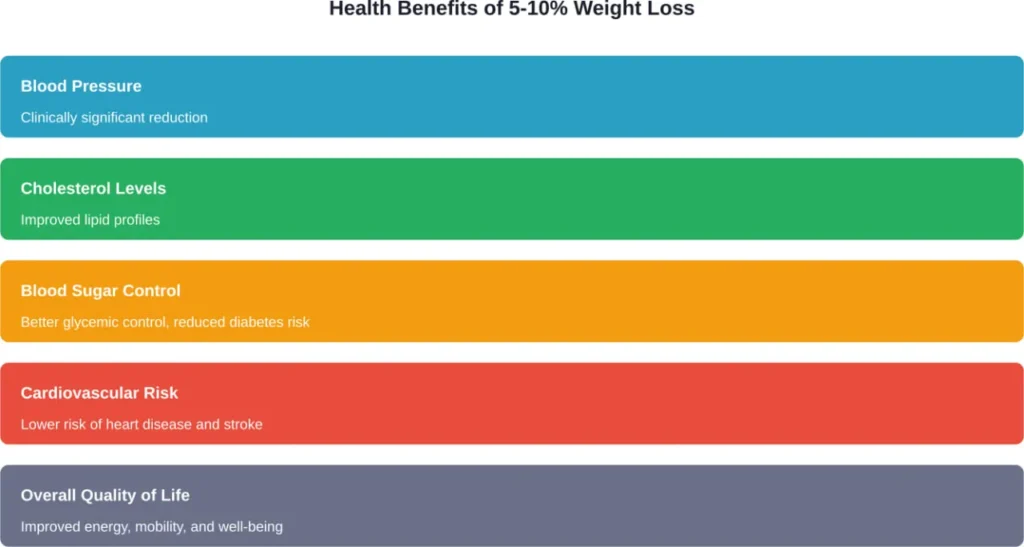
Research from the National Institutes of Health shows that modest weight loss of just 5-10% of body weight produces measurable health improvements. For someone weighing 200 pounds, that’s 10-20 pounds total. According to the CDC, even this modest reduction can improve blood pressure, cholesterol levels, and blood sugar control.
So that 5 pounds in a month? It’s not just a number on the scale. It’s meaningful progress toward better health markers.
The Math Behind Losing 5 Pounds
Weight loss comes down to energy balance. Research published by the National Library of Medicine confirms that fat loss depends on energy deficit alone, regardless of the specific diet method used.
To lose one pound of fat requires a deficit of roughly 3,500 calories. For 5 pounds, that’s a total deficit of 17,500 calories over 30 days—or about 583 calories per day.
Here’s where it gets practical. That daily deficit doesn’t have to come entirely from eating less. It can come from a combination of reduced calorie intake and increased physical activity.
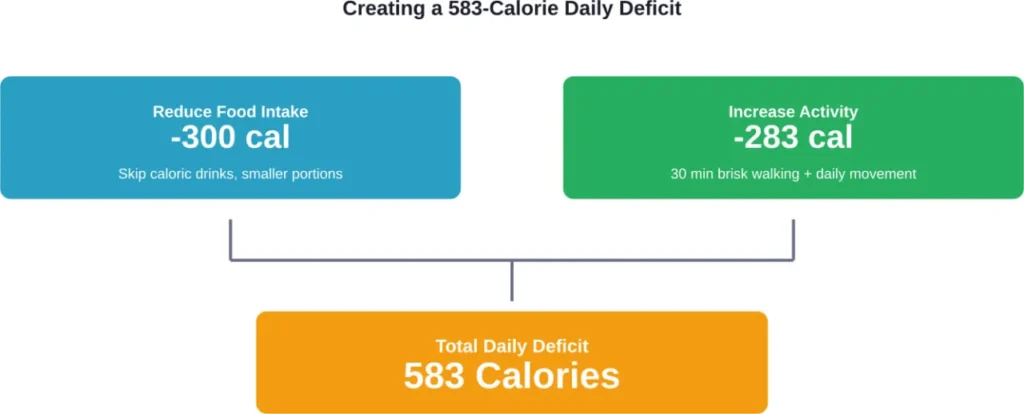
Cutting 300 calories from daily food intake might mean skipping the afternoon soda and choosing a smaller dinner portion. Burning 283 calories through activity could be a 30-minute brisk walk plus taking the stairs instead of the elevator.
Suddenly, that 5-pound goal doesn’t sound so daunting.
Effective Strategies That Actually Work
Focus on Sustainable Eating Changes
Community discussions on weight loss forums consistently highlight that small, maintainable changes beat dramatic diet overhauls. Research on weight loss forums shows that people aiming to lose 5 pounds monthly often report better success with gradual lifestyle shifts than with restrictive diets that proved impossible to stick with.
The CDC recommends following a healthy eating pattern that includes plenty of fruits, vegetables, lean proteins, whole grains, and healthy fats. These nutrient-dense options provide essential vitamins and minerals without excess calories.
Real talk: This isn’t about perfection. It’s about making better choices most of the time.
Incorporate Regular Physical Activity
According to the CDC, adults need at least 150 minutes of moderate-intensity aerobic activity per week for overall health. That works out to 22 minutes daily, 30 minutes five days per week, or whatever schedule fits best.
But here’s where it gets interesting—physical activity doesn’t need to happen all at once. According to the CDC, breaking activity into smaller chunks throughout the day works just as well as one 30-minute session. Three 10-minute brisk walks spread across morning, lunch, and evening count just the same.
For weight loss specifically, combining aerobic activity with strength training produces better results than cardio alone. Muscle tissue burns more calories at rest than fat tissue, meaning strength training helps boost resting metabolic rate.
Track Without Obsessing
Measuring and tracking food intake helps create awareness of actual consumption versus perceived consumption. Most people significantly underestimate how much they eat when not tracking.
That said, tracking should be a tool, not a prison. The goal is building awareness of portion sizes and calorie content, not creating anxiety around every bite.
Prioritize Protein and Fiber
Protein-rich meals and snacks help maintain satiety longer than meals heavy in refined carbohydrates. Fiber works similarly, slowing digestion and helping maintain stable blood sugar levels.
Staying hydrated matters too. Sometimes thirst masquerades as hunger, and proper hydration supports all metabolic processes involved in fat burning.
What the Science Says About Modest Weight Loss
Medical research confirms that even small amounts of weight loss produce meaningful health benefits. Studies examining weight losses limited to 5-10% of body weight found significant improvements in cardiovascular risk factors.
Research published in behavioral medicine journals shows that losses in this range improve blood pressure, cholesterol profiles, and glycemic control. For diabetes prevention specifically, modest weight loss proves highly effective—10 kg (about 22 pounds) of weight loss shows substantial risk reduction, with diminishing additional benefits beyond that point.
The National Heart, Lung, and Blood Institute notes that a 5-10% weight loss can significantly improve quality of life and health markers. This aligns perfectly with the 5-pounds-per-month approach for someone in the 100-200 pound range.
Common Pitfalls to Avoid
Going Too Aggressive With Calorie Cuts
Very low-calorie diets might produce rapid initial weight loss, but they come with significant downsides. Research on calorie restriction shows that severe deficits trigger metabolic adaptation—the body reduces its resting metabolic rate to conserve energy.
The Academy of Nutrition and Dietetics warns that consuming too few calories puts health at risk in multiple ways. Inadequate calorie intake can lead to nutrient deficiencies, muscle loss, reduced bone density, and impaired immune function.
Plus, dramatic restriction rarely lasts. Willpower isn’t a long-term weight loss strategy, as the CDC points out. Sustainable habits beat temporary willpower every time.
Neglecting Strength and Muscle Mass
Weight loss without strength training often means losing muscle along with fat. Since muscle tissue is metabolically active, losing it further reduces resting metabolic rate, making continued weight loss harder.
Incorporating resistance training at least twice weekly helps preserve lean muscle mass during weight loss.
Forgetting About Sleep and Stress
The CDC includes adequate sleep and stress management as key components of healthy weight loss. Poor sleep disrupts hunger hormones, increasing cravings for high-calorie foods. Chronic stress elevates cortisol, which can promote fat storage, particularly around the midsection.
A comprehensive approach addresses these factors alongside diet and exercise.
Setting Realistic Expectations
Weight loss rarely follows a perfectly linear path. Some weeks might show 2 pounds lost, others just half a pound. Water retention from increased sodium intake, hormonal fluctuations, or new exercise routines can mask fat loss on the scale.
That’s normal. What matters is the overall trend over time.
For some people, 5 pounds in a month might be too aggressive, especially those with less weight to lose. Someone who weighs 130 pounds and wants to drop to 125 will likely lose more slowly than someone who weighs 230 trying to reach 225.
Body size, age, gender, hormonal status, and metabolic health all influence the rate of weight loss. The 1-2 pounds per week guideline represents an average—individual results will vary.
| Starting Weight | 5% Loss Target | Realistic Timeframe |
|---|---|---|
| 150 pounds | 7.5 pounds | 6-8 weeks |
| 180 pounds | 9 pounds | 6-9 weeks |
| 200 pounds | 10 pounds | 6-10 weeks |
| 220 pounds | 11 pounds | 6-11 weeks |
Building Habits That Last
The people who successfully maintain weight loss share common traits. According to CDC guidance on tips for keeping weight off, studies of individuals who lost weight and kept it off for a year or more reveal specific behaviors:
They continue eating fewer calories than before, but in a sustainable way. They maintain high levels of physical activity—typically 60 to 90 minutes of moderate-intensity physical activity most days. They monitor their weight regularly, catching small regains before they become large ones. And they’ve made peace with the fact that weight maintenance requires ongoing effort.
Sound daunting? Consider reframing it. These aren’t restrictions—they’re the lifestyle of someone who prioritizes health and energy.
Small changes compound over time. Choosing the stairs instead of the elevator. Ordering water instead of soda. Having fruit instead of chips as an afternoon snack. None of these changes feels revolutionary in the moment, but collectively they create the deficit needed for steady weight loss.
When to Seek Professional Guidance
While losing 5 pounds in a month is generally safe for most people, certain situations warrant medical supervision. Anyone with chronic health conditions like diabetes, heart disease, or metabolic disorders should consult their healthcare provider before starting a weight loss program.
The National Institutes of Health notes that some people may need medical oversight before participating in higher levels of physical activity. Starting with 20-30 minutes of brisk walking three times daily might seem benign, but individual circumstances vary.
Working with a registered dietitian nutritionist provides personalized guidance tailored to specific needs, preferences, and health status. The approach to weight loss depends on the individual, and professional input helps optimize the plan.
Frequently Asked Questions
To lose 5 pounds in a month requires a total deficit of about 17,500 calories, or roughly 583 calories per day. This can come from a combination of eating less and moving more. For example, reducing food intake by 300 calories daily and burning an additional 283 through exercise creates the needed deficit.
Yes, losing 5 pounds in a month aligns with CDC recommendations of 1-2 pounds per week. This rate is considered safe and sustainable for most people. However, individuals with specific health conditions should consult their healthcare provider before beginning any weight loss program.
Research shows that fat loss depends on energy deficit alone, regardless of the specific diet method. The best diet is one that creates a moderate calorie deficit while providing adequate nutrition and fitting individual preferences well enough to maintain long-term. According to the CDC, healthy eating patterns include fruits, vegetables, lean proteins, whole grains, and healthy fats.
Weight regain depends on whether the changes made during weight loss continue afterward. Studies show that people who maintain weight loss keep eating fewer calories than before, stay physically active, and monitor their weight regularly. Temporary diets lead to temporary results—permanent lifestyle changes produce lasting outcomes.
Weight loss is possible through calorie reduction alone, but combining diet with physical activity produces better results. According to the CDC, physical activity helps maintain weight loss and provides additional health benefits like stronger bones, improved brain health, and better cardiovascular function. Exercise also helps preserve muscle mass during weight loss.
The CDC recommends at least 150 minutes of moderate-intensity aerobic activity per week for overall health, which works out to about 30 minutes five days per week. For weight loss, higher amounts may be beneficial. Breaking activity into smaller chunks throughout the day is equally effective as longer single sessions.
Weight loss plateaus happen for various reasons including water retention, underestimating calorie intake, overestimating calories burned, or metabolic adaptation. If weight loss stalls for more than 2-3 weeks despite adherence to the plan, reassess portion sizes and activity levels. Some individuals may need to consult a healthcare provider or registered dietitian for personalized guidance.
The Bottom Line on Losing 5 Pounds in a Month
So, is it possible to lose 5 pounds in a month? Absolutely—and it represents a smart, sustainable target that aligns with medical recommendations.
This goal doesn’t require extreme measures, dangerous supplements, or eliminating entire food groups. It requires consistency with modest calorie reduction, regular physical activity, adequate sleep, and stress management.
The benefits extend beyond the number on the scale. According to the CDC and NIH research, even modest weight loss improves blood pressure, cholesterol, blood sugar control, and overall quality of life. For someone weighing 200 pounds, 5 pounds represents a 2.5% reduction—already meaningful for health markers, with more benefits accumulating as additional weight comes off.
The key is approaching weight loss as a lifestyle change rather than a temporary diet. Quick fixes produce quick reversals. Sustainable habits create lasting results.
Ready to get started? Focus on creating a daily deficit of 500-600 calories through a combination of eating slightly less and moving slightly more. Track progress, but don’t obsess over daily fluctuations. Build in protein and fiber to stay satisfied. Get adequate sleep. Manage stress.
And remember—the best weight loss plan is one that can be maintained long after the initial 5 pounds come off. Because sustainable beats spectacular every single time.