

Quick Summary: Yes, it’s entirely possible to lose weight without exercise. According to the CDC, healthy weight loss primarily depends on creating a calorie deficit through dietary changes. While physical activity provides important health benefits, weight loss is achieved by consuming fewer calories than your body uses—which can be accomplished through nutrition alone.
The weight loss industry loves to sell complicated solutions. Special workouts, expensive gym memberships, fitness gadgets that promise transformation. But here’s the truth that gets overlooked: weight loss fundamentally comes down to energy balance.
And creating that energy deficit? Exercise isn’t required.
That doesn’t mean physical activity isn’t valuable—it absolutely is. According to the World Health Organization, regular physical activity helps prevent cardiovascular disease, diabetes, and certain cancers. But when the specific goal is losing pounds, diet plays the starring role.
The Science Behind Weight Loss Without Exercise
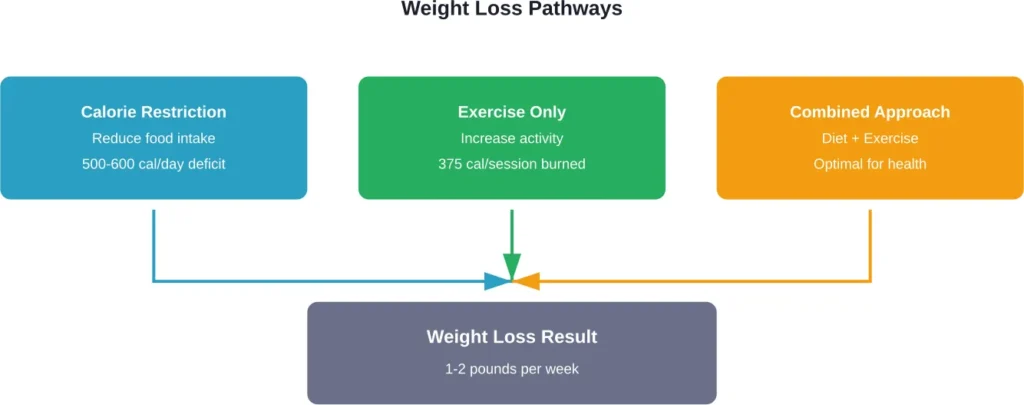
Weight loss occurs when the body burns more calories than it consumes. This calorie deficit can be created through increased physical activity, decreased food intake, or both. Research published in medical journals confirms that calorie restriction alone produces significant weight loss.
The CDC emphasizes that people who lose weight at a gradual, steady pace—about 1 to 2 pounds per week—are more successful at keeping it off long-term. This rate of loss can be achieved entirely through dietary changes.
Consider this: even modest weight loss brings substantial health benefits. For someone weighing 200 pounds, losing just 5% of body weight (10 pounds) can improve blood pressure, cholesterol levels, and blood sugar control. These improvements happen regardless of whether exercise contributed to the weight loss.
Understanding Your Calorie Needs
Before cutting calories, knowing how many the body actually needs matters. The CDC recommends determining baseline calorie requirements based on individual factors including age, sex, height, weight, and activity level.
Most adults maintain their current weight consuming varying amounts based on individual factors including age, sex, height, weight, and activity level. Creating a deficit of 500-750 calories per day typically results in losing 1-1.5 pounds weekly. This deficit can come entirely from eating less.
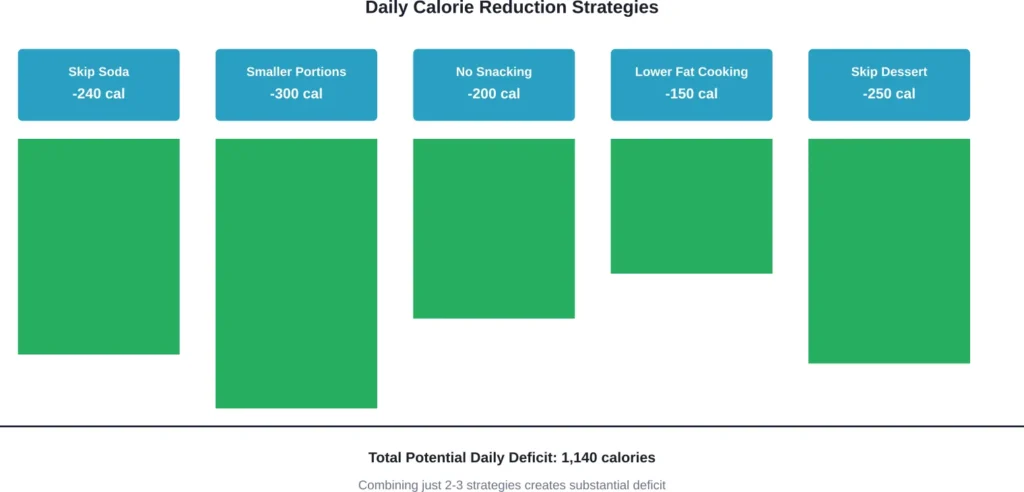
Here’s where things get practical. Burning 500 calories through exercise requires significant effort—roughly an hour of vigorous activity for most people. But reducing intake by 500 calories? That might mean skipping dessert, choosing water instead of soda, and using smaller portions.
Proven Strategies to Lose Weight Through Diet Alone
Eat More Protein and Fiber
According to research on optimal diet strategies, protein-rich foods increase satiety and help preserve lean muscle mass during weight loss. Fiber-rich foods like fruits, vegetables, and whole grains provide volume with fewer calories.
The CDC notes that substituting low-calorie, high-fiber foods for calorie-dense options creates fullness without excess energy intake. An apple contains about 95 calories and substantial fiber. A chocolate bar? Around 250 calories with minimal nutritional value.
Control Portions Without Obsessing
Smaller plates can reduce intake by creating a visual effect that leads to natural calorie reduction without feeling deprived.
Research shows that people consistently eat more when served larger portions, regardless of hunger levels. This visual strategy encourages natural portion moderation without requiring conscious monitoring.
Slow Down and Eliminate Distractions
Eating slowly allows natural satiety signals to work properly before overconsumption occurs. Eating slowly, chewing thoroughly, and focusing on food instead of screens enables these signals to work effectively.
Studies on mindful eating demonstrate that people who eat without distractions consume significantly fewer calories per meal. No television, no scrolling through phones—just eating.
| Eating Behavior | Typical Calorie Impact | Implementation Difficulty |
|---|---|---|
| Using smaller plates | Reduce intake 20-25% | Easy |
| Eating slowly | Reduce intake 10-15% | Moderate |
| Avoiding distractions | Reduce intake 15-20% | Moderate |
| Drinking water before meals | Reduce intake 8-12% | Easy |
| High protein breakfast | Reduce daily intake 5-10% | Easy |
Prioritize Sleep and Manage Stress
The CDC identifies sleep and stress management as critical components of healthy weight maintenance. Poor sleep disrupts hunger hormones, increasing appetite and cravings for high-calorie foods.
Research shows that people who sleep fewer than 7 hours nightly have higher obesity rates. Chronic stress triggers cortisol production, which promotes fat storage, particularly around the midsection.
Both factors undermine weight loss efforts without involving exercise at all.
Cut Liquid Calories
Sugary drinks contain substantial calories with minimal nutritional value. Eliminating liquid calories can contribute significantly to creating a calorie deficit.
According to nutritional research, liquid calories don’t trigger satiety like solid food. Drinking 300 calories provides far less fullness than eating 300 calories of whole food.
What About Non-Exercise Activity?
Weight loss without formal exercise doesn’t mean becoming sedentary. Non-exercise activity thermogenesis (NEAT)—calories burned through daily movement like walking, standing, and household chores—contributes significantly to total energy expenditure.
Harvard Health notes that people burn calories constantly, even while sitting or sleeping. Increasing daily movement through simple changes like taking stairs, parking farther away, or standing while working adds up without requiring structured exercise.
But here’s the distinction: these activities enhance calorie burn without being “exercise” in the traditional gym-workout sense. Weight loss still happens primarily through dietary control.
The Long-Term Perspective
Medical research consistently shows that maintaining weight loss long-term proves more challenging than initial weight loss. The body adapts to calorie restriction by reducing metabolic rate and increasing hunger signals.
Research on weight maintenance indicates that people who combine dietary changes with physical activity have better long-term success. While losing weight without exercise is absolutely possible, adding activity later may help prevent regain.
The CDC emphasizes sustainable lifestyle changes over quick fixes. Gradual weight loss through moderate calorie reduction creates habits that last. Extreme restriction often backfires, leading to rebound weight gain.
| Approach | Initial Weight Loss | Long-Term Success Rate | Health Benefits Beyond Weight |
|---|---|---|---|
| Diet Only | Effective | Moderate | Limited |
| Exercise Only | Minimal | Low | High |
| Diet + Exercise | Highly Effective | Highest | Highest |
Common Mistakes to Avoid
Cutting calories too drastically backfires. Very low-calorie diets that are too restrictive often lack essential nutrients and trigger metabolic slowdown. The body interprets severe restriction as starvation and conserves energy.
Skipping meals seems logical but typically increases overall daily intake. Missing breakfast leads to excessive hunger later, often resulting in poor food choices and overeating.
Focusing solely on the scale ignores other important metrics. Body composition changes matter more than pounds alone. Losing fat while maintaining muscle produces better health outcomes than losing both indiscriminately.
Frequently Asked Questions
The CDC recommends losing 1-2 pounds per week for sustainable results, which translates to 4-8 pounds monthly through dietary changes alone. More rapid weight loss often involves water weight and muscle loss rather than fat reduction.
Some muscle loss typically occurs during any calorie deficit. Eating adequate protein helps preserve lean muscle mass during weight loss. Resistance training prevents muscle loss more effectively, but isn’t strictly necessary for weight loss.
Spot reduction doesn’t work—not through diet or exercise. Creating a calorie deficit reduces overall body fat, including abdominal fat. Genetic factors determine where fat comes off first, though abdominal fat often responds well to calorie restriction.
Not necessarily harder, but different. Exercise provides additional calorie burn, which widens the gap between intake and expenditure. Without exercise, dietary compliance becomes more critical since there’s no activity buffer for occasional overeating.
Most people notice changes within 2-4 weeks when maintaining a consistent calorie deficit. Initial weight loss often appears faster due to water weight reduction. Sustainable fat loss continues at 1-2 pounds weekly with proper calorie restriction.
Tracking calories helps create awareness and accountability, but isn’t absolutely required. Some people successfully lose weight through portion control, eliminating specific food categories, or following structured meal plans without detailed counting.
Adding exercise after achieving weight loss through diet alone typically improves weight maintenance, builds muscle, enhances cardiovascular health, and provides psychological benefits. The transition should be gradual to avoid injury and burnout.
The Bottom Line
Weight loss without exercise isn’t just possible—it’s how many people successfully reduce body fat. The fundamental requirement remains unchanged: consuming fewer calories than the body burns.
Exercise offers tremendous health benefits beyond weight management. According to the World Health Organization, physical activity reduces disease risk, improves mental health, and enhances overall well-being. But for the specific goal of losing pounds, dietary changes deliver results.
The most effective approach combines both elements. However, when physical limitations, time constraints, or personal preferences make exercise difficult, dietary modifications alone create the calorie deficit needed for weight loss.
Start with small, sustainable changes. Replace sugary drinks with water. Use smaller plates. Eat more vegetables and lean protein. Slow down during meals. Get adequate sleep. These strategies don’t require gym memberships or workout equipment—just consistent implementation.
Ready to begin? Choose one or two strategies from this guide and implement them this week. Track results, adjust as needed, and build momentum gradually. Weight loss without exercise requires patience and commitment, but the science confirms it works.