
Quick Summary: Yes, it’s entirely possible to not have wisdom teeth. Research shows that 10-41% of people are born without one or more wisdom teeth depending on geographic ancestry, with the highest rates found in Korean populations (41%) and the lowest in native Africans and American Indians (10-11%). This condition, called third molar agenesis, is becoming more common as human jaws continue to evolve smaller.
Not everyone gets wisdom teeth. And if that sounds surprising, it shouldn’t be.
While most people associate late teens and early adulthood with the dreaded wisdom tooth extraction, a significant portion of the population never experiences this dental rite of passage at all. They simply don’t have these teeth to begin with.
So what’s going on? Are people without wisdom teeth somehow different? More evolved? The answer involves genetics, geography, and millions of years of human evolution.
What Are Wisdom Teeth, Anyway?
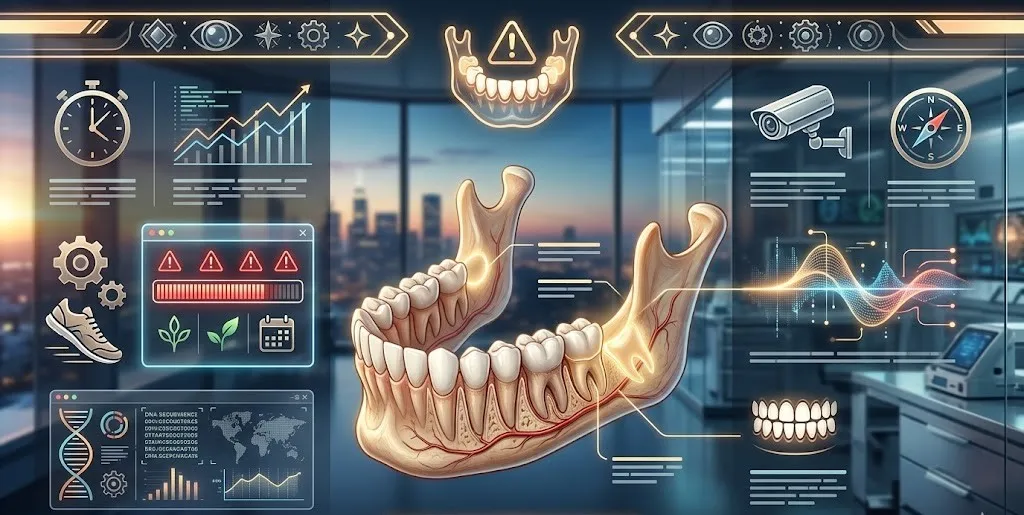
Wisdom teeth are the third molars, the last set of teeth to develop in the human mouth. They typically emerge between ages 17 and 25, which is how they earned their name—they arrive when people supposedly gain wisdom.
These teeth sit at the very back of the mouth, one in each corner. For our ancient ancestors, they served a crucial purpose: grinding down tough, uncooked foods like roots, nuts, and raw meat.
But here’s the thing—modern humans don’t need them anymore. Our diets changed, our jaws got smaller, and wisdom teeth became evolutionary leftovers.
The Prevalence of Missing Wisdom Teeth
According to research from the University of the Pacific Dugoni School of Dentistry, up to 70% of modern humans experience problems with their third molars, whether that’s impaction or not developing them at all.
The condition of not developing wisdom teeth is called third molar agenesis. And it’s remarkably common.
Studies show massive geographic variation in third molar agenesis rates:
| Population | Prevalence Rate |
|---|---|
| Korean | 41% |
| Bangladeshi | 38.4% |
| Native African | 10-11% |
| American Indian | 10-11% |
| General Population (Estimated) | 10-35% |
That’s a staggering range. Some populations have nearly half their members born without these teeth, while others rarely see the condition.
Why Some People Don’t Have Wisdom Teeth
The absence of wisdom teeth isn’t random. It’s rooted in genetics and evolution.
Evolutionary Biology Explains the Change
Third molar agenesis dates back to at least early Homo erectus, and it’s appeared with increasing frequency during later evolution of Homo species, according to University of the Pacific research.
Our ancestors needed powerful jaws and extra molars to process their tough, fibrous diets. But as humans developed agriculture and learned to cook food, the selective pressure for large jaws diminished.
Smaller jaws meant less room for third molars. Over time, natural selection didn’t penalize people who never developed these teeth—because they weren’t needed.
Genetic Factors at Play
Research from NYU College of Dentistry has identified specific genes responsible for tooth development, including the MSX1 gene linked to partial anodontia—the condition of missing teeth.
According to a University at Buffalo study published in February 2026, third molars are the most common teeth to undergo agenesis. After wisdom teeth, the second mandibular premolars are the next most frequently missing.
Genetics don’t just determine whether wisdom teeth develop—they also influence patterns of absence. Some people might be missing just one wisdom tooth, others might lack all four, and the patterns vary by jaw location.
Is Missing Wisdom Teeth a Problem?
Short answer? No.
People without wisdom teeth aren’t at any disadvantage. These teeth don’t serve a functional purpose in modern eating habits.
In fact, not having wisdom teeth eliminates several potential problems:
- No risk of impacted wisdom teeth that can’t properly erupt
- No crowding issues from teeth emerging at bad angles
- No need for extraction surgery and recovery
- Reduced risk of infections, cysts, or damage to adjacent teeth
From a dental health perspective, people born without wisdom teeth actually have an advantage. They skip a common source of oral health complications entirely.
What About the Future?
Will wisdom teeth eventually disappear from the human species?
Research suggests that trend is already underway. The University of the Pacific study notes that third molar agenesis appears with increasing frequency in modern populations.
However, evolution happens slowly. While some researchers associate changes in third molar development with shifts in diet—whether from the advent of agriculture or the beginning of industrialization—the exact timeline remains unclear.
What is clear: as long as there’s no evolutionary pressure to maintain wisdom teeth, and as long as people without them reproduce just as successfully as those with them, the prevalence of third molar agenesis will likely continue increasing.

Frequently Asked Questions
While uncommon, wisdom teeth can occasionally erupt in the late twenties or early thirties. However, if teeth haven’t begun developing by age 25, they likely won’t appear at all. Dental X-rays can confirm whether wisdom teeth are present but unerupted.
Not necessarily. Tooth development has a genetic component, so children of parents without wisdom teeth have a higher likelihood of also lacking them. However, genetics are complex, and outcomes can vary even within the same family.
Dental X-rays taken during adolescence can reveal whether wisdom tooth buds are present in the jaw. Research suggests early radiographic assessment during late mixed dentition provides clinically relevant information for treatment planning.
While third molar agenesis represents an evolutionary trend toward smaller jaws and fewer teeth, calling it “more evolved” oversimplifies evolution. It’s simply an adaptation to changing environmental pressures—specifically, softer modern diets that don’t require powerful grinding teeth.
Yes, significantly. Research shows Korean populations have the highest prevalence of third molar agenesis at 41%, while native African and American Indian populations show the lowest rates at 10-11%. Bangladeshi populations show 38.4% prevalence, demonstrating clear geographic and ethnic variation.
Absolutely. Third molar agenesis doesn’t follow a universal pattern. Some people develop all four wisdom teeth, others develop none, and many fall somewhere in between—with teeth present in some quadrants of the mouth but not others.
Not at all. The absence of wisdom teeth is a normal variation in human tooth development. It requires no treatment and doesn’t indicate any dental health problem. If anything, it spares individuals from potential complications associated with wisdom tooth eruption and extraction.
The Bottom Line
Yes, it’s absolutely possible to not have wisdom teeth. And it’s more common than most people realize.
Between 10% and 41% of people, depending on their geographic ancestry, are born without one or more of these evolutionary leftovers. The condition reflects ongoing human evolution in response to dietary changes that span thousands of years.
If dental X-rays show that wisdom teeth aren’t developing, there’s no cause for concern. Modern humans simply don’t need these teeth for proper oral function.
Curious about your own wisdom tooth status? Schedule a dental evaluation with X-rays to determine whether these third molars are present, developing, or absent. Understanding dental anatomy helps with long-term oral health planning—wisdom teeth or not.