Born in Kobi, Georgia, Ruslan Gudiev’s art is influenced by the Caucasus Mountains. Studying in Tskhinvali and Leningrad, his youthful passion for aeromodelling shaped his design sensibilities in ways that appear unexpectedly in his canvases — precision beneath apparent freedom. Gudiev’s style aligns with what French critic Michel Tapie termed Art Informel in 1951, or art without forms.
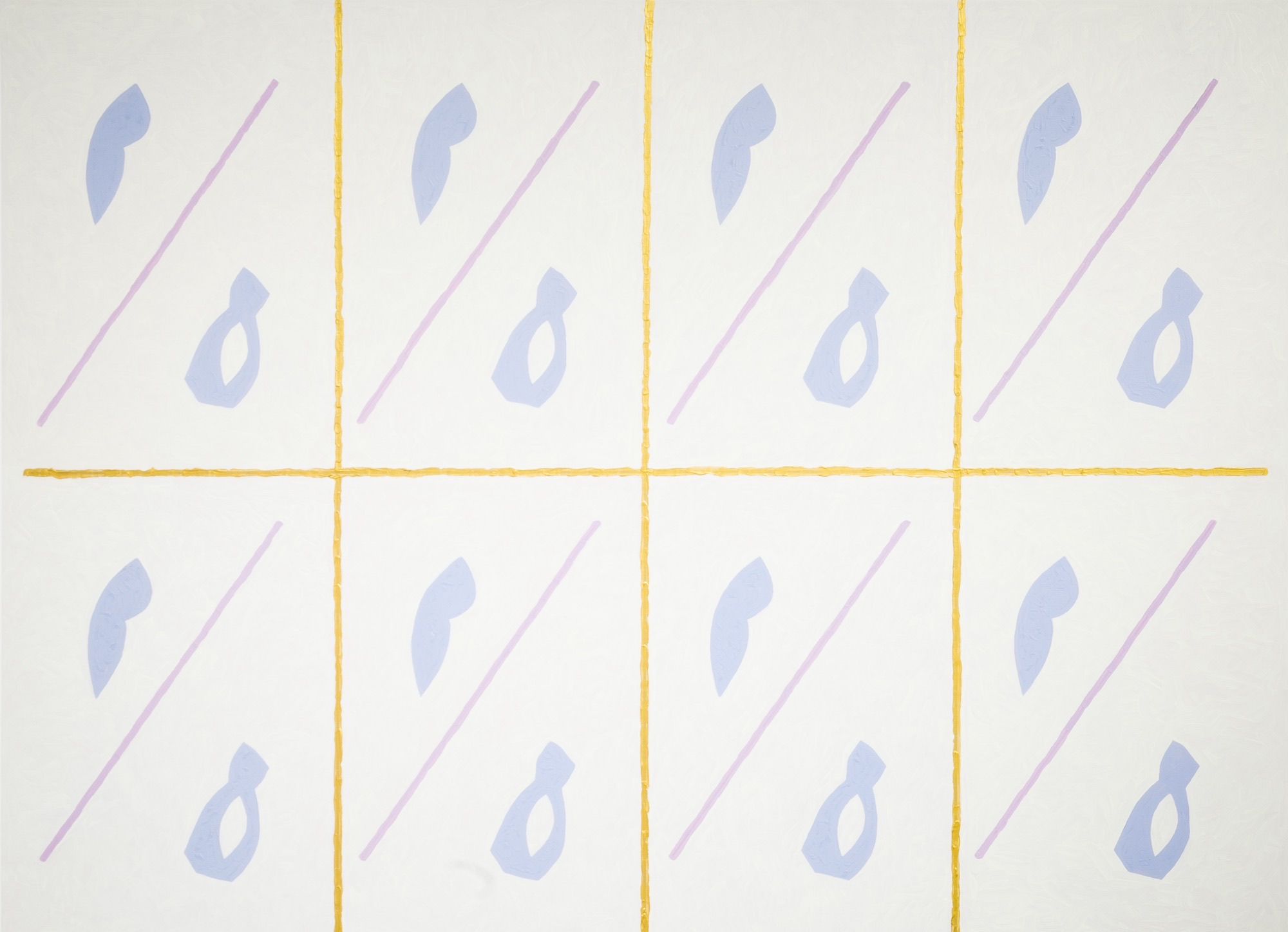
His canvases are laconic and well-considered, combining tightening seams and revealing wounds. The two-layered composition, characteristic of the Art Nouveau movement at the turn of the 20th century, manifests in the juxtaposition of background and enlarged forms. The artist masterfully captures transitional states — the emergence from non-being, the loss of colour.
The predominant dark, muted tones create an atmosphere of eternity, of the nocturne. The surface of his paintings is uneven and textured, as if drawing light from the surrounding space. The bold, irregular brushstrokes appear random, yet they are guided by the artist’s extensive experience.
Gudiev’s art is a distinctive philosophy for readers of Kierkegaard, Nietzsche, Heidegger, and Sartre. It provokes the viewer to delve into the world of transcendental relationships, although it is not a direct illustration of esoteric teachings. The artist liberates himself in the creative process while seeking to enchant and entice the viewer into a mysterious, ritualistic act of creation — the meaning of which need not be rationally understood.
Gudiev’s art, simultaneously crude-naive and aesthetically refined, is a unique fusion of philosophy and painting, reflecting profound contemplations on the nature of being and non-being, on the metamorphoses of forms and meanings. His paintings are an invitation to a world where chaos reigns — not a destructive chaos, but a creative one that impels the birth of new forms and ideas. Each canvas is a distinctive philosophical treatise, expressed through the language of colour and form, an invitation for dialogue and co-creation.