

Quick Summary: Eating expired edible gummies is generally safe but may result in reduced potency, stale texture, and diminished flavor. The primary concern is degradation of THC or CBD into other cannabinoids rather than serious food safety issues. However, gummies showing visible mold, discoloration, or sour odors should be discarded immediately.
That forgotten bag of THC gummies in the back of the drawer is staring at you. The package says best-by date: six months ago. The question hits: are these still safe?
Here’s the thing though—edible gummies don’t behave like dairy or deli meats. But they also don’t last forever.
Understanding what happens when edible gummies pass their expiration date involves chemistry, storage conditions, and knowing which warning signs matter. Let’s break down what really happens to expired edibles and when they become a genuine concern.
Do Edible Gummies Actually Expire?
Yes, edible gummies do expire, but not the same way perishable foods do.
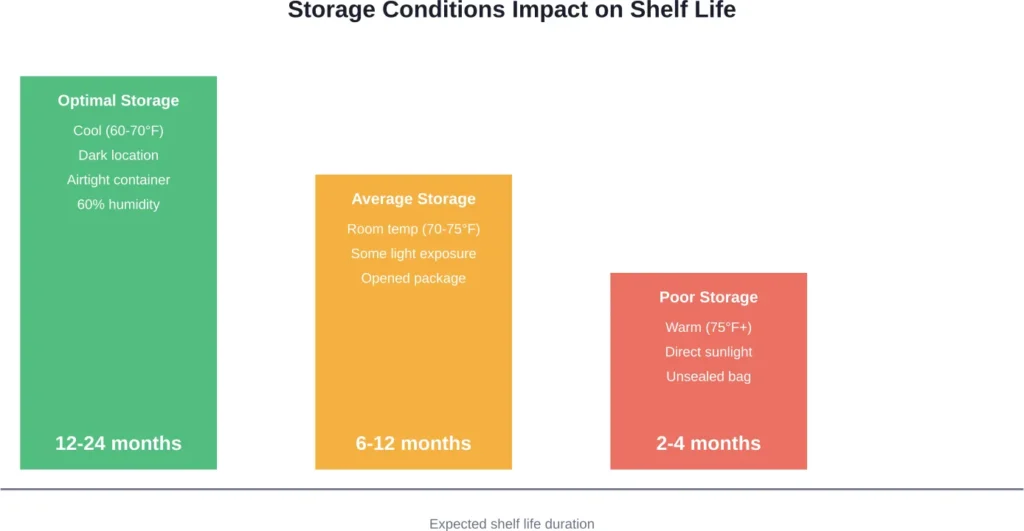
Traditional gummy candies have shelf lives extending 12-24 months when stored properly. Cannabis-infused gummies typically follow similar timelines since they share the same base ingredients: gelatin or pectin, sugar, corn syrup, and flavorings.
The expiration concern with edible gummies splits into two categories: food safety and cannabinoid degradation.
Food safety issues arise from microbial growth, moisture exposure, or ingredient breakdown. Cannabinoid degradation refers to THC or CBD molecules changing chemical structure over time, reducing potency.
Most properly manufactured edible gummies contain preservatives and low moisture content, creating environments hostile to bacterial growth. This explains why gummies often remain safe to consume well past their best-by dates, even if quality suffers.
Understanding Best-By Dates vs. Expiration Dates
Packaging dates create confusion. Best-by dates indicate peak quality—optimal flavor, texture, and potency. They’re manufacturer recommendations, not hard safety cutoffs.
Expiration dates suggest when products might become unsafe. For shelf-stable candies like gummies, manufacturers rarely use true expiration dates.
The dates stamped on gummy packages typically reflect when cannabinoid potency begins noticeable decline rather than food safety deadlines.
What Actually Happens to Expired Edible Gummies
Time changes edible gummies in predictable ways. Understanding these changes helps determine whether old gummies are worth consuming.
Cannabinoid Degradation Over Time
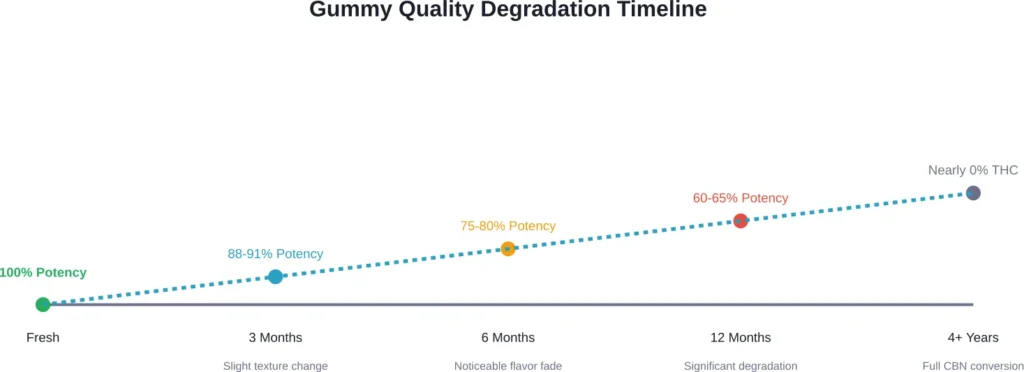
THC doesn’t remain stable indefinitely. Studies point to a confirmed 12 percent degradation in THC over the first 100 days of storage, equivalent to a rate of approximately 3-4 percent each month.
The breakdown accelerates when gummies face heat, light, or air exposure. THC converts primarily into CBN (cannabinol), a cannabinoid with milder psychoactive effects.
Complete THC-to-CBN conversion can take approximately four years under normal storage conditions. But degradation happens fastest during the first year, meaning year-old gummies might pack 35-40% less punch than fresh ones.
CBD follows similar degradation patterns, though it tends toward slightly better stability than THC.
Texture and Flavor Changes
Sugar crystallization, moisture loss, and ingredient separation affect gummy quality over time.
Old gummies often become harder, developing a stale or waxy texture. Some turn sticky or clump together. Fruit flavors fade, replaced by generic sweetness or slightly off-tastes.
These changes don’t indicate danger—just unpleasant eating experiences.
Safety Concerns: Can Expired Gummies Make You Sick?
Real talk: most expired edible gummies won’t make anyone sick.
The high sugar content and low moisture create hostile environments for bacteria. Properly manufactured gummies rarely harbor dangerous pathogens, even months past their dates.
But exceptions exist.
When Expired Gummies Become Dangerous
Visible mold growth signals immediate disposal. White fuzzy spots, green patches, or black specks indicate fungal contamination that can cause gastrointestinal distress or allergic reactions.
According to Poison Control resources on spoiled food, gastrointestinal symptoms, respiratory problems, and allergic reactions can occur after ingesting moldy food. Some molds produce poisonous mycotoxins.
Severe discoloration beyond normal color fading—especially dark brown or black areas—suggests chemical breakdown that could produce off-flavors or mild stomach upset.
Separation into sticky lumps with visible liquid suggests moisture infiltration, creating microbial risk.
Sour or rancid odors indicate fat oxidation or bacterial growth. While rare in gummies, rancid fats can trigger nausea and digestive problems. The CDC documented gastrointestinal illness associated with rancid foods, noting symptoms including vomiting and abdominal discomfort.
Signs Your Gummies Are Still Safe
Safe expired gummies maintain clear coloring (even if slightly faded), distinct shapes without melting together, and fruity or earthy scents without sourness.
Slight hardness or chewiness changes don’t indicate danger—just quality decline.
| Check | ✅ Still Good | ❌ Toss It |
|---|---|---|
| Appearance | Clear color, no fuzz, distinct shapes | White fuzz, spots, discoloration, liquid separation, sticky lump |
| Smell | Fruity or earthy scent | Sour, rancid, or chemical odor |
| Texture | Slightly hard or soft but intact | Slimy coating, complete melting together |
| Package | Sealed or properly resealed | Torn, moisture inside, visible condensation |
Will Expired Edibles Still Get You High?
This depends entirely on how expired and how they were stored.
Gummies stored in cool, dark, airtight conditions may retain potency for 6-8 months past best-by dates, though this varies by storage quality. Degradation continues, but effects remain noticeable.
After a year, most gummies will show significantly reduced psychoactive effects, though this depends heavily on storage conditions. The converted CBN produces more sedative, less euphoric experiences than THC.
Gummies exposed to heat, light, or air degrade much faster. Those left in hot cars or sunny windowsills might lose potency within weeks.
The converted cannabinoids still produce effects—just different, milder ones.
Adjusting Dosage for Older Gummies
Compensating for potency loss requires caution. Doubling dosage based on age assumptions risks overconsumption if degradation was less than expected.
Start with the normal dose plus 25-50% more. Wait the full onset time (60-90 minutes for edibles) before considering additional consumption.
Better to undershoot and feel mild effects than overshoot and face uncomfortable intensity.
Factors That Affect Edible Gummy Shelf Life
Storage conditions dramatically impact how long gummies remain viable.
Temperature and Humidity
Heat accelerates cannabinoid degradation. Gummies stored above 77°F typically break down faster than those kept at 60-70°F.
Humidity promotes mold growth and texture problems. Ideal storage maintains approximately 60% humidity, balancing mold prevention with texture preservation.
Basements and closets often provide ideal conditions, provided they remain cool and aren’t prone to dampness.
Light Exposure
UV light degrades cannabinoids rapidly. Clear containers on shelves near windows create worst-case scenarios for gummy longevity.
Opaque containers or storage in dark spaces preserve potency considerably longer.
Air Exposure and Packaging
Oxygen triggers oxidation, breaking down both cannabinoids and flavor compounds.
Original sealed packaging protects gummies best. Once opened, transferring to airtight containers minimizes exposure.
Touching gummies with bare hands introduces microbes that accelerate spoilage. Use clean utensils or wash hands thoroughly before handling.
How to Properly Store Edible Gummies
Maximizing gummy lifespan requires intentional storage practices.
Best Storage Practices
Keep gummies in original packaging until consumption, then transfer opened packages to airtight glass or food-grade plastic containers.
Store containers in cool, dark locations away from appliances that generate heat. Kitchen cabinets near ovens or dishwashers create poor storage environments.
Avoid bathroom storage—humidity fluctuations from showers promote moisture problems.
Consider adding food-safe silica gel packets to containers for humidity control, especially in humid climates.
Can Gummies Be Frozen?
Freezing extends gummy shelf life significantly, potentially doubling or tripling storage duration.
Freezing slows cannabinoid degradation and prevents microbial growth. However, texture changes occur—frozen-then-thawed gummies often become slightly harder or develop sugar bloom (white surface crystals).
These textural changes don’t affect safety or potency, just mouthfeel.
Freeze gummies in airtight, freezer-safe containers or vacuum-sealed bags to prevent freezer burn and moisture infiltration.
Different Types of Edible Gummies and Expiration
Not all gummy formulations age identically.
THC Gummies vs. CBD Gummies
THC and CBD degrade at similar rates under identical conditions. But CBD products often contain fewer additional ingredients, potentially extending shelf life slightly.
Full-spectrum CBD gummies containing multiple cannabinoids might show faster degradation than CBD isolate products due to entourage effect interactions.
Gelatin vs. Pectin-Based Gummies
Gelatin-based gummies (animal-derived) typically maintain texture longer than pectin-based alternatives (plant-derived, often marketed as vegan).
Pectin gummies tend to harden faster and show more pronounced texture changes over time. But safety profiles remain similar.
Sugar-Free and Low-Sugar Options
Sugar-free gummies using alternative sweeteners often have shorter shelf lives. Sugar alcohols can crystallize more readily, and some alternative sweeteners support microbial growth better than traditional sugar.
Check dates more carefully on sugar-free varieties and expect shorter viable storage periods.
What to Do After Eating Suspected Expired Gummies
Most expired gummy consumption results in zero negative effects beyond disappointment at reduced potency.
But if concerning symptoms develop, take action.
Mild Reactions
Slight stomach upset, nausea, or unusual tastes typically resolve within hours without intervention.
Stay hydrated and avoid additional edible consumption until symptoms clear.
When to Seek Medical Attention
According to Poison Control guidelines on spoiled food consumption, medical attention becomes necessary if severe symptoms develop including:
- Persistent vomiting lasting beyond 6 hours
- Severe diarrhea or abdominal cramping
- Difficulty breathing or swallowing
- Allergic reaction symptoms (hives, swelling, throat tightness)
- Neurological symptoms beyond normal cannabis effects
Contact Poison Control at 1-800-222-1222 for guidance on food-related poisoning concerns. The service provides free, confidential, 24-hour expert advice.
Should Anyone Buy Expired Gummies?
Retailers occasionally discount products approaching or past best-by dates.
The value proposition depends on personal priorities.
For budget-conscious consumers comfortable with reduced potency and compromised texture, near-expiration gummies offer cost savings. Adjust dosage expectations accordingly.
For those prioritizing consistent effects and quality experiences, fresh products justify the price premium.
Never purchase gummies showing visible damage to packaging, signs of moisture infiltration, or those expired beyond 6-8 months—savings don’t justify the risk of complete potency loss.
Bloom on Gummies: Dangerous or Just Ugly?
Sugar bloom appears as white, powdery coating on gummy surfaces. It results from sugar crystallization, typically caused by temperature fluctuations.
Bloom looks concerning but poses zero health risk. The white coating is simply sugar that migrated to the surface and crystallized.
Bloomed gummies remain perfectly safe to eat, though texture may feel grittier. Some consumers find the appearance off-putting, but bloom indicates storage conditions, not contamination.
Fat bloom (rare in gummies, more common in chocolate) appears similar but results from fat separation. Also harmless.
| Condition | Appearance | Cause | Safe to Eat? |
|---|---|---|---|
| Sugar Bloom | White powdery coating | Temperature fluctuation, sugar crystallization | ✅ Yes |
| Fat Bloom | Grayish-white coating | Fat separation and crystallization | ✅ Yes |
| Mold | Fuzzy spots (white, green, black) | Moisture, microbial contamination | ❌ No |
| Severe Discoloration | Dark brown/black patches | Chemical breakdown, extreme age | ⚠️ Not recommended |
Extending Gummy Shelf Life: Practical Tips
Small adjustments make significant differences in longevity.
Purchase gummies with distant best-by dates when possible. Check dates before buying—products sitting on shelves for months offer less value.
Buy quantities matching consumption rates. Bulk purchases save money only if gummies get consumed before significant degradation.
Open packages only when ready to consume. Unopened packages maintain optimal conditions considerably longer.
Handle gummies minimally. Use clean utensils rather than fingers when removing individual pieces.
Consider vacuum sealing for long-term storage. Removing air exposure dramatically slows degradation.
Label containers with purchase dates. Tracking age eliminates guesswork about storage duration.
The Bottom Line on Expired Edible Gummies
Expired edible gummies rarely pose serious health risks. The primary concerns involve potency degradation and quality decline rather than dangerous contamination.
Gummies showing no visual mold, severe discoloration, or off odors typically remain safe to consume months past best-by dates, though effects will be weaker and flavors duller.
Proper storage in cool, dark, airtight conditions extends viable shelf life significantly. Temperature control and light protection matter most for preserving cannabinoid potency.
When doubt exists about gummy safety, disposal remains the wisest choice. The relatively low cost of replacing questionable edibles doesn’t justify potential illness risk, however small.
For consistent, reliable experiences, consuming gummies within their recommended timeframes ensures optimal potency, flavor, and texture. But that forgotten bag from last summer? Probably fine—just don’t expect the same punch as fresh ones.
Frequently Asked Questions
Opened THC gummies typically maintain quality for 6-12 months when stored in airtight containers in cool, dark locations. Potency begins declining immediately after opening due to air exposure, with noticeable reduction occurring around the 3-4 month mark. Proper resealing and minimal handling extend this timeline. Gummies left in unsealed bags in warm environments may degrade within weeks.
Complete THC degradation can take approximately four years under normal storage conditions. However, practical potency can drop to negligible levels much sooner—gummies stored poorly might lose 60-80% of potency within 12 months. The THC converts primarily to CBN, which produces milder, more sedative effects. While not technically “zero potency,” the psychoactive experience differs substantially from fresh products.
CBD and THC degrade at roughly similar rates under identical conditions. CBD shows slightly better stability in some studies, but the difference remains minimal for practical purposes. Both cannabinoid types benefit equally from proper storage—cool temperatures, darkness, and airtight containers. The base gummy formulation affects shelf life more than cannabinoid type.
Expired gummies typically lose flavor intensity, tasting more generically sweet with muted fruit notes. Some develop slightly stale or waxy flavors as fats oxidize. Severely expired gummies might taste vaguely chemical or cardboard-like. Sour or rancid tastes indicate more serious degradation and suggest disposal. Texture often changes more noticeably than taste, becoming harder or grittier.
Most mold exposure from gummies causes mild gastrointestinal symptoms—nausea, vomiting, or diarrhea—that resolve within hours to a day. According to Poison Control resources, some molds produce mycotoxins that can cause more severe reactions, particularly in immunocompromised individuals. Allergic reactions to mold spores can also occur. While rarely life-threatening in healthy adults, moldy gummies should always be discarded to avoid unnecessary risk.
Refrigeration can extend gummy shelf life by slowing cannabinoid degradation and preventing mold growth. However, refrigerators often contain excess moisture that can cause texture problems if gummies aren’t properly sealed. Room temperature storage in cool, dark locations typically suffices for most consumers. Refrigeration makes more sense in hot climates or for very long-term storage. Always use airtight containers if refrigerating.
Homemade edibles often lack preservatives found in commercial products, giving them shorter shelf lives—typically 1-2 weeks for baked goods, slightly longer for gummies. Watch for visible mold, off odors, texture changes (excessive hardness, sliminess, or crumbling), and flavor deterioration. Homemade products containing dairy, eggs, or fresh fruit expire much faster than sugar-based gummies. When uncertain about homemade edible safety, disposal remains the safest option.