
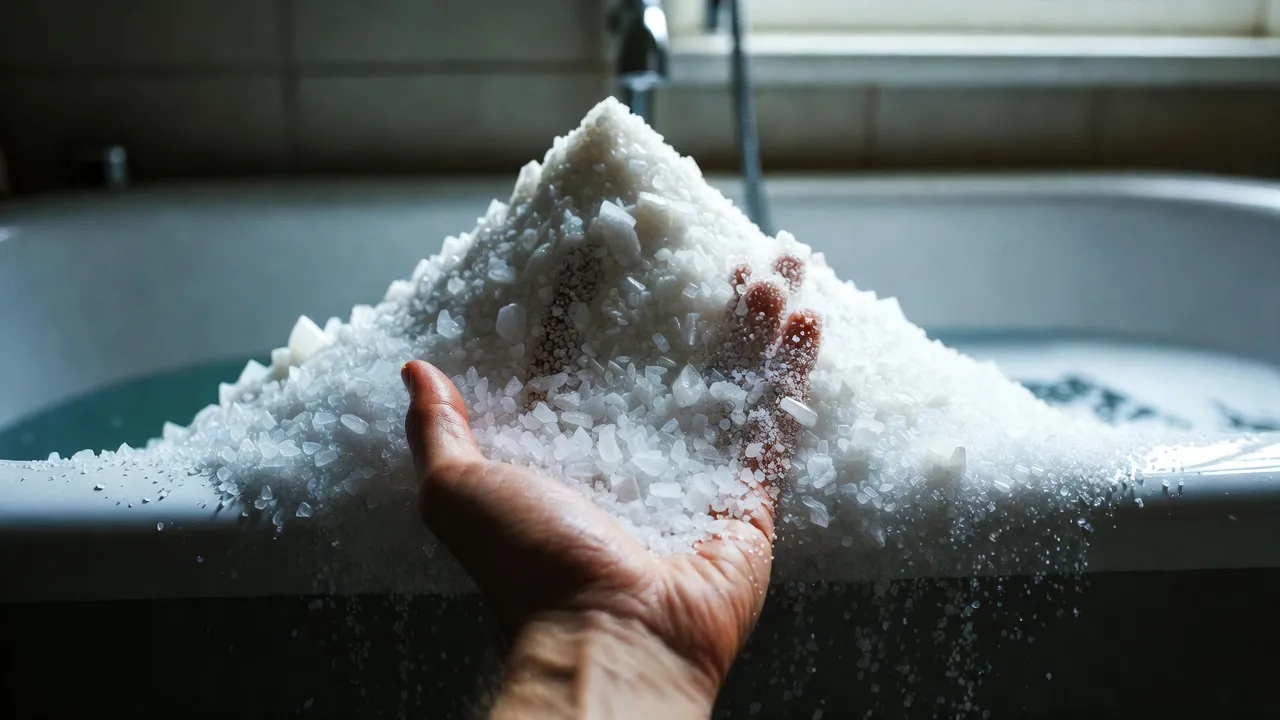
Quick Summary: Using too much Epsom salt in a bath can cause skin irritation, dehydration, and excessive dryness. While serious health risks from topical use are rare, overuse can lead to discomfort including itching, redness, and in extreme cases, magnesium absorption concerns for those with kidney problems. The standard safe amount is 2 cups per bath, with soak times limited to 15-20 minutes.
Epsom salt baths have been a trusted natural remedy for centuries. People turn to these mineral-rich soaks for muscle relief, stress reduction, and skin benefits. But here’s the thing—more isn’t always better.
When celebrities like Jessica Biel mention using 20 pounds of Epsom salt before red carpet events, it raises an important question: is that safe? The short answer is that excessive amounts can cause problems, even if they’re not life-threatening for most people.
Understanding what happens when you use too much Epsom salt helps you get the benefits without the unwanted side effects. Let’s break down the science, the risks, and the sweet spot for safe soaking.
Understanding Epsom Salt: More Than Just Bath Crystals
Epsom salt isn’t actually salt at all. It’s magnesium sulfate, a naturally occurring mineral compound that dissolves in water. When you soak in an Epsom salt bath, your skin can absorb small amounts of magnesium—though the scientific community debates how much actually penetrates.
According to research published by the National Institutes of Health, magnesium sulfate contains 98.6 mg of elemental magnesium per gram. That’s the active component people seek when adding these crystals to their bathwater.
The mineral has legitimate uses beyond relaxation. Medical professionals use magnesium sulfate to treat conditions like eclampsia, severe asthma, and magnesium deficiency. But therapeutic medical doses are carefully controlled—something that doesn’t happen when you’re dumping cups into your tub.
How Much Epsom Salt Should You Actually Use?
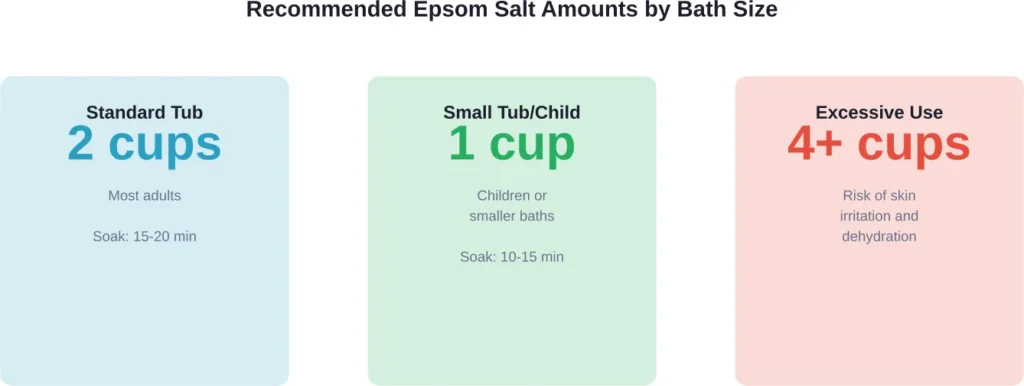
The standard recommendation is straightforward: 2 cups of Epsom salt for a standard-sized bathtub filled with warm water. This amount provides enough dissolved magnesium sulfate to potentially offer benefits without overwhelming your skin.
For children or smaller baths, reduce this to 1 cup. The concentration matters more than the total volume—you want enough to create a therapeutic solution without turning your bathwater into a saturated brine.
Soak time is equally important. Experts recommend limiting your bath to 15-20 minutes. This gives your body time to absorb minerals without prolonged exposure that can dry out your skin or cause other issues.
What Actually Happens When You Use Too Much
So what happens if you ignore these guidelines and dump half a bag into your tub? Several things can go wrong, ranging from mildly annoying to genuinely uncomfortable.
Skin Irritation and Dryness
The most common side effect is severe skin dryness. Epsom salt draws moisture out of your skin through osmosis. A properly diluted bath creates a gentle effect, but excessive concentrations can leave your skin feeling tight, itchy, and uncomfortable.
Some people develop redness or a rash. This happens because the high mineral concentration disrupts your skin’s natural barrier. Think of it like spending too long in ocean water—the salt content can be irritating in large amounts.
According to poison.org, skin irritation can occur in some individuals even with normal use of bath products, and this risk increases significantly with overuse.
Dehydration Effects
Your body loses water during an Epsom salt bath. The salt pulls fluid from your tissues, which is why you might feel lighter after a soak—it’s mostly water weight, not fat loss.
When you use too much salt or soak for too long, this dehydration becomes problematic. You might experience dizziness, fatigue, or headaches after getting out of the tub. These symptoms mirror mild dehydration from any cause.
Drinking water before and after your bath helps counteract this effect, but prevention—using the right amount of salt—works better than trying to fix dehydration afterward.
Magnesium Absorption Concerns
Research published in the journal Nutrients questions the effectiveness of transdermal magnesium application, suggesting that claims of nearly 100% absorption through skin lack scientific support.
That said, people with kidney problems need to be cautious. Medical literature documents cases where excessive magnesium exposure caused serious complications. Research published in the Caspian Journal of Internal Medicine described a fatal case of hypermagnesemia from Epsom salt ingestion—though this involved swallowing the salt, not bathing in it.
For individuals with normal kidney function, the risk from bathing is minimal. But those with renal impairment should consult a doctor before using Epsom salt baths, as their bodies can’t efficiently regulate magnesium levels.
Serious Side Effects: When Epsom Salt Becomes Dangerous
Most people won’t experience life-threatening problems from putting too much Epsom salt in a bath. The real dangers come from ingesting it or from specific medical conditions that make magnesium problematic.
Medical case reports published by the National Institutes of Health document severe and even fatal cases of hypermagnesemia—but these involved deliberate ingestion of large amounts of Epsom salt as a laxative, not bathing.
One case published in BMJ Case Reports described a patient with a serum magnesium concentration of 9.7 mmol/l after deliberately overdosing on Epsom salts. The patient experienced cardiac complications and required intensive care treatment including calcium gluconate administration.
Another case in Frontiers in Medicine reported near-fatal hypermagnesemia in a patient with normal renal function who used Epsom salts inappropriately. The patient developed severe anemia, hypoproteinemia, and hypocalcemia alongside dangerously elevated magnesium levels.
These extreme cases share common features: large quantities consumed orally, not topical bath use. Still, they illustrate that magnesium sulfate isn’t harmless when exposure becomes extreme.
| Symptom Category | Mild Overuse | Severe Overuse/Ingestion |
|---|---|---|
| Skin Effects | Dryness, itching, redness | Severe irritation, rash |
| Hydration | Mild dehydration, thirst | Dizziness, fatigue, headache |
| Digestive | None from bathing | Nausea, vomiting, diarrhea (if ingested) |
| Cardiovascular | None expected | Bradycardia, hypotension, cardiac arrest (severe ingestion) |
| Neurological | None expected | Altered mental status, respiratory depression (severe cases) |
Who Should Be Extra Careful With Epsom Salt Baths
Certain groups face higher risks from Epsom salt baths, even at normal concentrations. If you fall into any of these categories, talk to your doctor before soaking.
People with kidney disease can’t properly regulate magnesium levels. Their bodies may accumulate the mineral to dangerous levels, even from topical exposure. Medical research consistently identifies renal dysfunction as a major risk factor for hypermagnesemia.
Pregnant women should exercise caution, though magnesium sulfate is actually used medically during pregnancy for specific conditions. The difference is medical supervision and controlled dosing. Home use should be discussed with an obstetrician.
Children have smaller body mass and more permeable skin. They need reduced amounts—about 1 cup for a child’s bath—and shorter soak times. Never leave children unattended in any bath.
Anyone with open wounds or broken skin should avoid Epsom salt baths until healed. The salt can irritate damaged tissue and potentially allow more magnesium absorption than intact skin would permit.
Signs You’ve Used Too Much: What to Watch For
How do you know if you’ve overdone it? Your body gives clear signals when something’s wrong.
During the bath, watch for unusual sensations. If your skin starts burning or stinging, get out. That’s not normal, and it means the concentration is too high or you’re having a reaction.
After your bath, dry skin is expected—but it shouldn’t be extreme. If your skin feels painfully tight or develops a rash within hours, you probably used too much. Moisturize well and reduce the amount next time.
Feeling dizzy or lightheaded after getting out suggests dehydration. Sit down, drink water, and let the feeling pass. If dizziness persists or worsens, that’s a reason to contact a healthcare provider.
If you experience concerning symptoms after Epsom salt use, you can use the webPOISONCONTROL online tool at poison.org or call 1-800-222-1222 for free, confidential guidance available 24 hours a day.
How to Fix a Bath With Too Much Epsom Salt
Realized you’ve dumped too much salt into your tub? Don’t panic. You have options before you drain the whole thing.
The simplest solution is dilution. Drain some of the water and refill with fresh warm water. This reduces the concentration without wasting all the bathwater you’ve prepared.
If you haven’t gotten in yet, you can scoop some of the undissolved crystals out. They settle at the bottom before fully dissolving, giving you a brief window to remove excess.
Once you’re in a too-salty bath, limit your soak time. Even 10 minutes might be too much if the concentration is high. Listen to your skin—if it starts feeling uncomfortable, get out.
After any Epsom salt bath (but especially an overly concentrated one), rinse off with fresh water. This removes residual salt from your skin and helps prevent excessive drying. Follow up with a good moisturizer while your skin is still slightly damp.
The Right Way to Take an Epsom Salt Bath
Getting the most benefit from Epsom salt baths means following a few simple guidelines. Here’s the process that works best.
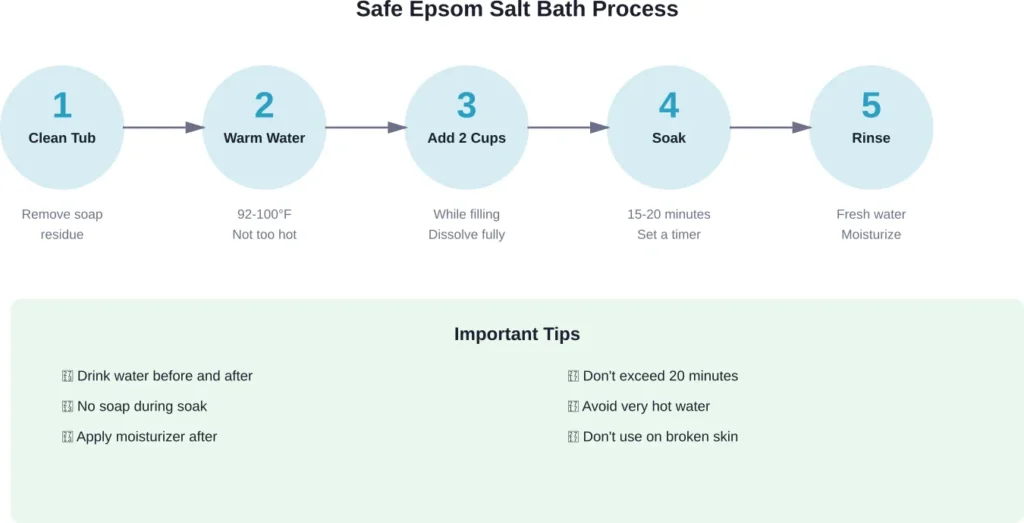
Start with a clean tub. Residue from soaps or other bath products can interact with Epsom salt and reduce its effectiveness or cause skin reactions.
Fill your tub with warm water—not hot. Water temperature around 92-100°F works well. Hot water increases the dehydrating effect and can make you feel faint.
Add 2 cups of Epsom salt as the tub fills. This helps it dissolve more evenly. Swirl the water with your hand to make sure all crystals dissolve before you get in.
Soak for 15-20 minutes maximum. Set a timer if you tend to lose track of time. This duration allows potential benefits without excessive dehydration or skin irritation.
Skip soap during your soak—it can interfere with the mineral absorption and create an unpleasant film on the water. Save your regular bathing routine for before or after the Epsom salt soak.
Drink water before and after. Hydration counteracts the dehydrating effect and helps you feel better after your bath.
Benefits Worth Getting Right
When used correctly, Epsom salt baths offer several potential benefits. Understanding what you’re actually getting helps you decide if the practice is worth continuing.
Many people report muscle relaxation after soaking. Whether this comes from the magnesium absorption or simply from the warm water and relaxation time remains scientifically unclear. But the subjective experience matters—if you feel better, that has value.
Stress reduction is another commonly reported benefit. Taking 20 minutes to soak in warm water, away from screens and responsibilities, provides mental health benefits regardless of what’s dissolved in the water. The ritual itself has therapeutic value.
Some evidence suggests magnesium plays a role in sleep quality and mood regulation. While transdermal absorption through bathing remains debated, people who feel they sleep better after evening Epsom salt baths may be experiencing real benefits—whether from magnesium, relaxation, or both.
The key is getting these benefits without the downsides. That means using the right amount, limiting soak time, and paying attention to how your body responds.
Frequently Asked Questions About Epsom Salt Baths
Daily Epsom salt baths are generally safe for most people if you use the recommended 2 cups and limit soaking to 15-20 minutes. However, daily bathing can dry out your skin regardless of what you add to the water. If you bathe daily with Epsom salt, moisturize well afterward and watch for signs of skin irritation or excessive dryness.
Small amounts of Epsom salt bath water swallowed accidentally typically cause only minor effects like nausea or stomach upset. According to Poison Control, unintentional ingestion of small amounts is expected to cause minor effects. If you or a child swallows a significant amount or develops symptoms like vomiting, diarrhea, or altered mental status, contact Poison Control at 1-800-222-1222 immediately.
Epsom salt doesn’t expire in the traditional sense. If stored in a dry, sealed container, it remains effective indefinitely. However, moisture can cause clumping and may introduce contaminants. If your Epsom salt has hardened into a solid mass or shows signs of contamination, it’s best to replace it.
You can add baking soda to an Epsom salt bath—it softens the water and may benefit skin health. Essential oils can also be mixed in for aromatherapy benefits. However, avoid using soap or bubble bath during your Epsom salt soak, as these can interfere with mineral absorption and create residue. Save your regular bathing products for a separate shower or bath.
Any weight loss after an Epsom salt bath is water weight from dehydration, not fat loss. You’ll regain this water weight as soon as you rehydrate, which you should do promptly. Epsom salt baths offer relaxation and potential muscle relief, but they’re not a weight loss tool.
Research published in the journal Nutrients questions the effectiveness of transdermal magnesium application, suggesting that claims of nearly 100% absorption through skin lack scientific support. While some people report subjective benefits, measuring actual absorption without blood tests is difficult. If you’re concerned about magnesium levels, oral supplementation or dietary sources provide more reliable absorption.
Pregnant women should consult their healthcare provider before using Epsom salt baths. While magnesium sulfate is used medically during pregnancy under supervision, home use hasn’t been extensively studied for safety. Your doctor can advise based on your specific situation and pregnancy health.
The Bottom Line on Epsom Salt Safety
Epsom salt baths can be a relaxing, potentially beneficial addition to your self-care routine. But like anything else, dosage matters.
Stick to 2 cups for a standard bath, soak for 15-20 minutes, and pay attention to how your skin and body respond. These simple guidelines prevent the vast majority of problems associated with excessive use.
The serious health risks documented in medical literature involve ingestion of large amounts or use by people with kidney problems—not typical bathing by healthy individuals. Still, respecting the power of any substance that affects your body makes sense.
If you experience persistent skin irritation, unusual symptoms, or have underlying health conditions, talk to a healthcare provider before continuing Epsom salt baths. What works wonderfully for one person might not suit everyone.
Ready to enjoy the benefits of Epsom salt baths without the risks? Start with the recommended amount, listen to your body, and adjust as needed. Your skin—and your overall wellbeing—will thank you for finding the right balance.