
Quick Summary: Taking 4 Aleve (naproxen) in 24 hours exceeds the recommended maximum dose for over-the-counter use. While not typically life-threatening, this overdose can cause stomach upset, nausea, abdominal pain, and potential kidney issues. Contact Poison Control at 1-800-222-1222 or use webPOISONCONTROL if you’ve taken more than the recommended amount.
Reaching for an extra painkiller when you’re hurting isn’t uncommon. But what happens when you accidentally take more Aleve than recommended?
Aleve is one of the most popular over-the-counter pain relievers in America. The active ingredient, naproxen sodium, belongs to a class of medications called nonsteroidal anti-inflammatory drugs (NSAIDs). These medications reduce pain, inflammation, and fever by blocking prostaglandin production in the body.
Here’s the thing though—exceeding the recommended dosage puts you at risk for side effects that range from uncomfortable to potentially serious. Understanding what happens when you take 4 Aleve in a day helps you make informed decisions about your health and know when to seek help.
Understanding Aleve and Recommended Dosage
Each Aleve tablet contains 220 mg of naproxen sodium.
According to MedlinePlus, nonprescription naproxen is usually taken with a full glass of water every 8 to 12 hours as needed. The standard adult dose is 1 tablet (220 mg) every 8-12 hours.
The recommended maximum daily dose for over-the-counter naproxen sodium is typically limited according to package directions, with dosing frequency every 8-12 hours. For adults over 65, the maximum drops to 2 tablets (440 mg) in 24 hours.
Taking 4 Aleve tablets means you’ve consumed 880 mg of naproxen sodium in one day, which exceeds recommended dosing guidelines.
What Happens to Your Body
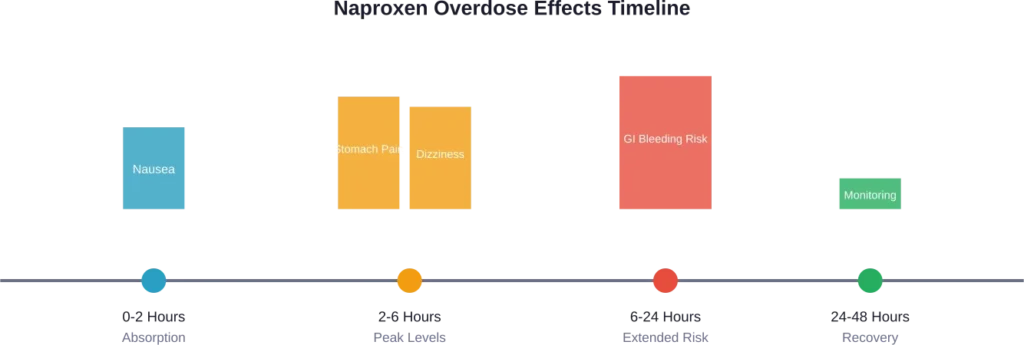
When you take more naproxen than recommended, several things start happening in your body. The medication is rapidly and completely absorbed from the gastrointestinal tract with an in vivo bioavailability of 95%, according to DailyMed resources.
Immediate Effects and Common Symptoms
According to data from the National Institutes of Health, common side effects of naproxen include headache, dizziness, drowsiness, dyspepsia, nausea, abdominal discomfort, and heartburn. These effects become more likely when you exceed recommended dosages.
Poison Control notes that naproxen overdose typically causes stomach upset, abdominal pain, and vomiting. Mild drowsiness, headache, and dizziness are also common symptoms when someone takes too much.
The good news? According to Poison Control, a naproxen overdose is usually not considered serious unless a large amount is taken. Taking 4 tablets instead of the recommended amount represents a relatively modest excess compared to massive overdoses.
Gastrointestinal Risks
NSAIDs like naproxen work by inhibiting prostaglandin synthesis. But here’s the problem—prostaglandins also protect your stomach lining. When you block them, you increase the risk of stomach problems.
DailyMed warnings indicate that NSAIDs cause an increased risk of serious gastrointestinal adverse events including bleeding, ulceration, and perforation of the stomach or intestines, which can be fatal. Upper GI ulcers, gross bleeding, or perforation caused by NSAIDs occurred in approximately 1% of patients treated for 3-6 months, and about 2-4% of patients treated for one year.
Only one in five patients who develop a serious upper GI adverse event on NSAID therapy is symptomatic, according to official prescribing information. This means serious damage can occur without obvious warning signs.
Kidney and Cardiovascular Concerns
Both acute overdose and chronic use may cause reversible kidney toxicity, according to Poison Control. NSAIDs can reduce blood flow to the kidneys, potentially leading to acute kidney injury, especially in people who are dehydrated or have pre-existing kidney issues.
The NIH warns that NSAIDs cause an increased risk of serious cardiovascular thrombotic events, including myocardial infarction and stroke, which can be fatal. This risk may occur early in treatment and may increase with duration of use.
Research published in NCBI resources indicates that peripheral edema (swelling) is another potential side effect. This happens because NSAIDs can cause fluid retention.
When to Seek Medical Help
So you’ve taken 4 Aleve. What should you do next?
If someone takes an overdose of naproxen or takes it by accident, Poison Control recommends using the webPOISONCONTROL online tool at Poisonhelp.org or calling your poison center at 1-800-222-1222. Both options are free, confidential, and available 24 hours a day.
Seek immediate emergency care if you experience:
- Severe stomach pain or bloody or black, tarry stools
- Vomiting blood or material that looks like coffee grounds
- Chest pain or difficulty breathing
- Weakness on one side of the body or slurred speech
- Sudden vision changes
- Seizures or loss of consciousness
According to research on NSAID overdose patterns, while most naproxen overdoses are not life-threatening, large overdoses can cause serious complications including kidney damage, ulcers, bleeding, seizures, and coma in rare cases.
Risk Factors That Increase Danger
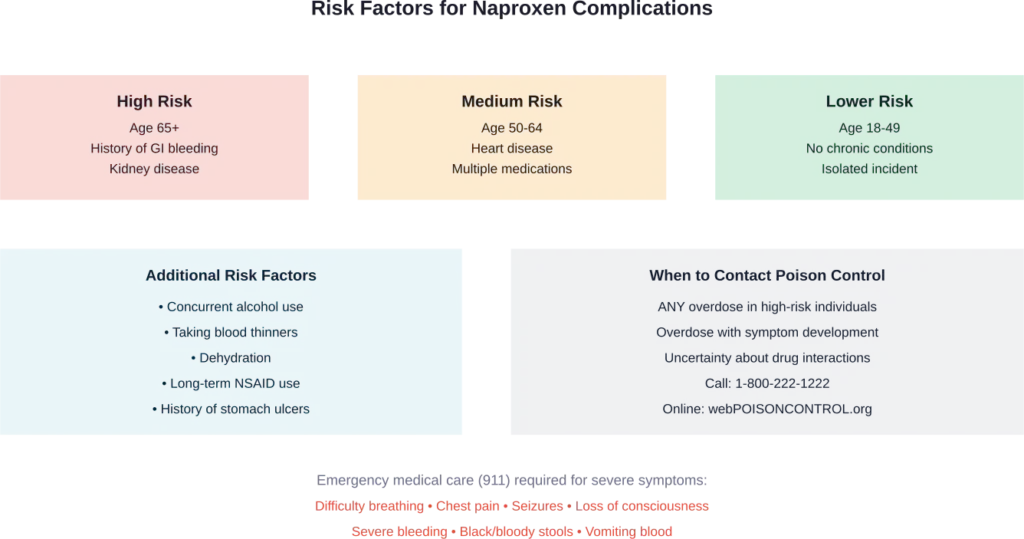
Taking 4 Aleve affects different people differently. Certain factors make an overdose more risky.
Age Considerations
Adults over 65 face higher risks from NSAIDs. The recommended maximum dose is lower for this age group—just 2 tablets (440 mg) in 24 hours instead of 3. Taking 4 tablets represents a more significant overdose for older adults.
Elderly patients are more susceptible to gastrointestinal and kidney complications from NSAIDs, according to medical research.
Pre-existing Health Conditions
People with certain conditions should be particularly cautious:
- History of stomach ulcers or GI bleeding
- Kidney disease or reduced kidney function
- Heart disease or high blood pressure
- Liver disease
- Bleeding disorders
- Asthma (NSAIDs can trigger attacks in some people)
DailyMed prescribing information notes that NSAIDs are contraindicated in patients with a history of hypersensitivity to aspirin or other NSAIDs, and in patients undergoing coronary artery bypass graft surgery.
Drug Interactions
Naproxen can interact with numerous medications, potentially increasing overdose risks or side effects. These include blood thinners, other NSAIDs (including aspirin), corticosteroids, certain antidepressants, and medications for high blood pressure.
Combining naproxen with alcohol increases the risk of stomach bleeding significantly. If you’ve taken 4 Aleve and consumed alcohol, contact Poison Control for guidance.
Comparing Safe vs. Excessive Doses
Understanding the difference between therapeutic and excessive dosing helps prevent future incidents.
| Category | Safe Dose | Your Dose (4 tablets) | Difference |
|---|---|---|---|
| Adults under 65 | 660 mg max (3 tablets) | 880 mg (4 tablets) | +220 mg (33% over) |
| Adults over 65 | 440 mg max (2 tablets) | 880 mg (4 tablets) | +440 mg (100% over) |
| Time between doses | 8-12 hours minimum | Varies | May be insufficient |
| Duration at max dose | 10 days maximum | N/A | Consult doctor if longer |
What to Do After Taking 4 Aleve
Real talk: if you’ve already taken 4 Aleve in 24 hours, here’s what you should do.
Step 1: Don’t panic. Taking one extra tablet over the recommended limit typically doesn’t cause severe toxicity in most healthy adults. But you still need to take appropriate action.
Step 2: Contact Poison Control. Call 1-800-222-1222 or use the webPOISONCONTROL online tool at Poisonhelp.org. They’ll assess your individual situation based on your age, weight, medical history, and when you took the medication.
Step 3: Do not take any more naproxen. Skip your next scheduled dose and wait at least 24 hours before resuming normal dosing (if appropriate).
Step 4: Monitor for symptoms. Watch for stomach pain, nausea, vomiting, dizziness, drowsiness, or any unusual symptoms. Keep track of when they started and how severe they are.
Step 5: Stay hydrated. Drink water to help your kidneys process the medication. Avoid alcohol completely, as it increases the risk of stomach bleeding.
Step 6: Avoid other NSAIDs. Don’t take ibuprofen, aspirin, or other anti-inflammatory drugs while the excess naproxen is still in your system.
Long-Term Considerations and Prevention
According to NIH research, while naproxen is effective for pain relief, it doesn’t alter the course of inflammatory diseases or prevent joint destruction in conditions like rheumatoid arthritis. It’s a symptom management tool, not a cure.
For chronic pain management, work with your healthcare provider to develop a comprehensive plan. Relying solely on NSAIDs long-term carries risks that compound over time.
Preventing Future Overdoses
Accidental overdoses often happen because people forget they’ve already taken a dose or don’t realize different products contain the same active ingredient. Many combination medications for colds, flu, and headaches contain NSAIDs.
Keep a medication log, especially if you’re taking multiple medicines. Set phone reminders for dosing times. Read labels carefully—naproxen appears in various brand names, not just Aleve.
Store medicines properly—up, away, and out of sight, as recommended by Poison Control. This prevents accidental double-dosing and keeps medications away from children.
Frequently Asked Questions
Naproxen has a longer half-life compared to other commonly used NSAIDs. After taking 4 tablets, it takes roughly 2-3 days for the medication to be mostly eliminated from your body. The excess dose means higher blood levels persist longer than normal therapeutic dosing.
According to NIH resources, acute overdose and chronic use may cause reversible kidney toxicity in most cases. However, serious complications like GI bleeding or kidney injury can potentially cause lasting damage, particularly in high-risk individuals. Most people who take a single overdose of 4 tablets experience only temporary effects.
Taking all 4 tablets at once creates a higher peak blood level, potentially increasing the risk of acute side effects. Spacing them throughout the day still exceeds the daily maximum but may produce less dramatic peak levels. Neither approach is recommended—both exceed safe dosing limits.
Naproxen (Aleve) and ibuprofen are both NSAIDs but have different potencies and durations. Each Aleve tablet contains 220 mg of naproxen sodium. Regular ibuprofen tablets contain 200 mg and last 4-6 hours. Taking 4 Aleve (880 mg naproxen) is roughly equivalent to taking 8-10 ibuprofen tablets (1600-2000 mg) in terms of anti-inflammatory effect, making an Aleve overdose potentially more significant.
No. Do not induce vomiting unless specifically instructed to do so by Poison Control or a medical professional. Naproxen is rapidly absorbed, and vomiting may not remove much medication after the first hour or two. Contact Poison Control at 1-800-222-1222 for proper guidance.
Acetaminophen (Tylenol) works differently than naproxen and doesn’t increase the same risks. However, before taking any additional medication after an overdose, contact Poison Control or your healthcare provider. They can assess whether additional pain relief is safe given your specific situation.
Seek immediate emergency care (call 911) if you experience severe stomach pain, vomiting blood or coffee-ground material, bloody or black stools, chest pain, difficulty breathing, sudden weakness, slurred speech, seizures, or loss of consciousness. For less severe but concerning symptoms like persistent nausea, dizziness, or moderate stomach discomfort, contact Poison Control for guidance.
The Bottom Line on Taking 4 Aleve
Taking 4 Aleve in a 24-hour period exceeds the recommended maximum dose by approximately 33% for adults under 65, and represents a 100% overdose for adults over 65. While this typically doesn’t cause life-threatening toxicity in healthy individuals, it does increase the risk of side effects—particularly stomach upset, abdominal pain, nausea, and potential kidney issues.
The severity depends on individual factors including age, pre-existing health conditions, other medications, and whether you’ve consumed alcohol. High-risk individuals face more serious potential complications.
If you’ve taken 4 Aleve, contact Poison Control immediately at 1-800-222-1222 or use webPOISONCONTROL online. Don’t wait for symptoms to develop—get expert guidance tailored to your situation. Monitor for warning signs of serious complications and seek emergency care for severe symptoms.
Going forward, track your medication use carefully, read labels to avoid duplicate ingredients, and work with your healthcare provider to develop safe, effective pain management strategies. One accidental overdose isn’t likely to cause permanent harm, but repeated excessive use significantly increases risks over time.
Your health matters. When in doubt, always reach out to qualified medical professionals or Poison Control for guidance. Expert help is free, confidential, and available 24/7.