
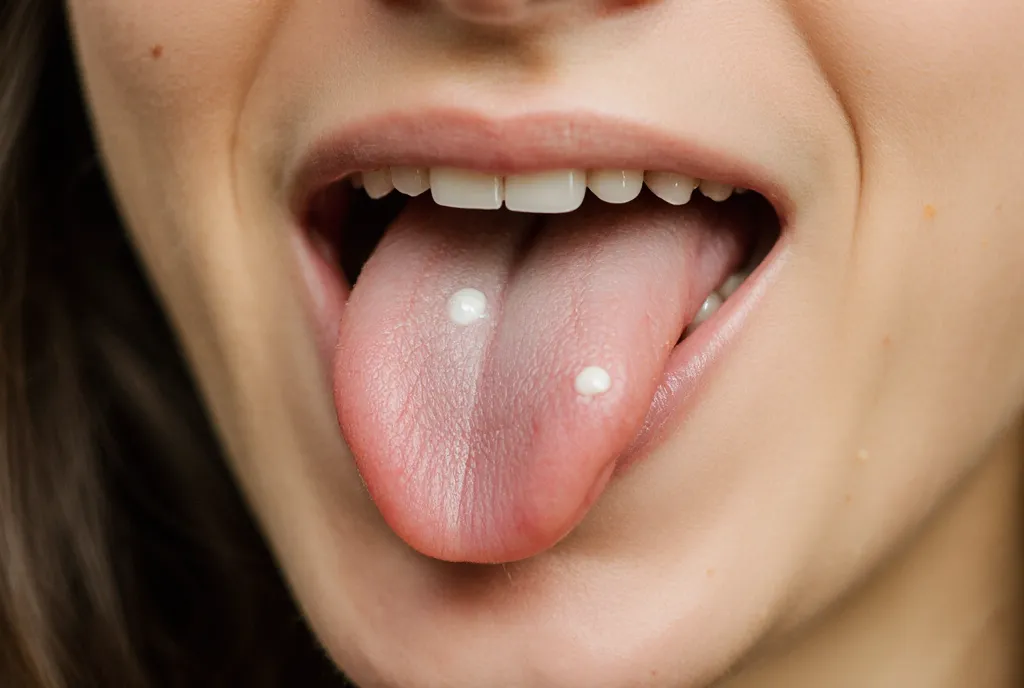
Quick Summary: Popping a lie bump (transient lingual papillitis) on your tongue is strongly discouraged by medical professionals. Attempting to pop these bumps can introduce bacteria, cause infection, increase pain, and lead to secondary trauma. These inflamed papillae typically heal on their own within 1-3 days without intervention.
That painful red or white bump on your tongue showed up overnight. It’s annoying, tender, and interfering with eating. The temptation to pop it can be overwhelming.
But here’s the thing—what seems like a simple solution could make everything worse.
Lie bumps, medically known as transient lingual papillitis, affect the small fungiform papillae that cover the surface of the tongue. These tiny projections contain taste buds and nerve endings, making them particularly sensitive to trauma.
Understanding what actually happens when you pop one of these bumps can save you from unnecessary pain and potential complications.
What Are Lie Bumps (Transient Lingual Papillitis)?
Transient lingual papillitis affects the fungiform papillae on the tongue, causing small, painful bumps that appear suddenly. These papillae are the tiny round projections covering the top and sides of the tongue.
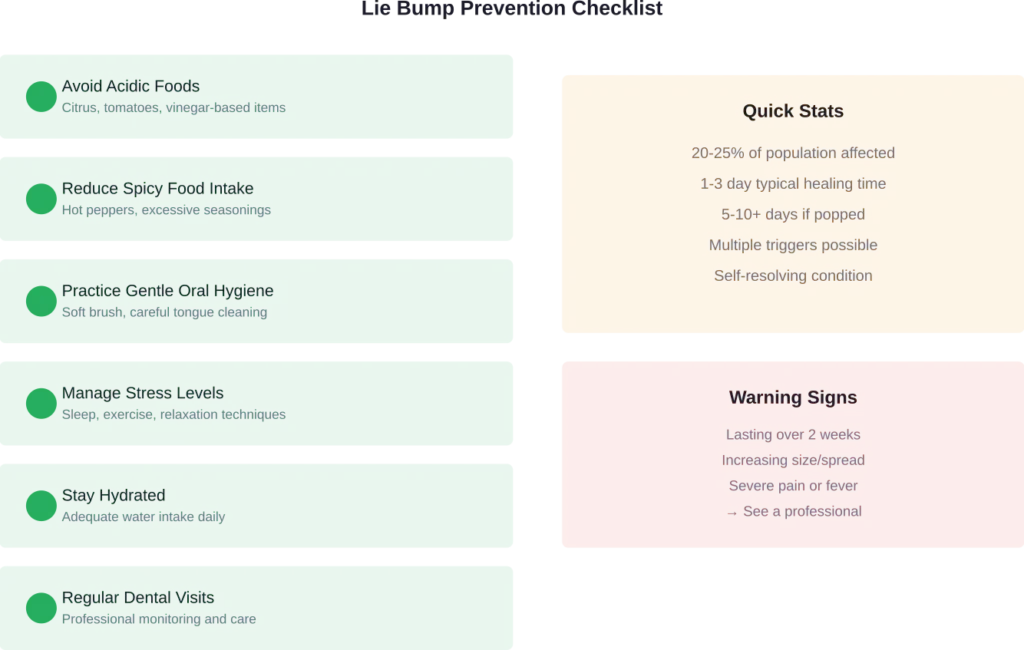
The condition affects approximately 20-25% of the population according to academic sources, though prevalence estimates vary by study. Most people experience these bumps at some point in their lives.
The bumps typically present as:
- Small red or white raised areas
- Tender or painful to touch
- Located on the tongue tip or sides
- Sudden onset without warning
- Single bump or multiple clusters
Despite the folklore suggesting these bumps appear after telling lies (hence the name), they have nothing to do with dishonesty. The exact cause remains somewhat unclear, though several triggers are recognized by medical professionals.
Why You Shouldn’t Pop a Lie Bump
The oral cavity is continuously subjected to trauma and chemical agents, according to StatPearls medical literature. Adding intentional trauma by popping a bump significantly increases risks.
Here’s what actually happens when you attempt to pop a lie bump:
Bacterial Introduction and Infection Risk
The mouth contains numerous bacteria species. Breaking the surface of an inflamed papilla creates an open wound that allows bacteria to enter deeper tissue layers.
Capnocytophaga bacteria are found in the mouths of dogs and cats and can cause infections if introduced through wounds. While serious infections from tongue bumps are rare, the risk increases with deliberate trauma.
Increased Pain and Inflammation
Popping a lie bump doesn’t relieve pain—it intensifies it. The fungiform papillae contain dense nerve endings that transmit taste and touch sensations.
Physical trauma to already inflamed tissue triggers additional inflammatory responses. The area becomes more swollen, more painful, and takes longer to heal than if left alone.
Secondary Trauma and Complications
Physical and chemical lesions of the oral mucosa frequently occur during routine activities. Adding intentional trauma compounds the problem.
Secondary trauma from popping can lead to:
- Traumatic ulcers that persist longer than the original bump
- Bleeding from damaged blood vessels
- Scar tissue formation in severe cases
- Chronic irritation from repeated picking
Research on oral mucosal trauma indicates that chronic irritation can lead to more serious conditions, though this typically requires prolonged trauma over extended periods.
Delayed Healing Time
Transient lingual papillitis typically resolves within 1-3 days without intervention. Popping the bump extends this timeline significantly.
The body must now heal both the original inflammation and the additional trauma. This doubles the recovery work required.

What Causes Lie Bumps to Form
Understanding triggers helps prevent future occurrences. While the exact mechanism behind transient lingual papillitis remains unclear, several common causes are recognized.
Common Triggers
Something irritates the fungiform papillae, causing localized inflammation. Common triggers include:
- Acidic foods (citrus fruits, tomatoes, vinegar)
- Spicy foods containing capsaicin
- Physical trauma from biting the tongue
- Stress and hormonal fluctuations
- Food sensitivities or allergies
- Viral infections in some cases
According to research, recurrent aphthous stomatitis (canker sores) affects approximately 1 in 5 individuals or 20-25% of the population. While lie bumps differ from aphthous ulcers, they share some common triggers.
Less Common Causes
Certain conditions can present with tongue bumps that resemble lie bumps but require different treatment:
- Oral candidiasis (fungal infection)
- Viral infections affecting oral mucosa
- Nutritional deficiencies (B vitamins, iron)
- Autoimmune conditions
Persistent bumps lasting longer than two weeks warrant dental or medical evaluation to rule out other conditions.
Safe Treatment Alternatives That Actually Work
Real talk: lie bumps don’t need aggressive intervention. They resolve naturally with minimal care.
Immediate Relief Measures
These approaches provide comfort without causing additional trauma:
- Rinse with warm salt water (1/2 teaspoon salt in 8 oz water)
- Apply ice chips to numb the area temporarily
- Use over-the-counter oral gels containing benzocaine
- Avoid acidic, spicy, or rough-textured foods
- Maintain excellent oral hygiene without aggressive brushing
What to Avoid During Healing
Certain habits slow healing and increase discomfort:
- Don’t touch or pick at the bump
- Avoid alcohol-based mouthwashes that cause stinging
- Skip extremely hot beverages that irritate tissue
- Don’t apply aspirin directly to the bump (aspirin is acidic and induces protein coagulation, burning surrounding mucosa when applied topically)
| Treatment Approach | Effectiveness | Healing Time | Risk Level |
|---|---|---|---|
| Natural healing (no intervention) | High | 1-3 days | None |
| Salt water rinses | High (comfort) | 1-3 days | None |
| OTC oral gels | Moderate (pain relief) | 1-3 days | Low |
| Popping/squeezing | None (worsens) | 5-10+ days | High (infection, trauma) |
When to See a Dental or Medical Professional
Most lie bumps don’t require professional intervention. But certain signs indicate something more serious.
Seek professional evaluation if you experience:
- Bumps persisting longer than two weeks
- Increasing size or spreading to other areas
- Severe pain that interferes with eating or speaking
- Fever or signs of systemic infection
- Recurrent outbreaks affecting quality of life
- White patches that don’t rub off
- Ulcerations that appear instead of bumps
While oral cancer represents a small percentage of tongue lesions, persistent non-healing oral lesions should be evaluated by a healthcare provider. Early detection significantly improves outcomes for serious conditions.
Diagnostic Considerations
Healthcare providers evaluate persistent tongue bumps through:
- Visual examination of the oral cavity
- Patient history regarding onset and triggers
- Assessment of other symptoms
- Biopsy in rare cases of concerning lesions
Research on ulcerated oral lesions indicates that detailed patient history is critical in assessing oral conditions and determining appropriate treatment.
Prevention Strategies for Future Lie Bumps
While not all lie bumps are preventable, certain strategies reduce occurrence frequency.
Dietary Modifications
Track which foods trigger bumps. Common culprits include highly acidic or spicy items. Gradual elimination helps identify personal triggers.
Stress Management
Stress can manifest in oral symptoms. Managing stress through regular exercise, adequate sleep, and relaxation techniques may reduce outbreaks.
Oral Hygiene Practices
Maintaining excellent oral care without trauma is key:
- Use a soft-bristled toothbrush
- Gentle brushing technique on tongue surface
- Regular dental checkups for overall oral health
- Avoid tobacco products that irritate oral mucosa
Frequently Asked Questions
While permanent damage is unlikely from a single incident, repeated trauma to tongue papillae can potentially cause scarring or chronic changes to the tissue. The oral mucosa generally heals well, but introducing infection through popping creates unnecessary risks. Natural healing is always the safer approach.
Most lie bumps resolve completely within 1-3 days without any intervention. Some may persist for up to a week, but bumps lasting longer than two weeks should be evaluated by a dental or medical professional to rule out other conditions.
Standard transient lingual papillitis is not contagious. However, a variant called eruptive lingual papillitis can occur in clusters among family members or children and may have a viral component. If multiple people develop tongue bumps simultaneously, this variant is more likely.
Lie bumps are inflamed fungiform papillae appearing as small raised bumps on the tongue surface. Canker sores (aphthous ulcers) are shallow ulcerations with white or yellow centers and red borders that can occur anywhere in the mouth, including under the tongue or on inner cheeks. Canker sores typically take 7-14 days to heal.
Deficiencies in B vitamins, iron, or zinc can cause various tongue abnormalities including inflammation, soreness, and changes in appearance. However, these typically present differently than transient lingual papillitis. Persistent or recurrent tongue issues may warrant nutritional evaluation.
Gentle salt water rinses are safer than commercial mouthwashes. Many mouthwashes contain alcohol that stings inflamed tissue and can delay healing. If using commercial mouthwash, choose alcohol-free formulations and dilute them further if they cause discomfort.
Stress is recognized as a potential trigger for various oral conditions. While the mechanism isn’t completely understood, stress can affect immune function and inflammatory responses, potentially contributing to lie bump formation. Managing stress may reduce frequency in people prone to recurrent bumps.
The Bottom Line on Popping Lie Bumps
Popping a lie bump creates more problems than it solves. The temptation is understandable—that bump is annoying and painful.
But the reality is clear: intentional trauma introduces infection risk, increases pain, damages surrounding tissue, and significantly extends healing time.
These small inflamed papillae are designed to heal on their own within days. Supporting that natural process through gentle care, salt water rinses, and avoiding irritants produces the fastest, safest results.
If tongue bumps become a recurring issue or persist beyond two weeks, schedule an evaluation with a dental professional. They can determine whether an underlying condition requires attention and provide targeted treatment recommendations.
Your tongue has remarkable healing capabilities. The best approach? Let it do what it does best—naturally.