
Quick Summary: If you don’t pay Klarna, the company will retry payment collection, add missed amounts to your next installment, and charge late fees (typically capped at two per order). Continued non-payment leads to debt collection, credit bureau reporting, and account suspension until the balance is cleared.
Missing a Klarna payment isn’t the end of the world, but it does trigger a specific sequence of events. Understanding what happens can help you avoid the worst consequences and take action before things escalate.
Here’s the reality: Klarna operates as a legitimate credit provider, which means unpaid debts don’t just disappear.
The Immediate Consequences of Missing a Klarna Payment
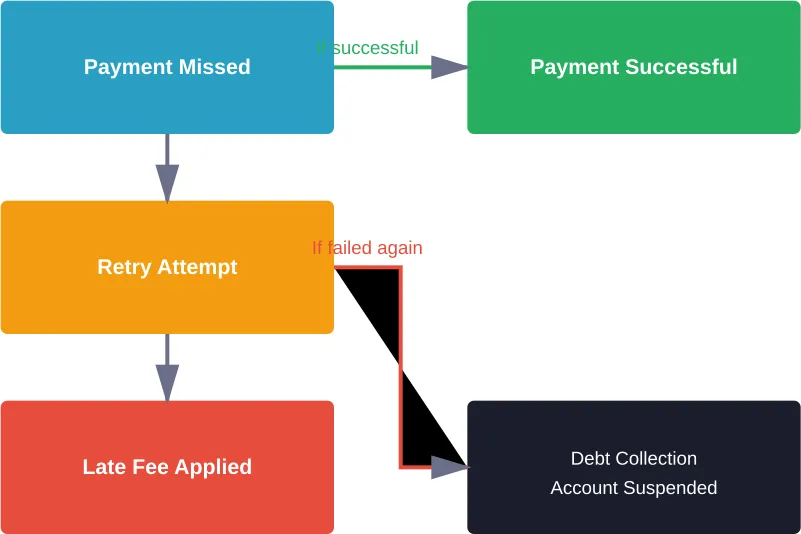
According to the official Klarna website, when a scheduled payment fails, the company attempts collection again. If that second attempt also fails, the missed payment gets rolled into your next scheduled installment.
Late fees may apply. In the UK, late fees are typically £5 per missed payment, or up to 25% of the order value for smaller purchases, capped at two fees per order.
When Debt Collection Gets Involved
If payment isn’t registered by the last reminder due date, Klarna transfers the debt to a collection agency. According to their official help center, you can still pay Klarna directly even after collection begins—your balance updates regardless of which entity receives payment.
The Federal Trade Commission warns that buy now, pay later services can lead consumers into debt cycles, particularly younger users without established credit. Research from Stanford’s Graduate School of Business shows BNPL loan volume among major providers jumped from $8.3 billion in 2020 to $24.2 billion in 2021.
Once in collections, your account is suspended. Klarna explicitly states you cannot make new purchases until the outstanding debt is cleared. Late payments may also be reported to credit bureaus, potentially damaging your credit score.
Payment Extensions and Support Options
Need breathing room? Klarna allows you to extend your payment date once per order through the app. Navigate to Payments, select your order, tap Payment options, and choose Extend due date. (Note: it is not possible to extend the due date for purchases placed with Pay over time.)
The company also launched a Customer Recovery Programme in 2023 that proactively contacts customers with long-overdue balances and offers to waive 50% of the debt. Eligible customers must pay the remaining 50% before making additional purchases and avoid having the debt reported to credit bureaus.
Frequently Asked Questions
Klarna does not offer a formal grace period. If the first automatic payment attempt fails, they retry on the scheduled date and make one further attempt two days later. After that, late fees may apply and the debt process begins.
Late fees are typically £5 per missed payment in the UK, or up to 25% of the order value for smaller purchases, capped at two fees per order. Fees vary by region, so check your order terms for specifics.
Yes, potentially. According to Klarna’s official site, late payments might be reported to credit bureaus, which can negatively impact your credit score. This applies particularly if debts reach collection status.
No. Klarna suspends your account if you have late payments or debt in collection. You can only continue using Klarna after clearing the outstanding balance and receiving approval for a new plan.
Contact Klarna immediately. They offer financial hardship support and may work with you on payment arrangements. Ignoring the debt only makes things worse—proactive communication is crucial.
Klarna transfers unpaid debt to collection agencies. Regarding legal proceedings, consult your local jurisdiction’s laws and your debt collection agreement for details on potential remedies.
Klarna’s Pay in 3 and Pay in 30 products are interest-free, but late fees may apply. The Klarna Card and financing options may have different terms, so review your specific product agreement.
The Bottom Line
Missing Klarna payments triggers a predictable chain: retry attempts, late fees, debt collection, credit reporting, and account suspension. The company does offer extensions and hardship programs, but these require proactive action on your part.
If you’re struggling with payments, contact Klarna’s support team immediately. The earlier you address the issue, the more options you have to avoid the most serious consequences.