
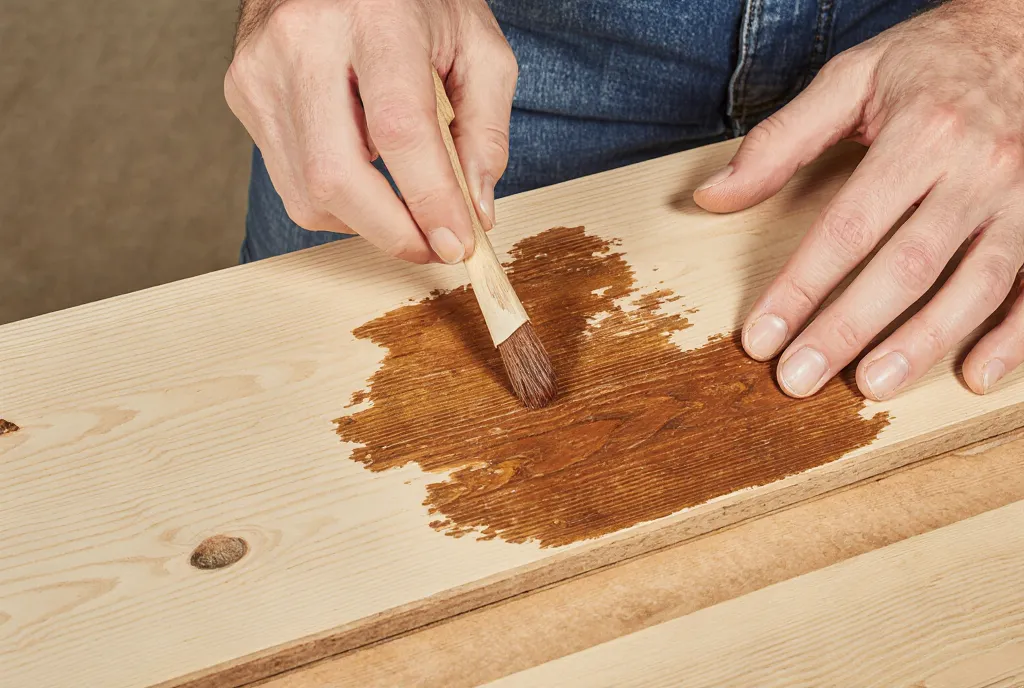
Quick Summary: Staining pressure-treated wood too soon causes the stain to fail within months. High moisture content and preservative chemicals prevent absorption, leading to peeling, blotching, and uneven color. Wait until moisture drops to 15% or lower before applying stain.
Pressure-treated wood is the go-to material for outdoor decks, fences, and pergolas. The chemical preservation process that makes it resistant to rot and insects also creates a critical challenge: timing your stain application correctly.
Rush the process, and the finish fails. Wait too long without protection, and the wood deteriorates faster than it should.
Here’s what actually happens when stain meets wood that isn’t ready yet.
Why Pressure-Treated Wood Needs Time
The treatment process forces preservatives deep into wood fibers under high pressure. This makes the lumber incredibly durable but also saturates it with moisture and chemicals.
Fresh pressure-treated lumber arrives with moisture content often exceeding 50%. The wood remains wet for weeks or months after installation, depending on climate conditions.
Many contractors and DIYers underestimate this drying period. The result? Stain failure that requires stripping and reapplication within a single season.
The Immediate Effects of Premature Staining
When stain hits wood with high moisture content, several problems develop almost instantly:
Poor penetration. The moisture and preservatives inside prevent the stain from absorbing into wood fibers. Instead of soaking in, the stain sits on the surface where it’s vulnerable to weather and foot traffic.
Inconsistent coverage. Some areas might accept stain while others repel it completely. This creates an uneven, blotchy appearance that’s nearly impossible to fix without starting over.
Extended drying times. Even if the stain appears to adhere initially, it won’t cure properly. The finish remains tacky for days or refuses to dry completely.

Long-Term Consequences
The problems compound over weeks and months after premature application:
Peeling and flaking. As the wood continues releasing moisture from beneath the stain layer, the finish separates from the surface. Large sections peel away, exposing bare wood to the elements.
Oil-based stains typically last 3-5 years when applied correctly. Water-based stains provide 1-3 years of protection. Premature application cuts these timelines dramatically—sometimes to just months.
Accelerated wood degradation. The failed stain doesn’t protect the wood. Instead, trapped moisture creates ideal conditions for mildew and rot. The wood grays and deteriorates faster than if it had been left untreated.
Costly do-overs. Fixing premature staining requires removing the failed finish, waiting for proper drying, and reapplying stain. That’s triple the work and expense of doing it right the first time.
How Long Should You Actually Wait?
The answer depends on several factors working together.
Climate conditions play the biggest role. High humidity levels increase drying times significantly. A deck installed in humid summer months might need six months to dry properly. The same installation in dry, warm conditions could be ready in six weeks.
Wood thickness matters too. Thicker lumber holds more moisture and requires longer drying periods than thinner boards.
The target moisture content is 15% or lower before staining. Fresh pressure-treated lumber arrives much wetter than this threshold.
| Climate Condition | Typical Drying Time | Moisture Test Required |
|---|---|---|
| Hot, dry summer | 6-8 weeks | Yes |
| Moderate conditions | 3-4 months | Yes |
| Cool, humid climate | 6+ months | Yes |
| Winter installation | Wait until spring | Yes |
Testing Before You Stain
Don’t rely on calendar dates alone. Test the wood to confirm it’s ready.
The Water Drop Test
Sprinkle water droplets across different sections of the wood surface. If water soaks in within 5-10 minutes, the pores are open and ready for stain. If droplets bead up and sit on the surface, the wood is still too wet or retains too many preservative chemicals.
Moisture Meter Reading
A moisture meter provides precise measurements. Insert the probes into the wood at multiple locations. Readings should consistently show 15% or lower before staining proceeds.
Visual Inspection
Properly dried pressure-treated wood loses its greenish or brownish chemical tint and begins fading to natural gray. This color change indicates the preservatives have settled and moisture has evaporated.

What About Different Stain Types?
The type of stain matters, but it doesn’t eliminate the need for proper drying.
Oil-based stains penetrate deeper into wood fibers and typically last 3-5 years. They require wood that’s completely dry because oil and water don’t mix. Applying oil-based stain to wet wood guarantees failure.
Water-based stains sit more on the surface with less penetration. They last 1-3 years and are somewhat more forgiving of slight moisture, but they still won’t perform on truly wet wood.
| Stain Type | Penetration Depth | Durability | Moisture Tolerance |
|---|---|---|---|
| Oil-Based | Deep into fibers | 3-5 years | Low (must be dry) |
| Water-Based | Surface level | 1-3 years | Slightly higher |
| Semi-Transparent | Moderate | 2-4 years | Moderate |
| Solid Color | Surface coating | 3-5 years | Moderate |
The Right Approach to Staining Treated Wood
Success comes from patience and testing, not rushing.
After installation, allow the wood to weather naturally. Rain, sun, and air circulation work together to draw out moisture and settle preservative chemicals.
Start testing around the six-week mark in favorable conditions, or after three months in typical weather. But don’t assume the calendar tells the full story—always verify with moisture testing.
When tests confirm readiness, clean the wood surface thoroughly. Remove dirt, mildew, and any degraded wood fibers using a deck cleaner designed for pressure-treated lumber.
Let the wood dry completely after cleaning—usually 48 hours minimum. Then apply stain according to manufacturer instructions, working in manageable sections.
Frequently Asked Questions
Waiting time varies from six weeks to six months depending on climate, humidity, and wood thickness. Always test moisture content rather than relying solely on elapsed time. The wood must reach 15% moisture content or lower before staining.
The failed stain must be stripped off using a stain remover or sanding. After removal, allow the wood to dry completely to 15% moisture content, then clean and restain. There’s no shortcut to fixing premature application—it requires starting over.
No. Stain applied to wet wood will continue failing as the lumber releases moisture from below. The finish won’t magically adhere later. The only solution is removal and reapplication after proper drying.
Leaving pressure-treated wood unstained for extended periods allows UV damage and surface degradation. The wood grays and develops raised grain. However, this is reversible with cleaning and sanding before staining. Waiting longer is always better than staining too soon.
No legitimate shortcuts exist to accelerate the natural drying process. The moisture must evaporate gradually, and preservative chemicals need time to settle. Products claiming to speed this process often create additional problems with stain adhesion.
The target is 15% moisture content or lower, verified with a moisture meter. Some sources suggest slightly higher thresholds, but 15% provides the safest margin for successful stain adhesion and performance.
Moisture content varies throughout the lumber, but treating only one side creates uneven protection and doesn’t solve the underlying problem. If testing shows the wood is ready, both exposed surfaces should accept stain. If one side isn’t ready, neither should be stained yet.
The Bottom Line on Staining Timing
Staining pressure-treated wood too soon guarantees expensive failure. The moisture and chemicals inside fresh lumber prevent proper stain adhesion, leading to peeling, blotching, and finish failure within months.
Proper timing requires waiting until moisture content drops to 15% or lower, verified through water drop tests or moisture meter readings. This typically means six weeks to six months after installation, depending on climate conditions.
The investment in patience pays off with a finish that lasts years instead of failing within a single season. Test thoroughly, wait as long as necessary, and apply stain only when the wood is truly ready. The deck, fence, or other structure will look better and last longer with this approach.