
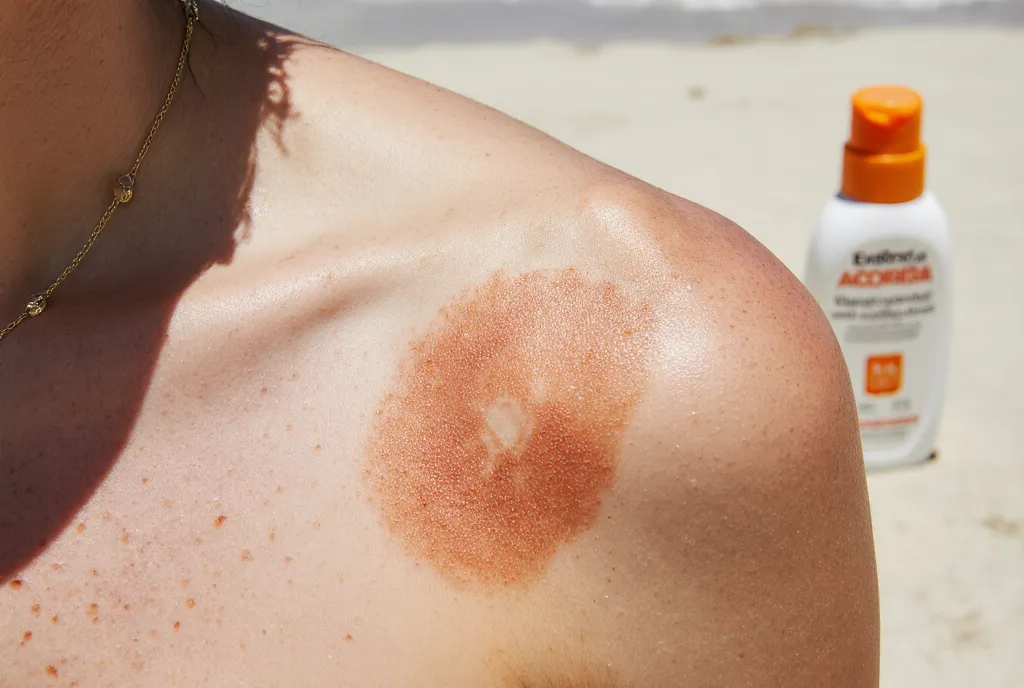
Quick Summary: Using expired sunscreen significantly reduces its effectiveness in protecting your skin from UV radiation. According to the FDA, sunscreen without an expiration date has a shelf life of no more than three years, but exposure to high temperatures can shorten this period. Expired sunscreen may not provide the SPF protection stated on the label, leaving skin vulnerable to sunburn, premature aging, and skin cancer risk.
Sunscreen is one of those products people buy in bulk during summer sales and then forget about. Fast forward to next beach season, and that bottle from last year—or maybe the year before—is still sitting in the cabinet.
But here’s the thing: expired sunscreen doesn’t just lose a little bit of its effectiveness. It can fail completely.
How Long Does Sunscreen Actually Last?
The FDA regulates sunscreens as over-the-counter drugs, which means they must meet specific safety and effectiveness standards. According to FDA guidelines, sunscreen without an expiration date has a shelf life of no more than three years.
Most manufacturers print an expiration date directly on the bottle. That date isn’t arbitrary—it represents the period during which the product maintains its stated SPF protection level.
However, the three-year rule comes with caveats. The Skin Cancer Foundation notes that shelf life can be significantly shorter if sunscreen has been exposed to high temperatures. Leaving bottles in hot cars, direct sunlight, or on the beach can accelerate degradation of the active ingredients.
Factors That Affect Sunscreen Longevity
Storage conditions matter enormously. According to CDC guidelines on sun safety, sunscreen should be stored in cool, dry places away from direct heat sources.
Some specific factors that reduce sunscreen effectiveness include:
- Direct sunlight hitting the container
- Leaving the cap off, which allows oxidation
- Contamination from dirty hands or beach sand
- Repeated opening and closing that introduces air
Water-resistant sunscreens face additional challenges. Once opened and used in water environments, they may degrade faster than the expiration date suggests.
What Actually Happens to Expired Sunscreen
When sunscreen expires, the active ingredients break down chemically. This process affects both mineral and chemical sunscreens, though in different ways.
For chemical sunscreens containing ingredients like avobenzone or oxybenzone, the molecules that absorb UV radiation become less stable over time. They can’t absorb and dissipate UV energy as effectively.
Mineral sunscreens with zinc oxide or titanium dioxide are generally more stable. But research from Oregon State University found that zinc oxide-based formulas can lose effectiveness after prolonged UV exposure—though this study examined active sun exposure over two hours rather than shelf storage.
The Real Risks
Dermatologists at the Skin Cancer Foundation have documented numerous cases of severe sunburns in patients who used expired sunscreen. The product didn’t provide the expected protection level.
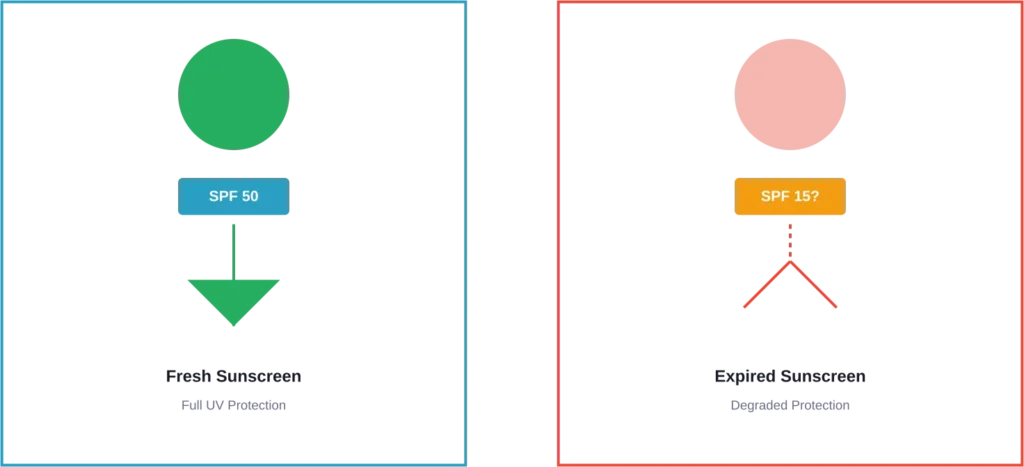
When SPF 50 sunscreen degrades, it doesn’t gradually become SPF 45, then SPF 40. The protection can drop unpredictably and unevenly across different UV wavelengths.
This creates a dangerous false sense of security. People apply what they think is adequate protection, spend hours in the sun, and end up with significant UV damage.
Signs Your Sunscreen Has Gone Bad
Beyond checking the expiration date, physical changes indicate sunscreen has degraded:
| Warning Sign | What It Means | Action Needed |
|---|---|---|
| Separation of ingredients | Chemical breakdown has occurred | Discard immediately |
| Change in color or odor | Oxidation or contamination | Replace the bottle |
| Watery or lumpy texture | Emulsion has broken down | Do not use |
| Crystallization | Active ingredients have degraded | Toss it out |
The American Academy of Dermatology recommends marking purchase dates on sunscreen bottles. If visual inspection raises any concerns, err on the side of caution and replace the product.
Is Expired Sunscreen Better Than Nothing?
This question comes up frequently in dermatology practices. The straightforward answer from medical experts: it’s complicated.
Technically, some degraded protection is better than zero protection. But expired sunscreen creates behavior risk—people may stay in the sun longer than they should, thinking they’re protected when they’re not.
The Skin Cancer Foundation emphasizes that relying on expired sunscreen can be more dangerous than skipping it entirely, because users won’t take other protective measures like seeking shade or wearing protective clothing.
According to CDC sun safety guidelines, sunscreen works best when combined with other protection strategies. When sunscreen effectiveness is questionable, those other strategies become critical.
How to Maximize Sunscreen Shelf Life
Proper storage extends sunscreen longevity significantly. Keep bottles in climate-controlled environments whenever possible.
Here are evidence-based storage tips:
- Store in a cool, dry cabinet away from bathroom humidity
- Never leave sunscreen in vehicles where temperatures can exceed 100°F
- Keep the cap tightly sealed between uses
- Avoid introducing water or contaminants into the bottle
- Consider buying smaller bottles for beach trips to prevent heat exposure
For families that use sunscreen regularly, going through bottles before expiration shouldn’t be difficult. The FDA recommends that most adults need about 1 ounce of sunscreen per application to cover exposed skin—that’s roughly a shot glass full.
If applied correctly at the recommended amount of 1 ounce per application and reapplied every two hours, an 8-ounce bottle provides approximately 8 applications worth of coverage.

What to Do With Old Sunscreen
Don’t just toss expired sunscreen in regular trash if possible. Many municipalities have hazardous waste collection programs that accept old cosmetics and personal care products.
Check local waste management guidelines for proper disposal. Some ingredients in sunscreen can contaminate water supplies if they enter the waste stream improperly.
Before disposing of expired sunscreen, write the disposal date on the bottle. This prevents anyone from accidentally using it.
Frequently Asked Questions
While technically possible, dermatologists strongly advise against it. Expired sunscreen cannot guarantee the SPF protection listed on the label, potentially leaving skin vulnerable to UV damage and increasing skin cancer risk.
According to the FDA, opened sunscreen maintains effectiveness until the printed expiration date if stored properly in cool, dry conditions. However, exposure to heat, light, or contamination can shorten this period significantly.
Yes. The FDA states that even unopened sunscreen has a maximum shelf life of three years from manufacture if no expiration date is printed. Chemical degradation occurs over time regardless of whether the bottle has been opened.
Expired sunscreen itself typically won’t harm skin, but it won’t provide adequate UV protection. This means skin remains vulnerable to sunburn, premature aging, and increased skin cancer risk despite application.
Check the expiration date first. Then examine texture, color, and smell—any separation, discoloration, unusual odor, or texture changes indicate the product has degraded and should be replaced immediately.
Mineral sunscreens with zinc oxide or titanium dioxide are generally more stable than chemical formulations. However, both types have similar three-year shelf lives under FDA regulations and both can degrade faster in poor storage conditions.
Not automatically. Check the expiration date and assess storage conditions. If stored in a cool, dry place and the expiration date hasn’t passed, it should still be effective. If left in a hot garage or car, replacement is recommended regardless of the date.
The Bottom Line on Expired Sunscreen
Skin cancer is the most common cancer in the United States, affecting one in five Americans during their lifetime according to dermatological sources. Effective sun protection is critical.
Using expired sunscreen undermines that protection. The few dollars saved by holding onto old bottles isn’t worth the increased risk of UV damage.
Make sunscreen replacement part of regular health maintenance. Mark purchase dates on bottles, store them properly, and replace them at expiration or sooner if stored in suboptimal conditions.
For maximum protection, the CDC recommends applying broad spectrum sunscreen with at least SPF 15 (SPF 30 or higher for extended outdoor exposure), reapplying at least every two hours, and combining sunscreen use with protective clothing, shade-seeking, and limiting sun exposure during peak UV hours between 10 a.m. and 2 p.m.
Don’t gamble with sun protection. When in doubt about that old bottle, replace it.