
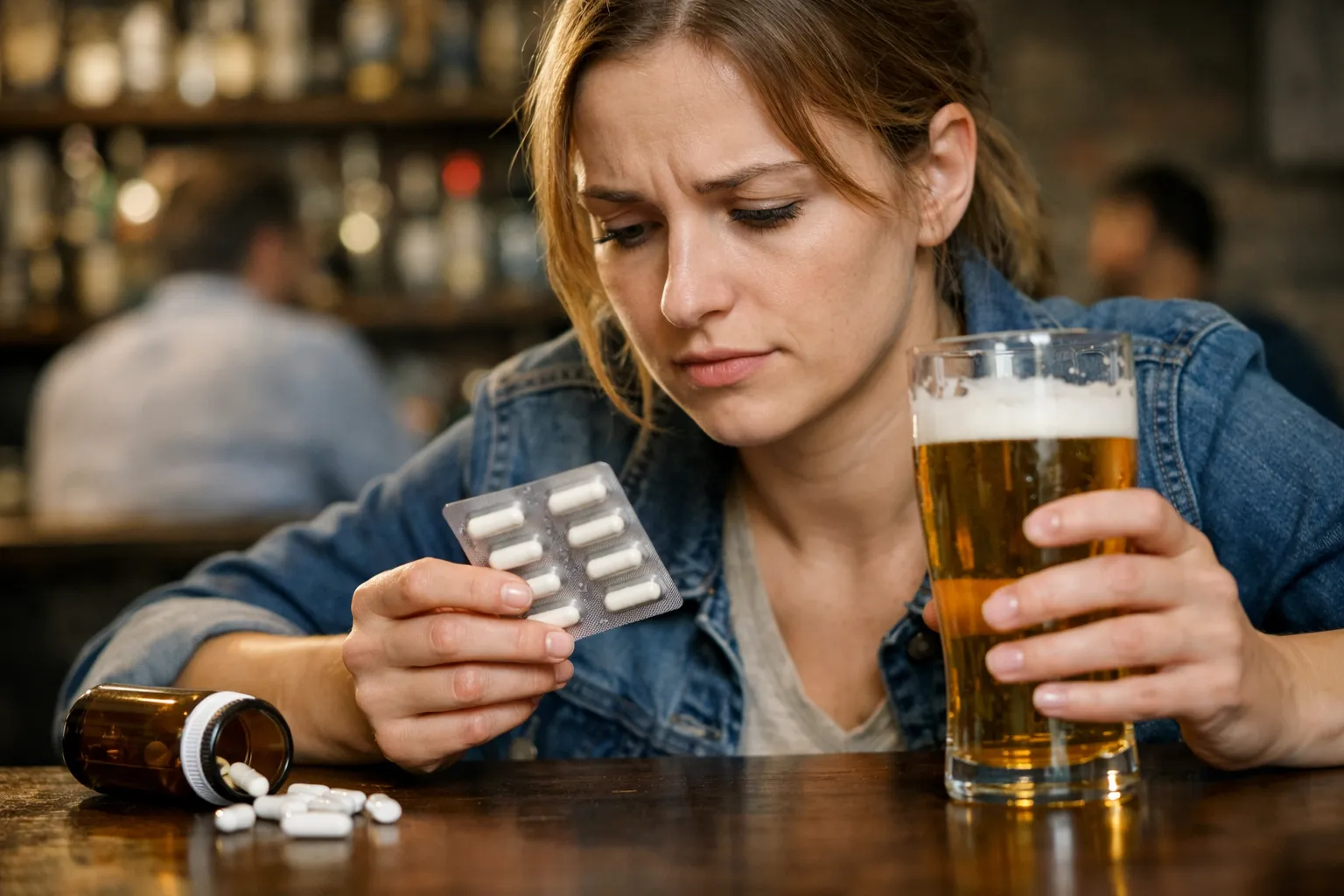
Quick Summary: Drinking alcohol while taking metronidazole 500mg can potentially cause a disulfiram-like reaction with symptoms including flushing, nausea, rapid heartbeat, and abdominal pain. However, recent research suggests this reaction may be less common than traditionally believed, with some studies finding no interaction. Medical professionals recommend avoiding alcohol during treatment and for at least 48-72 hours after the final dose to prevent potential adverse effects.
Metronidazole, commonly sold under the brand name Flagyl, is a widely prescribed antibiotic used to treat various bacterial and protozoal infections. According to the NIH StatPearls database, metronidazole is one of the mainstay drugs for the treatment of anaerobic bacterial infections, protozoal infections, and microaerophilic bacterial infections.
For decades, patients have been warned against consuming alcohol while taking this medication. But what actually happens if someone drinks while on metronidazole 500mg?
The answer is more nuanced than many expect.
The Traditional Warning: Disulfiram-Like Reaction Explained
The standard caution against mixing metronidazole and alcohol stems from concerns about a disulfiram-like reaction. Disulfiram is a medication specifically designed to create an unpleasant response when someone drinks alcohol, used in treating alcohol dependence.
According to research published in the Journal of Pediatric Pharmacology and Therapeutics, when metronidazole combines with alcohol, it’s believed to trigger similar effects through inhibition of aldehyde dehydrogenase enzymes. This inhibition leads to acetaldehyde accumulation in the blood.
Common Symptoms of the Reaction
Reported symptoms of a metronidazole-alcohol interaction include:
- Facial flushing and redness
- Severe nausea and vomiting
- Rapid or irregular heartbeat
- Intense headaches
- Abdominal cramping and pain
- Chest tightness
- Dizziness or lightheadedness
The SAMHSA Treatment Improvement Protocol notes that with actual disulfiram, the time between alcohol ingestion and reaction onset can be as long as 30 minutes. Similar timing would theoretically apply to metronidazole interactions.
Here’s the thing though—recent scientific evidence tells a different story.
What Recent Research Actually Shows
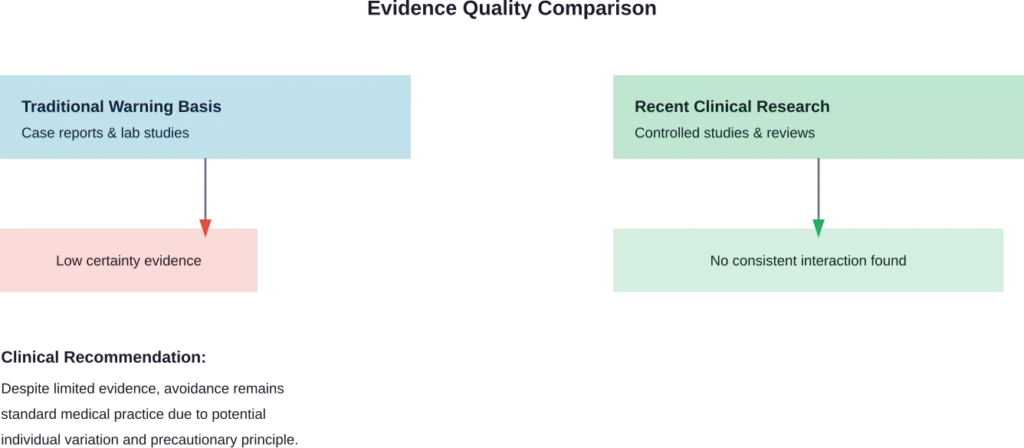
A comprehensive 2020 review published in Antimicrobial Agents and Chemotherapy examined the evidence behind alcohol and antibiotic interactions. The findings challenge conventional warnings.
The review found that many case reports of disulfiram-like reactions with metronidazole had significant limitations. Symptoms reported were equally likely to have been caused by alcohol alone or by known adverse effects of metronidazole itself.
Key Research Findings
Multiple controlled studies have failed to demonstrate a consistent interaction:
- One study showed metronidazole does not affect blood acetaldehyde concentrations when combined with ethanol
- Research found no objective or subjective disulfiram-like properties in controlled settings
- A case series examining patients with recent ethanol use showed lack of disulfiram-like reactions in acute care settings
According to a PubMed-indexed Finnish study, the warning against simultaneous use appears based on laboratory experiments and individual case histories rather than robust clinical evidence.
But wait. Does this mean the warnings are completely unfounded?
Individual Variation and Risk Factors
Research acknowledges that disulfiram-like reactions may occur in specific subgroups through mechanisms not yet fully understood. The challenge is identifying who might be susceptible.
Community discussions and case reports suggest some individuals do experience genuine adverse reactions when combining metronidazole with alcohol, even if controlled studies haven’t consistently replicated these findings.
Factors That May Increase Risk
| Risk Factor | Potential Impact | Consideration |
|---|---|---|
| Higher metronidazole doses | Increased metabolic load | 500mg is a standard therapeutic dose |
| Genetic enzyme variations | Different aldehyde metabolism | Individual enzyme activity varies |
| Liver function impairment | Reduced drug clearance | Both substances metabolized hepatically |
| Amount of alcohol consumed | Greater acetaldehyde production | Larger quantities may trigger reactions |
| Concurrent medications | Multiple drug interactions | Polypharmacy increases complexity |
The alcohol content of prescribed medications is often overlooked. A case report published in the Journal of Pediatric Pharmacology and Therapeutics (2019) documented severe abdominal pain in a 14-year-old patient. The case report documented a possible disulfiram-like interaction from Prednisone Intensol solution containing 30% alcohol.
How Long to Wait After Treatment
According to MedlinePlus, the government’s trusted health information resource, patients should avoid alcohol during metronidazole treatment. But how long after the last dose?
Metronidazole has a half-life of approximately 8 hours in individuals with normal liver function. Medical professionals recommend waiting 48 to 72 hours after the final dose before consuming alcohol.
This waiting period ensures the medication has been sufficiently cleared from the system. MedlinePlus notes that breastfeeding mothers are advised to pump and discard milk for 48 hours after the final dose, suggesting a similar clearance timeline applies broadly.
Clearance Timeline
Real talk: here’s what the elimination looks like.

What to Do If Alcohol Was Consumed
Community discussions reveal that accidental alcohol consumption while on metronidazole happens more often than expected. Someone might forget about the restriction, consume food prepared with alcohol, or receive medication containing ethanol.
If this occurs, monitor for symptoms including:
- Flushing or sudden redness
- Nausea or stomach discomfort
- Rapid heartbeat or palpitations
- Headache or dizziness
- Breathing difficulties
Most symptoms, if they occur, are temporary and resolve as the substances metabolize. Staying hydrated and resting typically helps.
Seek medical attention if experiencing severe symptoms such as chest pain, difficulty breathing, persistent vomiting, or signs of an allergic reaction.
Other Important Metronidazole Considerations
Beyond alcohol interactions, metronidazole carries other important considerations. About 10% of women experience a vaginal yeast infection (vaginal candidiasis) after metronidazole antibiotic treatment.
The medication doesn’t interfere with contraception, including combined pills or emergency contraception. However, vomiting or severe diarrhea lasting more than 24 hours can reduce contraceptive effectiveness.
Common Side Effects
Even without alcohol, metronidazole can cause side effects including:
- Metallic taste in the mouth
- Nausea or decreased appetite
- Headache
- Dark or reddish-brown urine (harmless)
- Furry tongue or mouth irritation
According to NIH data, when administered intravenously, metronidazole should be infused over 30 to 60 minutes, and the solution should not contact aluminum-containing equipment.
MedlinePlus notes that metronidazole can rarely cause peripheral neuropathy—nerve damage causing numbness or tingling in extremities. This risk increases with prolonged use or high doses.
Medical Recommendations and Best Practices
Despite scientific debate about interaction severity, medical consensus remains conservative. Healthcare providers universally recommend avoiding alcohol during metronidazole treatment.
This precautionary approach makes sense given:
- Individual variation in drug metabolism
- Unpredictable reaction severity in susceptible individuals
- Potential for serious symptoms in certain cases
- Low burden of temporary alcohol avoidance
According to the NHS, for most infections, you should feel better within a few days of starting metronidazole. For serious swelling including dental infections, the medicine starts working within a few hours, though it may take days to see significant improvement.
Treatment duration typically ranges from 5 to 10 days depending on the infection type. Completing the entire prescribed course is essential, even if symptoms improve earlier.
Frequently Asked Questions
Medical professionals recommend complete alcohol avoidance during treatment. Even small amounts could potentially trigger reactions in susceptible individuals, and there’s no established “safe” threshold. The conservative approach is abstaining entirely until at least 48-72 hours after the final dose.
Severity varies significantly. Some individuals report no symptoms despite consuming alcohol while on metronidazole, while others experience intense nausea, vomiting, rapid heartbeat, and severe abdominal pain. Recent research suggests the reaction may be less common than traditionally believed, but when it occurs, symptoms can be genuinely distressing.
Topical and vaginal metronidazole formulations result in much lower systemic absorption compared to oral tablets. According to the NIH StatPearls database, the topical application gel is 0.75% and 37.5 mg per applicator. While systemic levels are minimal, manufacturers still recommend avoiding alcohol as a precautionary measure during treatment.
Small amounts of alcohol in over-the-counter products could theoretically cause reactions. The case report documented a possible disulfiram-like interaction from Prednisone Intensol solution containing 30% alcohol. Check product labels and choose alcohol-free alternatives when possible during treatment.
Metronidazole has a half-life of approximately 8 hours in individuals with normal liver function. After five half-lives—roughly 40 hours—about 97% of the drug is eliminated. Medical guidance recommends waiting 48-72 hours after the last dose before consuming alcohol to ensure adequate clearance.
Research hasn’t shown that alcohol reduces metronidazole’s effectiveness against bacterial or protozoal infections. The concern is adverse reactions, not reduced therapeutic benefit. However, alcohol can weaken immune function generally, potentially slowing recovery from infection.
Monitor for symptoms including flushing, nausea, rapid heartbeat, headache, or abdominal pain. Stay hydrated and rest. Most reactions, if they occur, are self-limiting and resolve within hours. Seek medical attention for severe symptoms like chest pain, difficulty breathing, or persistent vomiting.
The Bottom Line
The relationship between metronidazole 500mg and alcohol remains somewhat controversial in medical literature. Traditional warnings emphasize serious disulfiram-like reactions, while recent controlled research questions the consistency and mechanism of these interactions.
What’s clear is that individual responses vary. Some people tolerate the combination without issues, while others experience genuine and unpleasant reactions.
Given this uncertainty and the potential for severe symptoms in susceptible individuals, the medical community maintains conservative guidance: avoid alcohol during metronidazole treatment and for 48-72 hours afterward.
This precautionary approach carries minimal downside—temporary abstinence from alcohol—while protecting against potentially serious adverse effects. When prescribed metronidazole, discuss any concerns about alcohol interactions with the prescribing healthcare provider, especially for individuals with alcohol dependence who may need additional support during treatment.
Sound familiar? The safest course is simple: complete the antibiotic course first, wait the recommended period, then resume normal alcohol consumption if desired.