
Quick Summary: Using Ozempic after 56 days from first use is not recommended because the medication loses potency and effectiveness. While not necessarily dangerous, expired semaglutide may fail to control blood sugar properly or support weight loss, potentially causing symptoms to return. The 56-day rule applies after the pen is first used, regardless of refrigeration.
There’s a specific reason why Ozempic pens come with that 56-day expiration window. And it’s not just pharmaceutical companies being overly cautious.
When semaglutide sits in an opened pen beyond those 56 days, the medication begins breaking down. The molecular structure changes. What was once a precise dose becomes increasingly unreliable.
This creates a real problem for anyone depending on Ozempic for diabetes management or weight loss. You’re injecting something, sure. But what you’re getting isn’t what the label promises.
Here’s what actually happens when that deadline passes.
Understanding the 56-Day Rule for Ozempic
The 56-day countdown starts the moment you use your Ozempic pen for the first time. Not when you buy it. Not when you open the package. When that needle first punctures the seal.
Before first use, an unopened Ozempic pen remains stable for up to 36 months when refrigerated properly. But once you’ve used it? The clock starts ticking.
This isn’t arbitrary. Semaglutide is a biologic medication—a complex protein-based compound that’s inherently less stable than traditional small-molecule drugs. GLP-1 receptor agonists like semaglutide require specific storage conditions to maintain effectiveness.
The 56-day window accounts for exposure to temperature fluctuations, light, and the introduction of air into the pen mechanism. All of these factors gradually degrade the medication’s potency.

What Happens to Semaglutide After 56 Days
The medication doesn’t suddenly become toxic or dangerous. That’s not how biologics typically fail.
Instead, expired semaglutide loses effectiveness. The molecular degradation means each dose delivers less active ingredient than the label indicates. If your prescription calls for 1 mg of semaglutide, you might be getting 0.7 mg. Or 0.5 mg. There’s no way to know exactly.
This potency loss happens gradually, not all at once. Community discussions from patients reveal that some people don’t notice immediate changes when using Ozempic slightly past the 56-day mark. But that doesn’t mean the medication is working properly.
Blood Sugar Control Deterioration
For people using Ozempic to manage type 2 diabetes, reduced potency means reduced blood glucose control. The medication might not suppress glucagon release as effectively. It won’t stimulate insulin production as robustly.
Blood sugar levels can creep upward. Not dramatically at first. But consistently higher readings signal that the medication isn’t performing its job.
Maintaining consistent therapeutic levels is essential for effective diabetes management with GLP-1 receptor agonists. When medication potency becomes unreliable, so does glycemic control.
Weight Loss Effectiveness Declines
Semaglutide works for weight loss by slowing gastric emptying and reducing appetite. When the medication degrades, these effects diminish.
Patients using expired semaglutide may notice increased hunger returning. The feeling of fullness after meals doesn’t last as long. Weight loss plateaus or reverses.
The impact varies between individuals, but the underlying mechanism remains the same—less active medication means weaker therapeutic effects.
Safety Risks of Using Ozempic Beyond Expiration
Here’s the thing though—using expired Ozempic isn’t likely to cause acute harm in most cases. Degraded semaglutide doesn’t typically produce dangerous breakdown products.
But that doesn’t mean there aren’t risks.
| Risk Category | Potential Impact | Severity |
|---|---|---|
| Reduced Effectiveness | Inadequate blood sugar control, minimal weight loss | High |
| Symptom Return | Diabetes symptoms, increased appetite, weight regain | Moderate to High |
| Dosing Confusion | Uncertain actual medication amount received | Moderate |
| False Security | Believing medication is working when it’s not | Moderate |
| Contamination | Bacterial growth in old pens (rare but possible) | Low to Moderate |
The False Security Problem
This is where things get tricky. You’re still injecting. You’re following your routine. But the medication isn’t delivering the expected therapeutic benefit.
For diabetes management, this false security can lead to uncontrolled hyperglycemia over time. For weight loss patients, it means wasted time and potential weight regain without understanding why.
The problem isn’t always obvious immediately. Blood sugar doesn’t spike overnight. Weight doesn’t suddenly jump back. The changes creep in gradually, making them harder to attribute to medication failure.
What About Contamination?
While less common, bacterial contamination becomes a theoretical concern with old medication pens. Each injection introduces a potential pathway for microorganisms.
Generally speaking, the preservatives in Ozempic pens prevent bacterial growth during the intended 56-day use period. Beyond that window? The preservative effectiveness may decline, especially if the pen has been stored improperly or exposed to temperature fluctuations.
Storage Rules That Actually Matter
Proper storage extends medication viability up to that 56-day limit. Improper storage accelerates degradation and can shorten the effective lifespan.
Before first use, Ozempic must stay refrigerated between 36°F and 46°F (2°C to 8°C). This keeps the medication stable for up to three years until the printed expiration date on the pen.
After first use, the rules change slightly. The pen can be stored either refrigerated or at room temperature (up to 86°F or 30°C) for those 56 days. But it must be protected from light and never frozen.

Temperature Fluctuations Accelerate Breakdown
Leaving Ozempic in a hot car, even briefly, can damage the medication. Same with accidental freezing—frozen semaglutide cannot be used, even after thawing.
Many experts suggest keeping the pen consistently refrigerated after first use, even though room temperature storage is technically allowed. Refrigeration provides more stable conditions and minimizes degradation risk.
That said, Ozempic tolerates brief temperature excursions during travel or daily handling. The medication won’t fail instantly if it sits at room temperature for a few hours.
Tracking Your First-Use Date
Mark the date you first use each pen directly on the label. Use a permanent marker. Write clearly.
This simple step prevents confusion about when the 56-day window expires. Without documentation, it’s easy to lose track, especially if you’re juggling multiple medications or have gaps in your injection schedule.
Some patients set calendar reminders for day 56. Others use medication tracking apps. Whatever method works, the key is consistency.
What to Do If You’ve Used Expired Ozempic
So you accidentally used an Ozempic pen past 56 days. Now what?
First, don’t panic. A single dose of slightly expired semaglutide won’t cause immediate harm for most people. The main concern is reduced effectiveness, not acute toxicity.
But you should take action:
- Discard the expired pen immediately in a proper sharps container
- Contact your healthcare provider to report the situation
- Monitor your blood sugar more frequently if you have diabetes
- Watch for return of symptoms the medication was controlling
- Get a fresh prescription if needed
Your doctor might recommend additional blood glucose monitoring or adjustments to your treatment plan. For weight loss patients, they may suggest resuming the previous dose or adjusting the schedule.
When Healthcare Providers Make Exceptions
In situations involving medication shortages with no alternatives available, healthcare providers may weigh the risks and benefits of extending use. This decision should only come from your prescribing physician, never self-directed. And it’s becoming less common as semaglutide availability has improved since the shortages of 2023-2024.
Comparing Ozempic to Other GLP-1 Medications
Different GLP-1 receptor agonists have different stability profiles and storage requirements. Understanding these differences helps if you’re considering alternatives or managing multiple medications.
| Medication | Dosing Frequency | After First Use | Missed Dose Rule |
|---|---|---|---|
| Ozempic (semaglutide) | Once weekly | 56 days (refrigerated or room temp) | Take if ≥2 days until next dose |
| Wegovy (semaglutide) | Once weekly | 56 days (refrigerated or room temp) | Take if ≥2 days until next dose |
| Dulaglutide | Once weekly | 14 days (refrigerated only) | For dulaglutide: If ≥3 days (72 hours) until next scheduled dose, administer as soon as possible. If <3 days, skip the missed dose and administer on next scheduled day. |
| Lixisenatide | Once daily | 14 days | Take within 1 hour before next meal |
Notice that dulaglutide has a much shorter beyond-use date—just 14 days after first use. Lixisenatide is the same. Semaglutide’s 56-day window is actually relatively generous among GLP-1 medications.
Wegovy, which contains the same active ingredient as Ozempic but at higher doses for weight management, follows identical storage rules. Both are semaglutide formulations, so their stability characteristics match.
Signs Your Ozempic May Have Lost Effectiveness
Real talk: How do you know if your medication has degraded before the 56-day mark?
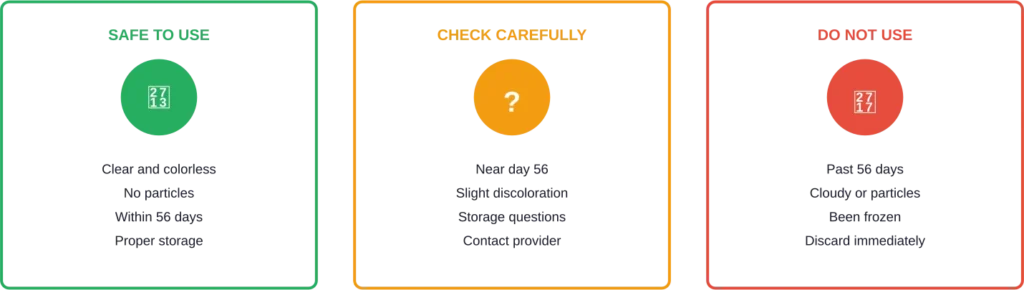
Visual inspection provides the first clue. Ozempic should be clear and colorless. If the solution appears cloudy, discolored, or contains particles, don’t use it. These changes indicate breakdown or contamination.
Beyond appearance, clinical signs include:
- Rising fasting blood glucose levels without other explanation
- Increased hunger or reduced satiety after meals
- Weight loss plateau or reversal
- Return of diabetes symptoms like excessive thirst or frequent urination
- Diminished side effects (which paradoxically can indicate reduced potency)
That last point surprises some people. If you’ve been experiencing mild nausea with each dose and it suddenly disappears, that might mean the medication is degrading, not that your body has adjusted.
When Storage Goes Wrong
Certain storage mistakes produce obvious signs. Frozen Ozempic often develops ice crystals visible in the pen. Once thawed, the solution may appear different.
Extreme heat exposure can cause similar changes. If the solution looks different than when you started using the pen, that’s a red flag regardless of how many days have passed.
Financial Implications of Expired Medication
Ozempic isn’t cheap. Depending on insurance coverage, a single pen can cost hundreds of dollars out of pocket. Throwing away medication feels wasteful.
But using degraded medication is worse. You’re essentially paying full price for partial effectiveness. For diabetes management, poor glycemic control can lead to complications that cost far more than replacement medication.
Some strategies help minimize waste:
- Order refills timed to your actual usage pattern, not automatically every 30 days
- Store pens properly to maximize the 56-day window
- Track first-use dates meticulously to avoid confusion
- Communicate with your pharmacy about vacation or treatment breaks
If you frequently have leftover medication expiring, discuss dosing adjustments with your provider. Perhaps your prescription needs modification.
Frequently Asked Questions
While not immediately dangerous, using Ozempic beyond 56 days means the medication’s potency has likely declined. The active ingredient degrades over time, making each dose less effective at controlling blood sugar or supporting weight loss. It’s best to discard the pen after 56 days and start a fresh one, even if liquid remains.
No. The 56-day limit applies whether the pen is refrigerated or stored at room temperature after first use. Refrigeration may slow degradation slightly, but the manufacturer’s beyond-use date remains 56 days regardless of storage temperature. Proper refrigeration ensures the medication remains effective during those 56 days, not beyond them.
Frozen Ozempic must be discarded and cannot be used, even after thawing. Freezing damages the semaglutide protein structure, making the medication ineffective and potentially unsafe. If you see ice crystals in the pen or know it was exposed to freezing temperatures, dispose of it in a sharps container and contact your pharmacy for a replacement.
Inspect the solution visually. Ozempic should always be clear and colorless. If it appears cloudy, discolored, contains particles, or looks different than when you first used it, don’t inject it. Additionally, if you notice reduced effectiveness—like rising blood sugar levels or increased hunger—the medication may have degraded due to improper storage.
Yes, both contain semaglutide and have identical storage requirements and beyond-use dates. Both must be discarded 56 days after first use. Wegovy contains higher doses for weight management, but the medication stability and expiration rules are the same because they’re the same active compound.
Without knowing the first-use date, there’s no reliable way to determine if the pen is still within the 56-day window. The safest approach is to discard the pen and start fresh with a new one, marking the first-use date clearly. Going forward, always mark the date immediately when first using any medication pen.
Pharmacists cannot legally extend manufacturer expiration dates. During medication shortages, healthcare providers may offer individualized guidance about medication use, but extending beyond-use dates requires specific authorization and is uncommon. If facing shortages, contact your prescriber to discuss alternative treatment options rather than extending expired medication use on your own.
The Bottom Line on Using Ozempic After 56 Days
The 56-day rule exists for good reason. Semaglutide is a biologic medication with inherent stability limitations that manufacturers have thoroughly tested.
Using Ozempic beyond that window won’t typically cause immediate harm. But it compromises treatment effectiveness, potentially leading to uncontrolled blood sugar, weight regain, or symptom return.
Proper storage extends medication viability up to that 56-day limit. Mark first-use dates clearly. Refrigerate when possible. Protect from temperature extremes and light.
If you’ve accidentally used expired medication, contact your healthcare provider. Monitor your symptoms more closely. Get a fresh prescription.
And if you’re frequently discarding unused medication, that signals a conversation needed with your doctor about dosing, prescription timing, or treatment adjustments. Medication waste often points to misalignment between prescription patterns and actual usage.
The goal isn’t just to use medication—it’s to use medication that works. After 56 days, Ozempic can’t reliably deliver that therapeutic benefit. Better to discard it and start fresh than to continue treatment with degraded effectiveness.
Have questions about your specific situation? Consult your prescribing physician or pharmacist. They can provide personalized guidance based on your treatment plan and health needs.