
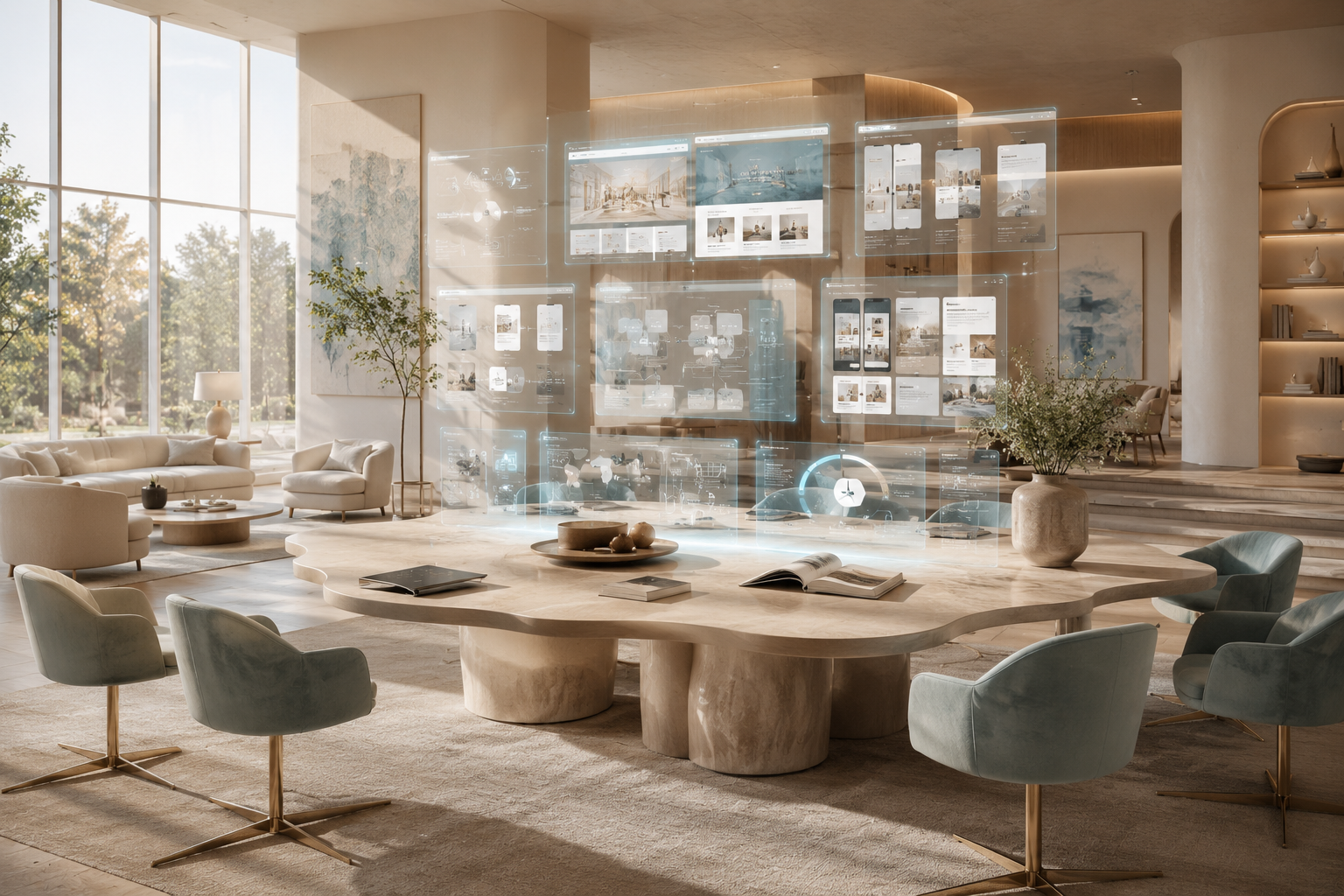
Quick Summary: Finding an affordable web design agency that delivers quality work is possible in 2026. This guide reviews 15 reputable agencies known for creating professional websites without premium price tags, covering their specializations, strengths, and what makes each one a smart choice for businesses seeking cost-effective design solutions.
A professional website isn’t optional anymore. It’s the first impression most potential customers get of any business, and that impression needs to be good.
But here’s the challenge: quality web design often comes with hefty price tags that put it out of reach for many businesses. The good news? Affordable doesn’t have to mean low-quality.
The web design industry has matured significantly. More agencies now offer professional services at accessible price points, making it possible for businesses of all sizes to get websites that actually work.
This guide examines 15 web design companies that have built reputations for delivering solid results without requiring enterprise-level budgets. These aren’t template mills or fly-by-night operations—they’re established agencies with portfolios, processes, and teams capable of handling real business needs.
What Makes a Web Design Agency “Affordable”?
Affordability is relative. What seems expensive to a solo entrepreneur might be a bargain for a growing company.
When most businesses talk about affordable web design, they’re typically looking at the mid-market range—somewhere between bargain-basement freelancers and premium agencies that charge six figures for a single project.
Industry analyses indicate that professional web design projects typically fall between a few thousand and several tens of thousands of dollars, depending on complexity and scope. For most small to mid-sized businesses, the sweet spot sits in that middle range where quality meets reasonable investment.
Affordable agencies share common characteristics: they’ve streamlined their processes, they often specialize in particular platforms or industries, and they balance custom work with proven frameworks that reduce development time.
They also tend to be transparent about their approach, maintain manageable team sizes, and focus on delivering measurable results rather than chasing design awards.
The 15 Best Affordable Web Design Companies in 2026
These agencies represent different specializations, approaches, and strengths. What they share is a track record of delivering professional web design services without premium pricing.
1. Lengreo
Lengreo serves as a complete marketing and tech partner for businesses seeking integrated digital growth. They combine strategy with hands-on execution to deliver results across multiple channels.
The agency stands out through its data-focused approach to B2B lead generation and conversion optimization. They build campaigns and digital assets that directly impact client acquisition and sales pipelines rather than focusing solely on vanity metrics.
Lengreo offers website development services alongside full-spectrum digital marketing. Their team creates e-commerce sites, business websites, landing pages, and portfolio platforms designed to drive measurable business outcomes.
Their process begins with discovery, business analysis, and research, followed by prototyping, development, quality assurance, and ongoing support. This structured yet flexible workflow helps clients achieve goals such as higher conversion rates and lower cost per lead.
Contact Information:
- Website: Lengreo.com
- Phone: +31 686 147 566
- Email: [email protected]
- Address: Vrijstraat 9 C/D, 5611 AT Eindhoven, Netherlands
- LinkedIn: Lengreo
- Twitter: @Lengreo
- Instagram: @lengreo
2. Gilzor
Gilzor specializes in custom software development with a strong emphasis on building digital products that users and investors respond to positively. They treat websites and applications as complete business tools rather than isolated projects.
The company excels at full-cycle development that includes UI/UX design focused on improving conversion rates, thorough quality assurance, and go-to-market strategy support. This comprehensive method helps turn ideas into functional, market-ready solutions.
Gilzor works with startups, small and medium businesses, and product studios across various industries. Their expertise covers web development, mobile applications, and digital platforms that solve real operational and customer-facing challenges.
Their team follows a user-centric approach to design and development, delivering scalable web and mobile solutions backed by research, prototyping, testing, and post-launch maintenance for long-term performance.
Contact Information:
- Website: www.gilzor.com
- Email: [email protected]
- Address: Poland, Warsaw, Office 58, street Adama Mickiewicza 37, 01-625
- LinkedIn: www.linkedin.com/company/gilzor-softwaredevelopment
3. Oski
Oski builds smart, well-engineered software solutions for tech-forward enterprises and ambitious startups. They focus on designing, developing, deploying, and maintaining digital systems that help businesses operate more effectively.
What sets them apart is their ability to deliver frontend solutions, cloud infrastructure, and AI integrations that create seamless user experiences. Their work emphasizes performance, scalability, and intuitive interfaces across web platforms.
Oski has particular strength in industries such as e-commerce, fintech, logistics, travel, education, and insurance. They develop solutions that enhance customer journeys, streamline operations, and support digital transformation goals.
The team works with modern frameworks and technologies to produce responsive, secure web applications and digital experiences. Their integrated approach covers everything from initial design through deployment and ongoing optimization.
Contact Information:
- Website: oski.site
- Phone: +48571282759
- Email: [email protected]
- Address: Kaupmehe tn 7, 10114 Tallinn, Estonia
- LinkedIn: www.linkedin.com/company/oski-solutions
4. A-Listware

A-Listware provides software development and consulting services with a focus on delivering high-quality digital solutions through dedicated teams and strategic partnerships. They act as an extension of client organizations to ensure smooth project delivery.
The company offers UX/UI design alongside full software development services, helping businesses create responsive and user-friendly digital platforms. Their solutions range from custom applications to enterprise systems that support growth objectives.
A-Listware works with enterprises, small and medium businesses, and startups. They deliver solutions including web applications, ERP/CRM systems, and digital tools tailored to specific industry requirements.
Their expertise covers end-to-end development, infrastructure management, data analytics, and modern technologies such as cloud solutions and AI. This broad capability allows them to handle complex projects while maintaining focus on quality and integration.
Contact Information:
- Website: a-listware.com
- Phone: +1 (888) 337 93 73
- Email: [email protected]
- Address: North Bergen, NJ 07047, USA
- LinkedIn: www.linkedin.com/company/a-listware
- Facebook: www.facebook.com/alistware
5. Mobian Studio
Mobian Studio builds dedicated engineering teams that deliver production-ready software on time and within budget. They specialize in mobile and AI-enhanced digital solutions for companies in IT, healthcare, fintech, and logistics.
The agency offers both outsourcing and outstaffing models, creating either fully managed teams or embedding senior engineers directly into client projects. This flexibility helps businesses accelerate development without compromising quality.
Mobian excels at end-to-end product development that includes scalable architecture, legacy integration, and post-launch support. Their work covers web and mobile applications designed for real-world performance and growth.
Their approach emphasizes clean architecture, clear documentation, and domain-specific expertise that ensures solutions meet industry requirements while delivering excellent user experiences.
Contact Information:
- Website: mobian.studio
- Phone: [email protected]
- Address: Harju maakond, Tallinn, Kesklinnalinnaosa, Masina tn 22, 10113
- LinkedIn: www.linkedin.com/company/mobian-studio
6. Brightscout

Brightscout positions itself as a digital product studio, which means they approach websites with a product mindset focused on user needs and business outcomes.
The agency specializes in working with companies in growth mode—businesses that have proven their concept and are ready to scale. They understand the challenges of maintaining quality and brand consistency while growing quickly.
Brightscout’s process includes user research, prototyping, and testing before final development. They want to validate assumptions and identify potential issues early when changes are still inexpensive.
Their technical capabilities extend beyond basic websites to include web applications, mobile experiences, and platforms that require backend development and database architecture.
The agency has worked with clients in healthcare, education, finance, and consumer technology, demonstrating versatility across sectors with different regulatory requirements and user expectations.
7. Bop Design
Bop Design focuses specifically on B2B companies, which requires a different approach than consumer-facing web design.
B2B buyers typically conduct extensive research, involve multiple stakeholders in decisions, and follow longer sales cycles. Bop Design structures websites to support these complex buying journeys.
The agency emphasizes clear value propositions, detailed service or product information, and trust-building elements like case studies, testimonials, and credentials.
They understand that B2B websites often need to serve multiple audiences simultaneously—from early-stage researchers to final decision-makers—and structure information architecture accordingly.
Bop Design also offers content marketing and SEO services, recognizing that B2B websites need to be found by potential clients searching for solutions to specific business problems.
8. Ruckus

Ruckus brings energy and creativity to web design while maintaining a focus on measurable business results.
The agency works with brands that want to stand out visually while still maintaining usability and conversion focus. They balance creative expression with strategic thinking.
Ruckus handles branding in addition to web design, which creates cohesion when companies need both services. They can develop visual identities and immediately apply them to digital experiences.
Their portfolio spans industries but shows particular strength in lifestyle brands, consumer products, and businesses targeting younger demographics who expect sophisticated digital experiences.
The agency’s development capabilities include both WordPress and custom-coded solutions, giving them flexibility to match the technical approach to project requirements and budget constraints.
9. Eleken
Eleken specializes in UX/UI design for SaaS companies, which requires deep understanding of how users interact with software products.
The agency focuses on creating interfaces that make complex functionality feel simple and intuitive. They sweat the details of navigation, information hierarchy, and interaction patterns.
Eleken works with both early-stage startups building their first product and established SaaS companies redesigning existing platforms. They understand the unique challenges of each stage.
Their process includes user research, competitive analysis, wireframing, prototyping, and visual design. They can handle complete product design or plug into specific phases as needed.
For SaaS companies, the marketing website and the product interface need to feel connected. Eleken creates design systems that maintain consistency across both touchpoints.
10. Top Notch Dezigns

Top Notch Dezigns positions itself as a full-service digital agency offering web design alongside branding, marketing, and digital strategy services.
The agency works with small to mid-sized businesses that need comprehensive support rather than just isolated design work. They can serve as an outsourced digital team.
Their web design approach emphasizes mobile-first design, recognizing that most traffic now comes from smartphones and tablets. Sites are built to work perfectly on small screens first, then enhanced for larger displays.
Top Notch Dezigns has experience with various platforms including WordPress, Shopify for e-commerce, and custom solutions when needed. They match the technology to business requirements rather than forcing every project into the same framework.
The agency also offers ongoing support and maintenance, which matters for businesses that don’t have in-house technical teams to handle updates, security patches, and content changes.
11. Lounge Lizard

Lounge Lizard has been in the web design business for over two decades, which is practically ancient history in digital terms.
The agency handles everything from small business sites to complex e-commerce platforms. Their longevity speaks to their ability to adapt and stay relevant through multiple waves of design trends and technology shifts.
What sets them apart is their focus on data-driven design. They don’t just make sites that look good—they build sites designed to convert visitors into customers.
Lounge Lizard works across industries but has particular strength in e-commerce and retail. They understand the mechanics of online selling and how design choices impact purchase decisions.
Their team includes strategists, designers, and developers who work collaboratively rather than in silos. This integrated approach helps avoid the disconnect that sometimes happens when design and development teams don’t communicate effectively.
12. Digital Silk

Digital Silk positions itself at the intersection of design and digital marketing, which makes sense for businesses that want their website to be part of a broader growth strategy.
The agency specializes in creating websites for brands that are serious about their digital presence. They handle the full spectrum: brand identity, user experience design, development, and digital marketing integration.
Their process emphasizes research and strategy before any design work begins. They want to understand the business model, target audience, and competitive landscape before making design decisions.
Digital Silk has worked with both B2B and B2C companies across sectors including technology, healthcare, finance, and consumer goods. Their portfolio shows a consistent ability to create polished, professional sites that align with corporate brand standards.
The agency uses modern development frameworks and emphasizes performance optimization, which matters increasingly as site speed becomes a ranking factor for search engines.
13. Clay
Clay built its reputation working with technology companies and venture-backed startups, which means they understand fast-paced environments and evolving product offerings.
The agency takes a product design approach to websites, treating them as interactive experiences rather than static brochures. This perspective works particularly well for SaaS companies, tech platforms, and digital products.
Clay’s design aesthetic tends toward modern minimalism—clean layouts, generous white space, and careful typography. They avoid cluttered interfaces in favor of focused user journeys.
Their team includes interaction designers who think deeply about how users navigate through information and complete key actions. This attention to user flow shows in their portfolio of conversion-focused sites.
While Clay works with enterprise clients, they’ve also partnered with earlier-stage companies that need professional design to compete with larger, established competitors.
14. Thrive Internet Marketing Agency
Thrive takes an integrated approach that combines web design with digital marketing services, which creates natural synergy for businesses that want their site to generate leads and sales.
Thrive achieved substantial growth in referral traffic from popular generative AI platforms. From January to October 2025, total traffic from all AI platforms grew by +4,302%, demonstrating the agency’s ability to adapt to emerging channels as search evolves.
Thrive’s web design services focus on WordPress development, which gives clients flexibility and makes ongoing updates manageable without constant developer involvement.
They emphasize responsive design that works across devices, mobile optimization, and integration with analytics platforms so businesses can track what’s actually working.
The agency serves small to mid-sized businesses across industries, with particular experience in service businesses, e-commerce, and local businesses that need to drive foot traffic.
15. Halo Lab

Halo Lab brings a strong design aesthetic combined with technical expertise, which creates sites that are both visually compelling and functionally solid.
The agency works with companies at various stages, from startups needing their first professional site to established businesses undergoing rebrands or digital transformations.
Their approach emphasizes collaboration with clients throughout the design process. They use iterative design sprints that allow for feedback and refinement rather than unveiling a finished product at the end.
Halo Lab has experience with complex web applications in addition to traditional marketing sites. They can handle projects that require custom functionality, integrations with third-party systems, or unique user experiences.
Their team stays current with design trends and web technologies, which shows in portfolios that feel contemporary without chasing every passing fad.
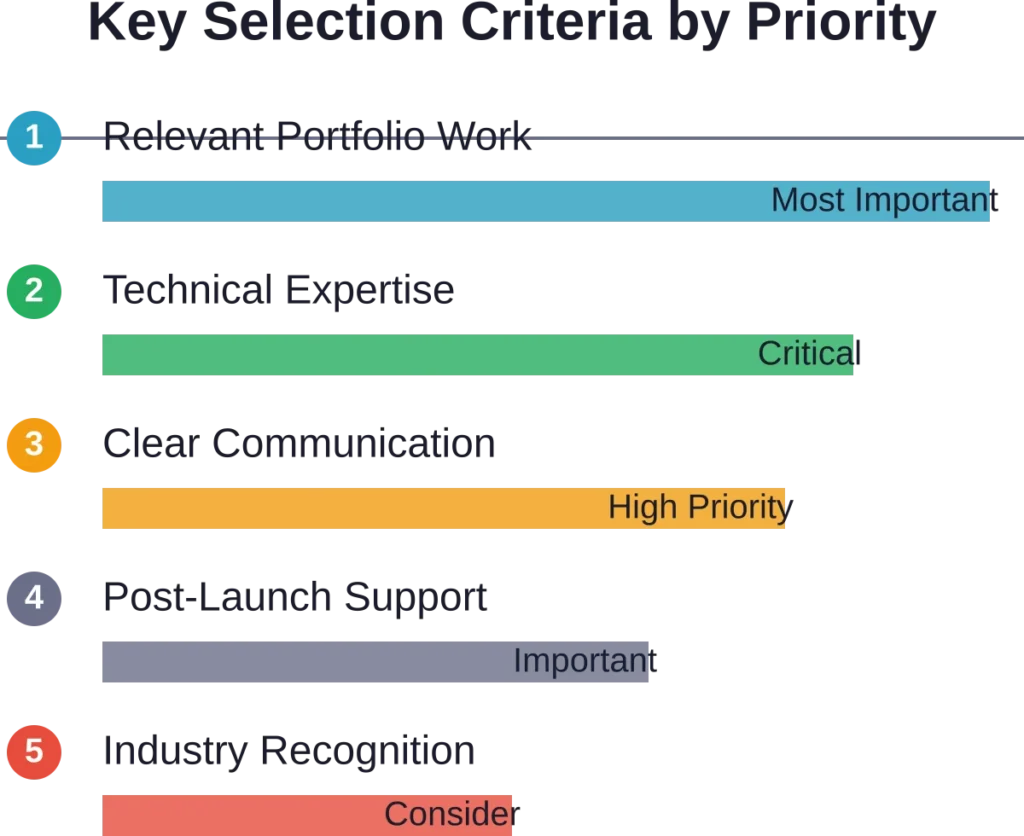
Key Factors to Consider When Choosing an Affordable Web Design Agency
Not every agency will be the right fit for every project. Matching agency strengths to specific needs makes the difference between a successful partnership and a frustrating experience.
Industry Experience and Specialization
Agencies that have worked in a particular industry bring accumulated knowledge about what works and what doesn’t.
They understand sector-specific requirements, whether that’s HIPAA compliance for healthcare, booking systems for hospitality, or product configurators for manufacturing.
But specialization can also be limiting. An agency that only works in one vertical might recycle the same approaches. Sometimes a fresh perspective from outside an industry leads to more innovative solutions.
The key is finding the right balance. Look for agencies that have relevant experience without being so narrowly focused that they can’t bring new ideas.
Portfolio Quality and Relevance
Portfolio work shows what an agency is capable of producing. But smart evaluation goes beyond just liking how sites look.
Examine whether portfolio sites are still live and functioning well. Test them on mobile devices. Check their loading speed. Look at how well they guide users toward key actions.
Consider the scale and complexity of portfolio projects relative to the site being planned. An agency that’s only built simple brochure sites might struggle with a complex e-commerce platform.
Also notice project dates. Agencies should show recent work that reflects current design standards and web technologies, not sites from five years ago.
Technical Capabilities and Platform Expertise
Different projects require different technical approaches. A content-heavy site might work perfectly on WordPress, while a custom web application requires different development.
Make sure the agency has genuine expertise with whatever platform makes sense for the project. Anyone can claim they work with WordPress or Shopify, but there’s a vast difference between basic competence and deep knowledge.
Ask about performance optimization, security practices, and how they handle ongoing maintenance and updates. These technical considerations impact the long-term success of any website.
Design Process and Client Collaboration
How an agency works matters as much as what they produce. Their process should include clear milestones, opportunities for feedback, and defined decision points.
Some agencies present fully-formed designs at the end of a project. Others work iteratively with frequent check-ins and rounds of refinement. Neither approach is inherently better, but one might match work style and comfort level better.
Ask how they handle revisions, what happens if initial directions aren’t working, and how much input they expect from clients versus making decisions independently.
Post-Launch Support and Maintenance
The website launch is the beginning, not the end. Sites need security updates, content changes, feature additions, and performance monitoring.
Some agencies offer ongoing retainer arrangements for continued support. Others hand off completed projects and only get involved again for major redesigns.
Community discussions frequently mention frustration when agencies disappear after launch, leaving clients unable to make even simple updates. Clarify support terms before signing contracts.
Also ask about training. Will someone on the team know how to update content, add new pages, or make basic changes? Good agencies ensure clients aren’t dependent on them for every minor adjustment.
Understanding Typical Web Design Project Costs
Budget clarity prevents misunderstandings and helps match project scope to available resources.
While this guide doesn’t include specific agency pricing, understanding general market ranges helps set realistic expectations.
What Influences Web Design Costs
Project complexity is the primary cost driver. A five-page informational site requires vastly less work than a multi-vendor marketplace with custom functionality.
Content volume matters too. Creating layouts for hundreds of product pages takes more time than designing a handful of service pages. Custom photography, illustration, or video production adds to budgets.
The level of customization impacts cost significantly. Starting from a quality template and customizing it takes less time than designing every element from scratch.
Integration requirements affect budget as well. Connecting websites to CRM systems, inventory management platforms, or custom databases requires technical development beyond standard site building.
Typical Investment Ranges
Based on corroborated data from multiple industry sources, professional web design projects in 2026 typically fall into several categories.
Template-based sites with limited customization generally represent the entry point for professional work. These provide basic functionality and professional appearance using pre-designed frameworks.
Small to mid-sized custom websites with moderate functionality fall into a middle range. These include custom design, CMS integration, and basic features tailored to business needs.
Larger projects with extensive custom development, complex functionality, or integration requirements move into higher investment territory. These might include e-commerce platforms, membership sites, or custom web applications.
Enterprise-level projects with sophisticated requirements, extensive content, and advanced features represent the upper end of the market.
Beyond the Initial Build
The website build is one component of total cost of ownership. Ongoing expenses include hosting, domain renewal, security certificates, and maintenance.
Content updates, feature additions, and design refreshes add to annual costs. Some businesses handle these internally, while others pay agencies through retainer arrangements.
Marketing activities like SEO, content creation, and paid advertising are separate from design costs but necessary for driving traffic to the completed site.
Agency vs. Freelancer: Which Makes Sense for Affordable Projects
Both agencies and freelancers can deliver quality work at reasonable prices. The right choice depends on project needs and risk tolerance.
The Freelancer Advantage
Freelancers typically have lower overhead than agencies, which can translate to better value for straightforward projects.
For small businesses with limited budgets, a skilled freelancer might deliver a professional site at a fraction of agency costs. Communication is often more direct, and decision-making can be faster.
The challenge is finding quality freelancers and managing risk. If a freelancer gets sick, takes another job, or simply doesn’t deliver, the business is stuck. There’s no team to pick up the work.
Freelancers also have limited capacity. They can’t easily scale to handle rush deadlines or take on projects requiring diverse skills beyond their core expertise.
The Agency Advantage
Agencies offer team depth that protects against individual availability issues. If one team member is unavailable, others can step in.
They typically have broader capabilities under one roof—designers, developers, strategists, and project managers working together. This matters for complex projects requiring multiple skill sets.
Agencies also carry professional liability insurance and have established business processes, which reduces risk for clients making significant investments.
The tradeoff is higher overhead costs and sometimes less direct access to the people doing the actual work. Decision-making can be slower with more stakeholders involved.
Finding the Right Fit
For relatively simple sites with clear requirements and flexible timelines, a skilled freelancer can be an excellent choice. The direct relationship and lower costs make sense when risk is manageable.
For complex projects, tight deadlines, or situations where reliability is critical, agencies provide more security. The team structure and business stability justify higher costs.
Some businesses split the difference by working with small boutique agencies that combine the direct relationships of freelancing with the stability and team depth of larger firms.
| Factor | Freelancer | Small Agency | Established Agency |
|---|---|---|---|
| Team Size | Individual or 2-3 people | 5-15 people | 20+ people |
| Skill Range | 1-2 specializations | Multiple disciplines | Full-service capabilities |
| Project Capacity | Limited concurrent work | Several simultaneous projects | High-volume capacity |
| Risk Profile | Higher individual dependency | Moderate protection | Lowest risk |
| Cost Structure | Typically lowest | Mid-range | Higher overhead |
| Communication | Direct with executor | Mix of PM and designers | Formal processes |
Questions to Ask Before Hiring a Web Design Agency
The right questions reveal whether an agency will be a good partner. These conversations should happen before signing contracts or making commitments.
Process and Timeline Questions
How does the agency structure projects from kickoff to launch? What are the major milestones and what’s expected from clients at each stage?
What’s a realistic timeline for a project of this scope? Be wary of agencies that promise unrealistically fast turnarounds—quality work takes time.
How are revisions handled? How many rounds are included? What happens if the initial direction needs significant changes?
What information does the agency need before starting work? Good agencies will want to understand business goals, target audiences, and success metrics before designing anything.
Technical and Functional Questions
What platform or technology will be used and why? The answer should relate to project requirements, not just agency preference.
How will the site perform on mobile devices? Mobile-first design should be standard practice in 2026, not an optional extra.
What happens with site ownership and access? Clients should own their website files, content, and hosting accounts. Avoid arrangements where the agency maintains control.
How is the site optimized for search engines? Basic technical SEO should be built into every professional website from the start.
Support and Maintenance Questions
What happens after launch? Is there a warranty period for fixing bugs or issues? What level of training is provided?
What ongoing support options are available? If something breaks or needs updating, what’s the process and cost?
Can the internal team make basic updates themselves? Sites built on appropriate platforms should allow non-technical users to manage content.
Results and Success Questions
How will success be measured? Good agencies think about business outcomes, not just deliverables.
Can they provide case studies or examples of results achieved for similar clients? Concrete examples carry more weight than general claims.
What happens if the site doesn’t perform as expected? While agencies can’t guarantee specific results, they should have processes for optimization and improvement.
Red Flags to Watch for When Evaluating Affordable Agencies
Not every agency offering affordable pricing is worth working with. Certain warning signs indicate potential problems.
Unrealistic Promises
Be skeptical of agencies guaranteeing first-page search rankings, specific traffic numbers, or sales results. Too many variables affect these outcomes for any agency to promise them.
Similarly, extremely low prices or unusually fast timelines often indicate corners will be cut. Quality web design requires time and expertise—both cost money.
Poor Communication During Sales Process
How an agency communicates before being hired predicts how they’ll communicate during the project. Slow responses, unclear answers, or difficulty scheduling calls are warning signs.
Pressure tactics or aggressive sales approaches also indicate potential problems. Professional agencies don’t need to pressure prospects—their work speaks for itself.
Weak or Outdated Portfolio
Agencies should showcase their best recent work. If portfolio examples are all several years old, question whether they’re still actively designing.
Similarly, if portfolio work looks dated or doesn’t function well, that’s what clients can expect to receive.
Vague Process or Scope
Professional agencies have defined processes and clear scopes of work. If an agency can’t articulate what happens next or what’s included in the project, expect scope creep and confusion.
Detailed contracts protect both parties. Avoid agreements that leave major decisions undefined or open to interpretation.
No References or Reviews
Established agencies should have verifiable reviews, testimonials, or clients willing to serve as references. If an agency can’t provide any way to verify their track record, proceed with caution.
Making the Most of an Affordable Web Design Project
Clients play a significant role in project success. These practices help maximize value regardless of which agency is selected.
Invest Time in Planning
The clearer the brief, the better the results. Before engaging any agency, define goals, understand the target audience, and identify key features and functionality needed.
Gather reference examples of sites that work well. This helps communicate preferences and expectations more effectively than verbal descriptions.
Audit existing content and determine what will carry forward to the new site. Content migration often takes more time than expected.
Be Responsive and Decisive
Projects stall when clients don’t provide timely feedback or decisions. Set aside time to review work, respond to questions, and make necessary decisions.
Indecision costs money. Most agencies bill for time, so extended revision cycles or constantly changing direction increases costs.
Designate a single point of contact with decision-making authority. Committees often lead to conflicting feedback that slows progress.
Trust Expertise While Maintaining Vision
Balance exists between staying involved and micromanaging. Agencies bring expertise—listen to their recommendations.
That said, no one understands the business better than its owners. If something doesn’t feel right, speak up and work together to find solutions.
Focus on Function Over Flash
The most successful websites prioritize user needs and business goals over trendy design elements. A site that converts visitors effectively is worth more than one that wins design awards but doesn’t drive results.
Animations, parallax scrolling, and other effects should enhance usability, not replace it. Keep the focus on helping users accomplish their goals.
Plan for the Long Term
Website launches are starting points. Plan for ongoing optimization, content updates, and gradual improvements based on user behavior and feedback.
Build relationships with agencies rather than treating each project as a one-time transaction. Long-term partnerships often deliver better value than constantly switching providers.
The State of Affordable Web Design in 2026
The web design industry continues evolving rapidly, creating both opportunities and challenges for businesses seeking affordable solutions.
AI Tools and Design Automation
Artificial intelligence has changed how designers work. AI tools now handle routine tasks like image optimization, color palette generation, and even basic layout suggestions.
This automation has reduced the time required for certain tasks, which can translate to lower costs for clients. But AI hasn’t replaced human designers—it’s made them more efficient.
The best agencies use AI as a tool while maintaining the strategic thinking and creative judgment that algorithms can’t replicate.
No-Code and Low-Code Platforms
Platforms like Webflow, Framer, and advanced WordPress builders have expanded what’s possible without custom coding.
These tools allow agencies to create sophisticated designs faster than traditional development, which can mean better sites at lower costs. The tradeoff is sometimes less flexibility for highly unique requirements.
For many businesses, the limitations are irrelevant—these platforms offer more capability than most sites need.
The Rise of Conversion-Focused Design
Pretty websites don’t pay the bills. The industry has shifted toward emphasizing measurable business outcomes over aesthetic achievements.
Modern agencies use data, testing, and user research to inform design decisions. They track conversion rates, user behavior, and business metrics to validate that designs work.
This results-oriented approach means affordable agencies can compete with premium firms by focusing on what actually matters: helping businesses achieve their goals.
Remote Work and Global Talent
Remote work has expanded the available talent pool for web design agencies. Firms can hire skilled designers and developers from anywhere, often reducing costs.
This globalization has also increased competition, which generally benefits clients through more options and better value.
The downside is time zone challenges and occasional communication friction. Agencies that manage distributed teams well can offer excellent value without compromising quality.
Common Mistakes Businesses Make When Hiring Affordable Web Design Services
Learning from others’ mistakes is cheaper than making them firsthand.
Choosing Based Solely on Price
The cheapest option rarely delivers the best value. Rock-bottom pricing usually indicates inexperience, outsourced work to unvetted contractors, or hidden costs that emerge later.
Evaluate total value—what’s included, the expected quality, and long-term costs—rather than just comparing initial quotes.
Skipping Due Diligence
Some businesses sign contracts without reviewing portfolios, checking references, or verifying agency claims.
Take time to research thoroughly. Request case studies. Talk to past clients. Review actual project examples. This investment prevents expensive mistakes.
Not Understanding What’s Included
Assumptions about project scope cause countless disputes. Does the quote include stock photography? How many rounds of revisions? What about mobile optimization or basic SEO?
Get detailed proposals that enumerate exactly what’s included and what costs extra. Written agreements prevent misunderstandings.
Ignoring Content Planning
Beautiful design means nothing without quality content to fill it. Many businesses launch with placeholder text or rush to create content at the last minute.
Content strategy should be part of the design process. What pages are needed? What information goes on each? Who creates the content and when?
Not Testing Before Launch
Sites should be thoroughly tested across devices, browsers, and connection speeds before going live. Broken forms, slow loading, or mobile display issues frustrate users immediately.
Build testing time into the project timeline. Find and fix problems before they affect real visitors.
Frequently Asked Questions
Timeline varies based on project complexity and scope. Simple sites with minimal custom features might be completed in 4-6 weeks. More complex projects with custom functionality, extensive content, or multiple rounds of revisions typically take 8-16 weeks. Enterprise-level projects can extend to several months. Timeline also depends on client responsiveness—projects move faster when businesses provide timely feedback and approvals. Most delays come from content preparation, stakeholder decision-making, or scope changes rather than actual design and development work.
Remote collaboration works perfectly well for most web design projects in 2026. Video calls, screen sharing, and project management tools enable effective communication regardless of location. The key advantage of expanding beyond local options is access to more agencies with diverse specializations and potentially better value. That said, some businesses prefer in-person meetings and local relationships. Consider what matters more: the convenience of face-to-face interaction or access to the best-fit agency regardless of location. Most successful projects depend on communication quality and shared understanding, not physical proximity.
Redesigns work with existing content, site structure, and sometimes technical infrastructure, making selective improvements while preserving what works. Starting fresh means building everything new, which offers more flexibility but requires more decisions and often more investment. Redesigns make sense when the current site has good content and reasonable structure but needs visual updates or improved functionality. Fresh builds work better when the existing site is fundamentally broken, built on outdated technology, or no longer aligns with business direction. Many projects fall somewhere in between—keeping some elements while rebuilding others.
Support offerings vary significantly among agencies. Some include a warranty period covering bug fixes and technical issues for 30-90 days after launch. Others offer ongoing retainer arrangements for continued support, updates, and improvements. Some agencies hand off completed projects entirely, expecting clients to handle ongoing maintenance independently or through other providers. Clarify support terms before signing contracts. Ask specifically about bug fixes, hosting support, content updates, and future feature additions. Understanding post-launch support prevents frustration when issues arise after the initial project concludes.
Most professionally-built websites use content management systems that allow non-technical users to make updates. WordPress, for example, enables easy content editing, image uploads, and page creation without coding knowledge. However, capabilities depend on how the site is built. Some custom-coded sites require developer involvement for any changes. Discuss this requirement during agency selection. Request training on whatever CMS is used. Ensure the final deliverable includes documentation explaining how to perform common tasks. The ability to make routine updates independently saves money and allows faster responses to business needs.
Mobile optimization isn’t optional—it’s fundamental. Most web traffic now comes from smartphones and tablets rather than desktop computers. Search engines prioritize mobile-friendly sites in rankings. Users immediately leave sites that don’t work well on their devices. Every professional web design project should include responsive design that adapts seamlessly to different screen sizes. Mobile-first design—designing for phones first, then enhancing for larger screens—has become standard practice. Any agency that treats mobile optimization as an add-on or optional feature should be avoided. This should be a built-in expectation for every project.
Professional agencies include revision rounds in their process for exactly this reason. Initial concepts are starting points for discussion, not final products. Good agencies want to understand concerns and work collaboratively toward solutions. However, there’s a difference between refinement within the agreed direction and completely changing course. Most contracts specify how many revision rounds are included and what constitutes a major scope change versus normal refinement. The key is providing specific, actionable feedback rather than vague dissatisfaction. If initial concepts miss the mark entirely, it usually indicates inadequate discovery and planning—the agency didn’t fully understand the requirements before designing.
Conclusion
Quality web design doesn’t require unlimited budgets. The 15 agencies featured in this guide demonstrate that professional, results-focused websites are accessible at various investment levels.
The key is matching agency strengths to specific project needs. A tech startup requires different expertise than a local service business. An e-commerce platform needs different capabilities than a B2B marketing site.
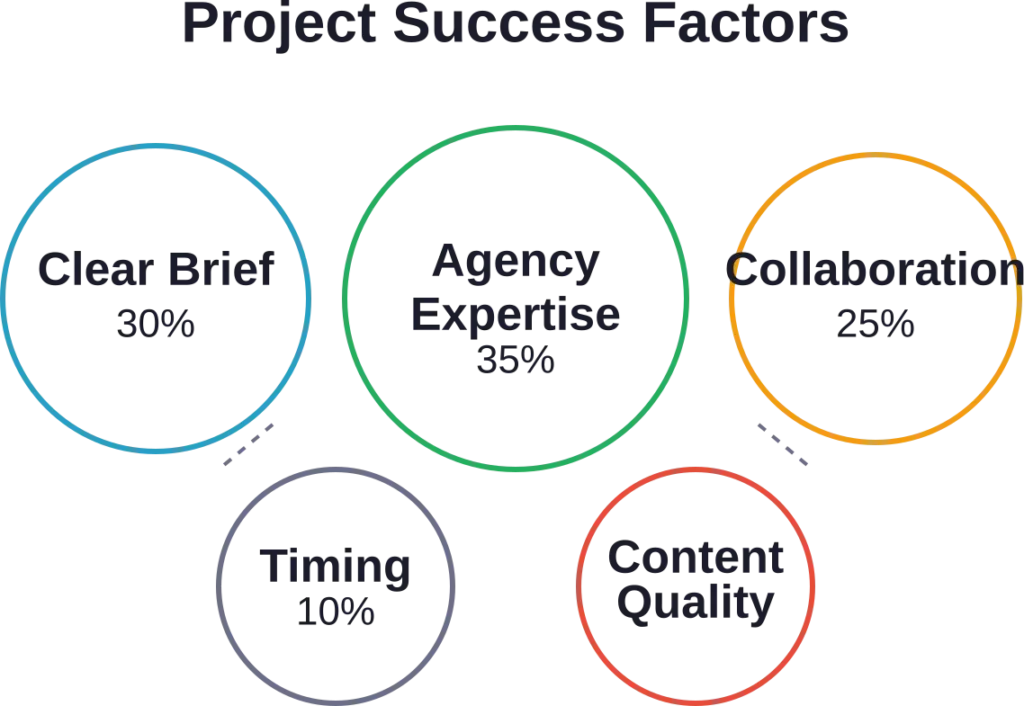
Success depends on multiple factors beyond just selecting the right agency. Clear project briefs, realistic timelines, quality content, and collaborative working relationships all contribute to outcomes.
While the web design landscape continues evolving with new tools, technologies, and approaches, fundamental principles remain constant. Websites should serve business goals, meet user needs, and function reliably across devices and contexts.
Take time to evaluate options thoroughly. Review portfolios, ask detailed questions, check references, and ensure proposals clearly define scope, deliverables, and costs. The investment in proper due diligence pays dividends by preventing expensive mistakes.
The right affordable web design agency exists for nearly any business need. Start by defining what success looks like, understanding project requirements, and being realistic about budget constraints. Then systematically evaluate agencies against those criteria rather than defaulting to the cheapest option or the flashiest portfolio.
Professional web design is an investment in business growth. When approached strategically and executed well, it delivers returns that far exceed the initial cost. The agencies listed here provide starting points for that search—proven firms capable of delivering quality work at accessible price points.