
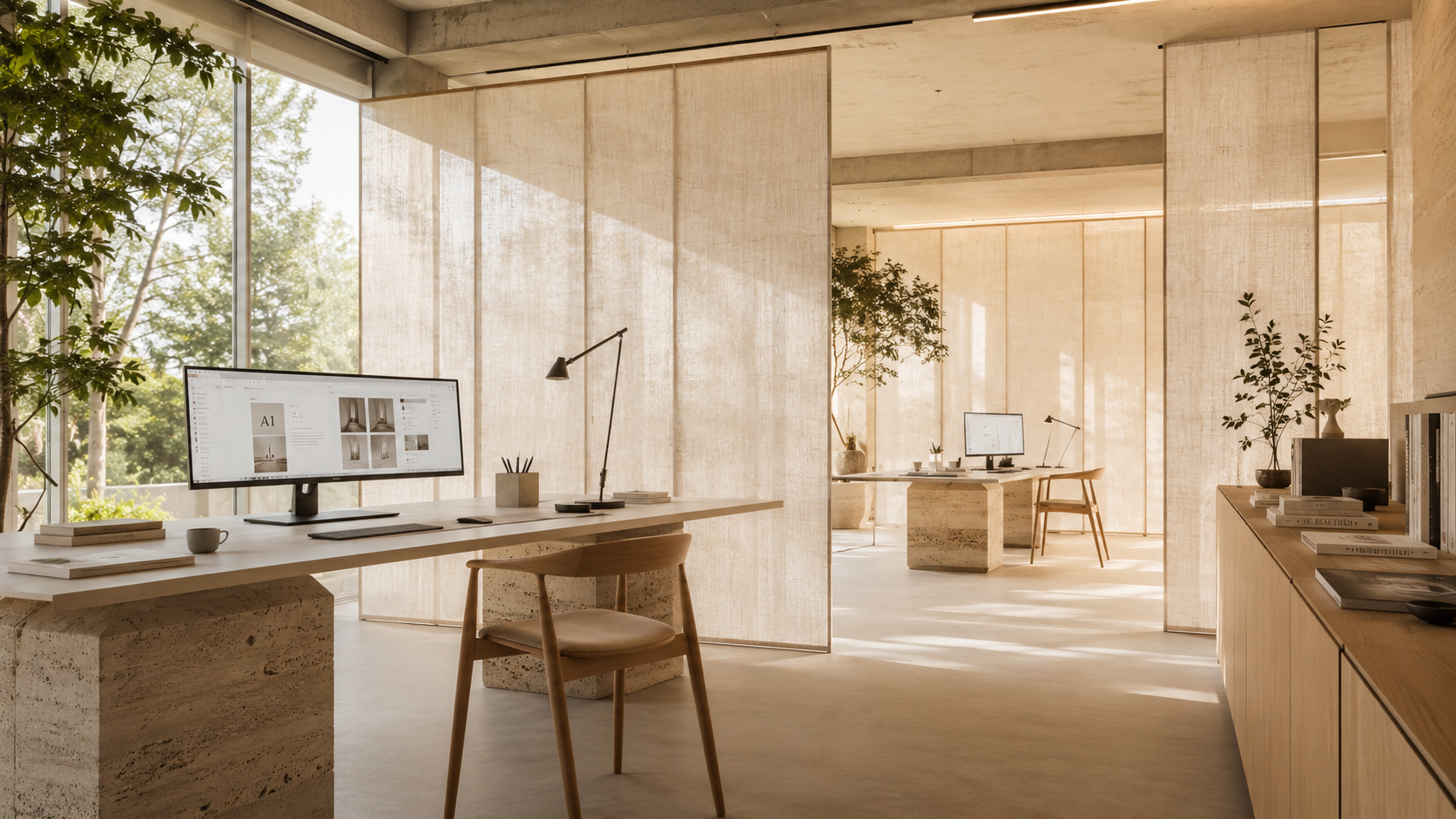
Quick Summary: Architectural lighting is the strategic integration of artificial and natural light into building design to enhance aesthetics, functionality, and occupant experience. It combines engineering precision with artistic vision to highlight architectural features, create ambiance, and support human well-being. Unlike general lighting design, architectural lighting is inseparable from the structure itself—it shapes how spaces are perceived, used, and remembered.
Walk into any great building and you’ll feel it immediately. Not just the space itself, but how light moves through it—sculpting walls, revealing textures, guiding your eye to what matters most.
That’s architectural lighting at work. It’s not decoration. It’s not an afterthought.
It’s the deliberate choreography of illumination that makes architecture actually function as intended. And in 2026, with energy codes tightening and occupant wellness taking center stage, understanding architectural lighting has become essential for anyone involved in the built environment.
Defining Architectural Lighting
Architectural lighting design is a specialized field within architecture, interior design, and electrical engineering focused on integrating lighting systems into the built environment—both interior and exterior spaces.
Here’s the distinction that matters: architectural lighting doesn’t just illuminate a room. It serves and enhances specific architectural elements to establish or emphasize a building’s aesthetic, history, and purpose.
The practice merges functionality with aesthetics. Engineers calculate lumen output, color temperature, and energy consumption. Artists consider shadow play, visual hierarchy, and emotional impact. When both work in harmony, the result elevates ordinary spaces into memorable experiences.
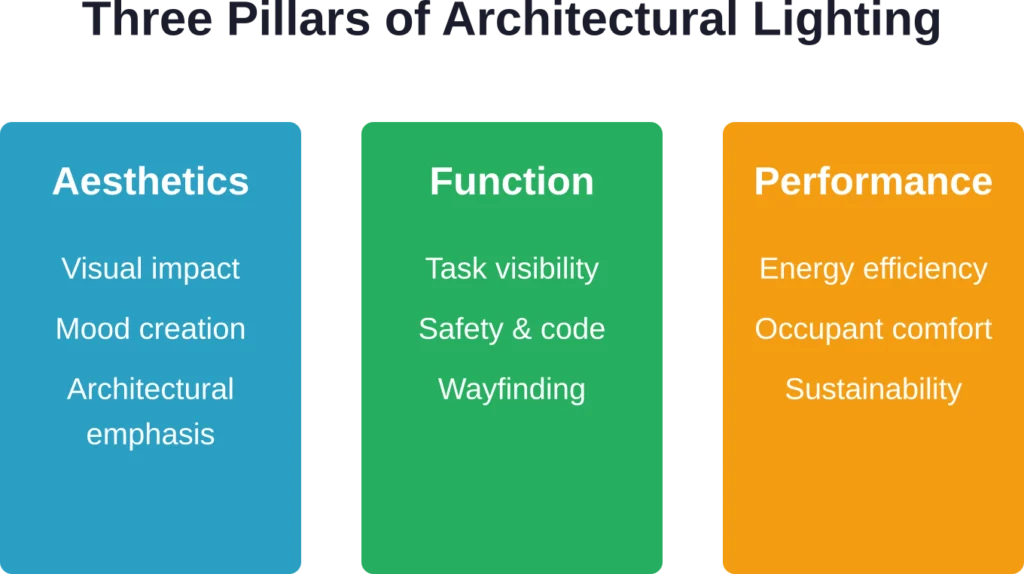
According to the American Institute of Architects, well-designed lighting directly impacts occupant well-being, considering physical, mental, and emotional effects on building users and surrounding communities.
How Architectural Lighting Differs From General Lighting Design
The terms get mixed up constantly. But there’s a meaningful difference.
General lighting design focuses on providing adequate illumination for activities. It answers questions like: How many lumens do we need? What fixture accomplishes the task most efficiently?
Architectural lighting goes further. It asks: How does light interact with this specific material? What story does this space tell, and how does illumination support that narrative? How can lighting reinforce the architect’s original vision?
One is problem-solving. The other is problem-solving plus artistic expression.
Think of it this way: general lighting makes sure people can see in a museum gallery. Architectural lighting ensures visitors’ eyes move exactly where the curator intends, that artwork appears in its truest colors, and that the building itself becomes part of the exhibition.
Core Elements of Architectural Lighting Design
Layering Light
Professional lighting design typically employs three distinct layers, each serving a specific purpose:
| Layer Type | Purpose | Common Applications |
|---|---|---|
| Ambient Lighting | General illumination; baseline visibility | Recessed downlights, cove lighting, diffused ceiling fixtures |
| Task Lighting | Focused illumination for specific activities | Under-cabinet strips, reading lamps, workstation pendants |
| Accent Lighting | Highlight architectural features or artwork | Track heads, wall washers, spotlights, uplights |
Effective architectural lighting rarely relies on a single layer. The interplay creates depth, dimension, and visual interest that flat, uniform illumination never achieves.
Natural Light Integration
Daylighting isn’t separate from architectural lighting—it’s foundational to it.
Advanced projects now incorporate automated shading systems that respond to real-time sky conditions. According to ASHRAE research on automated shading systems, they were estimated to reduce annual utility costs by approximately 2% compared to manually operated window shades while maximizing daylight harvesting and preventing glare.
Design strategies include maximizing operable windows, positioning workspaces to utilize 100% outside air systems, and orienting buildings to capture optimal natural light without excessive heat gain.
Color Temperature and Rendering
Not all white light is equal. Color temperature, measured in Kelvin, dramatically affects how spaces feel and how colors appear.
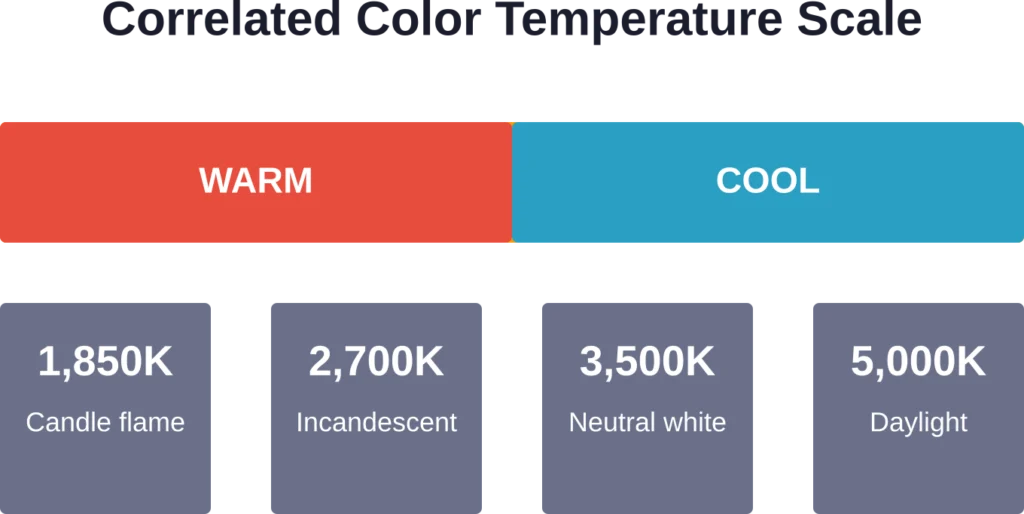
Residential spaces typically favor 2,700–3,000K for warmth and comfort. Commercial offices often specify 3,500–4,000K for productivity. Healthcare and precision environments may push toward 5,000K for accuracy and alertness.
Coordinate Architectural Lighting with BIM Workflows
Architectural lighting coordination helps integrate lighting systems with architectural and MEP design requirements. Powerkh supports project teams with BIM coordination, clash detection, and technical modelling workflows.
Need Support with Architectural Lighting Coordination?
Talk with Powerkh to:
- coordinate lighting layouts within BIM models
- support MEP and architectural coordination
- identify clashes before construction starts
- prepare technical drawings and documentation
Contact Powerkh about architectural lighting coordination support.
LED Technology and Modern Applications
LEDs have fundamentally reshaped architectural lighting. With lifespans reaching 25,000 hours and adjustable features including tunable color temperature, dimming capability, and smart integration, they’ve become the default specification.
But the real transformation isn’t efficiency—it’s flexibility.
Contemporary projects leverage LED characteristics that were impossible with previous technologies: dynamic color changing for experiential retail, circadian tuning that adjusts temperature throughout the day to support occupant health, and miniaturization that allows fixtures to virtually disappear into architecture.
According to ASHRAE Standard 189.1, current high-performance building standards require minimum photovoltaic power provisions and target at least 5% peak electrical load reduction through combined architectural, mechanical, and electrical design strategies.
Real-World Applications Across Building Types
Commercial and Retail Spaces
Retail environments use architectural lighting to direct attention, enhance merchandise appearance, and reinforce brand identity. High-end fashion retailers might employ 90+ CRI (Color Rendering Index) fixtures to ensure garments appear true-to-life, while dramatic accent lighting creates focal points that draw customers deeper into stores.
Hospitality and Restaurants
Hotels and restaurants rely heavily on ambiance creation. Layered lighting with extensive dimming control allows spaces to transform from energetic breakfast venues to intimate dinner settings. Architectural cove lighting, wall grazing, and carefully placed accent fixtures create warmth without sacrificing functionality.
Healthcare Facilities
Medical environments demand precision. Surgical suites require high-intensity, high-CRI illumination for accurate color discrimination. Patient rooms increasingly incorporate circadian lighting systems that support natural sleep-wake cycles, contributing to faster recovery times.
Educational Buildings
The Advanced Energy Design Guide for K–12 Schools, published by ASHRAE in partnership with the American Institute of Architects (AIA), the Illuminating Engineering Society (IES), and the U.S. Green Building Council (USGBC), emphasizes that educational facilities must balance energy performance with occupant comfort. Automated daylighting controls paired with tunable LED systems help maintain ASHRAE Standard 55 comfort levels while minimizing energy consumption.
Design Process and Planning
Professional architectural lighting design follows a structured workflow:
Concept Development: Designers study architectural drawings, understand the building’s purpose, and identify key features that warrant emphasis.
Photometric Analysis: Computer modeling calculates light levels, distribution patterns, and energy consumption before a single fixture is purchased.
Fixture Selection: Specifications balance aesthetic requirements, technical performance, budget constraints, and maintenance considerations.
Integration Coordination: Lighting plans coordinate with electrical, structural, and mechanical systems to ensure feasibility.
Commissioning: Post-installation fine-tuning adjusts aim angles, output levels, and control programming to achieve design intent.
Current Challenges and Considerations
Light pollution has emerged as a significant concern. Poorly designed exterior lighting contributes to skyglow, disrupts ecosystems, and wastes energy. Responsible architectural lighting now incorporates full-cutoff fixtures, appropriate zoning, and controls that reduce output during low-activity hours.
Budget constraints remain persistent. High-quality architectural lighting fixtures and sophisticated control systems carry premium costs. Designers must often make strategic decisions about where to invest in custom solutions versus value-engineered alternatives.
Control complexity has increased exponentially. Today’s systems can integrate daylight harvesting, occupancy sensing, time scheduling, manual overrides, and scene presets. But complexity without proper commissioning and user training leads to systems that get overridden or simply fail to deliver intended benefits.
FAQ
Architectural lighting integrates with and enhances the building’s structure and spatial qualities—it’s part of the architecture itself. Decorative lighting fixtures serve as visual focal points or art objects. Many successful projects incorporate both, but architectural lighting prioritizes spatial experience over fixture aesthetics.
Professional lighting design fees vary based on project type and complexity. Residential projects may use hourly rates or flat fees depending on scope, while commercial projects involve comprehensive coordination with overall construction budgets.
Yes, though constraints exist. Retrofit projects work within existing electrical infrastructure and architectural conditions. Surface-mounted and cable-suspended systems offer flexibility when recessed installation isn’t feasible. LED technology’s low heat output and compact size has greatly expanded retrofit possibilities compared to older lamp types.
The Lighting Certified (LC) credential from the National Council on Qualifications for the Lighting Professions represents the industry standard. Many practitioners also hold architectural licenses, interior design certifications, or electrical engineering degrees. Experience matters as much as credentials—look for portfolios demonstrating relevant project types.
Current energy codes increasingly regulate lighting power density (watts per square foot), control requirements, and exterior lighting restrictions. High-performance buildings targeting net-zero energy must integrate lighting strategy early in design to meet aggressive efficiency targets without compromising occupant experience or architectural vision.
Both rating systems award credits for lighting quality, controls, and integration strategies. LEED emphasizes energy performance and light pollution reduction. WELL Building Standard focuses on human health impacts—circadian lighting support, glare control, and appropriate light levels for various tasks. Quality architectural lighting design naturally aligns with both frameworks.
Ideally, simultaneously. Lighting significantly affects material selection, color perception, and spatial proportion. When lighting design lags behind architecture and interiors, opportunities for integration are lost and fixtures become add-ons rather than integral components. Best practice involves lighting designers in schematic design phases.
The Bottom Line
Architectural lighting shapes how people experience built environments—how they navigate spaces, perceive quality, and respond emotionally to their surroundings.
It’s technical. It’s artistic. And when executed well, it’s nearly invisible—not because it’s absent, but because it feels so natural that occupants simply experience the architecture as the designer intended.
Whether planning a new build or reconsidering an existing space, treating lighting as an architectural element rather than an electrical commodity fundamentally changes outcomes. The investment in thoughtful lighting design returns dividends in energy efficiency, occupant satisfaction, and architectural expression that persists throughout a building’s lifetime.