
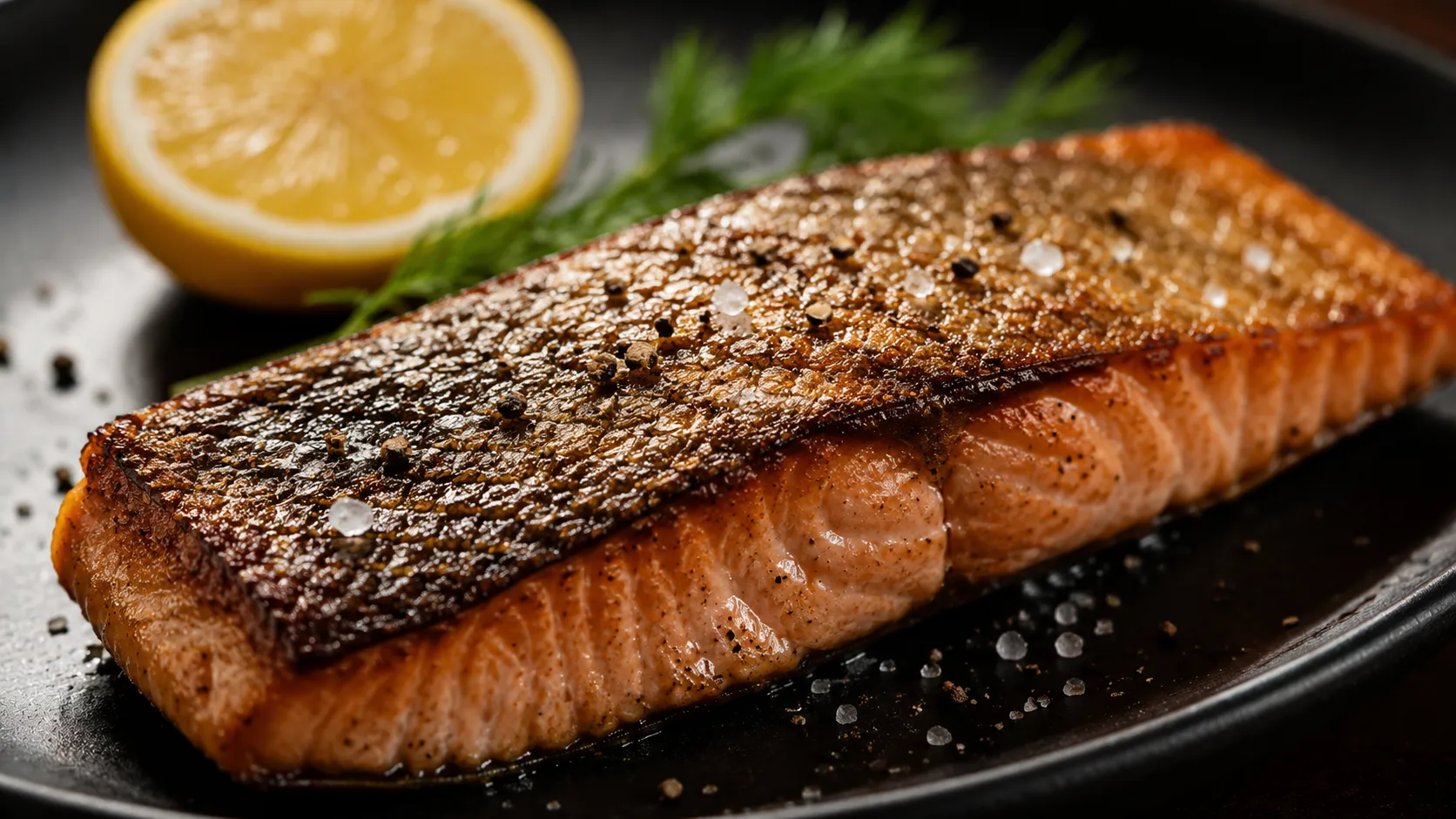
Quick Summary: Yes, salmon skin is safe to eat and offers significant health benefits. The skin is rich in omega-3 fatty acids, protein, vitamin D, and collagen—nutrients that support heart health, brain function, and skin integrity. When sourced from reputable suppliers and cooked properly, salmon skin is not only safe but one of the most nutrient-dense parts of the fish.
Many people instinctively peel away salmon skin before eating the fillet. Maybe it’s the texture, the appearance, or just habit. But here’s the thing—nutritionists and health authorities actually recommend eating it.
Salmon skin contains concentrated nutrients that the flesh alone doesn’t provide in the same amounts. And when prepared correctly, it transforms into a crispy, flavorful addition to the meal.
So what makes salmon skin worth eating? Let’s break down the science, safety considerations, and preparation methods.
The Nutritional Powerhouse of Salmon Skin
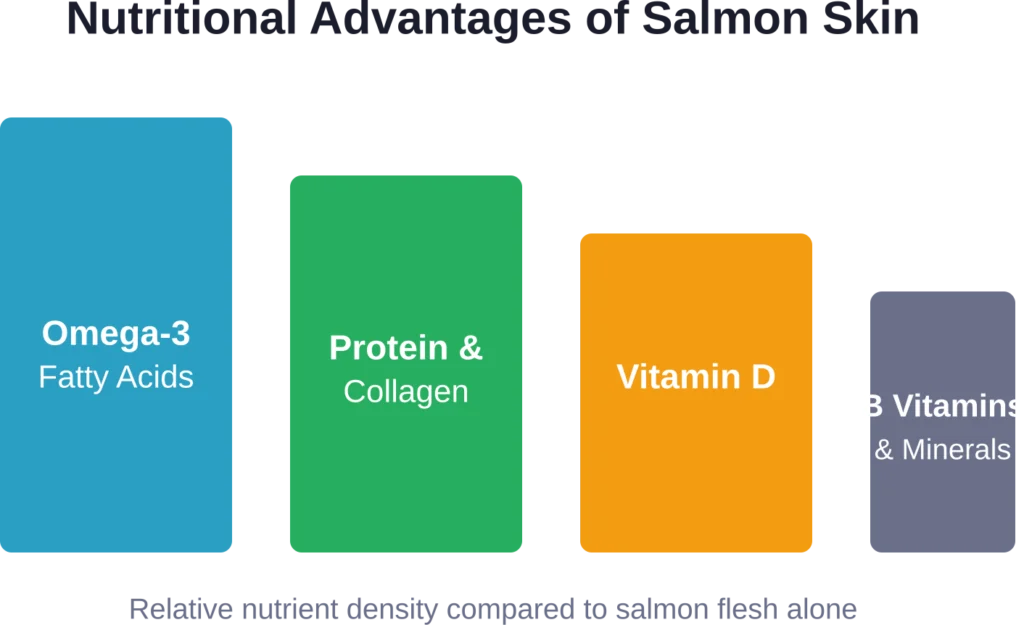
Salmon skin isn’t just edible—it’s one of the healthiest parts of the fish. The skin contains higher concentrations of omega-3 fatty acids than the flesh, particularly EPA (eicosapentaenoic acid) and DHA (docosahexaenoic acid).
According to research published by the National Institutes of Health, omega-3 polyunsaturated fatty acids possess potent immunomodulatory activities. DHA, the dominant omega-3 in the brain, impacts neurotransmission and cognitive performance at all stages of life.
Here’s what else salmon skin delivers:
- Protein: Essential for muscle repair, immune function, and cellular health
- Vitamin D: Critical for bone health and immune support (about 35% of U.S. adults don’t get adequate vitamin D)
- Collagen: Supports skin elasticity, joint health, and connective tissue integrity
- B vitamins: Aid energy production and metabolic processes
- Selenium: Acts as an antioxidant and supports thyroid function
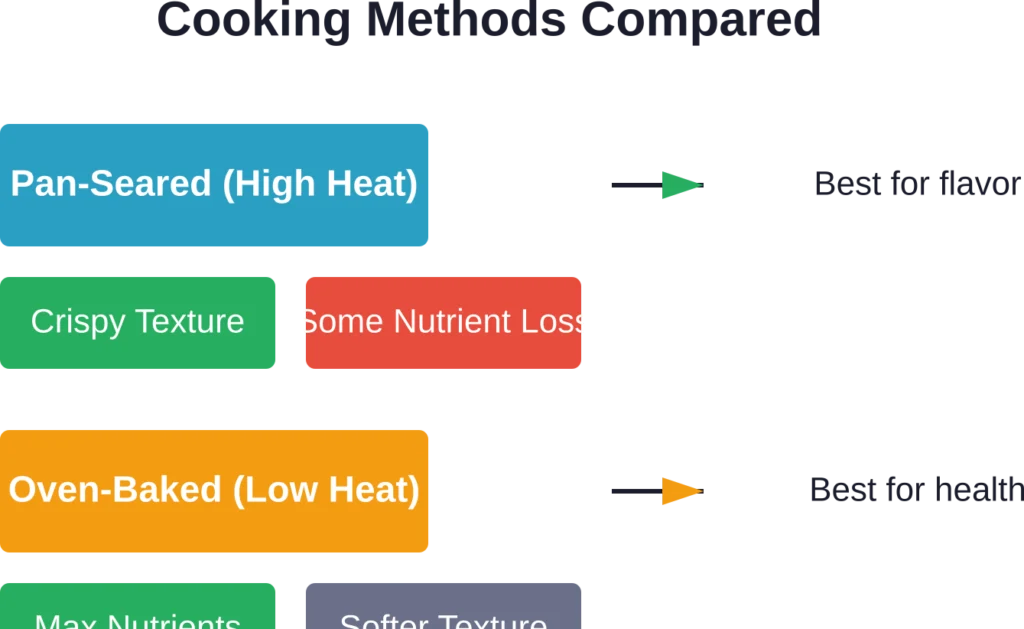
The skin retains more nutrients when cooked at lower temperatures, like baking or gentle pan-searing. High-heat methods can degrade some of the delicate omega-3 compounds.
Is Salmon Skin Safe to Eat?
The short answer? Yes, for most people. But some considerations matter.
Contaminants and Mercury Concerns
Fish can accumulate environmental contaminants like PCBs (polychlorinated biphenyls), dioxins, and mercury. These compounds often concentrate in fatty tissues, including skin.
However, according to Harvard’s Nutrition Source, more than 90% of the PCBs and dioxins in the U.S. food supply come from non-seafood sources, including meats, dairy, eggs, and vegetables. The levels in fish are very low—similar to other animal products.
The FDA and EPA have issued guidance on fish consumption, particularly for pregnant individuals, breastfeeding mothers, and young children. The CDC notes that breastfeeding mothers should minimize mercury exposure, but salmon is consistently classified as a low-mercury fish in federal guidelines.
For general populations, the health benefits of eating salmon—including the skin—far outweigh the minimal contaminant risks.
Source Matters
Wild-caught salmon typically contains fewer contaminants than farmed varieties, though both are considered safe by regulatory standards. Wild salmon also tends to have higher concentrations of vitamins and minerals due to natural diet and environment.
When buying salmon, look for:
- Clear labeling (wild vs. farmed)
- Reputable suppliers with traceability
- Fresh appearance (firm flesh, bright color, no strong odor)
- Proper refrigeration and handling
According to the FDA’s food safety guidance, cook salmon to an internal temperature of 145°F to eliminate potential pathogens.
Health Benefits That Make Salmon Skin Worth Eating
Research from multiple sources highlights specific health advantages tied to the nutrients concentrated in salmon skin.
| Health Benefit | Key Nutrient | How It Helps |
|---|---|---|
| Heart Health | Omega-3 fatty acids | Reduces inflammation, improves blood vessel function, lowers triglycerides |
| Brain Function | DHA and EPA | Supports neurotransmission, memory, and cognitive performance across lifespan |
| Skin Integrity | Collagen, omega-3s | Reinforces skin barrier, reduces dryness and pruritus in dermatological conditions |
| Bone Strength | Vitamin D | Enhances calcium absorption; adults over 70 need 800 IU daily |
| Immune Support | Selenium, vitamin D | Antioxidant protection, modulates immune response |
The Adequate Intake for omega-3 fatty acids is 1.6 grams for males aged 19-50 and 1.1 grams for females in the same age range. Yet over 68% of Americans don’t receive adequate omega-3s through diet.
Eating salmon skin helps close that gap.
Emerging Research on Skin Health
Studies published in medical journals show that oral supplementation with fish oil—rich in the same omega-3s found in salmon skin—reduces dryness and scratching behavior induced by compromised skin barriers. Long-term intake of omega-3 PUFA-rich nutrients may reinforce and restore cutaneous integrity and function.
Research also explores omega-3 fatty acids’ potential in managing acne. Many patients with acne show omega-3 deficits, and acne severity improved significantly when target omega-3 levels were reached through supplementation or diet.
How to Cook Salmon Skin for Maximum Flavor and Nutrition
Preparation method dramatically affects both taste and nutrient retention. Here’s how to get it right.
The Crispy Skin Method
Most chefs and home cooks prefer crispy salmon skin. The technique is straightforward:
- Pat the skin completely dry with paper towels (moisture prevents crisping)
- Score the skin lightly with shallow cuts to prevent curling
- Season with salt and pepper
- Heat a skillet over medium-high with a thin layer of oil
- Place salmon skin-side down and press gently for the first 30 seconds
- Cook 70-80% of the total time on the skin side (about 5-6 minutes)
- Flip briefly to finish (1-2 minutes)
The skin should be golden, crispy, and easy to eat. It adds textural contrast to the tender flesh.
Oven-Baked for Nutrient Retention
Lower-temperature baking preserves more omega-3 fatty acids:
- Preheat oven to 375°F
- Place salmon skin-side down on a lined baking sheet
- Season as desired
- Bake for 12-15 minutes until internal temp reaches 145°F
The skin won’t crisp as much, but it remains edible and nutrient-dense.
What If You Still Don’t Want to Eat It?
Not everyone enjoys the texture or flavor of salmon skin, and that’s perfectly fine. The flesh alone provides substantial nutrition.
But if contaminants are your concern, know that removing the skin doesn’t eliminate them entirely—many compounds are stored throughout the fatty tissues of the fish, not just the skin.
The key is sourcing quality salmon from reputable suppliers and following FDA cooking guidelines.
Frequently Asked Questions
Technically yes, if the salmon is sushi-grade and properly handled. However, cooking to 145°F eliminates potential pathogens and parasites, making it safer for most people, especially pregnant individuals and those with compromised immune systems.
Yes. The skin contains higher concentrations of omega-3 fatty acids, particularly EPA and DHA, which are stored in fatty tissues. Eating the skin provides additional omega-3 benefits beyond the fillet alone.
Yes. Both farmed and wild salmon are considered safe by FDA standards. Wild salmon may have slightly higher nutrient density and fewer contaminants, but farmed salmon skin is safe when sourced from reputable suppliers.
Research suggests it can. The omega-3 fatty acids and collagen in salmon skin support skin barrier function, reduce dryness, and may help manage inflammatory skin conditions when consumed as part of a balanced diet.
Most commercially sold salmon fillets are already scaled. If scales are present, scrape them off with the back of a knife under cold running water, moving from tail to head. Pat the skin dry before cooking.
Cooked salmon skin without seasoning is generally safe for dogs and provides omega-3 benefits. Never feed raw salmon or salmon skin to dogs, as it can contain parasites that cause salmon poisoning disease, which is potentially fatal.
Three common causes: the pan isn’t hot enough, the skin is wet, or you’re moving the fish too early. Ensure the skin is completely dry, the pan is preheated with oil, and don’t flip until the skin naturally releases—usually after 5-6 minutes.
The Bottom Line
Salmon skin is not only safe to eat—it’s one of the most nutrient-dense parts of the fish. The concentrated omega-3 fatty acids, protein, vitamin D, and collagen support heart health, brain function, and skin integrity.
Concerns about contaminants are understandable, but research shows the levels in salmon are minimal compared to other foods. The FDA, CDC, and academic institutions consistently support fish consumption, including the skin, for the overwhelming health benefits it provides.
Whether you prefer it crispy from a hot skillet or gently baked for maximum nutrient retention, salmon skin deserves a place on your plate. Give it a try—your body will thank you.