

Quick Summary: Taking magnesium every day is generally safe and beneficial for most adults when consumed within recommended limits. The FDA sets the Daily Value at 420 mg, and nearly two-thirds of Americans consume below this amount. Daily supplementation can support bone health, muscle function, and cardiovascular wellness, though individuals should stay below 350 mg from supplements alone to avoid digestive issues.
Magnesium has moved from the quiet corner of the supplement aisle to center stage. Social media influencers tout it for sleep, athletes swear by it for recovery, and health-conscious consumers add it to their daily routines without a second thought.
But is popping a magnesium pill every day actually safe? And more importantly, is it necessary?
The truth is nuanced. While magnesium is an essential mineral that powers hundreds of bodily functions, not everyone needs to supplement it daily. Understanding the science behind daily magnesium intake helps separate marketing hype from medical necessity.
What Magnesium Actually Does in the Body
Magnesium serves as a cofactor for more than 300 enzymatic reactions throughout the body. That’s not marketing speak—it’s biochemistry.
The adult human body contains approximately 25 grams of magnesium. About 50-60% of that total resides in the skeleton, where it contributes to bone structure and serves as a reservoir for maintaining proper blood levels. The remainder distributes throughout soft tissues, primarily muscle.
Less than 1% of total body magnesium circulates in blood, yet that tiny fraction regulates critical functions including muscle contraction, nerve transmission, energy production, and protein synthesis. Magnesium also plays essential roles in maintaining normal heart rhythm, supporting immune function, and regulating blood sugar levels.
Here’s the thing though—the body tightly controls magnesium levels through absorption and excretion mechanisms. When dietary intake is adequate, the kidneys reduce urinary losses. When intake drops, absorption efficiency increases.
How Much Magnesium Do Adults Actually Need?
The FDA established a Daily Value of 420 mg for magnesium, which represents the amount considered adequate for most healthy adults.
Specific recommendations vary by age and sex:
| Group | Recommended Daily Amount |
|---|---|
| Men (19-30 years) | 400 mg |
| Men (31+ years) | 420 mg |
| Women (19-30 years) | 310 mg |
| Women (31+ years) | 320 mg |
| Pregnant women | 350-360 mg |
| Breastfeeding women | 310-320 mg |
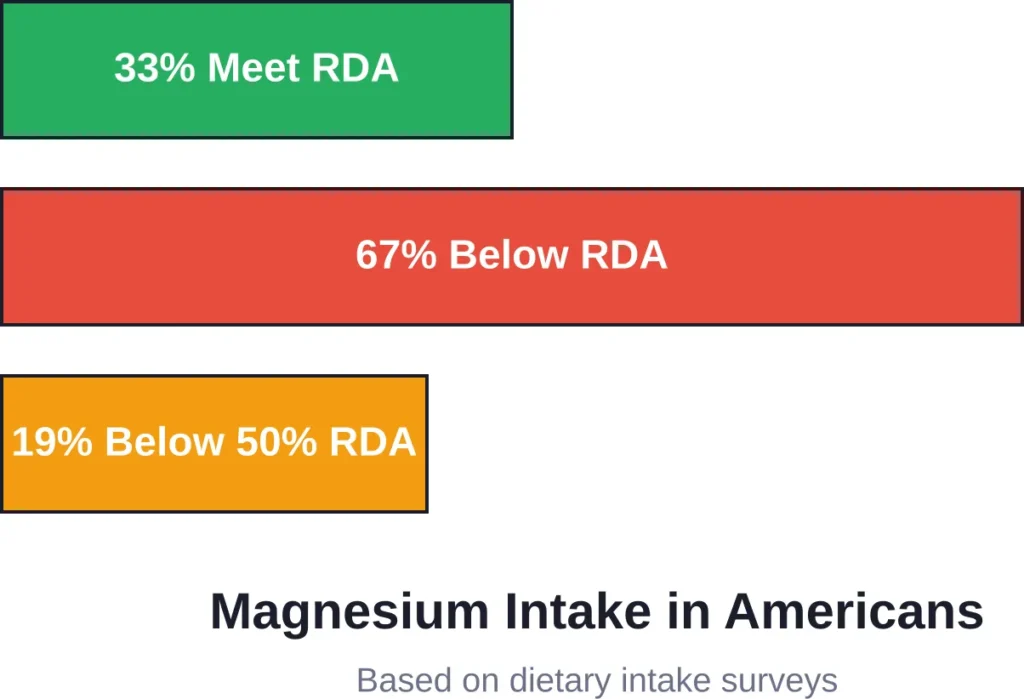
Yet despite these clear guidelines, nearly two-thirds of Americans consume magnesium below the RDA. Even more concerning, a concerning 19% fall below 50% of the RDA—a level that puts them at significant risk for deficiency.
So what explains this widespread shortfall?
Modern Western diets often lack magnesium-rich whole foods. Refined grains lose up to 80% of their magnesium during processing. Heavy consumption of processed foods, combined with inadequate intake of nuts, seeds, legumes, and leafy greens, creates a perfect storm for suboptimal intake.
Is Daily Magnesium Supplementation Safe?
The short answer? Yes, for most people—with important caveats.
Daily magnesium supplementation is generally recognized as safe when total intake remains within established limits. The body absorbs between 30-40% of ingested magnesium on average, and healthy kidneys efficiently excrete excess amounts.
But there’s a threshold worth knowing. The Tolerable Upper Intake Level is the maximum daily intake unlikely to cause harmful effects on health. The UL for magnesium is 350 milligrams from supplements only. This limit applies specifically to supplemental forms—not magnesium from food sources.
Why the distinction? Magnesium from supplements, particularly certain forms like magnesium oxide and magnesium citrate, can cause osmotic diarrhea when intake exceeds tolerance. The unabsorbed magnesium draws water into the intestinal tract, resulting in loose stools. This was the limiting factor used to establish the upper limit.
Magnesium from food sources doesn’t carry this same risk because absorption occurs more gradually and the amounts per serving remain moderate.
Who Should Consider Daily Magnesium?
Daily supplementation makes sense for specific groups:
- Individuals with documented magnesium deficiency confirmed through blood tests
- People with gastrointestinal disorders that impair nutrient absorption (Crohn’s disease, celiac disease, chronic diarrhea)
- Those taking medications that deplete magnesium, including certain diuretics and proton pump inhibitors
- Older adults, who experience reduced absorption efficiency and increased urinary losses
- People with type 2 diabetes, who often have elevated urinary magnesium losses
- Those recovering from alcohol dependency, as chronic alcohol consumption depletes magnesium
For these populations, daily supplementation under medical supervision can restore healthy levels and prevent deficiency-related complications.
Who Might Not Need Daily Supplements?
Conversely, daily supplementation may be unnecessary for individuals who consistently consume magnesium-rich foods and have no absorption issues or increased losses.
A diet that regularly includes nuts, seeds, whole grains, legumes, and leafy greens often provides adequate magnesium. For example, eating one serving of spinach, an ounce of almonds, and a banana provides 190 mg of magnesium—nearly 60% of the daily recommendation for women and 45% for men.
Benefits of Maintaining Adequate Magnesium Levels
Whether obtained through diet or supplements, maintaining adequate magnesium intake supports multiple aspects of health.
Bone Health
Approximately 60% of the body’s magnesium is stored in bone, where it influences both bone structure and the hormones that regulate calcium homeostasis. Severe magnesium deficiency can disrupt vitamin D and calcium homeostasis, potentially compromising bone density.
Cardiovascular Function
Magnesium helps maintain normal heart rhythm and supports healthy blood pressure. The mineral acts as a natural calcium channel blocker, helping blood vessels relax. Research examining dietary patterns has found associations between higher magnesium intake and cardiovascular wellness.
Metabolic Health
Research examining dietary patterns has found associations between higher magnesium intake and cardiovascular wellness.
Muscle and Nerve Function
Magnesium enables proper muscle contraction and relaxation while supporting nerve signal transmission. Athletes and physically active individuals may have slightly elevated magnesium needs due to increased losses through sweat and redistribution during exercise.

Potential Risks and Side Effects
While generally safe, daily magnesium supplementation isn’t without potential downsides.
Digestive Issues
The most common side effect is digestive upset, particularly diarrhea. This occurs more frequently with certain supplement forms and at higher doses. Staying below the 350 mg supplemental limit minimizes this risk.
Drug Interactions
Magnesium supplements can interact with various medications, including antibiotics (particularly tetracyclines and fluoroquinolones), bisphosphonates for osteoporosis, and certain diuretics. The mineral can bind to some medications, reducing their absorption and effectiveness.
Individuals taking prescription medications should consult healthcare providers before starting daily magnesium supplementation.
Kidney Function Concerns
People with impaired kidney function face higher risks from magnesium supplementation. Healthy kidneys efficiently excrete excess magnesium, but compromised kidney function can lead to dangerous accumulation. Anyone with chronic kidney disease should avoid magnesium supplements unless specifically prescribed and monitored by a nephrologist.
Hypermagnesemia
Excessive magnesium levels in blood (hypermagnesemia) rarely occur from dietary sources or standard supplementation in healthy individuals. But when it does develop—typically from very high supplement doses combined with kidney impairment—symptoms can include nausea, low blood pressure, confusion, irregular heartbeat, and in severe cases, cardiac arrest.
This remains extremely rare in people with normal kidney function taking supplements within recommended limits.
Different Forms of Magnesium Supplements
Not all magnesium supplements are created equal. The form matters for both absorption and tolerability.
| Magnesium Form | Absorption | Best For | Notes |
|---|---|---|---|
| Magnesium citrate | Moderate-high | General use, constipation | Well absorbed, may cause loose stools |
| Magnesium glycinate | High | Sensitive stomachs, sleep support | Gentle on digestion, less laxative effect |
| Magnesium oxide | Low | Budget option, constipation | Poorly absorbed, strong laxative effect |
| Magnesium chloride | Moderate-high | Topical applications, general use | Well tolerated orally |
| Magnesium threonate | Moderate | Cognitive function research | May cross blood-brain barrier more effectively |
| Magnesium malate | Moderate | Energy support | Malic acid may support energy production |
Magnesium bound to organic acids (citrate, glycinate, malate) generally shows better absorption than inorganic forms like oxide. The body absorbs between 30-40% of ingested magnesium on average, though this varies significantly by form and individual factors.
Food Sources: The Foundation of Magnesium Intake
Before reaching for supplements, optimizing dietary magnesium intake makes sense as the primary strategy.
Top food sources include:
- Pumpkin seeds (156 mg per ounce)
- Almonds (80 mg per ounce)
- Spinach, cooked (78 mg per half cup)
- Cashews (74 mg per ounce)
- Black beans (60 mg per half cup)
- Edamame (50 mg per half cup)
- Peanut butter (49 mg per two tablespoons)
- Whole wheat bread (46 mg per two slices)
- Avocado (44 mg per half fruit)
- Brown rice (42 mg per half cup)
Dietary magnesium comes with additional benefits—these foods also provide fiber, healthy fats, protein, and other essential nutrients that supplements lack.
The body handles dietary magnesium differently than supplemental forms. Absorption occurs more gradually with food sources, and the risk of digestive side effects remains minimal regardless of intake levels.
How to Know If You Need Magnesium Supplementation
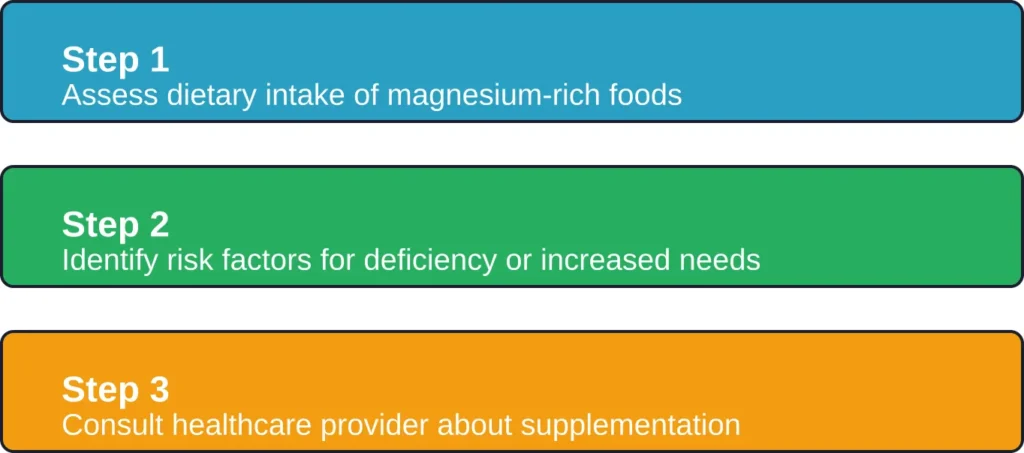
Determining personal magnesium needs requires honest assessment of dietary patterns and risk factors.
Signs of Potential Deficiency
Overt magnesium deficiency (hypomagnesemia) produces symptoms including muscle cramps, tremors, irregular heartbeat, personality changes, and in severe cases, seizures. But these typically occur only with significant depletion.
Subclinical deficiency is trickier to identify. Symptoms can be vague: fatigue, weakness, loss of appetite, or mild muscle twitching. Many conditions produce similar symptoms, making magnesium deficiency difficult to diagnose based on symptoms alone.
Testing Magnesium Levels
Standard blood tests measure serum magnesium, but this captures less than 1% of total body stores. Blood levels remain tightly controlled and may appear normal even when tissue stores are depleted.
For this reason, serum magnesium testing has limitations. Some practitioners use additional tests like RBC magnesium (measuring levels inside red blood cells) or urinary magnesium excretion tests, though interpretation remains complex.
Trial Approach
Given testing limitations, some healthcare providers recommend a trial approach for individuals with symptoms potentially related to suboptimal magnesium and dietary intake below recommendations. Starting a moderate-dose supplement for 4-6 weeks while monitoring symptoms can provide practical insight.
Real talk: if dietary intake consistently falls short and risk factors are present, supplementation may be warranted even without definitive testing.
Practical Guidelines for Daily Magnesium Supplementation
For those who decide daily supplementation makes sense, following evidence-based guidelines optimizes safety and effectiveness.
Start Low, Go Slow
Begin with lower doses (100-200 mg daily) and gradually increase if needed. This approach allows the digestive system to adapt and helps identify the personal tolerance threshold.
Take With Food
Consuming magnesium supplements with meals enhances absorption and reduces the likelihood of stomach upset. The presence of food in the digestive tract also slows magnesium release, minimizing laxative effects.
Split Doses
Dividing total daily intake into two smaller doses (morning and evening) further improves absorption. The intestinal tract has limited capacity to absorb magnesium at any one time, so smaller divided doses maximize uptake.
Choose Quality Supplements
Select supplements from reputable manufacturers that conduct third-party testing. Look for products verified by organizations like USP, NSF International, or ConsumerLab.
Monitor Total Intake
Track both dietary and supplemental magnesium to ensure total intake stays within safe limits. Remember the 350 mg upper limit applies to supplements alone, not dietary sources.
Give It Time
Magnesium repletion takes time. Tissue stores don’t replenish overnight. Allow at least 4-6 weeks of consistent supplementation before evaluating effectiveness.
Special Considerations for Specific Populations
Older Adults
Aging affects magnesium status through multiple mechanisms: reduced dietary intake, decreased absorption efficiency, increased urinary losses, and higher prevalence of medications that deplete magnesium. Older adults often benefit from daily supplementation, particularly when dietary intake falls short.
Athletes
Physical activity increases magnesium requirements through sweat losses and metabolic demands. Athletes engaged in intense training may need slightly higher intakes, though most can meet these needs through diet. Supplementation makes sense when dietary intake consistently falls below recommendations.
Pregnant and Breastfeeding Women
Magnesium requirements increase during pregnancy and lactation. While dietary sources should be the primary focus, supplementation may be appropriate when intake is inadequate. Prenatal vitamins typically contain some magnesium, so total supplemental intake should be calculated carefully.
Individuals With Diabetes
Type 2 diabetes is associated with increased urinary magnesium losses and lower magnesium levels. Some research suggests magnesium supplementation may support glycemic control in individuals with diabetes and documented hypomagnesemia, though results vary across studies.
Frequently Asked Questions
Yes, daily magnesium supplementation can be continued long-term when total intake remains within recommended limits and no adverse effects occur. Many individuals maintain daily supplementation for years safely, particularly those with chronic conditions that increase magnesium needs or impair absorption.
Excess magnesium from supplements typically causes diarrhea, nausea, and abdominal cramping—the body’s way of limiting absorption and promoting excretion. These effects usually resolve when dosage is reduced. Severe toxicity is rare in people with normal kidney function but can cause serious complications including irregular heartbeat and low blood pressure.
Timing depends on individual response and the supplement form. Some people find magnesium relaxing and prefer evening dosing to support sleep, while others experience no sedative effect and take it with breakfast. Magnesium glycinate is often recommended for nighttime due to glycine’s calming properties, while other forms can be taken at any time. Consistency matters more than specific timing.
Digestive effects like relief from constipation may occur within hours to days. Muscle cramps and sleep improvements might be noticed within 1-2 weeks. Repletion of tissue stores and effects on blood pressure, blood sugar, or bone health typically require 4-12 weeks of consistent supplementation. Individual responses vary significantly.
No evidence suggests magnesium supplementation directly causes weight gain. Magnesium is a mineral with no calories. Some individuals report reduced water retention and bloating with magnesium supplementation, which might influence scale weight slightly. Any weight changes during supplementation likely stem from other factors.
Food sources are generally preferable as the primary strategy. Dietary magnesium comes packaged with other beneficial nutrients, doesn’t carry the risk of excessive intake, and supports overall diet quality. But supplements serve an important role when dietary intake is inadequate, absorption is impaired, or needs are elevated beyond what diet can reasonably provide.
Yes, several medication classes can reduce magnesium absorption or increase urinary losses. Proton pump inhibitors for acid reflux, certain diuretics (loop and thiazide types), and some antibiotics can affect magnesium status. Individuals on long-term therapy with these medications should discuss magnesium monitoring and potential supplementation with healthcare providers.
The Bottom Line on Daily Magnesium
So, is it okay to take magnesium every day?
For most healthy adults, yes—with appropriate dosing and attention to total intake from all sources.
Daily magnesium supplementation fills a legitimate gap for many individuals. Nearly two-thirds of Americans fall short of recommended intake through diet alone, and certain populations face elevated needs or absorption challenges that make supplementation practically necessary.
The key lies in thoughtful implementation. Start with dietary optimization—whole grains, nuts, seeds, legumes, and leafy greens should form the foundation. When diet falls short despite best efforts, supplements provide a safe and effective solution.
Stay below 350 mg from supplements, choose well-absorbed forms like citrate or glycinate, take with food, and monitor for digestive tolerance. Consider personal risk factors, medication interactions, and underlying health conditions that might influence needs.
Most importantly, view magnesium supplementation as one component of overall health maintenance rather than a magic bullet. No supplement compensates for poor dietary patterns, inadequate sleep, chronic stress, or sedentary behavior.
Daily magnesium can support health when used appropriately, but it works best as part of a comprehensive approach to wellness that prioritizes whole foods, regular physical activity, stress management, and adequate rest.
If uncertainty remains about personal magnesium needs, consult with a healthcare provider or registered dietitian who can assess individual circumstances and provide personalized guidance. They can evaluate dietary intake, review medications, consider symptoms, and determine whether testing or supplementation is warranted.
The safety profile of magnesium supplementation is favorable, the potential benefits are significant, and for many people, daily intake makes perfect sense. Just approach it thoughtfully, stay within established limits, and remember that food should always be the foundation.