
Quick Summary: Taking Tylenol (acetaminophen) every day can be safe for most healthy adults when staying under the maximum daily limit of 4,000 mg (or 3,000 mg for chronic use). However, long-term daily use, especially at maximum doses, carries risks of liver damage, particularly for those with liver disease, who consume alcohol regularly, or who take other medications containing acetaminophen. Anyone considering daily Tylenol use should consult a healthcare provider to weigh benefits against potential risks.
Tylenol is everywhere. With more than 25 billion doses sold yearly in the United States, acetaminophen has become the go-to pain reliever for millions dealing with headaches, arthritis, or chronic discomfort.
But here’s the thing—just because something’s widely available doesn’t automatically make it safe for daily, long-term use.
The question isn’t whether Tylenol works. It does. The real question is whether taking it every single day might quietly be doing more harm than good, especially when it comes to your liver.
Understanding Acetaminophen and How It Works
Acetaminophen (the active ingredient in Tylenol) functions differently from typical nonsteroidal anti-inflammatory drugs. While its exact mechanism isn’t fully understood, acetaminophen selectively inhibits cyclooxygenase in the brain and may directly affect the hypothalamus to produce pain relief and fever reduction.
What makes acetaminophen unique is what it doesn’t do. It won’t reduce inflammation like ibuprofen or aspirin. That’s why it’s often the preferred choice for people who can’t tolerate NSAIDs or have stomach sensitivities.
The drug is absorbed quickly—typically within 2 hours—and about 89% of each dose gets metabolized by the liver. This liver-heavy processing is exactly why daily use raises concerns.
What Are the Safe Dosage Limits?
According to the FDA, the maximum total acetaminophen in 24 hours for adults and children 12 years and older is 4,000 mg. That’s eight extra-strength tablets (500 mg each) or twelve regular-strength tablets (325 mg each).
Sound like a lot? Real talk: it’s easier to exceed than most people think.
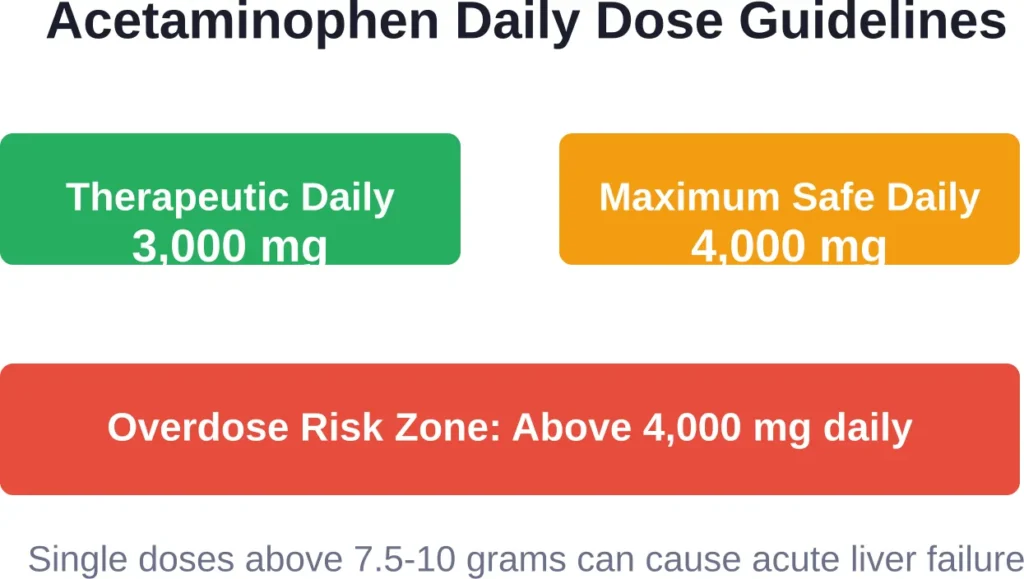
Here’s where daily use gets tricky. The FDA sets 4,000 mg as the ceiling, but research from the National Institutes of Health shows that research shows that chronic therapy with acetaminophen at 4 grams daily can cause transient liver enzyme elevations. In studies, studies show that chronic dosing at 4 grams daily can lead to liver enzyme elevations in a proportion of subjects.
That’s why many experts recommend capping long-term daily use at 3 grams per day rather than pushing the 4,000 mg limit.
| Strength | Max Per Dose | Dosing Frequency | Daily Limit |
|---|---|---|---|
| 325 mg | 2 tablets | Every 4-6 hours | 12 tablets (3,900 mg) |
| 500 mg | 2 tablets | Every 6 hours | 8 tablets (4,000 mg) |
| 650 mg ER | 2 tablets | Every 8 hours | 6 tablets (3,900 mg) |
The Hidden Danger: Acetaminophen Is Everywhere
Over 600 medications—both prescription and over-the-counter—contain acetaminophen. Cold medicines, flu remedies, sleep aids, prescription pain combinations like Vicodin or Percocet: they all might contain acetaminophen.
Each year in the U.S., people catch 1 billion colds and as many as 12% of people get the flu. About 7 in 10 people use nonprescription medicines for these symptoms. Now imagine you’re taking Tylenol for daily joint pain and then add a nighttime cold medicine. Suddenly, you’re stacking doses without realizing it.
According to data from the National Institutes of Health, a striking 50% of acetaminophen overdose cases result from unintentional overdoses. People aren’t trying to take too much—they just don’t know they’re doubling up.
What Happens When You Take Tylenol Every Day?
For many healthy adults taking moderate doses (under 3,000 mg daily), nothing dramatic happens in the short term. The medication does its job: pain decreases, fever drops, daily activities become easier.
But here’s what the research shows about prolonged daily use.
Liver Enzyme Changes
The liver processes acetaminophen through complex metabolic pathways. At therapeutic doses, most of the drug is safely conjugated and excreted. But chronic daily dosing—even at “safe” levels—can stress these pathways.
Research shows that chronic therapy with acetaminophen at 4 grams daily can cause transient liver enzyme elevations and resolve within about 2 weeks after stopping the medication.
Acute Liver Failure Risk
While only 1%-2% of acetaminophen users develop acute liver failure, acetaminophen toxicity remains the leading cause of acute liver failure in developed countries. Single doses well above therapeutic levels can cause acute liver failure, but chronic excessive use over time has caused severe, sometimes fatal liver damage.
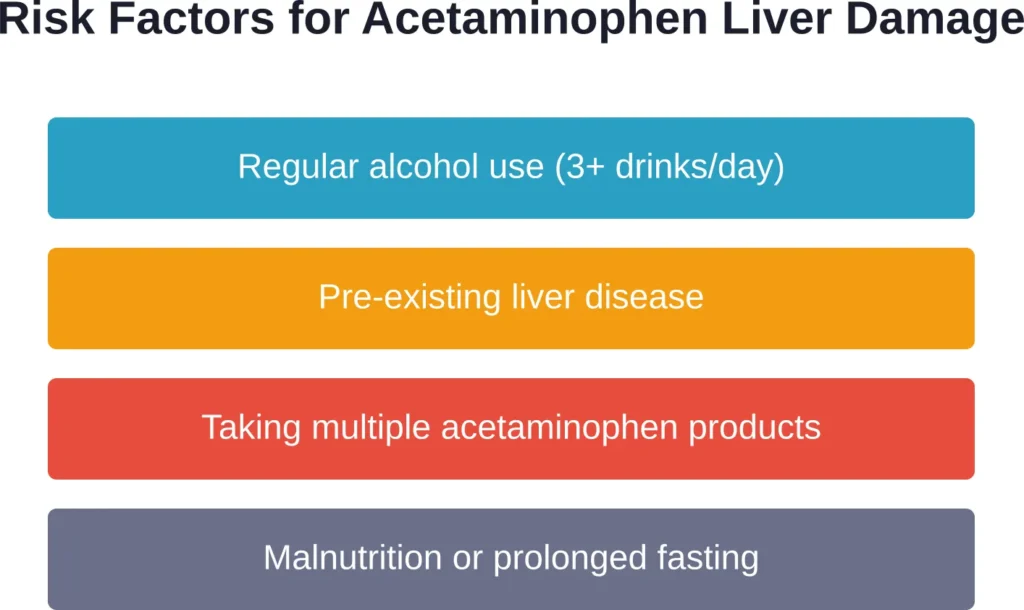
Risk factors that amplify liver damage include malnutrition, prolonged fasting, regular alcohol consumption (three or more drinks per day significantly increases risk), use of enzyme-inducing medications, and underlying liver disease.
When Daily Tylenol Use Makes Sense
Despite the risks, daily acetaminophen isn’t automatically dangerous for everyone. Many doctors recommend it for specific situations.
Chronic arthritis pain often responds well to scheduled acetaminophen, particularly when NSAIDs cause stomach problems or increase cardiovascular risk. Post-surgical recovery sometimes requires daily pain management for weeks. Cancer-related pain management frequently includes acetaminophen as part of a broader strategy.
The key? Medical supervision. Healthcare providers can monitor liver function, adjust dosing, and watch for early warning signs that might not be obvious to patients.
Warning Signs You’re Taking Too Much
Symptoms of acetaminophen toxicity don’t always appear immediately. Early signs are often vague and easy to dismiss.
Within 12-24 hours of excessive dosing, symptoms might include nausea, vomiting, loss of appetite, sweating, and general malaise. These feel flu-like, which makes them easy to miss—or worse, to treat with more acetaminophen.
After 24-72 hours, hepatic injury begins. This is when ALT and AST levels (liver enzymes measured in blood tests) can spike significantly. Right upper abdominal pain may develop. Jaundice (yellowing of skin or eyes) can appear.
By the time obvious symptoms emerge, liver damage may already be significant.
Safer Alternatives for Daily Pain Management
If chronic pain is driving daily Tylenol use, consider alternatives that might address the underlying issue rather than just masking symptoms.
Physical therapy often reduces chronic musculoskeletal pain without medication. NSAIDs like ibuprofen work differently than acetaminophen and may be safer for some people (though they carry their own cardiovascular and gastrointestinal risks).
Topical pain relievers—creams, gels, or patches applied directly to painful areas—deliver medication locally with minimal systemic absorption. Heat therapy, cold therapy, and gentle exercise can all reduce certain types of chronic pain.
For nerve pain, medications like gabapentin or pregabalin often work better than acetaminophen anyway.
Special Considerations
Pregnancy and Acetaminophen
In September 2025, the FDA initiated a label change process for acetaminophen products to reflect evidence suggesting that use by pregnant women may be associated with an increased risk of neurological conditions such as autism and ADHD in children. This represents a significant shift in guidance, as acetaminophen had long been considered the safest pain reliever during pregnancy.
Children and Daily Use
Research suggests that doses of less than 75 mg/kg/day of acetaminophen are safe for children younger than 6 years of age. Survey data indicate that approximately 26% of children younger than 24 months and approximately 10% of children aged 2-5 years receive acetaminophen. While occasional use for fevers and pain is standard pediatric practice, daily chronic use in children warrants careful medical supervision.
Making the Decision: Should You Take Tylenol Daily?
So, is it okay to take Tylenol every day?
The honest answer: it depends.
For healthy adults with no liver disease, no alcohol use, and no other acetaminophen-containing medications, staying well below 3,000 mg daily is generally considered safe for extended periods—under medical guidance.
But if any of these apply, daily use becomes riskier: existing liver problems, regular alcohol consumption, taking multiple medications (especially other pain relievers or cold medicines), poor nutrition or fasting, pregnancy (now requiring careful consideration of new evidence).
The best approach? Don’t make this decision alone. Talk to a healthcare provider who can evaluate your specific situation, monitor liver function if needed, and help balance pain relief against potential risks.
Frequently Asked Questions
There’s no universal safe duration for daily Tylenol use. Some people take it daily for months or years under medical supervision without problems, while others develop liver enzyme changes within days at maximum doses. Generally speaking, if daily use extends beyond a few weeks, medical supervision with periodic liver function testing becomes important. Never exceed 3,000 mg daily for chronic use without explicit physician guidance.
Yes, though it’s uncommon. Research shows that studies show that chronic dosing at 4 grams daily can lead to liver enzyme elevations in a proportion of subjects. While acute liver failure affects only 1%-2% of users, even therapeutic doses can cause transient liver stress, especially with risk factors like alcohol use or pre-existing liver disease. This is why many experts recommend keeping chronic daily doses at or below 3,000 mg.
Neither is universally safer—each carries different risks. Tylenol primarily risks liver damage, especially with alcohol use or high doses. Ibuprofen and other NSAIDs risk stomach ulcers, bleeding, kidney problems, and cardiovascular issues. The safer choice depends on individual health factors: liver disease favors NSAIDs, cardiovascular disease or kidney problems favor acetaminophen, and stomach issues favor acetaminophen. Medical guidance should determine which suits specific circumstances.
Early signs are frustratingly vague: nausea, vomiting, loss of appetite, sweating, and general malaise appearing within 12-24 hours of excessive doses. These symptoms often mimic the flu or the condition being treated. Later signs (24-72 hours) include right upper abdominal pain and jaundice. Because early symptoms are subtle, anyone taking acetaminophen regularly should have periodic liver function blood tests to catch problems before symptoms appear.
The FDA warns that severe liver damage may occur if someone has three or more alcoholic drinks per day while using acetaminophen. Alcohol and acetaminophen both stress the liver through overlapping metabolic pathways, dramatically increasing toxicity risk. Even moderate drinking combined with daily Tylenol use requires medical discussion. Heavy drinkers should generally avoid acetaminophen entirely or use it only under close medical supervision.
As of 2025, the FDA initiated label changes reflecting evidence of possible associations between prenatal acetaminophen use and increased risk of autism and ADHD. While acetaminophen remains available for pregnant women, the new guidance emphasizes using the lowest effective dose for the shortest duration possible. Pregnant individuals should consult their healthcare provider before starting any daily acetaminophen regimen and discuss whether alternatives might be appropriate.
If current doses exceed 4,000 mg in any 24-hour period, or if multiple acetaminophen products were unknowingly combined, stop immediately and contact a healthcare provider or poison control center (1-855-543-3784). Acetylcysteine treatment is highly effective when started early after overdose. For chronic excessive use over time, schedule an urgent medical appointment for liver function testing even if no symptoms are present, as damage can occur before obvious signs appear.
The Bottom Line
Tylenol works. It’s effective, widely available, and has helped millions manage pain and fever safely.
But “generally safe” doesn’t mean “safe for everyone in all circumstances forever.”
Daily use requires thoughtful consideration of dose, duration, other medications, alcohol use, and underlying health conditions. The 4,000 mg daily maximum isn’t a target—it’s a ceiling that shouldn’t be approached casually, especially for long-term use.
If chronic pain is pushing daily acetaminophen use, that’s a signal to look deeper. Work with healthcare providers to find the root cause, explore alternatives, and create a pain management strategy that doesn’t trade today’s relief for tomorrow’s liver damage.
Your liver does hundreds of essential jobs. Taking care of it means being smart about what goes into your body every single day—even something as common as Tylenol.