

Quick Summary: Working out on an empty stomach is generally safe for most people and can increase fat oxidation during exercise. However, its effectiveness for weight loss compared to fed-state workouts remains debatable, with research showing minimal long-term differences. The best approach depends on individual goals, workout intensity, and how your body responds to fasted exercise.
The debate around fasted workouts has been gaining momentum in fitness circles for years. Some swear by morning cardio before breakfast, claiming it torches fat faster. Others argue that exercising without fuel leaves them dizzy and weak.
So what does the science actually say? Is working out on an empty stomach a smart strategy, or just another fitness trend that sounds better than it performs?
Here’s the thing though—the answer isn’t straightforward. The effectiveness and safety of fasted exercise depend on several factors, including what type of workout you’re doing, your fitness goals, and how your individual body responds to exercising without food.
What Does Exercising on an Empty Stomach Actually Mean?
Fasted cardio refers to exercise performed in a fasted state, when your body is no longer processing or digesting food. This typically means working out first thing in the morning before breakfast, or after an extended period without eating.
According to research on fasting patterns, the body switches from burning carbohydrates to burning fats as an energy source 12 to 32 hours after beginning a fast, depending on how much carbohydrate is stored within your body, depending on how much carbohydrate is stored in your body. This metabolic switch happens faster if you exercise during the fasting period.
Most people who practice fasted workouts aren’t fasting for days. They’re simply exercising after an overnight fast of roughly 8 to 16 hours—the natural fasting window that occurs while sleeping.
The Science Behind Fasted Exercise
Multiple medical research studies have examined how exercising in a fasted versus fed state affects metabolism and body composition. The results paint a nuanced picture.
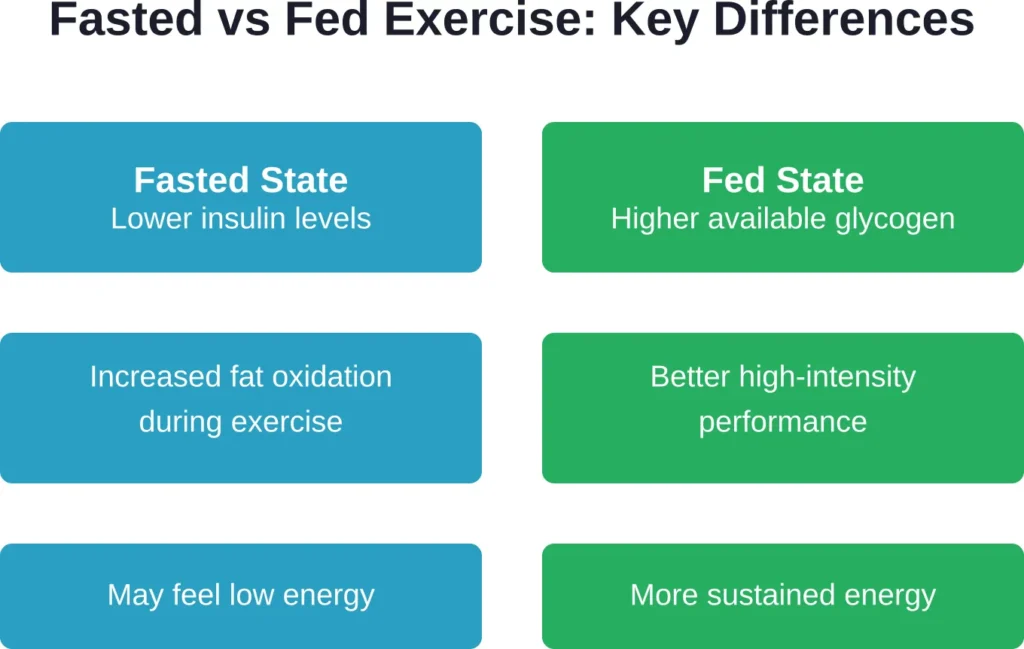
When you work out without eating first, your body has lower insulin levels and reduced glycogen stores. This metabolic environment can lead to increased lipolysis—the breakdown of fat stores—and greater fat oxidation during the exercise session itself.
But here’s where it gets interesting. While individual fasted exercise sessions may burn more fat during the workout, research comparing long-term outcomes shows minimal differences in overall body composition between fasted and fed exercise groups when total calorie intake remains equal.
One study examining fed versus fasted aerobic training found that both approaches led to similar body composition improvements when participants followed a calorie-controlled diet. The key factor wasn’t meal timing—it was the combination of regular exercise and appropriate calorie management.
Benefits of Working Out on an Empty Stomach
Despite the mixed research on long-term fat loss, fasted workouts do offer several potential benefits worth considering.
Increased Fat Oxidation
During fasted exercise, your body relies more heavily on fat stores for fuel since glycogen reserves are depleted. This increased fat oxidation occurs specifically during the workout session itself.
Some research has suggested that certain individuals may lose more body fat when consistently exercising in a fasted state, though results vary significantly between people.
Convenience and Simplicity
Real talk: not having to time and plan a pre-workout meal makes morning exercise considerably easier. Many people find it more convenient to roll out of bed and start exercising immediately rather than eating, waiting for digestion, and then working out.
This convenience factor shouldn’t be dismissed. If fasted workouts make you more consistent with exercise, that consistency matters far more than the marginal metabolic differences between fasted and fed states.
Improved Metabolic Flexibility
Training your body to perform while fasted can enhance metabolic flexibility—the ability to efficiently switch between burning carbohydrates and fats for fuel. This adaptation may prove beneficial for endurance activities and overall metabolic health.
Digestive Comfort
Some exercises that compress or jostle the stomach—like running, jumping, or certain yoga poses—can cause discomfort when performed with food in the digestive system. Exercising on an empty stomach eliminates this issue entirely.
Potential Drawbacks and Risks
Now, this is where personal variation becomes crucial. Fasted exercise isn’t universally beneficial, and for some people, it creates genuine problems.
Reduced Performance During High-Intensity Exercise
When you’re pushing hard—sprinting, heavy lifting, or high-intensity interval training—your body relies primarily on glycogen for fuel. Without adequate glycogen stores from recent food intake, performance during intense workouts often suffers.
If your goal is building strength or maximizing power output, training in a fed state typically produces better results.
Risk of Muscle Loss
Exercising in a fasted state without adequate protein intake can potentially lead to muscle protein breakdown. Your body may turn to muscle tissue for amino acids when both glycogen and readily available nutrients are scarce.
This risk increases with longer fasting periods and higher-intensity exercise. It’s a particular concern for anyone focused on muscle building or preservation.
Low Energy and Dizziness
Many people simply feel terrible working out on an empty stomach. Low blood sugar can cause dizziness, nausea, weakness, and difficulty concentrating—not exactly a recipe for a productive workout.
If you experience these symptoms, your body is sending a clear message that it needs fuel before exercise.
Increased Injury Risk
When energy levels drop and focus wavers, the risk of exercise-related injuries increases. Proper form and coordination both suffer when the body lacks adequate fuel.
| Factor | Fasted Workouts | Fed Workouts |
|---|---|---|
| Fat oxidation during exercise | Higher | Lower |
| High-intensity performance | Lower | Higher |
| Convenience (morning) | Higher | Lower |
| Muscle preservation | Potential risk | Better protected |
| Digestive comfort | Better | May cause issues |
| Long-term fat loss | Similar (when calories equal) | Similar (when calories equal) |
Who Should Consider Fasted Workouts?
Fasted exercise works well for specific situations and individuals. Here’s when it makes the most sense.
Low to moderate-intensity cardio enthusiasts: If your primary activity is steady-state cardio like walking, light jogging, or cycling at a comfortable pace, fasted workouts are generally safe and may enhance fat burning during the session.
People with digestive sensitivities: Those who experience stomach discomfort, cramping, or nausea when exercising after eating often find fasted workouts solve these issues completely.
Morning exercisers prioritizing consistency: If eating before early-morning workouts creates a barrier to consistency, and you feel fine exercising fasted, the convenience factor alone may justify this approach.
Individuals practicing intermittent fasting: For those already following time-restricted eating patterns with an 8 to 16 hour daily fasting window, scheduling workouts during the fasting period maintains consistency with their overall eating pattern.
Who Should Avoid Fasted Exercise?
Certain groups should approach fasted workouts cautiously or avoid them altogether.
People with diabetes or blood sugar regulation issues face genuine risks from exercising without adequate fuel. The combination of fasting and exercise can lead to dangerous drops in blood sugar levels.
Anyone focused on building muscle or maximizing strength gains typically achieves better results with pre-workout nutrition. The body needs readily available amino acids and energy to support muscle protein synthesis and high-intensity performance.
Pregnant women have increased nutritional demands and should generally eat before exercising to support both their own needs and fetal development.
Those with a history of disordered eating should be cautious about fasted exercise, as it can sometimes reinforce unhealthy relationships with food and exercise.
What to Eat Before a Workout (If You Choose to Eat)
For those who decide fed workouts work better for their body and goals, timing and food choices matter significantly.
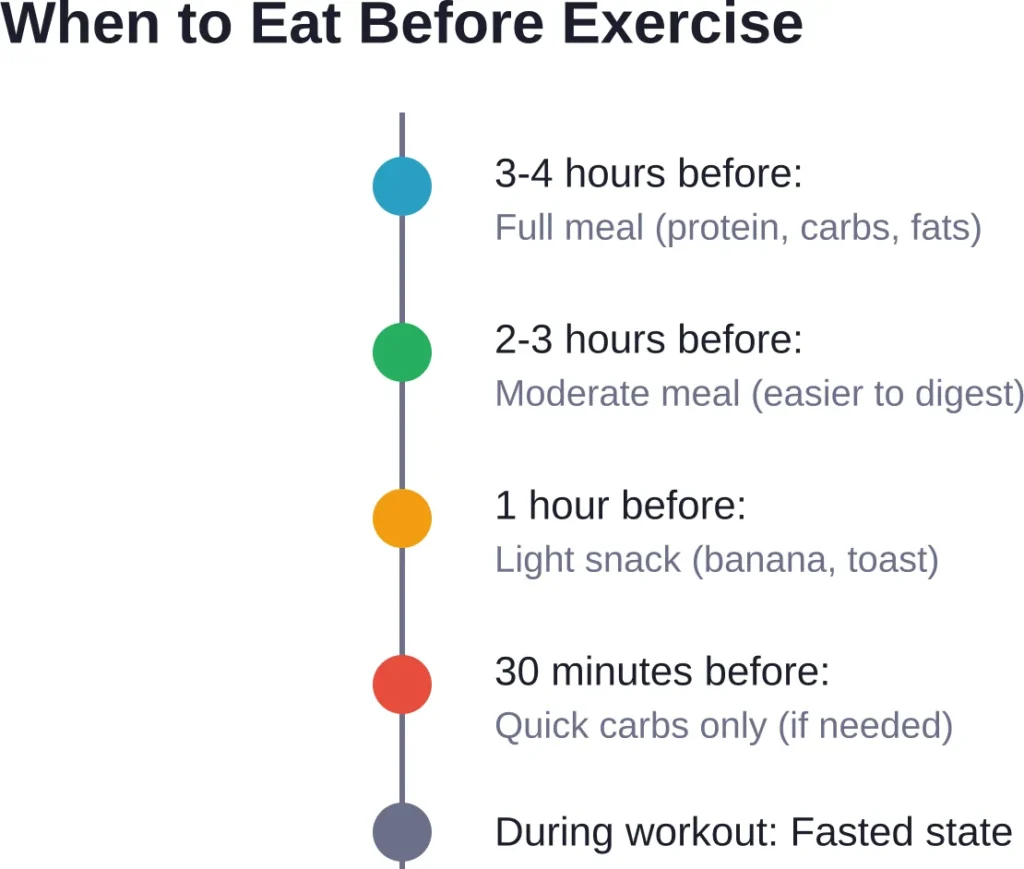
The recommendation for a full meal is to eat 3 to 4 hours before exercise. This allows sufficient time for digestion while ensuring energy remains available during the workout.
Closer to exercise time—about 1 to 2 hours before—a lighter snack works better. Good options include a banana with nut butter, toast with jam, or a small smoothie. These provide quick energy without sitting heavily in the stomach.
The composition matters too. Carbohydrates provide readily available energy for exercise. Protein supports muscle preservation and recovery. Moderate amounts of healthy fats can provide sustained energy for longer workouts, though they slow digestion.
For high-intensity or strength training sessions, having carbohydrates and protein available makes a measurable difference in performance and recovery.
Post-Workout Nutrition Matters More
Okay, so what about after the workout? This is where nutrition timing shows more consistent benefits regardless of whether you exercised fasted or fed.
Research suggests eating foods containing carbohydrates, protein, and fiber within 30 minutes to 2 hours after finishing exercise supports optimal recovery. This post-workout window is when your muscles are most receptive to nutrient uptake for repair and glycogen replenishment.
Healthy proteins can boost immune system function and support muscle protein synthesis. Carbohydrates replenish depleted glycogen stores. Together, they create the ideal recovery environment.
If you work out fasted in the morning, breaking your fast with a balanced meal shortly after exercise ensures you don’t extend the fasting period so long that recovery suffers.
Practical Tips for Fasted Workouts
If you decide to try exercising on an empty stomach, these strategies can help you do it safely and effectively.
Start with low to moderate-intensity exercise rather than immediately attempting high-intensity workouts fasted. Give your body time to adapt to using fat for fuel efficiently.
Stay well hydrated. Even without food, proper hydration remains essential for exercise performance and safety. Water intake should continue throughout the fasting period.
Listen to your body carefully. If you feel dizzy, excessively weak, or nauseous, stop exercising and eat something. These symptoms indicate your body needs fuel.
Keep the workout duration reasonable, especially initially. A 30-minute fasted workout is very different from a 90-minute endurance session without fuel.
Consider your overall calorie and protein intake across the full day, not just around workouts. Meeting daily nutrition targets matters more than the timing of any single meal.
The Verdict: Should You Work Out on an Empty Stomach?
So here’s the bottom line. Working out on an empty stomach is safe for most healthy adults, particularly for low to moderate-intensity exercise. It can increase fat oxidation during the workout and offers convenience benefits that may improve exercise consistency.
But it’s not a magic solution for fat loss. When total calorie intake remains equal, long-term body composition changes show minimal differences between fasted and fed exercise approaches. The metabolic advantages during individual fasted sessions don’t necessarily translate to superior long-term results.
The best approach? The one that makes you feel good, supports your performance, and helps you exercise consistently. Some people thrive on fasted workouts. Others perform noticeably better with pre-workout fuel.
Pay attention to how your body responds. Notice your energy levels, workout performance, recovery, and how you feel throughout the day. These signals matter more than rigid adherence to any single approach.
If fasted workouts leave you energized and performing well, continue them. If they make you feel terrible, eat before exercising without guilt. Both approaches can support your health and fitness goals when implemented thoughtfully.
Frequently Asked Questions
While fasted exercise increases fat burning during the workout itself, research shows minimal long-term differences in weight loss between fasted and fed exercise when total calorie intake remains equal. Weight loss ultimately depends more on creating a consistent calorie deficit through diet and exercise combined than on workout timing alone.
Most fasted workouts occur after an overnight fast of approximately 8 to 16 hours. This typically means exercising first thing in the morning before breakfast. The body begins switching to fat burning between 12 to 32 hours into a fast, depending on individual glycogen stores, with this switch happening faster during exercise.
Yes, water is essential and should be consumed freely before, during, and after fasted workouts. Black coffee is also generally acceptable and may even enhance performance and fat oxidation. However, adding cream, milk, or sugar breaks the fasted state by providing calories.
For most healthy adults, fasted cardio at low to moderate intensity is safe. However, people with diabetes, blood sugar regulation issues, certain medical conditions, or those who are pregnant should consult healthcare providers before exercising fasted. Anyone experiencing dizziness, excessive weakness, or nausea should stop immediately and eat.
Low to moderate-intensity steady-state cardio—such as walking, light jogging, cycling, or swimming at a comfortable pace—works best for fasted exercise. High-intensity interval training, heavy strength training, and explosive movements typically perform better with pre-workout nutrition due to their reliance on glycogen for fuel.
Extended fasted exercise without adequate protein intake can potentially lead to muscle protein breakdown, particularly during higher-intensity workouts or longer fasting periods. This risk can be minimized by ensuring adequate daily protein intake, eating a protein-rich meal after fasted workouts, and keeping fasted exercise sessions reasonable in duration and intensity.
While possible, strength training on an empty stomach often results in reduced performance, lower power output, and less effective muscle building compared to training in a fed state. For optimal strength gains and muscle development, having carbohydrates and protein available before resistance training typically produces better results.