
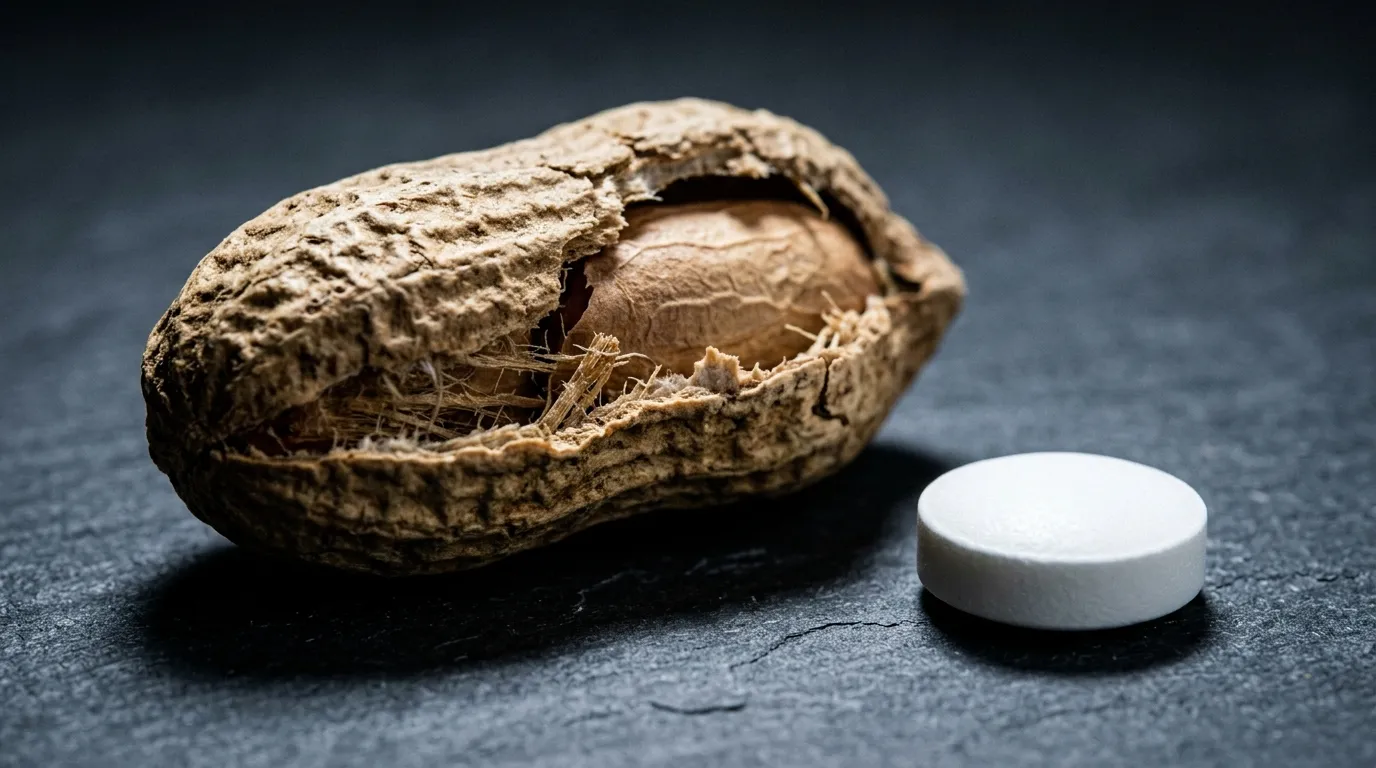
Quick Summary: Peanut shells are technically edible and non-toxic, but eating them is not recommended for regular consumption. They contain high levels of indigestible cellulose and lignin that can cause digestive discomfort, and may harbor pesticide residues or aflatoxin contamination from mold.
Walk into a ballpark or a Texas Roadhouse, and you’ll see peanut shells everywhere. The question hits different when you’re cracking them open: are these things actually edible, or just waste?
The short answer? Yes, peanut shells are technically safe to eat. But there’s a catch—actually, several catches that make most nutritionists and food safety experts recommend against it.
Here’s what the science says about munching on peanut shells, the health risks involved, and why these fibrous husks might be better left uneaten.
The Composition of Peanut Shells
Peanut shells aren’t just crunchy packaging. They’re complex plant material with a specific nutritional profile that makes them tough for human digestion.
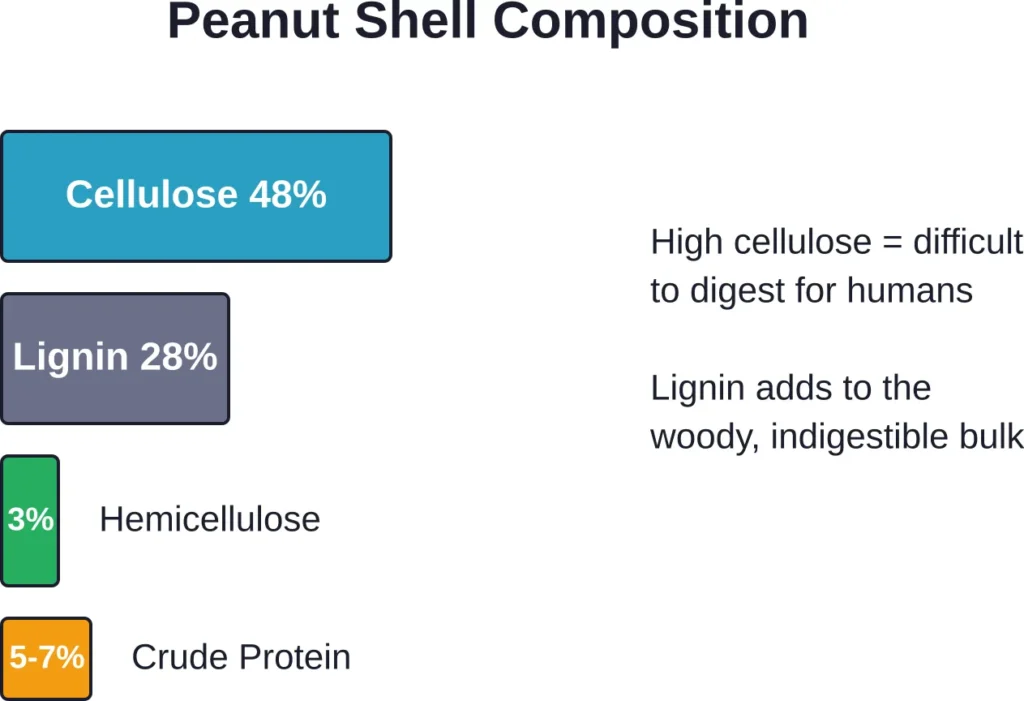
Research indicates peanut shells contain high levels of cellulose, lignin, and hemicellulose. That’s an enormous amount of indigestible fiber—the kind that passes through your digestive system largely unchanged.
The shells contain crude protein, along with small amounts of minerals like calcium and phosphorus. But don’t let those nutrients fool you. The overwhelming fiber content creates more problems than benefits for human consumption.
Why Eating Peanut Shells Is Problematic
The human digestive system wasn’t designed to process this level of cellulose and lignin. Unlike ruminant animals with specialized stomachs, people lack the enzymes needed to break down these tough plant materials.
Digestive Discomfort and Blockages
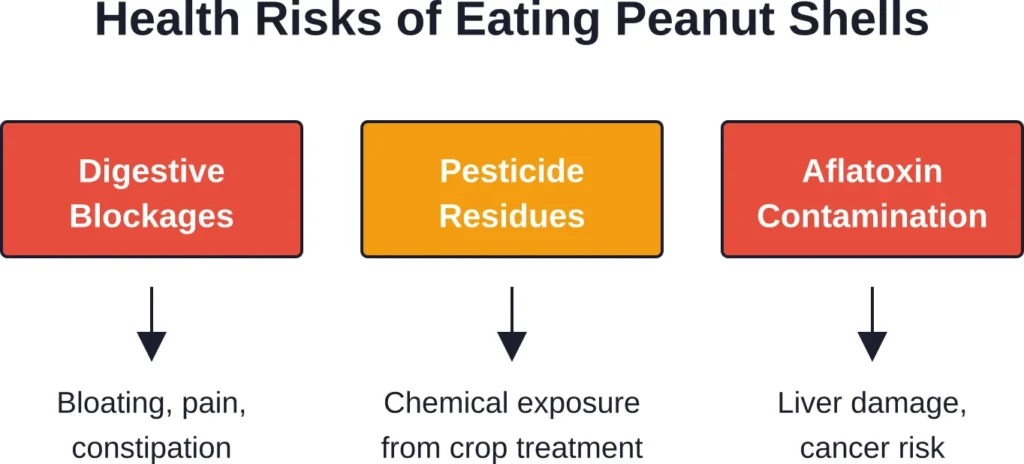
Eating peanut shells can lead to several gastrointestinal issues. The indigestible fiber accumulates in your digestive tract, potentially causing bloating, constipation, and abdominal pain.
In severe cases, consuming large quantities of peanut shells might contribute to intestinal blockages—a serious medical condition requiring intervention. The rough texture can also irritate the lining of your digestive system.
Pesticide Residues
Peanuts grow underground, and shells are the plant’s first line of defense against soil contaminants, pests, and disease. That means shells accumulate whatever chemicals were used during cultivation—pesticides, fungicides, and other agricultural treatments.
These residues remain on the outer shell surface even after processing. The FDA regulates pesticide levels on food crops, but peanut shells aren’t intended for human consumption, so they’re not held to the same safety standards as the edible kernels inside.
Aflatoxin Contamination Risk
Here’s where things get genuinely concerning. Peanuts are susceptible to contamination by Aspergillus flavus, a mold that produces aflatoxins—toxic compounds that can cause liver damage and are classified as carcinogens.
According to the Food and Agriculture Organization, approximately 25% of the world’s food crops are affected by mycotoxins, with aflatoxins being particularly notorious. Research from Ghana found that 31.7% of damaged peanuts and 12.8% of undamaged peanuts sampled from markets showed aflatoxin infection.
The FDA actively monitors aflatoxin levels in pet food containing peanuts and other susceptible ingredients. If pet food standards warrant this level of oversight, eating unprocessed peanut shells carries obvious risks.
Shells provide an ideal environment for mold growth, especially if peanuts were stored improperly. Improper moisture content increases contamination risks.
What About Processed Peanut Shells?
Research has explored processing peanut hulls for human consumption. Studies show that with proper treatment—grinding, cooking, and chemical processing—shells can be made more palatable and potentially safer.
But here’s the reality: no commercial operations currently process peanut shells for human food products. The agricultural and food industries primarily divert shells to livestock feed, compost, mulch, or building materials.
Recent research published in Frontiers in Nutrition examined peanut hulls as an underutilized culinary ingredient. While the study found potential for valorizing this food waste, the processing requirements remain complex and not yet economically viable for human food applications.
Better Uses for Peanut Shells
Instead of eating them, peanut shells serve valuable purposes in sustainable agriculture and industry.
| Use | Application | Benefits |
|---|---|---|
| Compost | Garden enrichment | Adds carbon, improves soil structure |
| Mulch | Landscaping ground cover | Retains moisture, suppresses weeds |
| Livestock feed | Ruminant animal nutrition | Provides fiber for cattle, sheep |
| Biochar | Soil amendment | Improves water retention, reduces salinity |
| Building materials | Particle board, insulation | Sustainable construction component |
Research from North Carolina State University confirms that peanut shells make excellent compost material. Studies on peanut shell biochar demonstrate effectiveness in improving soil properties, particularly in saline-sodic environments.
The Bottom Line on Peanut Shell Safety
Can you survive eating a peanut shell? Absolutely. Will a single accidental shell cause harm? Probably not.
But should peanut shells be part of regular dietary habits? The evidence says no. The combination of indigestible fiber, pesticide exposure risks, and potential aflatoxin contamination outweighs any minimal nutritional benefit.
The peanuts inside provide protein, healthy fats, vitamins, and minerals without the risks. Stick to those, and leave the shells for composting or other sustainable applications where they actually add value.
Frequently Asked Questions
Yes, eating peanut shells can cause digestive discomfort including bloating, constipation, and abdominal pain. Large quantities may lead to intestinal blockages. Shells may also harbor pesticide residues and aflatoxin-producing molds that pose additional health risks.
Peanut shells themselves aren’t inherently toxic, but they can carry toxic substances. The primary concerns are aflatoxin contamination from mold and pesticide residues from agricultural treatment. The shells’ high cellulose and lignin content also makes them essentially indigestible.
Swallowing a small piece of peanut shell accidentally is generally harmless. It will pass through your digestive system undigested. However, regularly consuming shells or eating large quantities increases the risk of gastrointestinal issues and exposure to contaminants.
Peanut shells contain crude protein and small amounts of minerals. However, they consist primarily of cellulose and lignin—indigestible plant fibers that provide no nutritional benefit to humans and can interfere with digestion.
Boiled peanut shells are softer than raw shells but still not recommended for consumption. Boiling doesn’t significantly reduce the cellulose and lignin content, eliminate pesticide residues, or remove aflatoxin contamination. The digestive challenges and safety concerns remain.
No peanut variety is specifically safe for shell consumption. All peanut shells share similar composition—high in indigestible fiber and susceptible to pesticide residues and mold contamination. The cultivation and storage conditions matter more than variety for contamination risk.
The best uses for peanut shells are composting (they add carbon to compost piles), using as garden mulch, or disposing in yard waste where local regulations permit. These applications recycle the shells sustainably without health risks associated with consumption.
Conclusion
The curiosity about eating peanut shells makes sense—they’re everywhere, and waste feels wrong. But the science is clear: these fibrous husks aren’t meant for human consumption.
Between the indigestible cellulose, potential contamination risks, and lack of nutritional payoff, peanut shells are better left to composting or other sustainable uses. Enjoy the nutritious kernels inside, and let the shells serve purposes they’re actually suited for.
Want to maximize the nutrition from peanuts themselves? Focus on choosing fresh, properly stored peanuts and peanut products from reputable sources that follow FDA safety standards. That’s where the real health benefits live.