
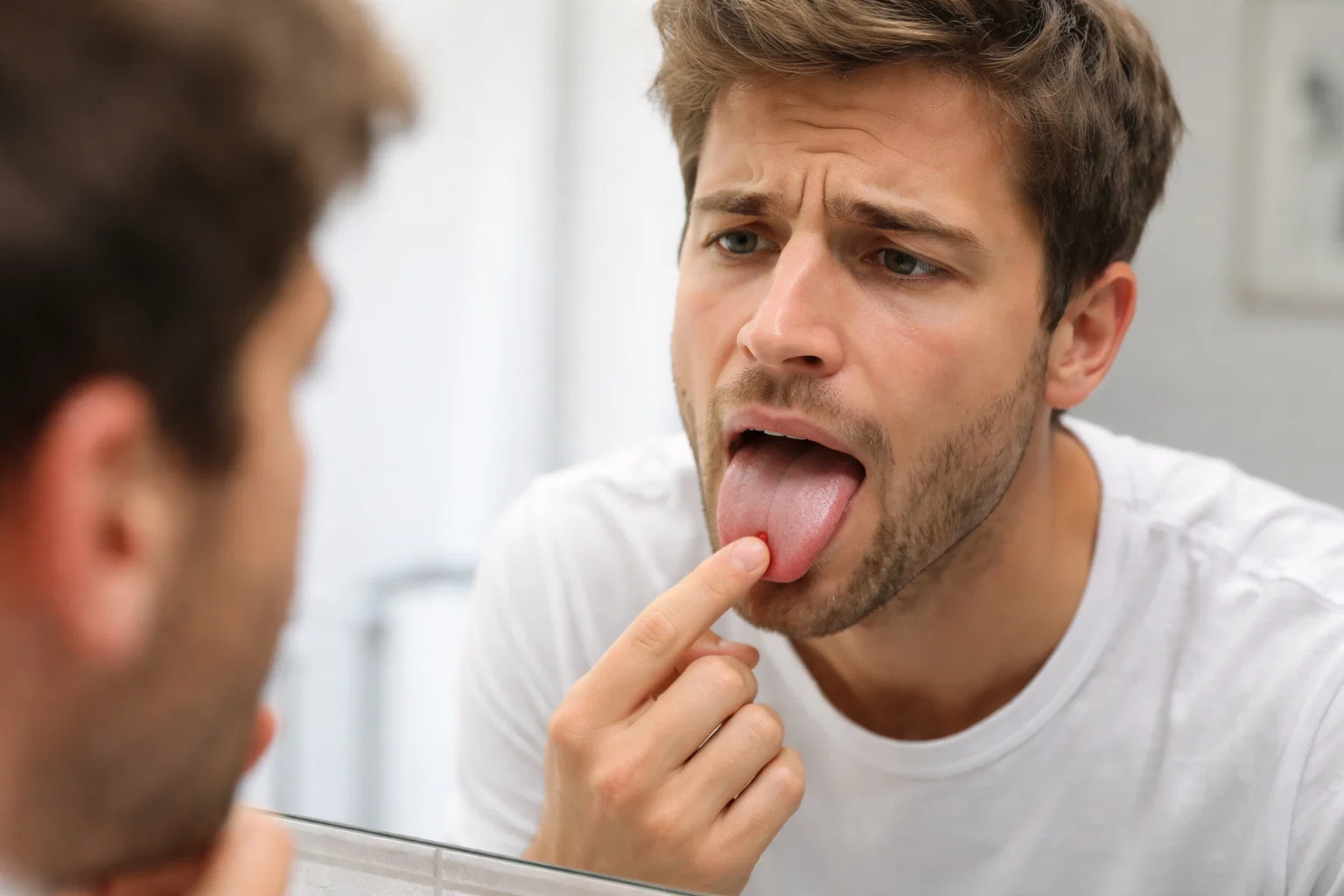
Quick Summary: While you can’t technically get an acne pimple on your tongue (since tongues lack oil glands), you can develop painful bumps that look and feel similar. The most common cause is transient lingual papillitis, also known as “lie bumps,” which creates small red or white swollen bumps on the tongue’s surface.
You’re eating dinner when suddenly you bite down wrong and feel a sharp pain. Hours later, there’s a small, painful bump on your tongue that looks suspiciously like a pimple.
But here’s the thing—your tongue can’t actually develop true acne pimples. The tongue lacks sebaceous glands (oil glands) and hair follicles, which are essential components for acne formation. What you’re experiencing is likely something else entirely, though it might feel just as annoying.
So what causes these mysterious bumps? And more importantly, how do you get rid of them?
Why True Pimples Can’t Form on Your Tongue
Real talk: acne requires specific anatomical structures that your tongue simply doesn’t have. According to research published in StatPearls, acne vulgaris is a disorder of the pilosebaceous unit—the combination of hair follicles and sebaceous glands found primarily on the face, chest, and back.
Your tongue is covered with papillae, those tiny bumps that help you taste food and give your tongue its rough texture. But these aren’t the same as skin pores. When people say they have a “pimple” on their tongue, they’re describing the appearance and sensation, not the actual medical condition.
What Are Those Bumps Actually Called?
The most common culprit behind tongue bumps is transient lingual papillitis, colloquially known as “lie bumps.” The nickname comes from an old wives’ tale claiming these bumps appeared when you told a lie—which obviously isn’t true.
These bumps develop when the fungiform papillae on your tongue become inflamed and swollen. They typically appear as small, painful red or white spots that can make eating, drinking, and even talking uncomfortable.
The condition is incredibly common and usually resolves on its own within a few days.
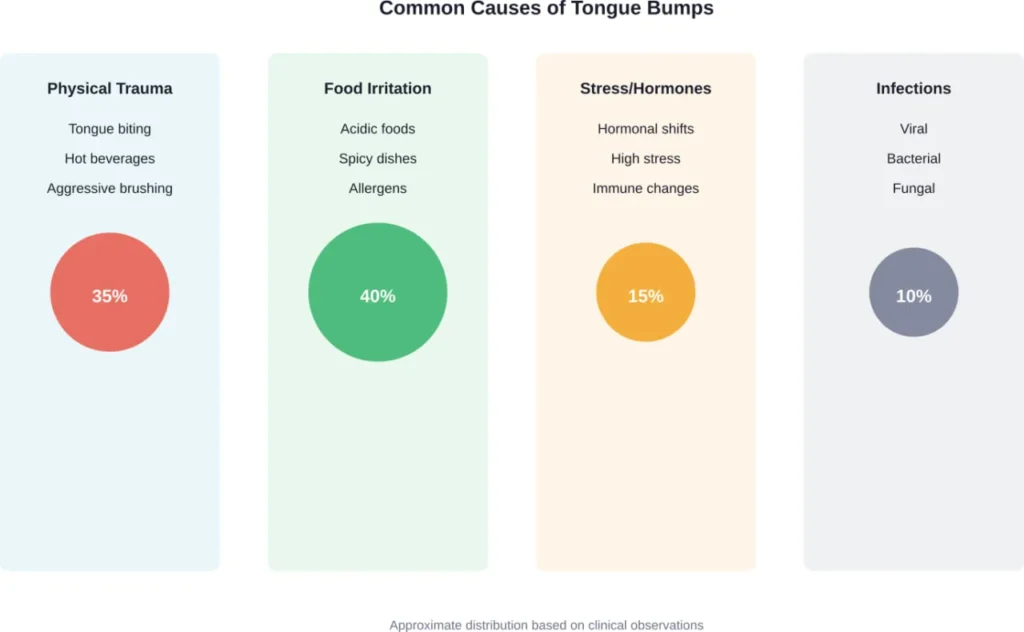
Common Causes of Tongue Bumps
Several factors can trigger these irritating bumps:
Physical Trauma
Accidentally biting your tongue, burning it with hot food or beverages, or brushing too aggressively can all cause localized swelling and inflammation. The trauma irritates the papillae, causing them to swell into noticeable bumps.
Food Sensitivities and Acidic Foods
Certain foods can irritate the tongue’s delicate tissue. Citrus fruits, tomatoes, spicy foods, and even sour candies contain acids that may trigger inflammation in sensitive individuals. Some people also react to specific ingredients like artificial sweeteners or food additives.
Stress and Hormonal Changes
Stress doesn’t just affect your mental health—it can manifest physically too. Hormonal fluctuations, particularly during menstruation, pregnancy, or periods of high stress, may contribute to tongue irritation. Research on acne vulgaris notes that approximately 70% of female patients experience premenstrual flare-ups in acne, and similar hormonal influences may affect oral tissues.
Viral or Bacterial Infections
Sometimes tongue bumps signal an underlying infection. The herpes simplex virus can cause painful oral lesions, though according to the American Academy of Dermatology, these typically appear as fluid-filled blisters rather than isolated bumps.
Less commonly, conditions like scarlet fever (caused by streptococcal bacteria) can produce a distinctive “strawberry tongue” appearance with enlarged, reddened papillae.
Allergic Reactions
Oral allergies to certain foods, medications, or dental products can cause localized swelling. If you’ve recently switched toothpaste brands or started a new medication, that might be the trigger.
Less Common But Serious Conditions
While most tongue bumps are harmless, some require medical attention:
Canker Sores
According to the National Institute of Dental and Craniofacial Research, canker sores differ from lie bumps. They appear as painful ulcers with a white or yellow center and red border, typically on the inside of cheeks or lips rather than on the tongue’s surface.
Oral Thrush
This fungal infection causes white, cottage cheese-like patches on the tongue and inner cheeks. It’s more common in people with weakened immune systems, those taking antibiotics, or infants.
Geographic Tongue
The Mayo Clinic describes geographic tongue as a harmless inflammatory condition where patches of papillae disappear, creating smooth red areas surrounded by white borders. The pattern can change over time, resembling a map—hence the name.
Oral Cancer
Though rare, persistent bumps or sores that don’t heal within two weeks warrant a dental or medical evaluation. According to Mayo Clinic information on tongue cancer, warning signs include lumps that grow, difficulty swallowing, or numbness.
Safe Home Remedies to Soothe Tongue Bumps
Most tongue bumps resolve within 2-7 days without treatment. But these remedies can ease discomfort:
Salt Water Rinses
Dissolve half a teaspoon of salt in warm water and swish gently for 30 seconds. This reduces inflammation and keeps the area clean. Repeat 3-4 times daily.
Cold Therapy
Sucking on ice chips or popsicles numbs the area temporarily. Cold reduces swelling and provides immediate relief.
Avoid Irritants
Skip spicy, acidic, or crunchy foods until the bump heals. Also avoid alcohol-based mouthwashes, which can sting and delay healing.
Honey Application
Honey has natural antibacterial properties. Dab a small amount directly on the bump before bed. Just don’t give honey to children under one year old.
Over-the-Counter Options
Oral pain relievers containing benzocaine can provide temporary numbing. Anti-inflammatory medications like ibuprofen may also help reduce swelling and discomfort.
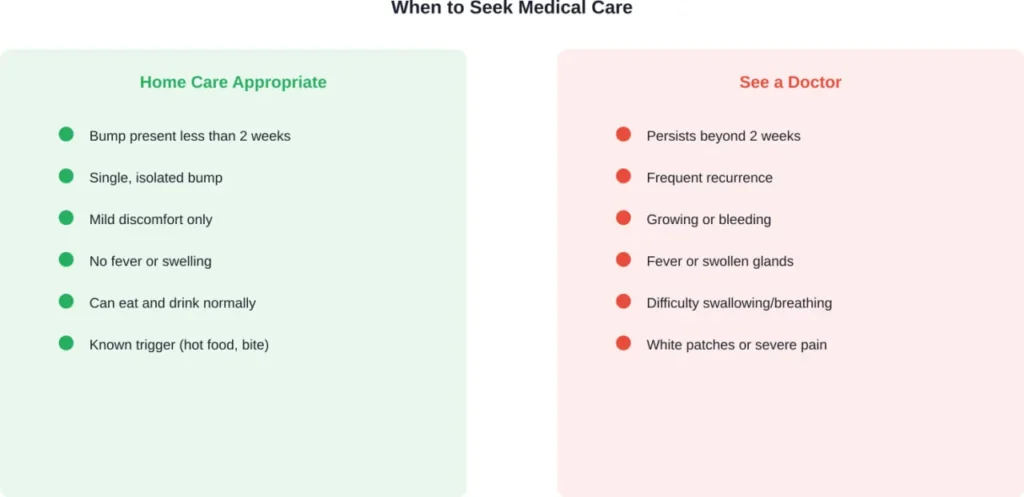
When to See a Healthcare Provider
Schedule an appointment if:
- The bump persists longer than two weeks
- Multiple bumps appear frequently
- You experience fever or swollen lymph nodes
- The bump bleeds or grows noticeably larger
- You have difficulty swallowing or breathing
- White patches accompany the bumps
- Pain becomes severe or interferes with eating
These symptoms might indicate infections, autoimmune conditions, or other issues requiring professional treatment. For instance, pemphigus—a rare autoimmune disorder—can cause painful mouth sores, according to the National Institute of Arthritis and Musculoskeletal and Skin Diseases. About 50% to 70% of people with pemphigus vulgaris develop mouth sores before blisters appear on their skin.
Prevention Strategies
Can you prevent tongue bumps entirely? Not always. But you can reduce their frequency:
Practice gentle oral hygiene. Brush your tongue lightly with a soft-bristled toothbrush. Aggressive scrubbing can damage delicate papillae.
Identify food triggers. Keep a food diary if you notice recurring bumps. Common culprits include citrus, tomatoes, strawberries, and nuts.
Manage stress. Since stress can trigger inflammation throughout the body, finding healthy coping mechanisms may reduce oral symptoms. Regular exercise, adequate sleep, and relaxation techniques all help.
Stay hydrated. Dry mouth increases friction and irritation. Drink water throughout the day to keep oral tissues moist.
Check food and drink temperatures. Test hot beverages before taking big sips. Burns are a leading cause of tongue trauma.
| Prevention Strategy | Effectiveness | Difficulty |
|---|---|---|
| Gentle tongue brushing | High | Easy |
| Avoiding trigger foods | High | Moderate |
| Stress management | Moderate | Moderate |
| Temperature testing | High | Easy |
| Staying hydrated | Moderate | Easy |
| Mindful eating (slow chewing) | Moderate | Moderate |
Frequently Asked Questions
Yes, stress can contribute to tongue bumps. Stress weakens immune function and triggers inflammatory responses throughout the body, including in oral tissues. Many people report increased frequency of lie bumps during stressful periods.
Most tongue bumps, including transient lingual papillitis, aren’t contagious. However, if bumps result from viral infections like herpes simplex or hand-foot-and-mouth disease, those underlying conditions can spread through direct contact or respiratory droplets.
Lie bumps typically resolve within 2-7 days without treatment. If a bump persists beyond two weeks, it’s probably not transient lingual papillitis and warrants professional evaluation.
Absolutely. Children commonly develop tongue bumps from trauma (tongue biting), food irritation, or viral infections. The same home remedies work for kids, though avoid honey for children under one year old due to botulism risk.
Deficiencies in B vitamins (especially B12), iron, or folate can cause tongue changes, though these typically present as smoothness or soreness rather than discrete bumps. A balanced diet helps maintain overall oral health.
Some people react to sodium lauryl sulfate (SLS), an ingredient in many toothpastes. If you suspect your toothpaste, try switching to an SLS-free formula and see if symptoms improve.
Never attempt to pop or squeeze tongue bumps. Unlike skin pimples, these aren’t filled with pus that can be extracted. Manipulating them causes additional trauma, increases infection risk, and prolongs healing time.
The Bottom Line
So, can you get a pimple on your tongue? Technically no—but you can definitely get bumps that feel just as uncomfortable. Most of these are harmless cases of transient lingual papillitis that clear up on their own within a week.
The key is knowing when to worry. If your tongue bump sticks around longer than two weeks, keeps coming back, or comes with other concerning symptoms, get it checked out.
In the meantime, stick to soothing home remedies, avoid irritating foods, and be patient. Your tongue heals remarkably quickly—usually much faster than you’d expect.
Experiencing persistent or recurring tongue bumps? Schedule a consultation with a dentist or physician to rule out underlying conditions and get personalized treatment recommendations. Early evaluation ensures proper diagnosis and peace of mind.